
Which Vodkas Are Gluten Free? A Practical List
Plain vodka is generally considered gluten free after distillation, even when it begins with wheat or another gluten-containing grain. This guide explains the main choices, possible exceptions and what to note in your food diary.
Why plain vodka is generally gluten free
Vodka can be made from grains, potatoes, grapes, sugar cane and other ingredients that can be fermented. During distillation, alcohol and other volatile compounds are separated from the fermented mixture. Gluten proteins do not normally pass through this process into the finished distilled spirit.
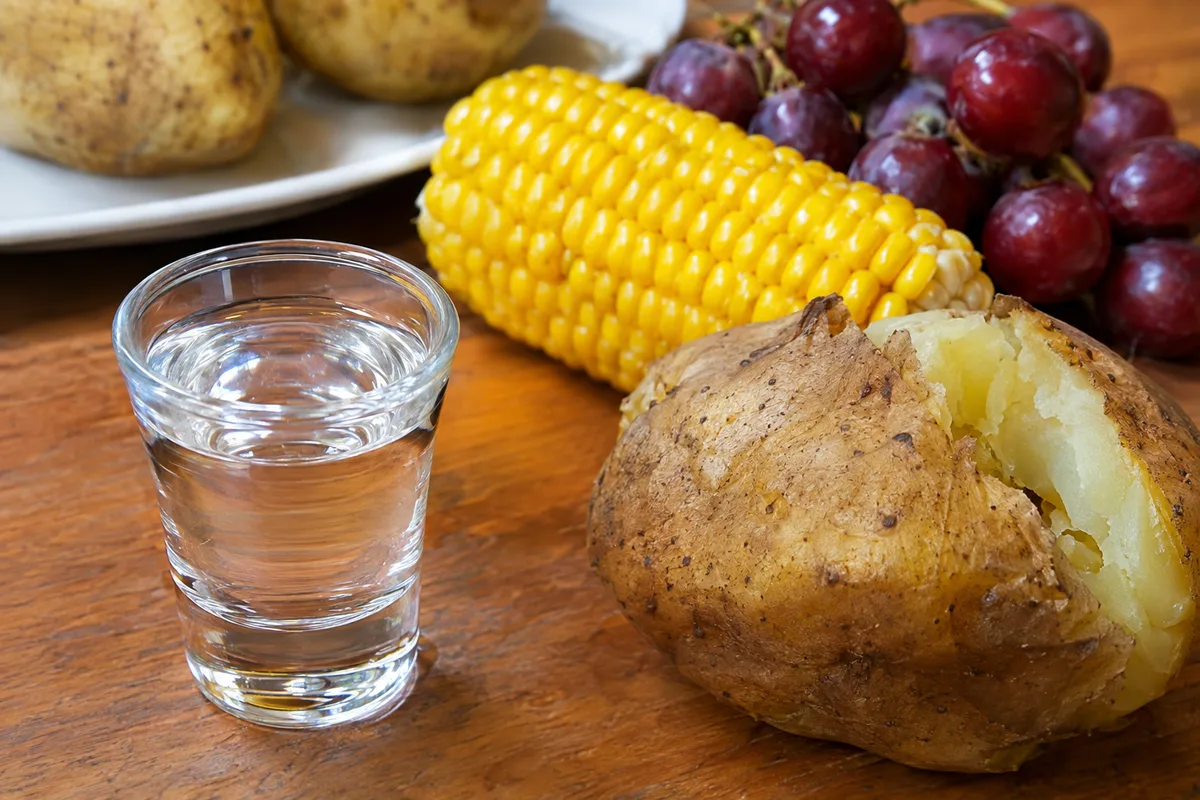
That means plain, properly distilled vodka is generally considered gluten free, including vodka distilled from wheat, barley or rye. The ingredient used before distillation may still appear in product information, so it is understandable if a grain name causes confusion. The more important question is whether anything was added after distillation.
- Plain unflavoured vodka
- Vodka distilled from potatoes
- Vodka distilled from corn
- Vodka distilled from grapes or sugar cane
- Plain grain-based vodka with no ingredients added after distillation
A simple gluten-free vodka list by base ingredient
If you prefer to avoid gluten-containing grains at every stage, choose vodka made from a naturally gluten-free starting ingredient. This is not essential for every person avoiding gluten, but it can make shopping simpler. The base ingredient is sometimes shown on the front or back of the bottle.
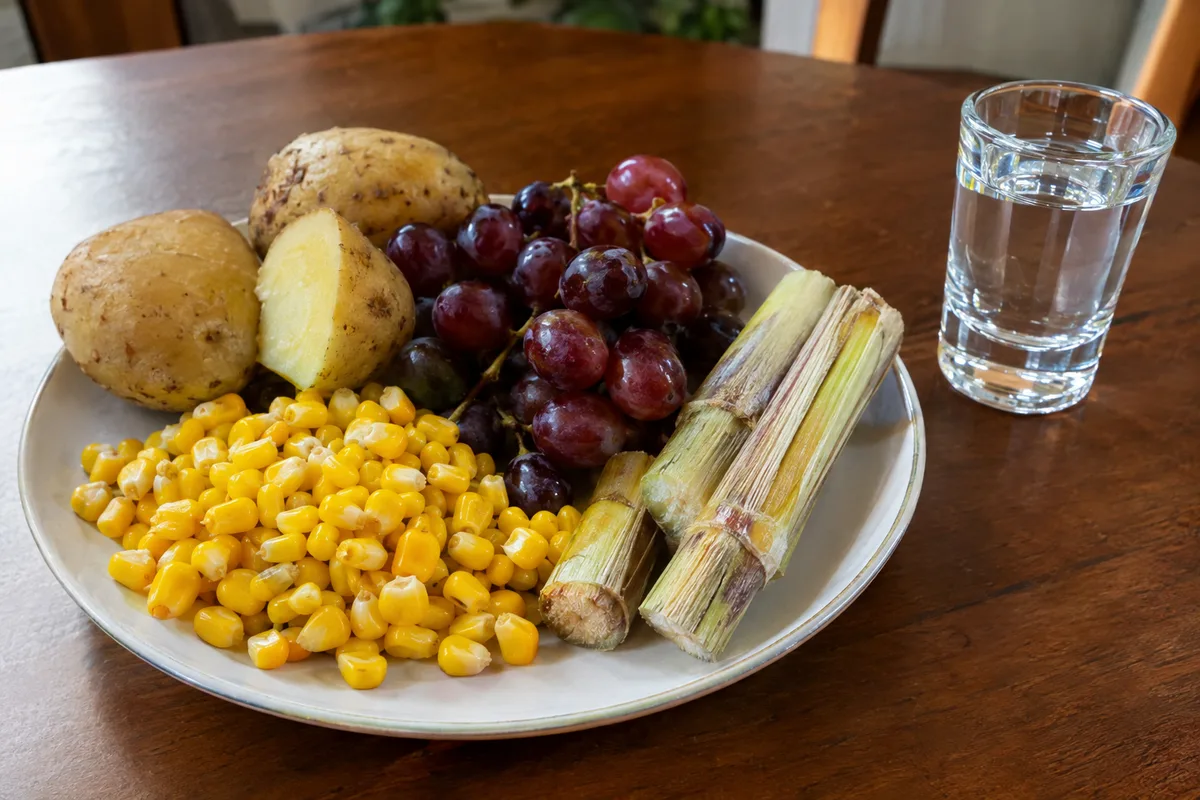
Do not assume that one base makes a vodka lower in energy or alcohol than another. The final strength, serving size and any additions matter more when you record it. Check the individual bottle rather than relying on a general description of the vodka style.
- Potato vodka
- Corn vodka
- Grape vodka
- Sugar cane vodka
- Vodka made from other clearly identified gluten-free crops
Flavoured vodka needs a closer look
Flavoured vodka is less straightforward because ingredients may be added after distillation. These can include flavourings, sweeteners, colours or other spirit-based mixtures. Most will not necessarily contain gluten, but the answer depends on the individual recipe.
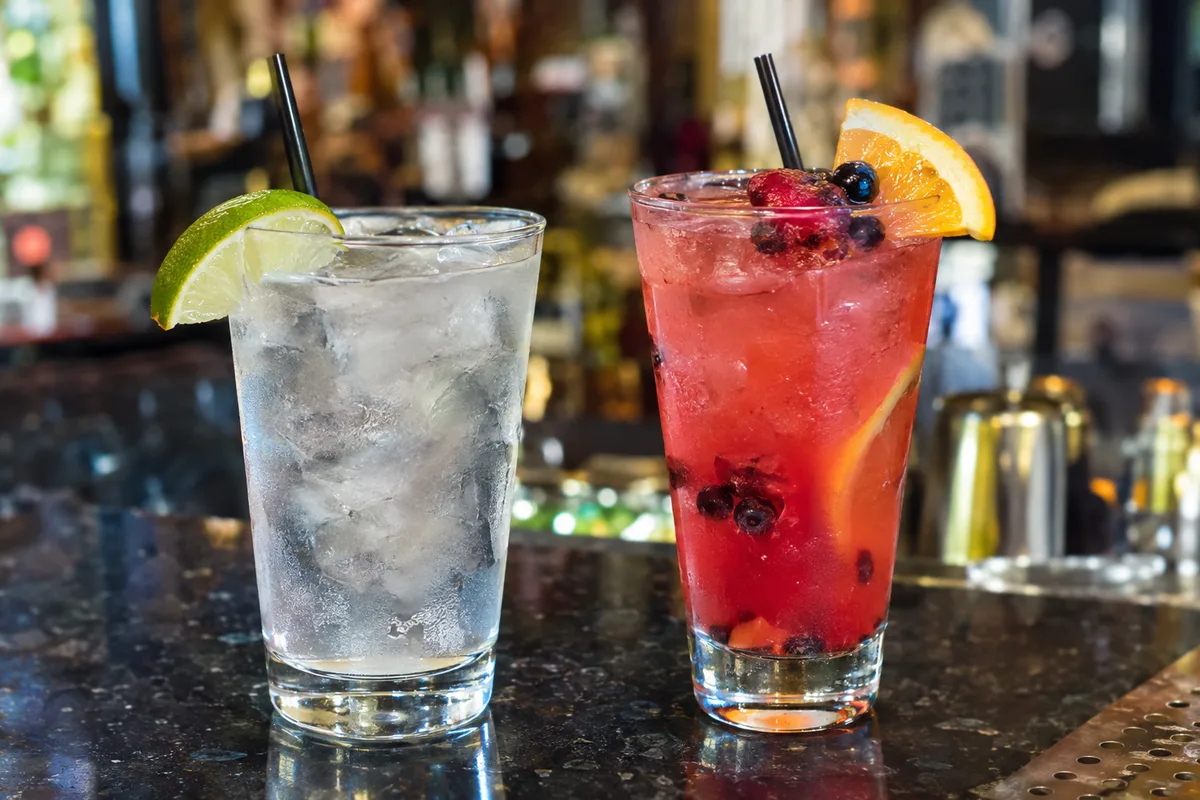
Dessert-style, cream-style and confectionery-inspired vodkas often have longer ingredient lists than plain vodka. Ready-mixed vodka drinks may also contain several ingredients beyond vodka. Treat each flavour and each ready-mixed drink as a separate product, even when they come from the same producer.
- Look for a clear gluten-free statement
- Read any allergen information provided
- Check flavourings and additions rather than judging by the flavour name
- Recheck seasonal or limited-edition recipes
- Do not assume every flavour in one range has the same ingredients
How to check a bottle or bar serving
Start with the label and the producer's current product information. Recipes and manufacturing details can change, so an old list or a comment about another bottle may no longer apply. If the information is unclear, choose a plain vodka with clear details rather than guessing.
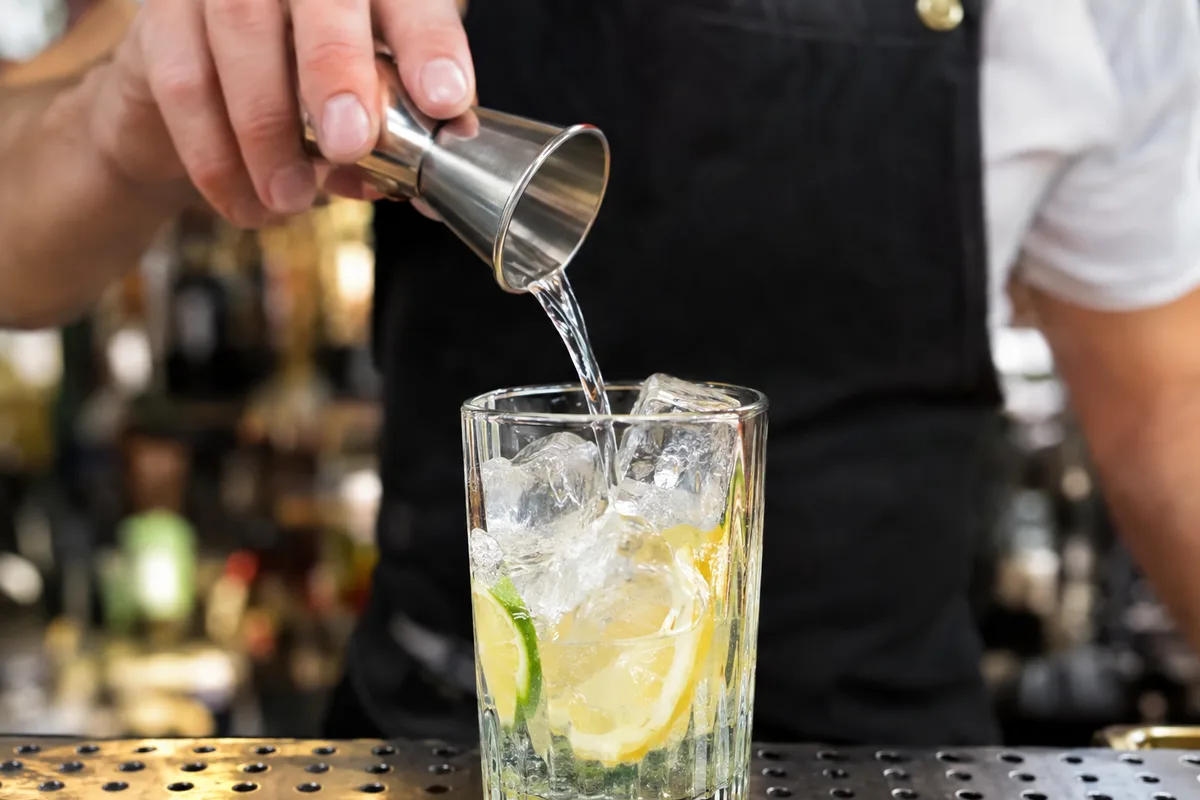
At a bar, ask whether the drink contains plain vodka, flavoured vodka or a premixed ingredient. Syrups, liqueurs, garnishes and prepared cocktail mixtures should be checked separately. Shared pouring equipment and preparation surfaces may also matter if you need to avoid small traces.
- Identify the exact vodka and flavour
- Check the current label or producer information
- Ask what else goes into the drink
- Check premixed cocktail ingredients separately
- Choose a simpler serve when the details are uncertain
Recording vodka in your food diary
For accurate tracking, record the amount poured rather than entering only the word vodka. Alcohol contributes energy, and a larger serving contains more than a smaller one. The exact amount depends on the strength of the vodka and the size of the measure.
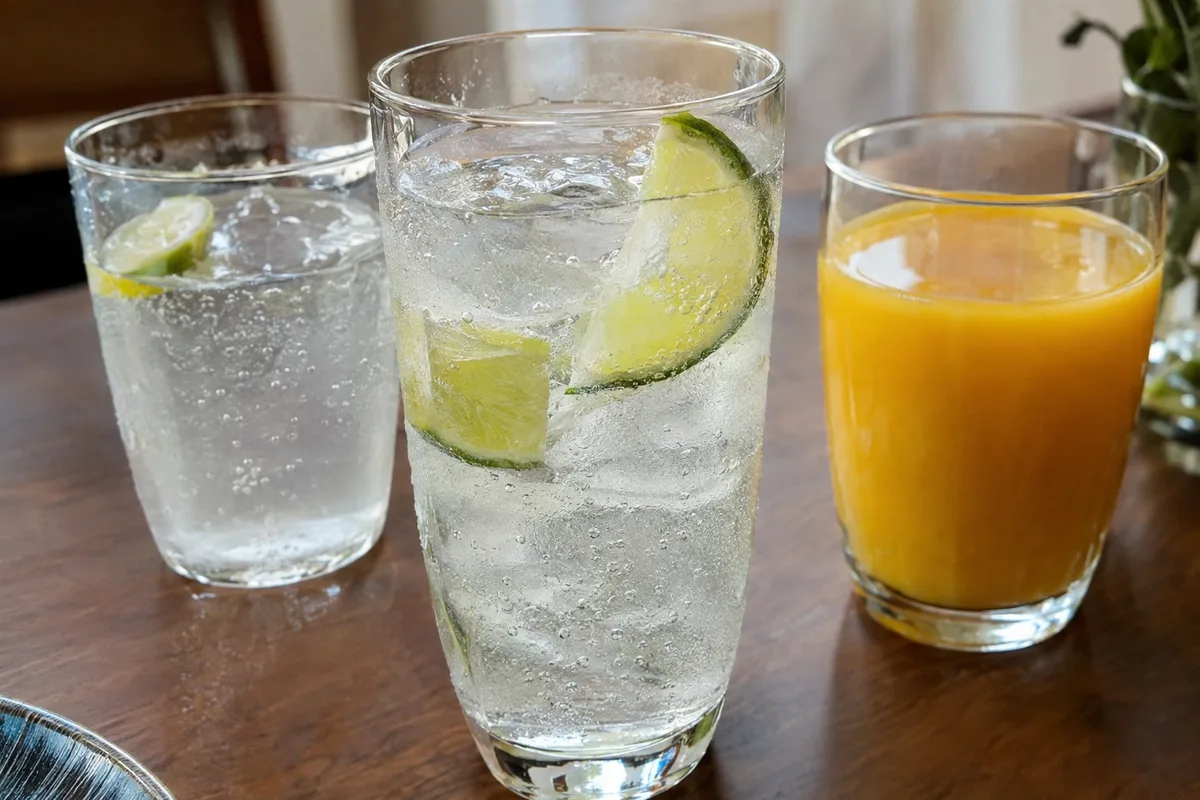
Record the mixer separately because tonic water, juice, syrups and soft drinks can change the total considerably. Sugar-free or low-sugar wording does not tell you whether a drink is gluten free, as these are separate questions. Garnishes such as fruit are usually simple to record, while cocktail foams, sauces and flavoured rims may need more information.
- Vodka serving size
- Alcohol strength shown on the bottle
- Mixer type and amount
- Syrups, liqueurs or sweetened flavourings
- Garnishes and prepared rims
The shortest safe checklist
Plain distilled vodka is usually the simplest option when avoiding gluten. Vodka made from potato, corn, grapes or sugar cane offers an easy-to-understand alternative for anyone who also prefers a non-gluten grain base. Grain-based plain vodka is generally considered gluten free because the gluten proteins do not normally carry through distillation.
Flavoured vodka and ready-mixed drinks deserve more attention because ingredients can be added later. Check the exact product, not just the brand or base ingredient. For food tracking, note the pour, strength, mixer and additions as separate entries where possible.
- Choose plain distilled vodka for the simplest option
- Check additions made after distillation
- Treat each flavoured product separately
- Record the serving and mixer
- Recheck the label when a recipe or bottle changes