
What green tea can add to your daily routine
Green tea can be an enjoyable drink that provides fluid, plant compounds and a modest caffeine lift. This guide explains those benefits, what can change them and how to track your usual cup accurately.
What green tea is
Green tea comes from the same tea plant as black tea, but the leaves are processed differently. They are heated soon after picking, which limits the changes that darken black tea. This helps green tea keep its lighter colour, fresh taste and particular mix of plant compounds.
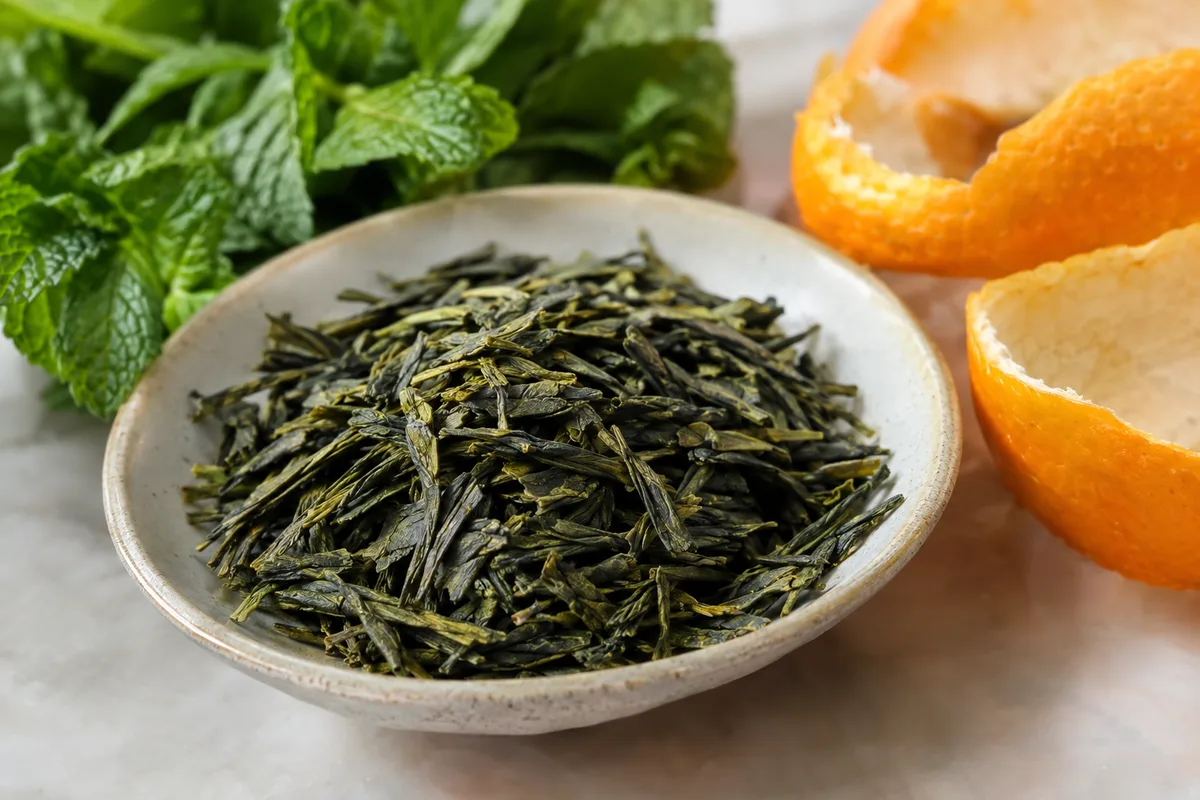
Brewing method, leaf type and freshness all affect the finished drink. Some cups taste grassy or savoury, while others are floral, sweet or slightly bitter. These differences do not make one cup automatically better than another.
- Loose-leaf green tea
- Green tea bags
- Powdered green tea whisked into water
- Green tea blended with mint, jasmine or citrus peel
Plant compounds without the hype
Green tea contains polyphenols, a broad group of compounds naturally found in plants. These include compounds often described as antioxidants. In everyday terms, antioxidants can interact with unstable molecules produced during normal processes in the body.
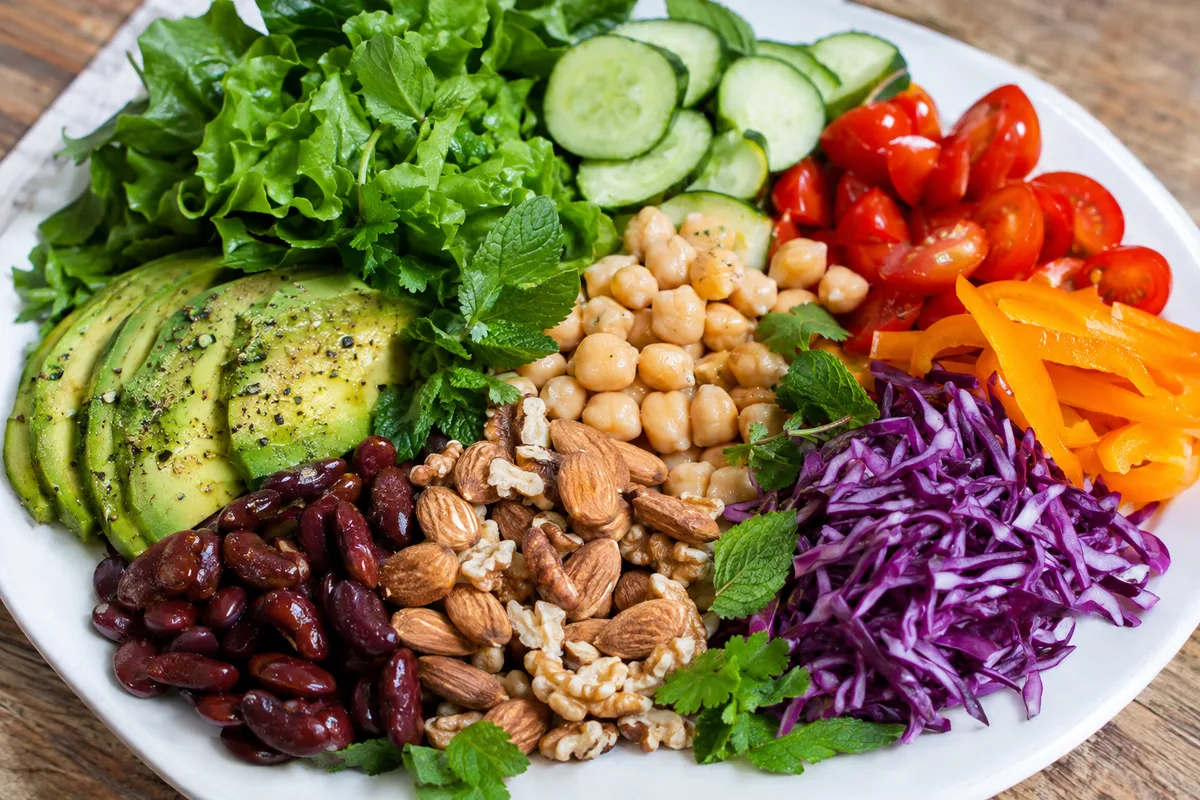
That does not make green tea a quick fix or a substitute for varied meals. The amount and mix of plant compounds depend on the leaves, storage and brewing method, so a precise figure cannot be assumed from the drink's name. It is more useful to see green tea as one possible part of an eating pattern rich in different plant foods.
- Fruit of different colours
- Vegetables and salad leaves
- Beans, peas and lentils
- Nuts and seeds
- Herbs, spices and other teas
Caffeine and alertness
Green tea naturally contains caffeine, although the amount depends on the tea and how it is prepared. Caffeine can make you feel more awake and may help with concentration for a while. The effect varies with your usual intake, sensitivity and the time of day.
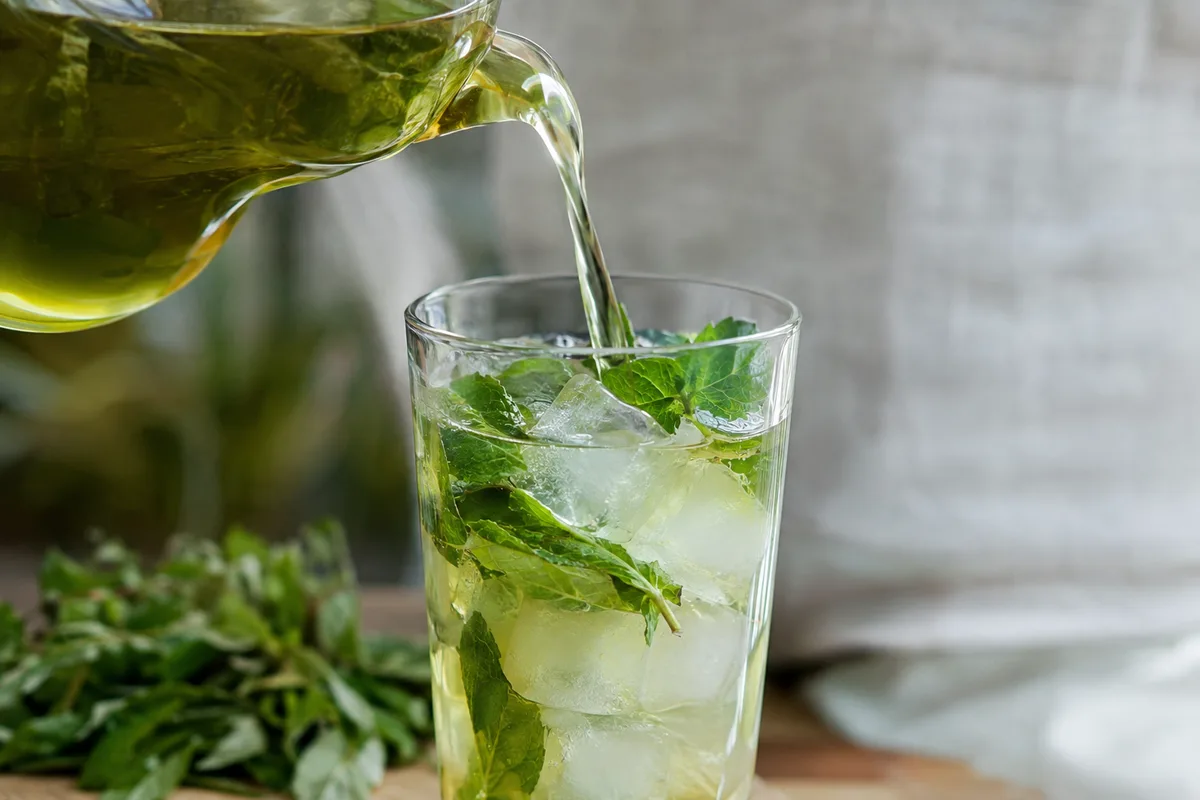
Using more leaves, hotter water or a longer brewing time can produce a stronger cup and may draw out more caffeine. Powdered green tea can also provide more of the leaf in the drink because the powder itself is consumed. Labels can help when caffeine information is provided, but figures still vary between servings.
- Choose a shorter brew if you prefer a lighter cup
- Try a lower-caffeine or decaffeinated version later in the day
- Notice whether afternoon or evening tea affects your sleep
- Count caffeine from coffee, cola and energy drinks as well as tea
A useful source of fluid
Brewed green tea contributes to your daily fluid intake. Although it contains caffeine, an ordinary cup still provides fluid overall. It can offer variety if plain water feels repetitive.
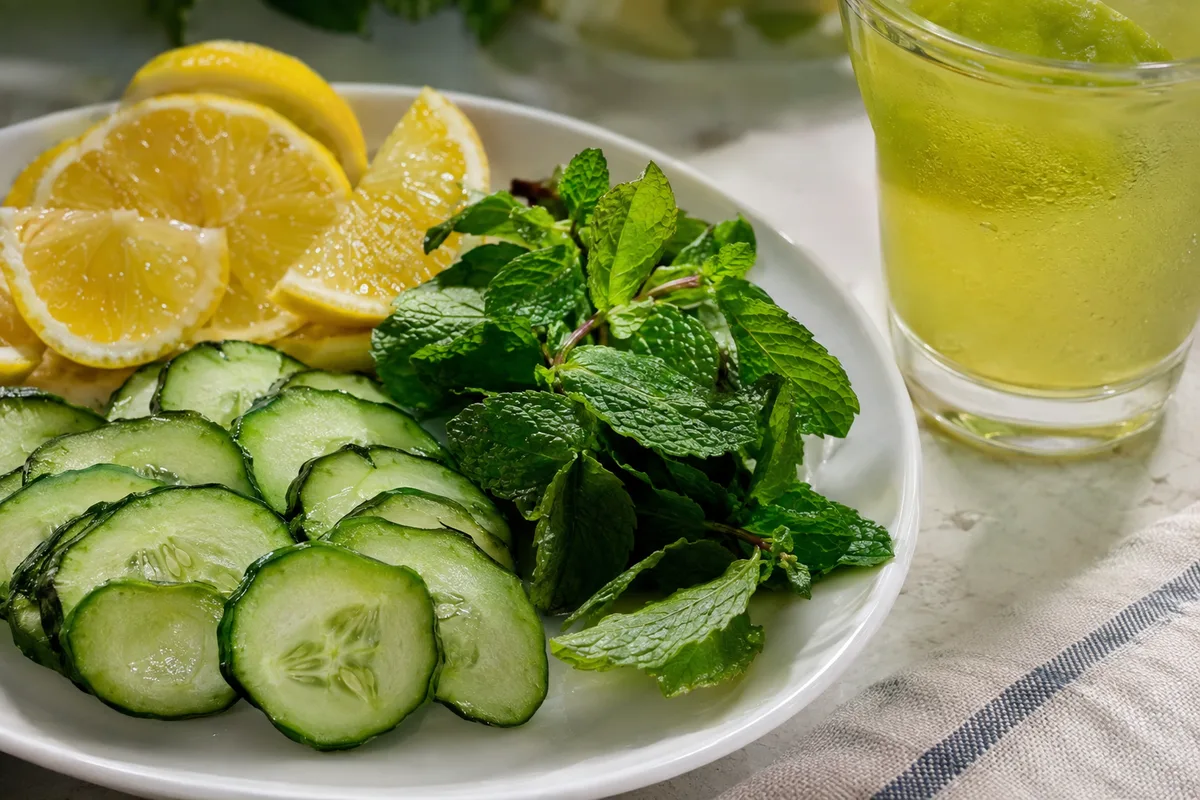
Temperature does not change its basic role as a drink, so it can be served hot or cooled. Cold green tea is different from bottled or café-style versions that may contain sweeteners, juice or syrup. Check the ingredients rather than assuming every drink labelled green tea is similar.
- Serve it hot with a slice of lemon
- Cool brewed tea and keep it chilled
- Add fresh mint or sliced cucumber for flavour
- Use sparkling water to dilute a strong chilled brew
What changes the entry in your food log
Plain green tea usually makes little difference to the energy in your daily total. Additions can change the entry, especially when sugar, honey, syrup, milk or juice is used. The amount depends on your own recipe, so log what goes into the cup rather than relying only on the words green tea.
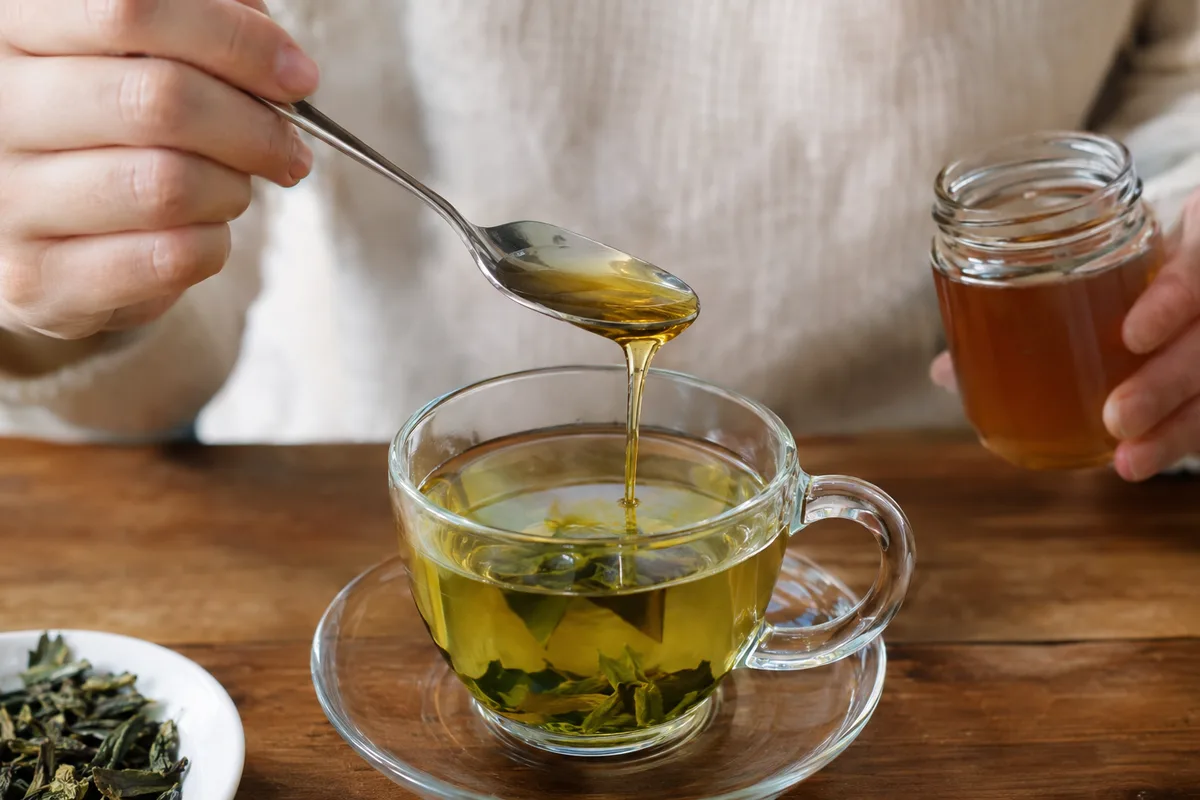
Ready-made drinks need separate attention because recipes differ. A product may be mostly brewed tea, or it may include sweetened juice and other ingredients. Use the serving size and nutrition label for the drink you actually had.
- Record teaspoons of sugar, honey or syrup
- Log milk or a plant-based drink separately
- Include juice added to chilled tea
- Check whether a bottled drink is sweetened
- Save your regular recipe if you make it the same way often
How to make green tea work for you
The most useful benefit is often simple: green tea can be a pleasant drink that fits your routine. You do not need to force yourself to drink it or use it to replace food. If you dislike a bitter cup, changing the brewing method may help more than adding lots of sweetness.
Try water that has cooled slightly after boiling and taste the tea after a short brew. Remove the leaves or bag when the flavour suits you, because leaving them in can increase bitterness. Your preferred strength and number of cups depend on your taste and caffeine sensitivity.
Look at green tea in the context of your whole food log. It can add fluid and variety, but it cannot make an otherwise narrow diet balanced. Regular meals, varied foods, rest and movement still matter more than any single drink.
- Start with a lighter brew and adjust gradually
- Pair the drink with a normal meal or snack
- Choose plain tea when you want to avoid added sweetness
- Switch to a caffeine-free drink when green tea feels too stimulating