
Hamstring Stretches for a Simple, Steady Routine
Hamstring stretches focus on the long muscles running down the backs of your thighs. A calm, consistent approach matters more than forcing a deeper position.
What a hamstring stretch should feel like
A hamstring stretch usually creates gentle tension along the back of the thigh, rather than a sharp or pinching feeling. Your range will depend on your mobility, recent activity and how your body feels that day.
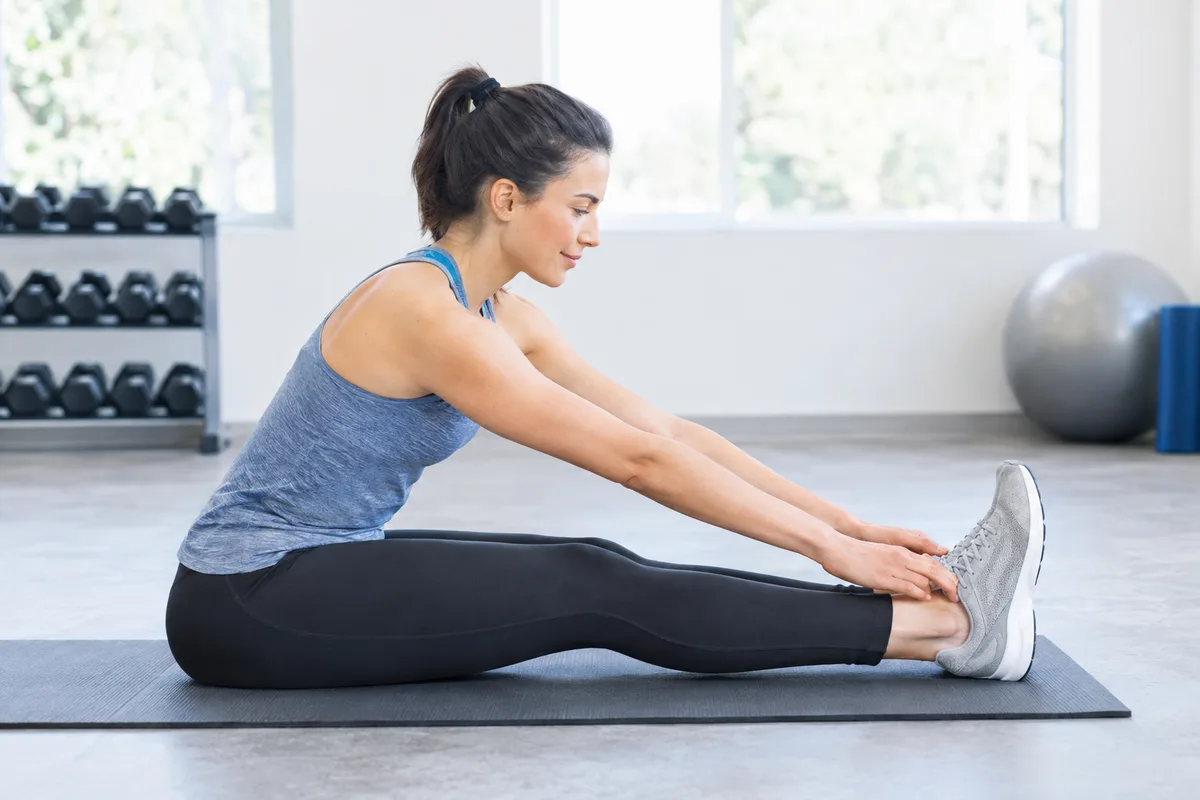
Move slowly until you notice a mild pull, then stay still and breathe normally. Ease out if the sensation becomes painful, causes tingling or makes you tense up elsewhere.
Try a standing hamstring stretch
Place one heel on a low, stable surface and keep that knee slightly bent. Point your toes upwards, keep your back long and lean forwards from the hips until you feel gentle tension behind the raised thigh.
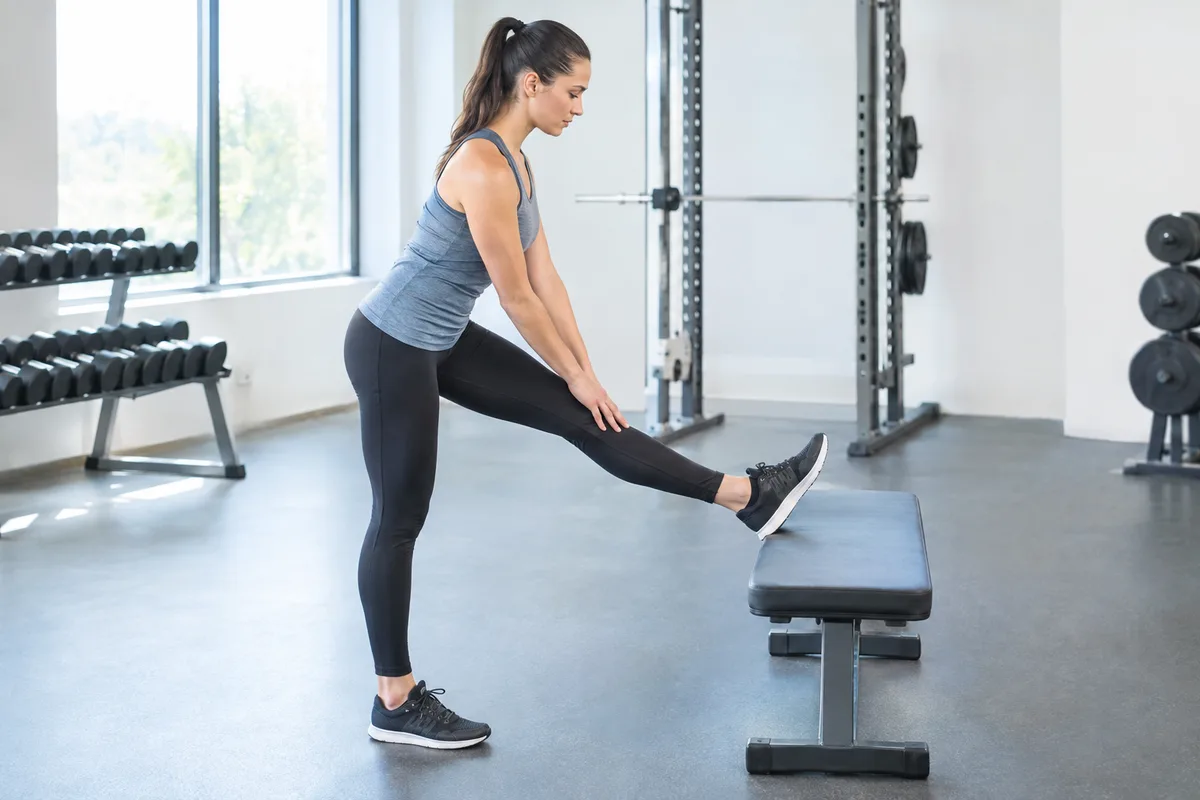
Avoid rounding your shoulders to reach further, as this can shift the movement away from the intended area. Repeat on the other side, allowing each leg to have its own comfortable range.
Use the floor for more support
Sit on a mat with one leg extended and the other leg comfortably bent. Face the extended leg, hinge forwards from your hips and rest your hands wherever they reach without strain.
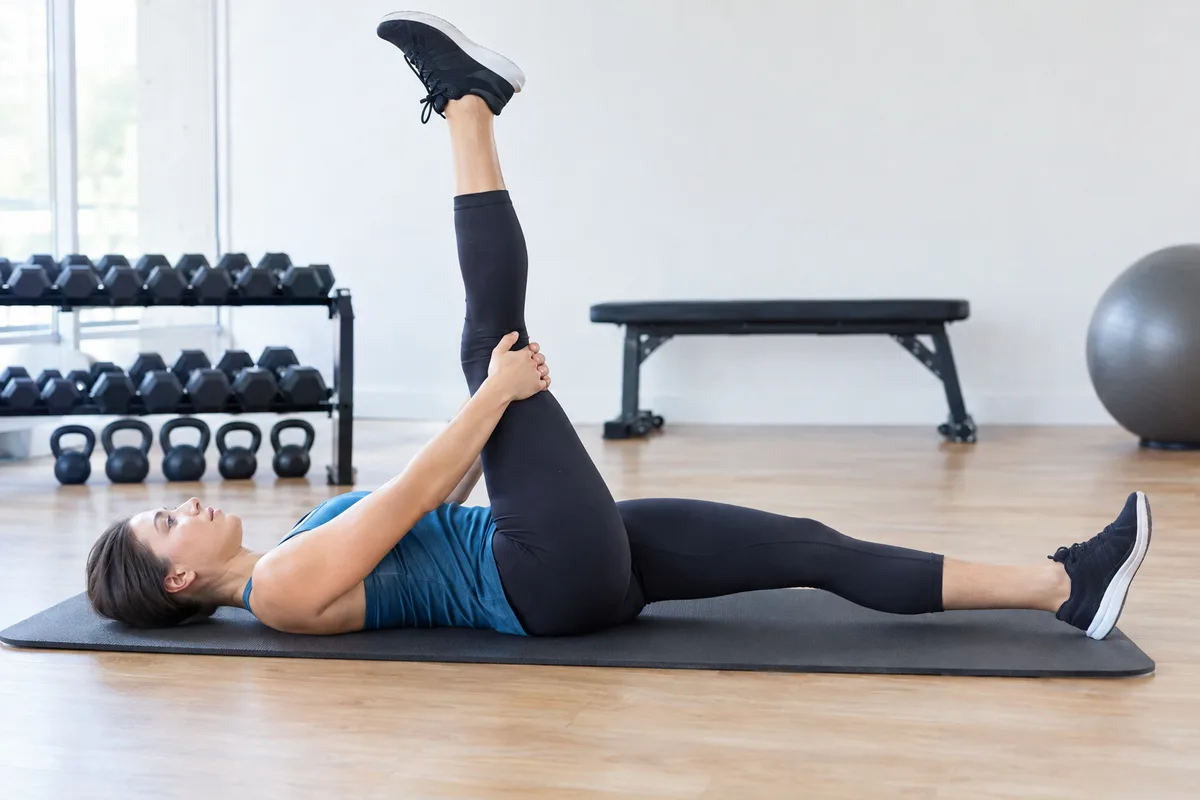
You do not need to touch your toes for the stretch to be useful. Keeping a small bend in the extended knee can make the position easier to control and may help you focus on the back of the thigh.
Build stretching into your routine
Stretch when your muscles feel warm, such as after a walk or training session. Hold each position for a comfortable period rather than bouncing, and use slow breaths to help you remain relaxed.
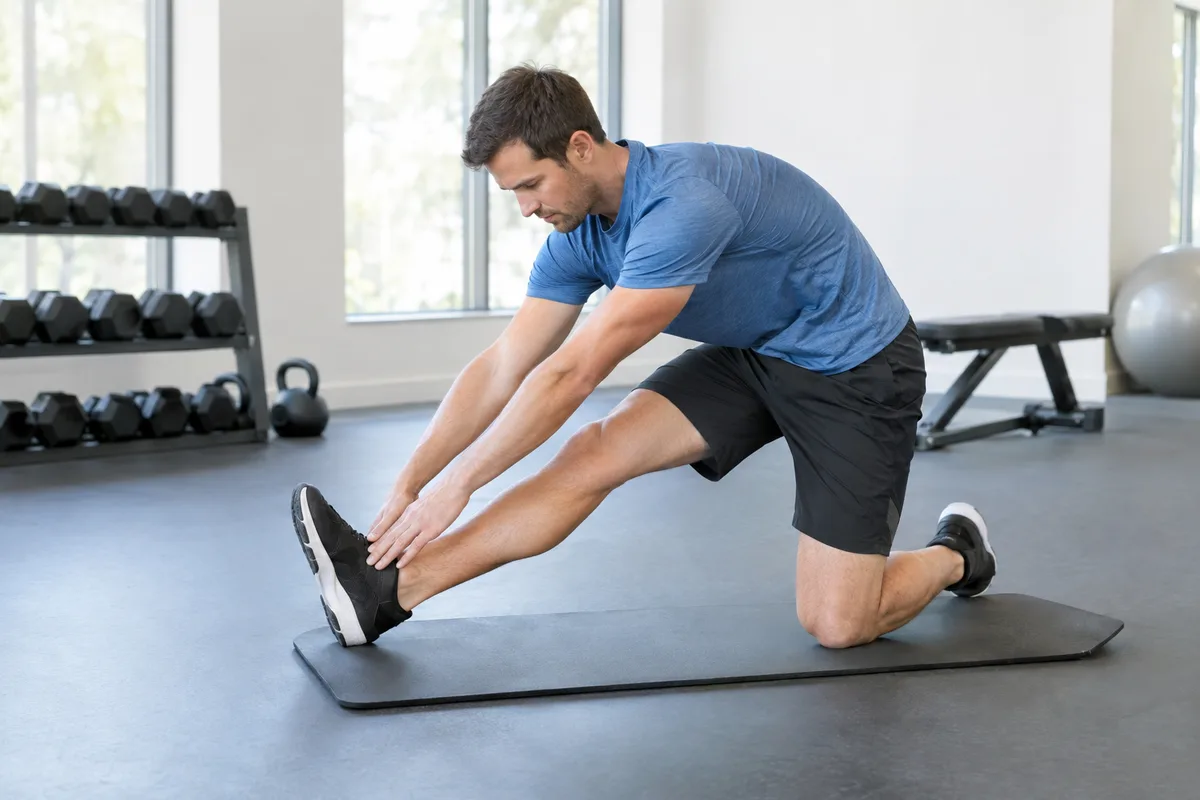
You can track stretching in the same practical way you track meals or activity: note the movement, the side and how it felt. Over time, these short notes can help you spot which stretches suit you and when they fit best into your programme.