
What Ginger Can Add to a Healthy Diet
Ginger is a strongly flavoured root used fresh, dried or ground. Its benefits are best viewed as one small part of a varied diet, rather than a quick fix.
Why ginger gets attention
Ginger contains natural plant compounds, including gingerols and shogaols. These compounds give it its distinctive heat and may support the body’s normal response to everyday physical stress.
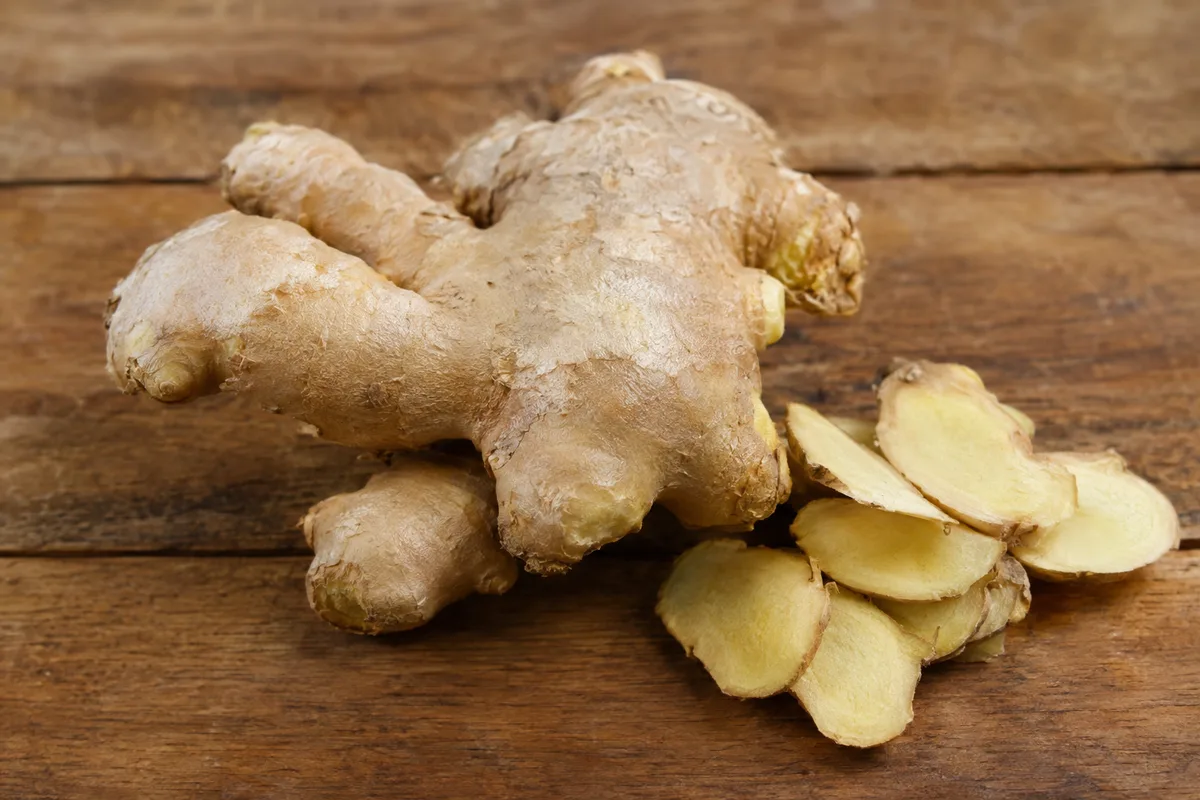
Research has explored ginger for several aspects of wellbeing, but its effects vary with the form, amount and person. Adding it to food can be useful, although it cannot make an otherwise unbalanced eating pattern healthy.
Digestion and a queasy stomach
Ginger may help food move through the stomach and can feel soothing when digestion seems sluggish. Some people also find it helpful when they feel queasy, though the amount that feels comfortable depends on the person.

More is not necessarily better, as large servings may cause heartburn or stomach discomfort. Start with a small culinary amount and notice how your body responds.
Flavour without relying on extras
Fresh or ground ginger adds warmth, aroma and depth to both sweet and savoury dishes. Strong flavour can make simple meals more satisfying without depending as heavily on salt, sugar or rich sauces.

If you track what you eat, log ginger according to the form and amount used. A small sprinkle contributes little energy, while recipes containing sweetened ginger or ginger-based sauces may include other ingredients that matter more to the total.
Making ginger part of your routine
Try grated ginger in soups, stir-fries or porridge, or mix ground ginger into marinades and baking. Fresh and dried ginger taste different, so they are not always interchangeable in equal amounts.

Treat ginger as a supporting ingredient rather than a shortcut to better health. Consistent habits such as varied meals, enough fibre, regular movement and suitable rest have a much larger role in overall wellbeing.