
Foods That Fit Both Low-Carb and Low-Fat Eating
Low-carb and low-fat eating can overlap, although the choice is narrower than either approach on its own. This guide explains which foods tend to fit, how preparation changes the numbers and what to check in your food log.
What low carb and low fat means in practice
Carbohydrate and fat are found in many nutritious foods, so eating less of both does not mean avoiding them completely. The aim is usually to choose foods that provide plenty of protein, fibre, vitamins or minerals without adding large amounts of either nutrient. Your own targets determine what counts as low enough.
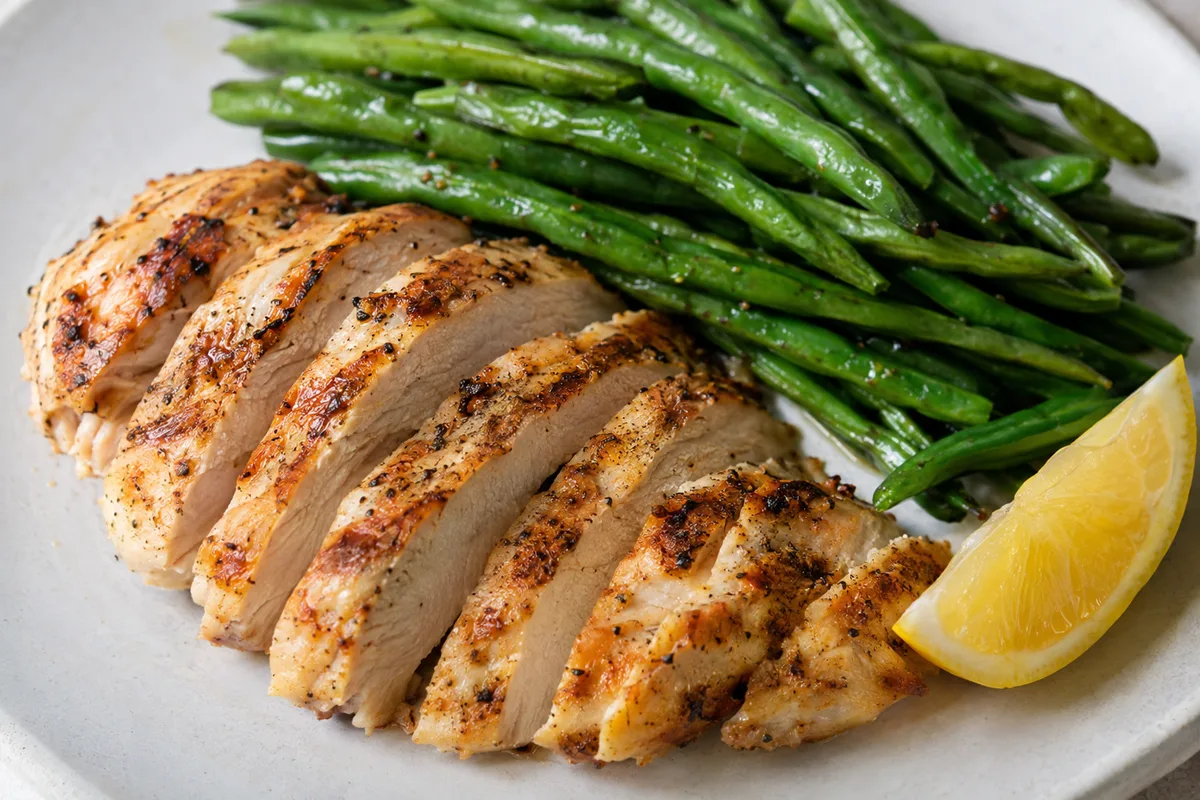
A food may be low in fat but rich in carbohydrate, as with many grains and sweetened foods. Another food may contain very little carbohydrate but plenty of fat, as with oils, butter and some cuts of meat. Foods that fit both aims are often lean proteins, non-starchy vegetables and selected low-fat dairy foods.
Check the amount you actually eat rather than judging a food by its name. Use the same reliable nutrition source each time where possible, and include sauces, dressings and cooking fats in your log. Packaged versions can differ, so read the label rather than assuming similar products have the same values.
Start with lean sources of protein
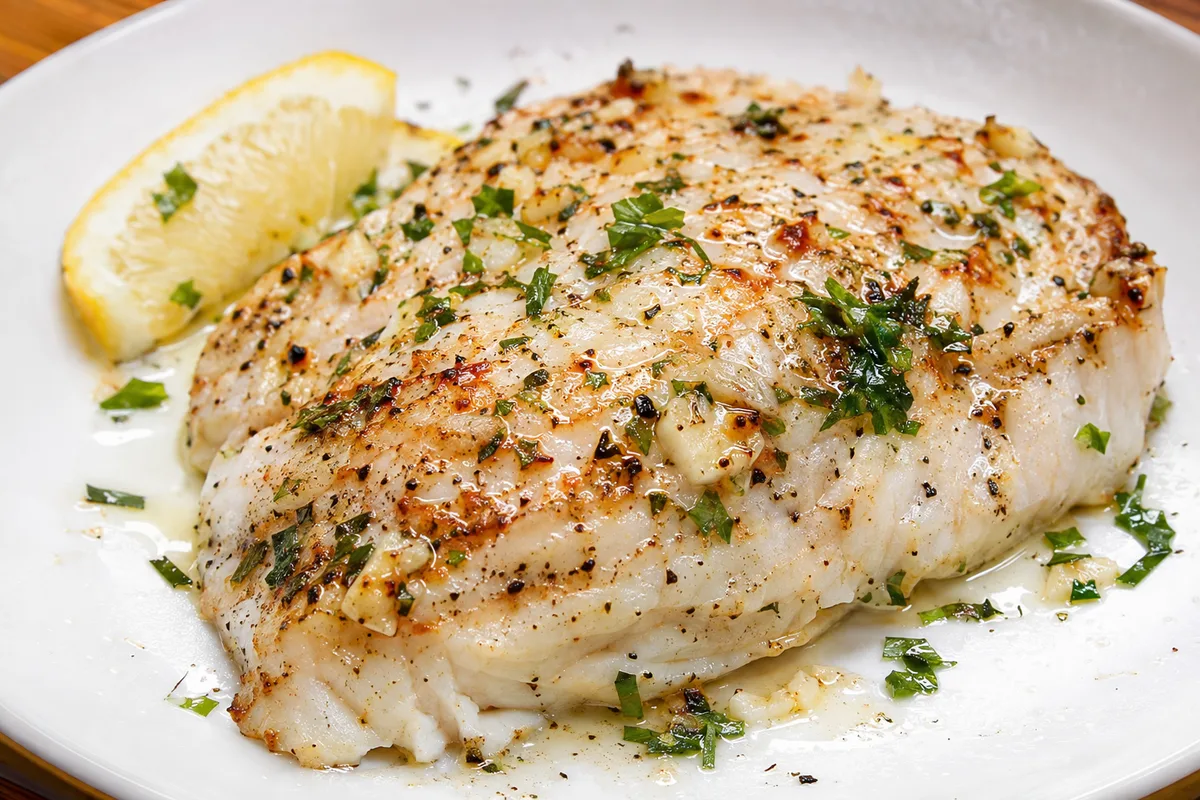
Lean protein foods are useful because many contain little carbohydrate and less fat than richer cuts or versions. White fish, shellfish, skinless poultry and egg whites are common examples. Preparation matters because breadcrumbs, batter, creamy sauces and cooking oil can change the overall balance.
Choose plain versions when you want the easiest entry to track. Trimming visible fat and removing poultry skin can also reduce the fat recorded for the meal. Plant proteins can still fit, but beans, lentils and many meat alternatives usually contribute more carbohydrate, fat or both, so check them against your targets.
- Skinless chicken or turkey breast
- Plain white fish such as cod, haddock or pollock
- Prawns, crab or other unbreaded shellfish
- Egg whites or a mixture of whole egg and egg white
- Very lean cuts of meat with visible fat removed
Fill out meals with non-starchy vegetables
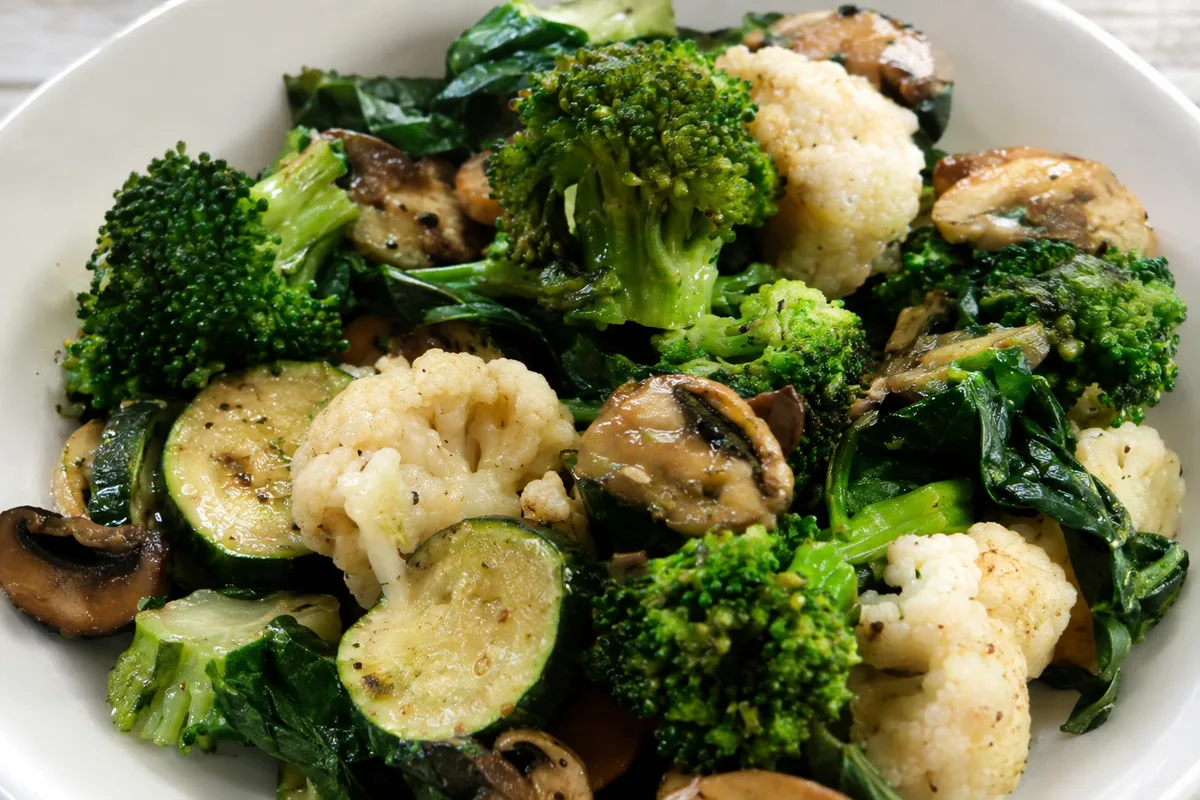
Many non-starchy vegetables are naturally low in both fat and carbohydrate. They also bring fibre, colour and different textures to a meal. Their carbohydrate content is not zero, so record the portion if you track closely.
Leafy vegetables, mushrooms, courgettes and similar choices can add volume without relying on bread, rice or a rich sauce. Roasting and frying may add substantial fat when plenty of oil is used. Steaming, grilling, poaching or cooking in a non-stick pan makes the added ingredients easier to control.
- Spinach, lettuce, rocket and other leafy vegetables
- Broccoli, cauliflower, cabbage and green beans
- Courgette, aubergine and mushrooms
- Cucumber, celery and radishes
- Peppers, tomatoes and asparagus
Use fruit and dairy with your targets in mind
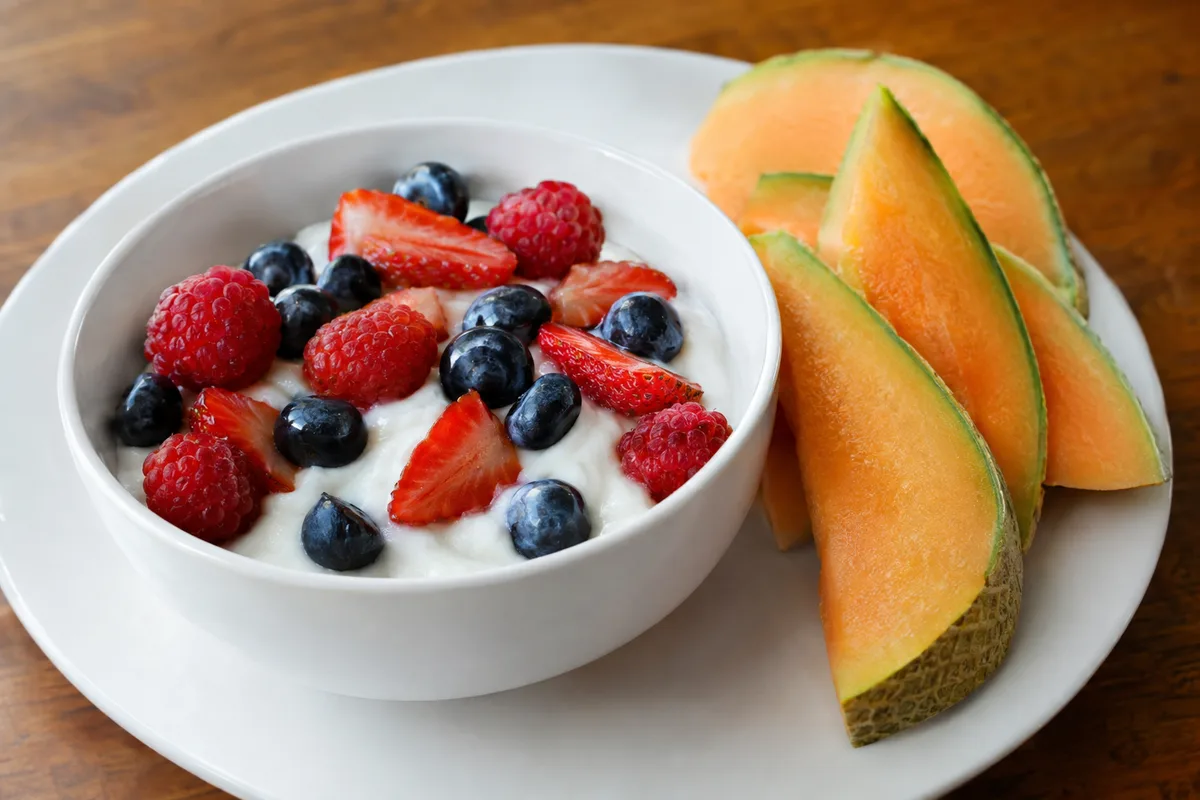
Fruit and dairy foods need a little more attention because their natural sugars count as carbohydrate. Lower-fat yoghurt, milk and cottage cheese may be modest in fat but are not carbohydrate-free. Plain products are usually simpler to track than flavoured versions with added sugar.
Fruit can still be included when its carbohydrate fits the rest of the day. Berries and melon are often easier to use in a modest portion than dried fruit or fruit juice, but the exact figures depend on the type and amount. Record the portion you eat rather than treating all fruit as interchangeable.
Dairy alternatives vary widely in carbohydrate, fat and protein. A description such as plant-based or light does not tell you the full nutritional picture. Compare labels and choose an unsweetened version that matches the role you need it to play.
- Plain lower-fat yoghurt with no added sweetener
- Lower-fat cottage cheese
- Lower-fat milk if it fits your carbohydrate target
- Berries or melon in a tracked portion
- Unsweetened dairy alternatives checked against the label
Add flavour without turning it into a different meal
A lean meal can become high in fat through oil, mayonnaise, cheese or a creamy dressing. It can also gain carbohydrate through sugary marinades, glazes and thick sauces. Log these additions separately so they do not disappear from your record.
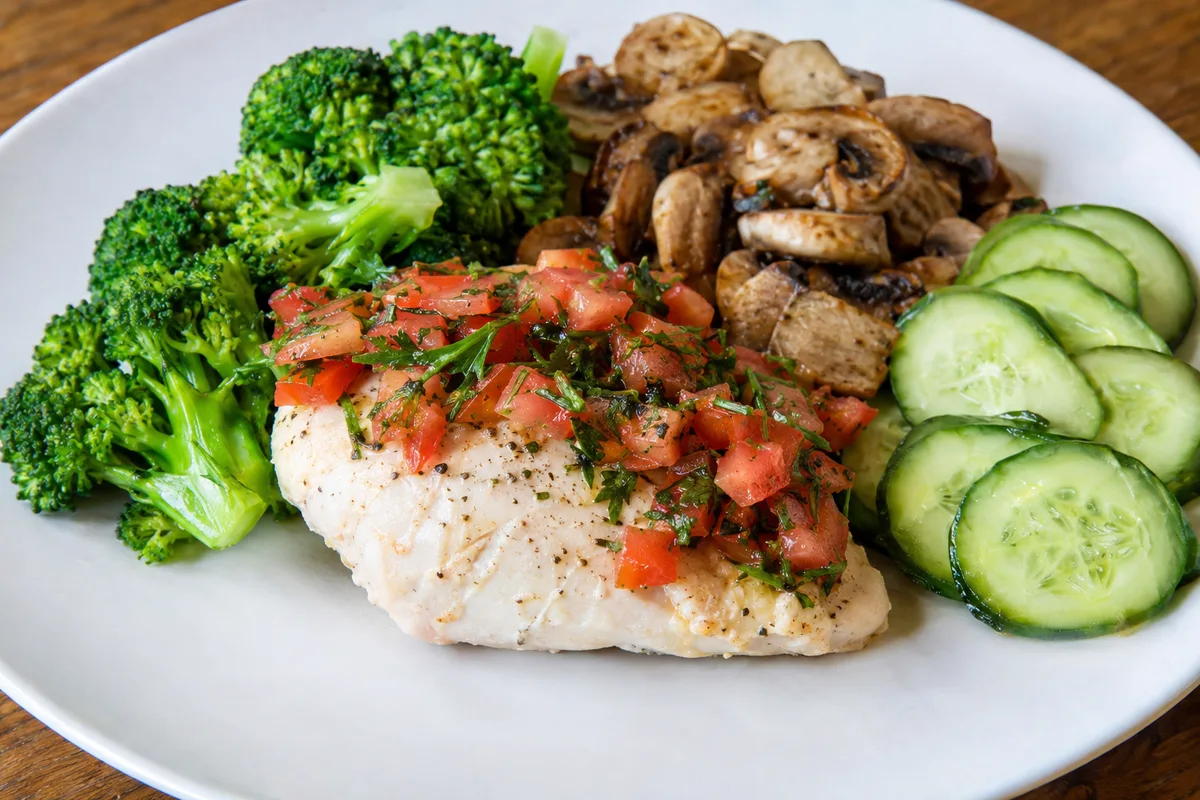
Acid, herbs, spices and fresh aromatics can create flavour with little fat or carbohydrate. Lemon juice, vinegar, garlic, chilli and mustard can be combined in different ways, although prepared condiments should still be checked for added sugar or oil. Salt can season food, but it is not a substitute for varied flavours and textures.
Cooking method affects texture as much as taste. Grilling can brown fish or poultry, while steaming keeps vegetables tender and poaching helps lean proteins stay moist. If you use oil, measuring and logging the amount gives a clearer picture than estimating after cooking.
- Lemon or lime juice with chopped herbs
- Vinegar, mustard and black pepper
- Garlic, ginger, chilli or spring onion
- Paprika, cumin, curry powder or dried herbs
- Chopped tomatoes or cucumber as a fresh topping
Build a balanced plate and review the log
Begin with a lean protein and add several non-starchy vegetables. Then decide whether fruit, dairy, pulses or another carbohydrate source fits your target for that meal. A small amount of fat may also fit, but it should be included in the log rather than treated as negligible.
Look at the whole day instead of forcing every food to be extremely low in both nutrients. A meal that is slightly higher in carbohydrate or fat may still fit your overall plan. Your preferred portions, activity and personal targets all affect the balance.
Your food record can show whether meals are varied or repeatedly built from the same few ingredients. Rotate proteins and vegetables, and pay attention to fibre as well as carbohydrate and fat totals. If the approach feels too restrictive or leaves little room for a varied diet, adjust the targets with guidance from a suitably qualified nutrition professional.
- Choose a plain lean protein
- Add a mixture of non-starchy vegetables
- Select any extra carbohydrate or fat deliberately
- Record sauces, drinks and cooking ingredients
- Review the complete day rather than one item alone