
Healthy Midnight Snacks That Satisfy Without Feeling Heavy
Late-night hunger can be handled with a simple snack rather than ignored or turned into a second dinner. This guide explains what to choose, how much to serve and how to record it accurately.
First, work out what you need
Before making a snack, pause and consider whether you feel physically hungry. Hunger may feel like an empty stomach, reduced concentration or a steady desire to eat almost anything. A passing craving is more likely to focus on one particular taste or food.
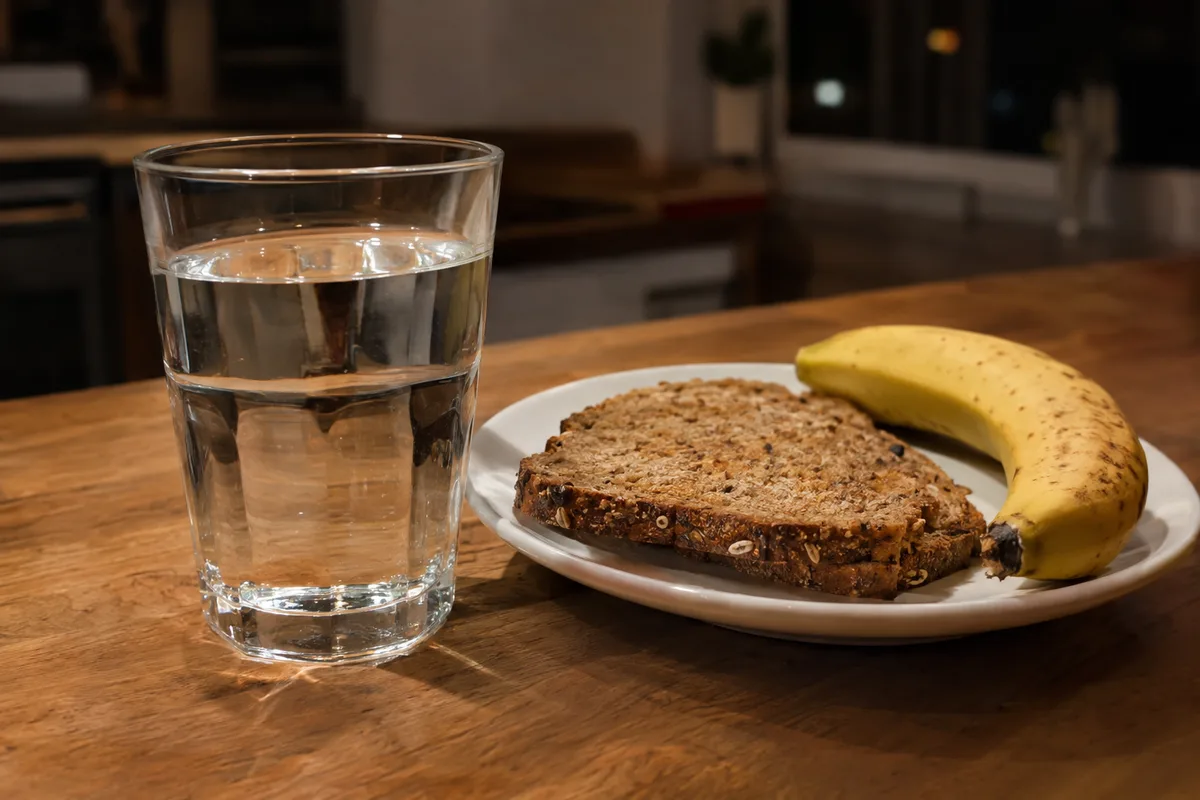
Think about what and when you last ate, as a light or early evening meal can leave you hungry later. Thirst, tiredness, boredom and habit can also prompt a trip to the kitchen. If you are unsure, have some water and wait briefly before deciding.
There is no correct time after which eating becomes unhealthy. What matters is your overall intake, the reason for eating and how the snack affects your comfort and sleep. If you track your food, include midnight snacks as part of the day that makes the most sense for your routine and use the same approach consistently.
Build a small but satisfying snack
A useful midnight snack combines protein or fibre with a source of carbohydrate. Protein and fibre can make a snack more satisfying, while carbohydrate provides readily available energy. A little fat can add flavour and staying power, though a rich portion may feel heavy close to bed.
You do not need every food group in one snack. Start with one simple pairing and eat slowly enough to notice when your hunger settles. The right amount depends on your appetite, earlier meals and usual energy needs.
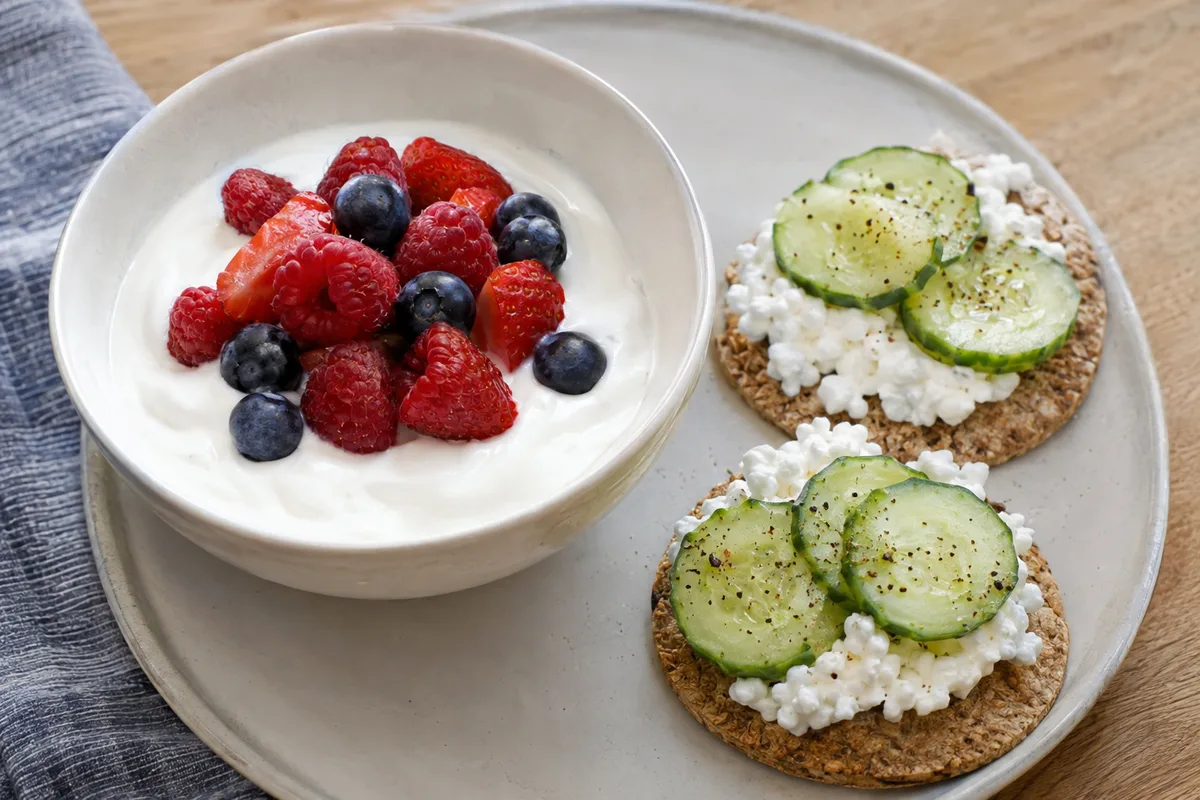
- Plain yoghurt with berries
- Wholegrain toast with peanut butter
- Oatcakes with cottage cheese and sliced cucumber
- A banana with a small handful of nuts
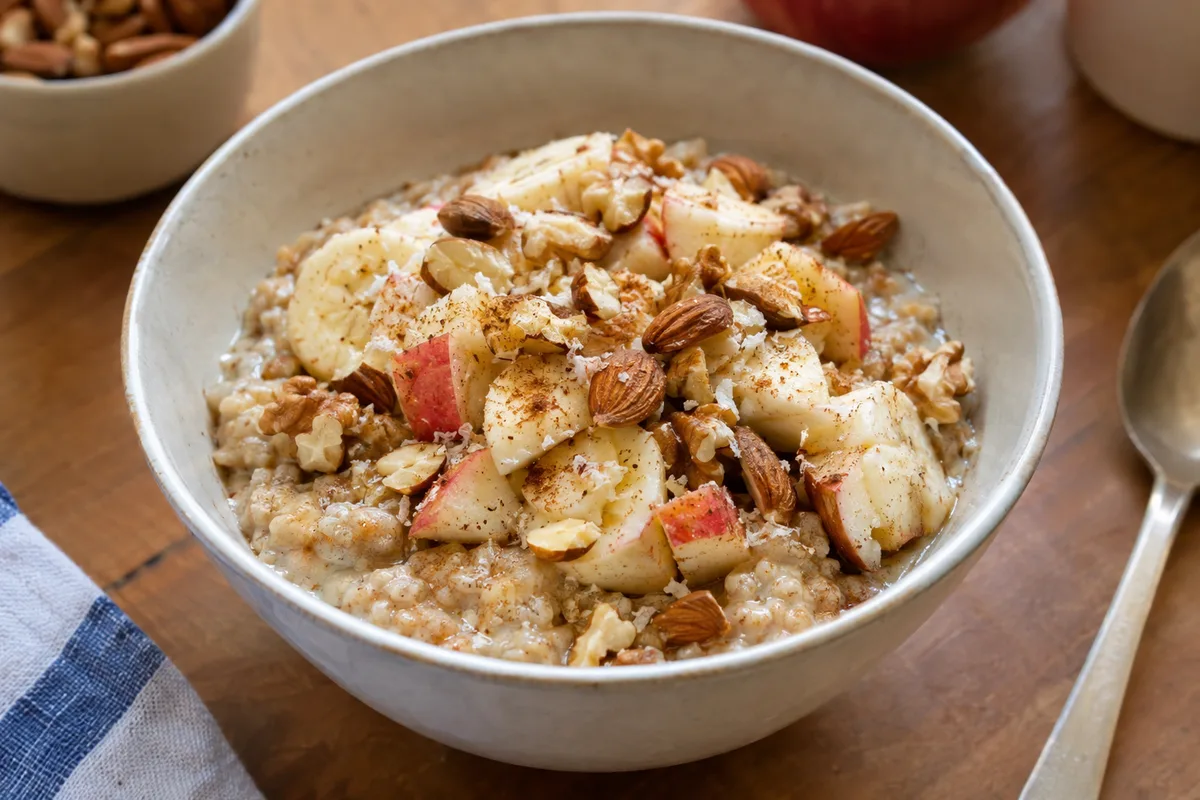
- Porridge made with milk and topped with chopped fruit
Choose foods that feel comfortable before sleep
Midnight is usually a good time for familiar foods that are easy for you to eat. Very large, greasy or strongly spiced snacks may feel uncomfortable when you lie down soon afterwards. Your own experience matters, so notice which choices leave you feeling settled.
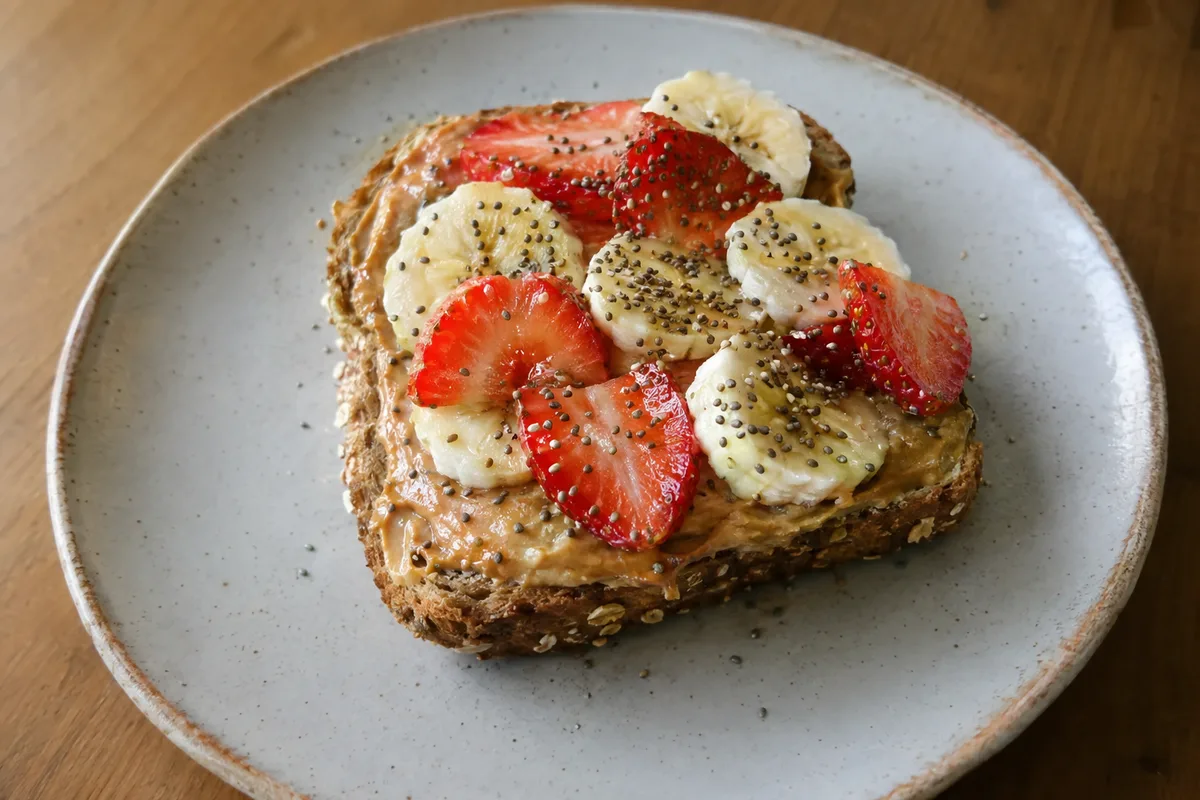
Sweet foods are not automatically a poor choice, but they may be less satisfying when eaten alone. Pair fruit with yoghurt, or spread nut butter on toast, to add protein or fat. If you want something savoury, try a modest portion rather than assembling another full meal.
Drinks also count towards your intake and can affect how you feel at bedtime. Water or a caffeine-free drink may suit a quiet end to the day. Be cautious with drinks containing caffeine if you already know they make it harder for you to settle.
- Keep the portion smaller than a main meal
- Choose mild flavours if rich foods feel uncomfortable
- Combine a sweet food with protein or fibre
- Limit caffeine when it interferes with your sleep
Quick snacks from ordinary ingredients
A midnight snack should not require much cooking or washing up. Keeping a few flexible ingredients available makes it easier to prepare something balanced rather than grazing from several packets. Pick one option, put it in a bowl or on a plate and return the rest to the cupboard or fridge.
Use what you already enjoy and tolerate well. Fresh, frozen and tinned foods can all work, provided you account for added syrups, oils or sauces when logging them. Check the label when the exact ingredients or serving information matters to your record.
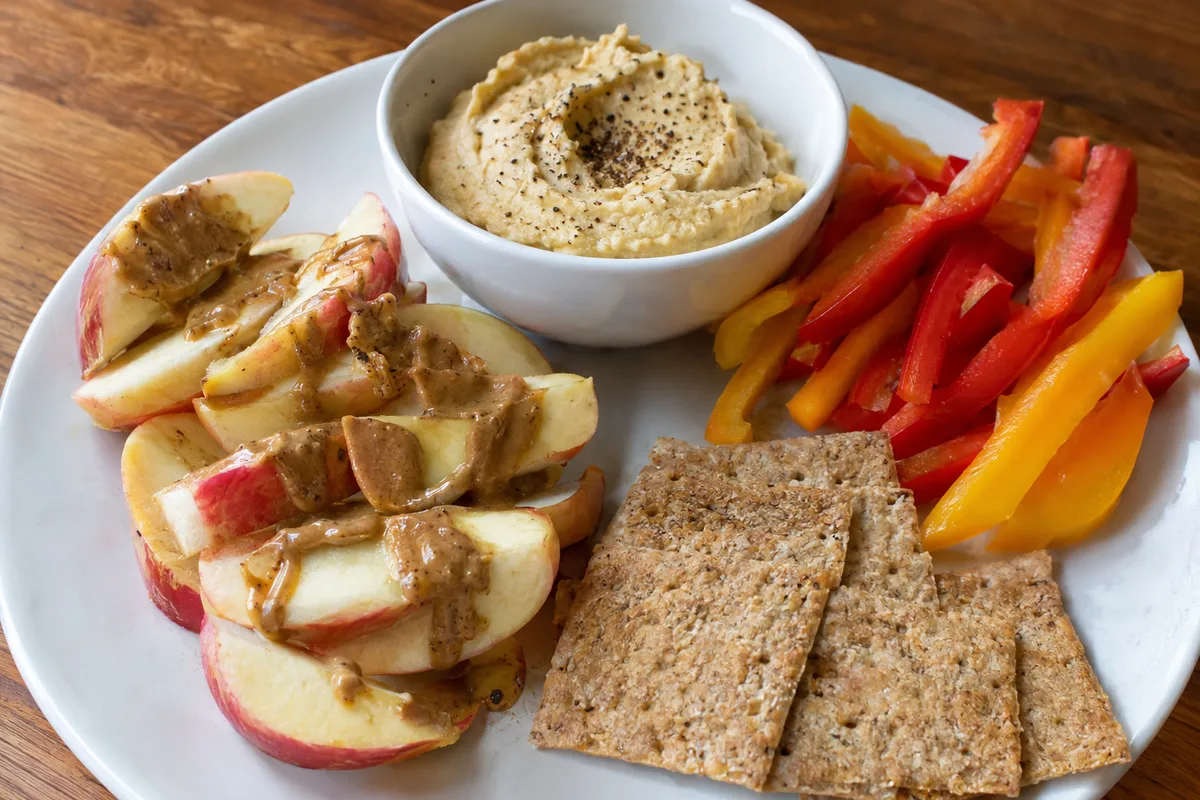
- Apple slices with peanut or almond butter
- Plain yoghurt with thawed frozen fruit
- Wholegrain crackers with cheese and tomato
- A boiled egg with a slice of toast
- Hummus with pepper strips and pitta
Serve it before you start eating
Eating straight from a bag, box or jar makes the amount harder to judge and record. Serve the snack first, then put the package away. This gives you a clear starting portion without turning the process into a rigid rule.
If you remain hungry after finishing, pause and reassess before having more. You can add another small serving or choose something more substantial if your hunger is genuine. The aim is to respond to appetite, not to force yourself to stop at an arbitrary number.
Packaging portions are not instructions for how much you must eat. Use label information to help with tracking, while adjusting the amount to your needs. For homemade foods, record the ingredients and divide the total according to the portion you actually served.
- Choose the food before opening several packages
- Place one portion in a bowl or on a plate
- Log spreads, oils, toppings and drinks as well as the main food
- Add more only after checking whether you are still hungry
Look for patterns in your food log
An occasional midnight snack needs no special strategy. If it happens regularly, your log can show whether dinner is too early, too small or missing foods that usually satisfy you. Look at the pattern across several days rather than judging one night.
You might find that adding protein, wholegrain carbohydrate, vegetables or a little fat to dinner helps you stay comfortable for longer. On days with more activity or a disrupted routine, later hunger may simply reflect greater needs. The useful response depends on what your record shows.
Track the snack honestly and without labelling it as good or bad. Note hunger, timing and sleep comfort if those details help you understand the pattern. A consistent record gives you better information for planning tomorrow's meals.
- Check the timing and contents of dinner
- Notice whether activity changed that day
- Record how hungry you felt before eating
- Note whether the snack felt satisfying and comfortable