
How to Build a Healthier CAVA Meal
CAVA’s build-your-own format lets you adjust the base, protein, vegetables and sauces to suit your aims. This guide explains how to make a satisfying choice and log it accurately without labelling foods as good or bad.
Start with what healthy means for you
A healthy CAVA order is not one fixed bowl. It depends on your appetite, activity, preferences and what else you plan to eat that day. As you already track your food, look for an order that fits your wider pattern rather than chasing the lowest possible total.
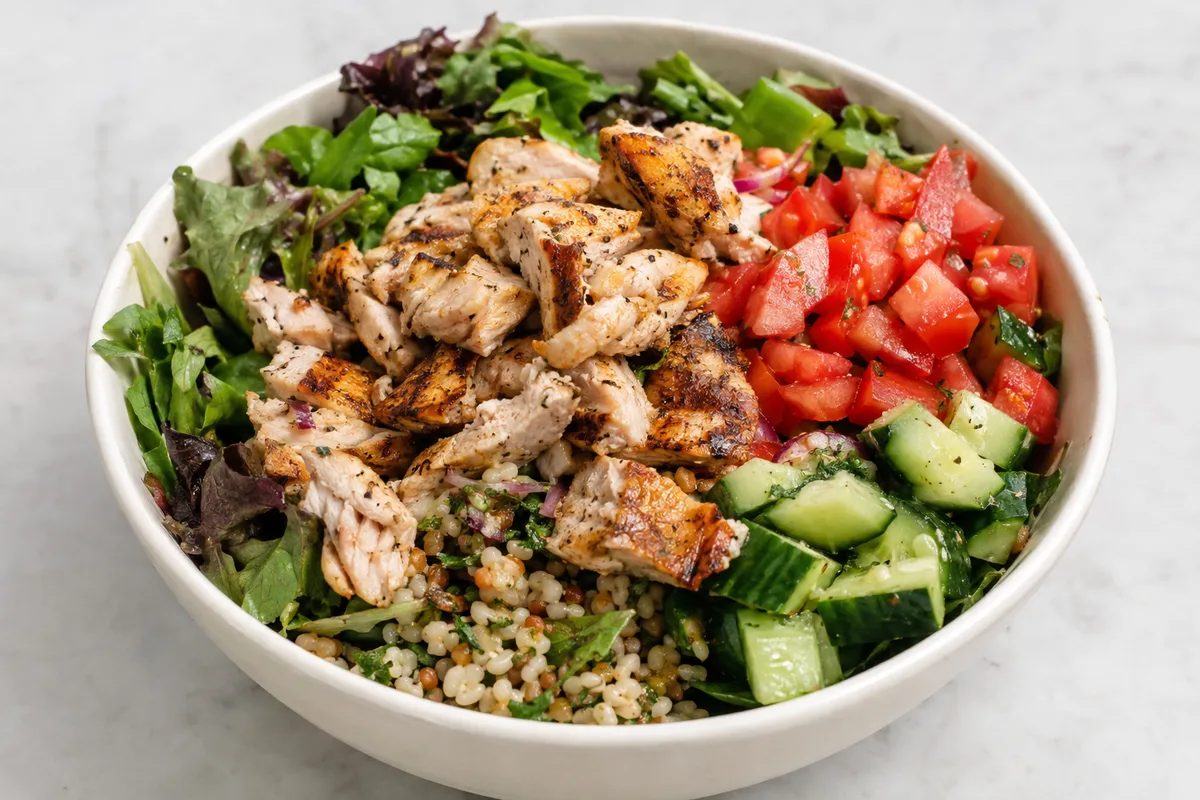
A useful starting point is a mix of vegetables, a source of protein, some carbohydrate and enough fat for flavour and satisfaction. CAVA offers these parts separately, so you can decide where you want more or less. The exact nutrition will depend on your chosen ingredients and serving sizes.
- Choose a bowl when you want plenty of vegetables and visible portions
- Choose a pita when bread is the carbohydrate you most want
- Include a clear protein source rather than relying only on small toppings
- Keep your favourite dip or dressing, but choose the amount deliberately
Choose a base that suits the meal
The base sets the size and character of the order. Greens add volume, crunch and fibre, while grains provide a more substantial source of carbohydrate. A greens-and-grains mix can offer some of each without making either one the whole base.
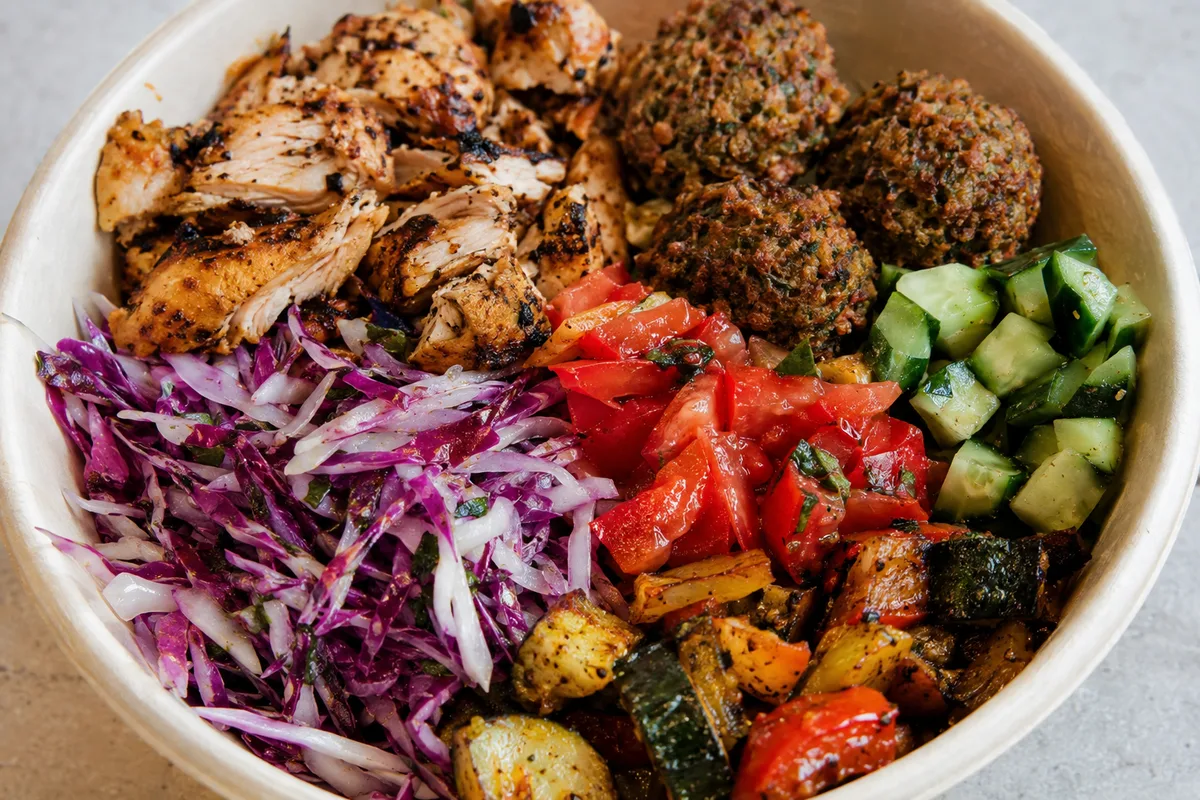
There is no need to avoid grains simply because you are tracking calories. They may be especially useful when the meal needs to support an active day or replace a larger meal. If you want a lighter base, start with greens and add a smaller grain portion if that option is available.
- Greens for a vegetable-led bowl
- Grains for a more filling carbohydrate base
- Greens and grains for a balanced mixture
- Pita for a handheld meal with bread as the main carbohydrate
Build around protein and vegetables
Choose one main protein that you genuinely enjoy, whether that is chicken, lamb, falafel or another current menu option. Protein can make the meal feel more complete and may help it stay satisfying. Preparation and portion size affect the nutrition, so use CAVA’s current information when logging it.
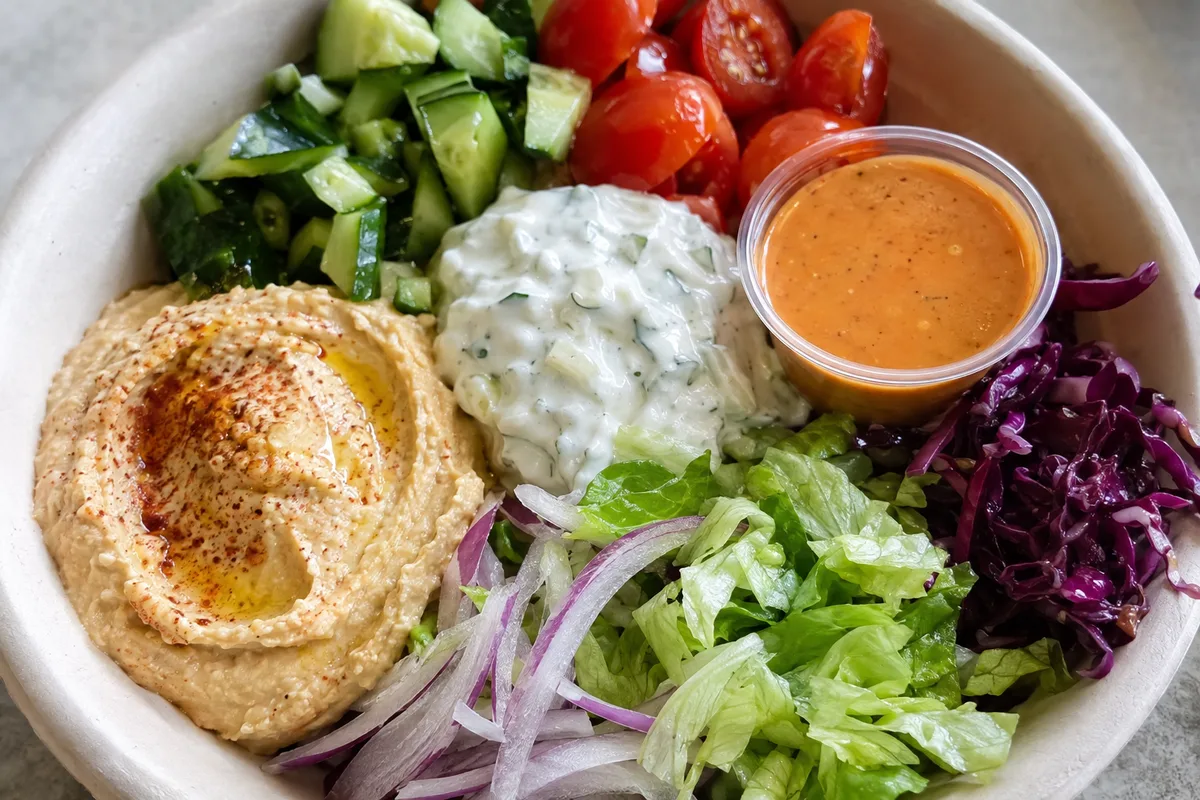
Next, add vegetables for colour, texture and variety. Fresh and pickled toppings can make a simple bowl more interesting without needing several rich sauces. Pickled ingredients may contribute more salt, so balance them with fresh vegetables if that matters to your daily target.
- Add leafy vegetables or cabbage for crunch
- Use tomato and cucumber for freshness
- Choose roasted vegetables for a softer, richer texture
- Add pickled vegetables for sharpness in a measured portion
Be deliberate with dips and dressings
Dips and dressings are often where estimates become less reliable. They can add plenty of flavour, but several full portions may change the meal’s energy and fat content considerably. This does not make them unhealthy; it simply makes the amount worth tracking.
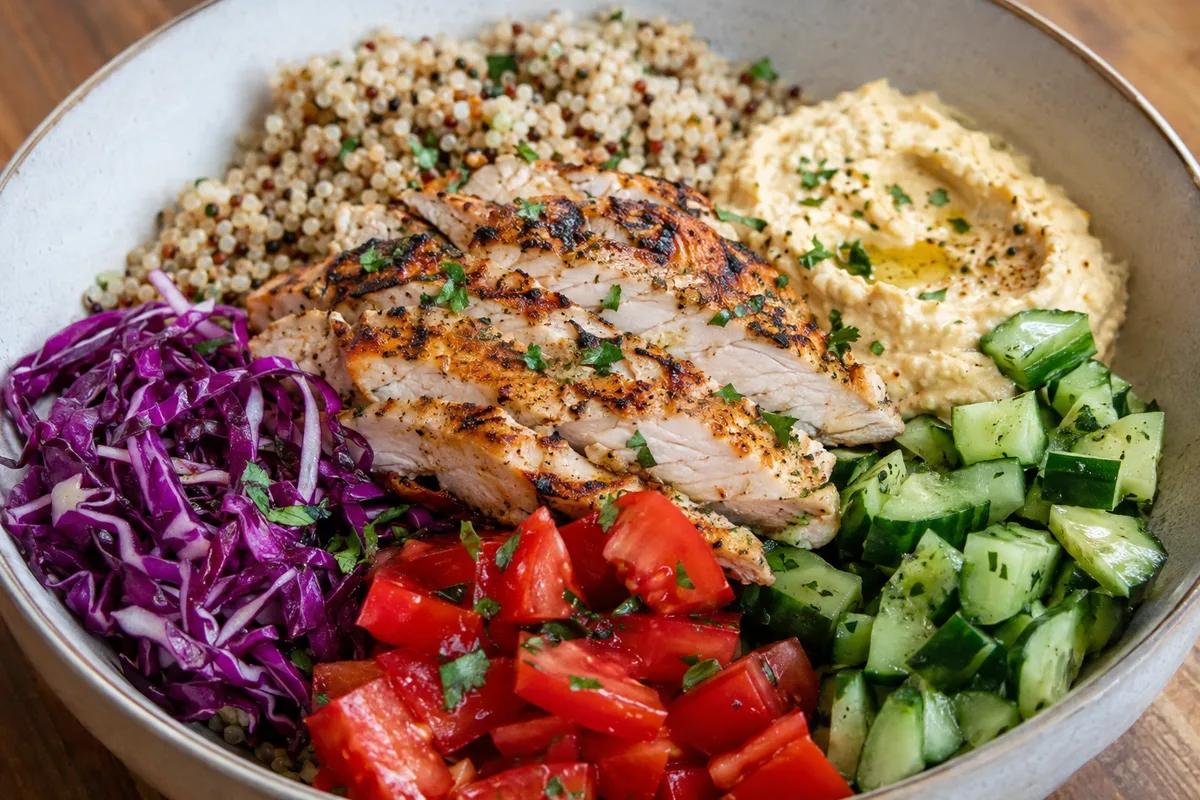
Choose the flavours that matter most instead of adding every sauce automatically. You might select one creamy dip and one sharper dressing, or ask for dressing on the side so you control how much you use. If you use only part of a serving, log the portion you actually ate rather than the full amount.
- Use hummus as both flavour and texture
- Choose tzatziki when you want a cool, creamy element
- Use a spicy sauce to add intensity without combining many dressings
- Ask for dressing on the side when you want easier portion control
- Skip sauces you do not particularly enjoy
Practical combinations to try
A balanced order does not need to be complicated. Start with a base, choose one main protein, add several vegetables and finish with one or two strong flavours. These combinations are templates rather than fixed nutrition plans, as ingredients and serving sizes can vary.
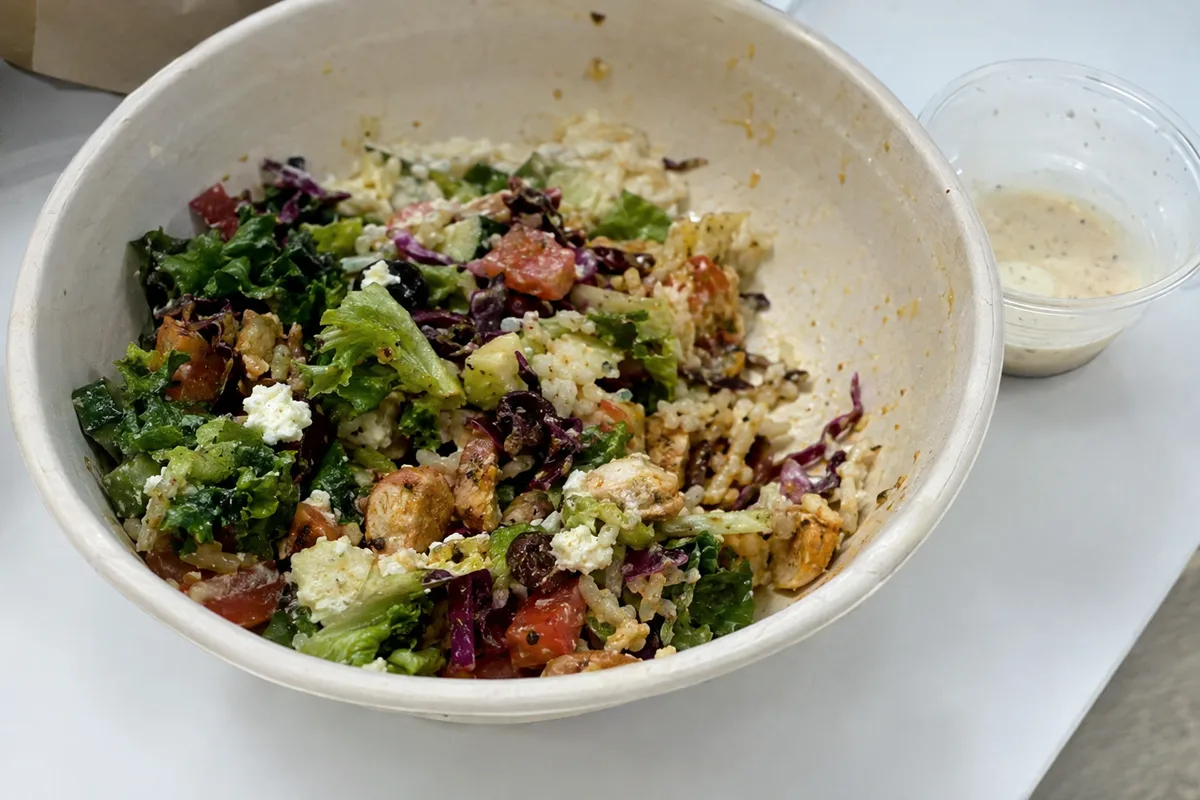
Adjust the portions to match your day and appetite. If you have more room in your food plan, add grains, pita or an extra dip that you enjoy. If you want a lighter meal, emphasise greens and fresh vegetables while keeping enough protein and dressing to make the order satisfying.
- Greens and grains, grilled chicken, tomato and cucumber, cabbage, hummus and a lemony dressing
- Greens, falafel, roasted vegetables, fresh salad, pickled onions and tzatziki
- Grains, lamb, tomato and cucumber, leafy vegetables and a spicy dressing
- Pita, chicken, hummus, fresh vegetables, pickles and a measured sauce
Log your CAVA order more accurately
Custom meals are easy to underestimate because each scoop looks small on its own. Build the entry ingredient by ingredient rather than selecting a generic restaurant bowl. Use the current nutrition information for your location where possible, as recipes and menu choices can change.
Check whether the listed nutrition covers one serving, one scoop or the whole chosen item. Include grains, protein, dips, dressings, pita and drinks, as well as toppings that make a meaningful contribution. If you leave food behind or use only some dressing, adjust the entry to reflect what you consumed.
Accuracy is useful, but false precision is not. Restaurant portions can vary slightly, so a careful estimate is often the most realistic option. Consistent logging over time matters more than trying to reconstruct every small crumb.
- Save frequently ordered ingredients as a reusable meal
- Enter sauces and dips separately
- Check whether extras create another serving in the nutrition tool
- Update the entry when you eat only part of the order