
How to Build Meals High in Carbohydrate and Protein
High-carbohydrate, high-protein meals combine a useful source of energy with foods that support growth and repair. This guide explains how to build, vary and log them without overlooking fats, sauces or portion sizes.
What makes a meal high in carbohydrate and protein
A meal can contain plenty of both carbohydrate and protein without one replacing the other. Foods such as rice, pasta, bread, potatoes and oats usually provide most of the carbohydrate. Meat, fish, eggs, dairy foods, beans, lentils, tofu and similar foods can make a substantial protein contribution.
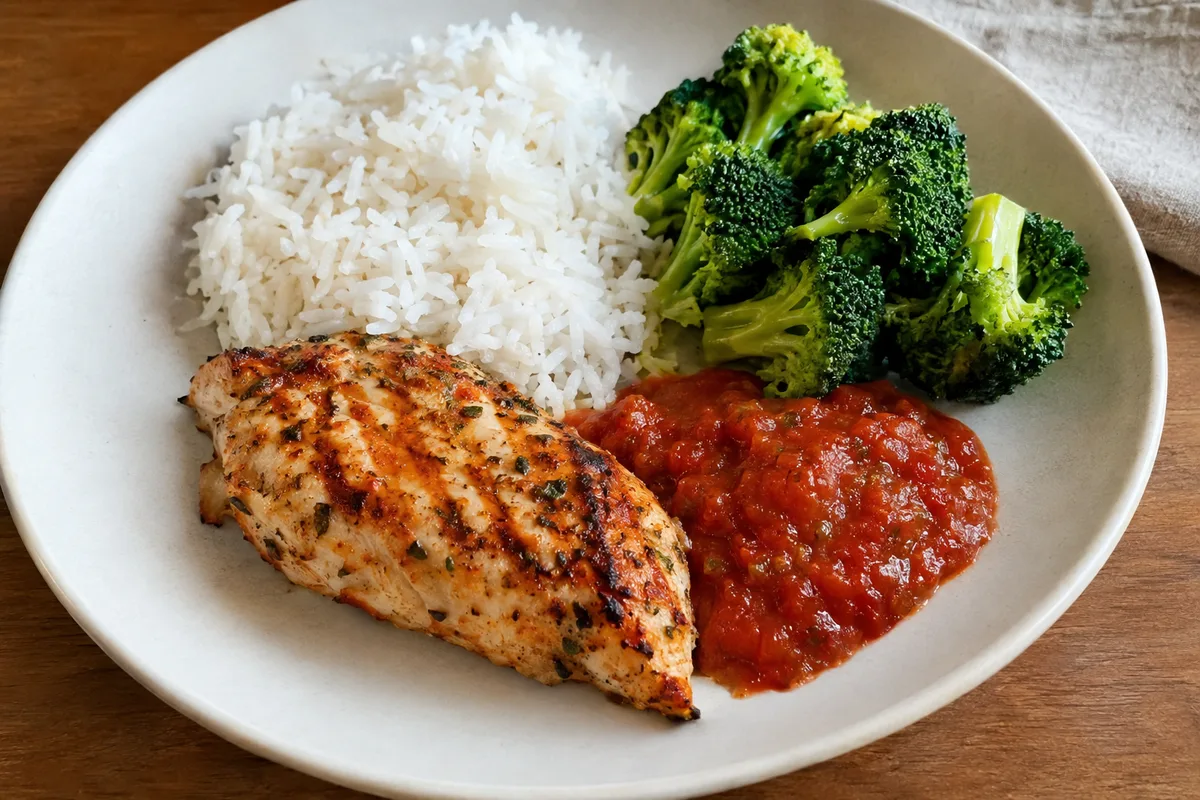
Some ingredients provide both nutrients, particularly beans, lentils, chickpeas, yoghurt and milk. The balance that suits you depends on your appetite, activity and overall eating pattern. Your food diary can show whether a meal contains meaningful portions of both rather than relying on its name or appearance.
- Choose a main carbohydrate source such as rice, pasta, potatoes, bread or grains.
- Add a clear protein source such as chicken, fish, eggs, tofu, beans or yoghurt.
- Include vegetables or fruit for fibre, colour and variety.
- Count cooking fats, dressings and toppings when logging the complete meal.
Start with a simple meal structure
An easy approach is to build the meal in layers. Begin with a carbohydrate-rich base, add a protein food, then include vegetables or fruit. Finish with any sauce, cooking fat or topping that makes the meal enjoyable.
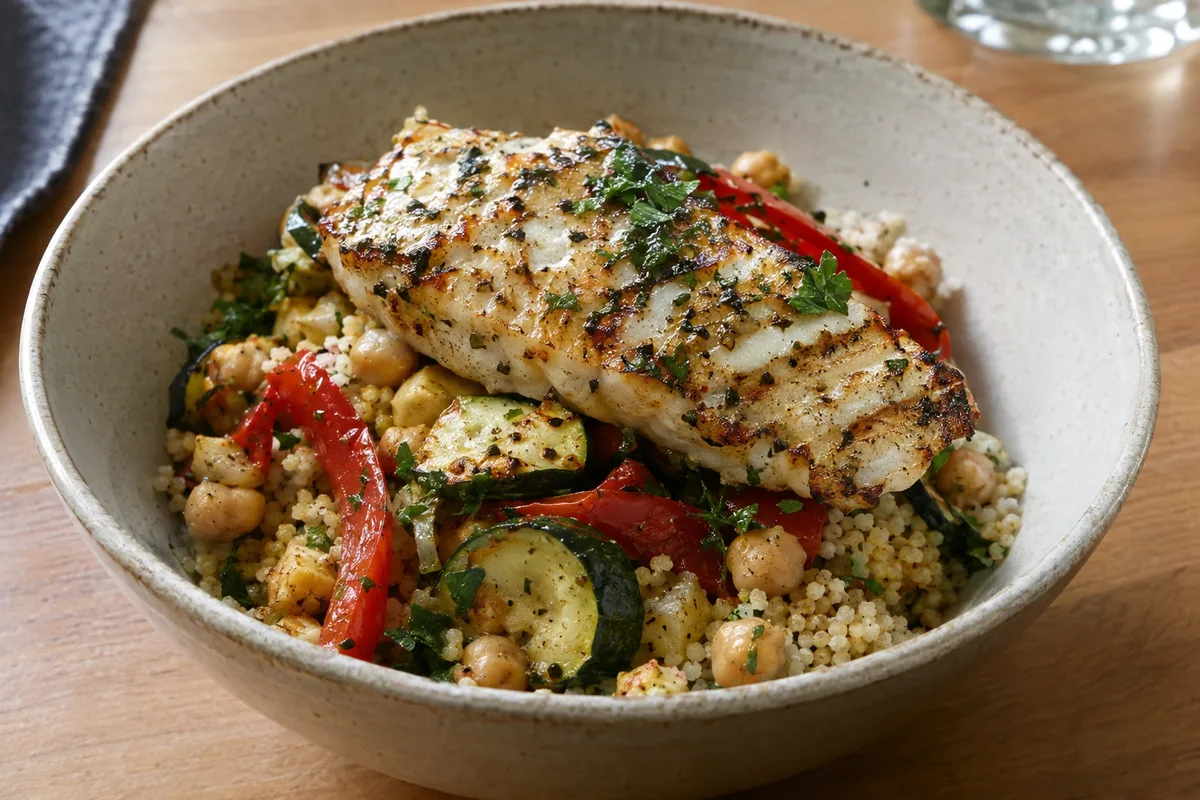
There is no single correct portion for each layer. A larger or more active person may want a different amount from someone with a smaller appetite or a quieter day. Use your tracked intake, hunger and planned activity to adjust each part rather than following a fixed plate rule.
- Rice with chicken, mixed vegetables and a tomato-based sauce.
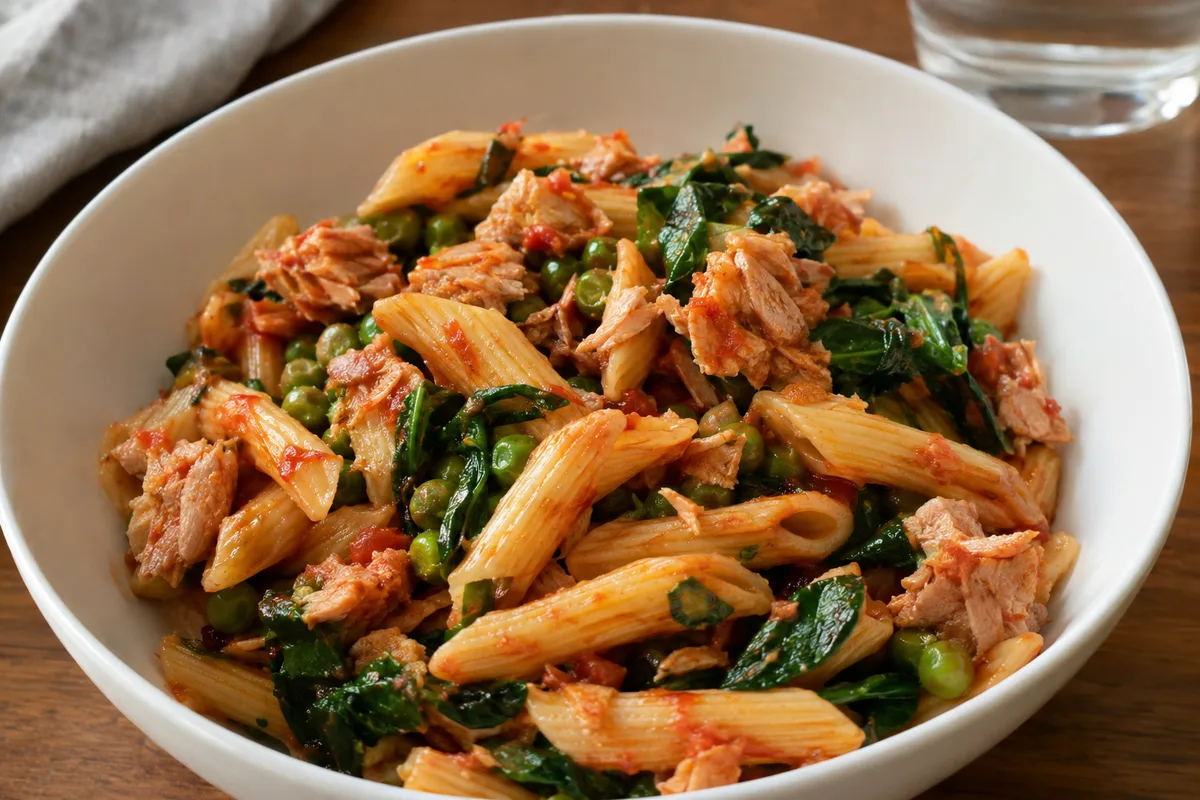
- Pasta with tuna, peas and spinach.
- A baked potato with beans, yoghurt and a side salad.
- Oats with milk, yoghurt, banana and seeds.
- Couscous with chickpeas, roasted vegetables and grilled fish.
Combine plant foods for more choice
Plant-based meals can provide both carbohydrate and protein when they include more than vegetables alone. Beans, lentils and chickpeas contribute both nutrients, while tofu and other soya foods can add further protein. Grains, bread, potatoes and fruit can supply the rest of the carbohydrate.
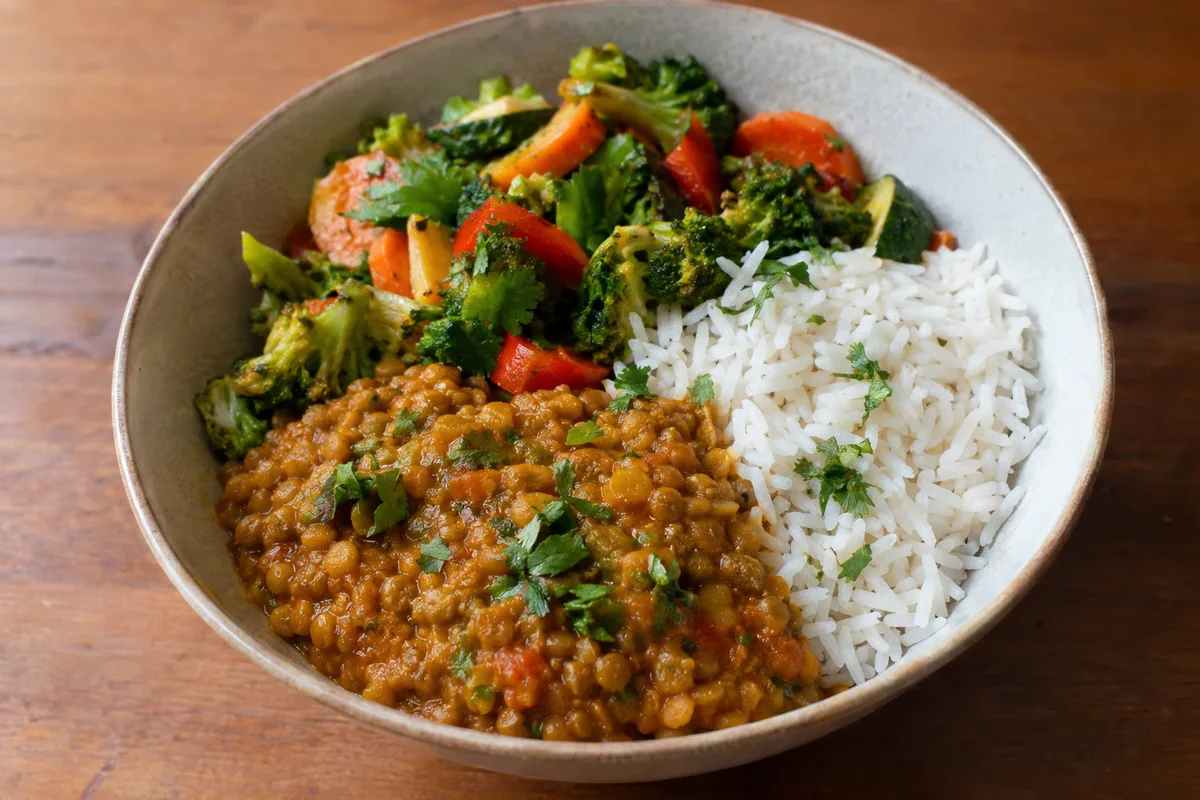
You do not need to make every ingredient perform the same job. A lentil curry can provide much of the protein, while rice adds a larger carbohydrate portion. Adding vegetables, herbs and spices brings flavour and variety without changing the basic structure.
- Lentil curry with rice and vegetables.
- Bean chilli with a baked potato and sweetcorn.
- Tofu noodle stir-fry with peppers and broccoli.
- Chickpea couscous bowl with roasted vegetables.
- Porridge made with soya drink, topped with fruit and nut butter.
Use familiar meals rather than special recipes
Many everyday dishes already combine carbohydrate and protein. Sandwiches, wraps, grain bowls, pasta dishes and breakfasts can all fit the idea when the filling or topping contains a clear protein source. This can be easier than preparing separate foods for each nutrient.
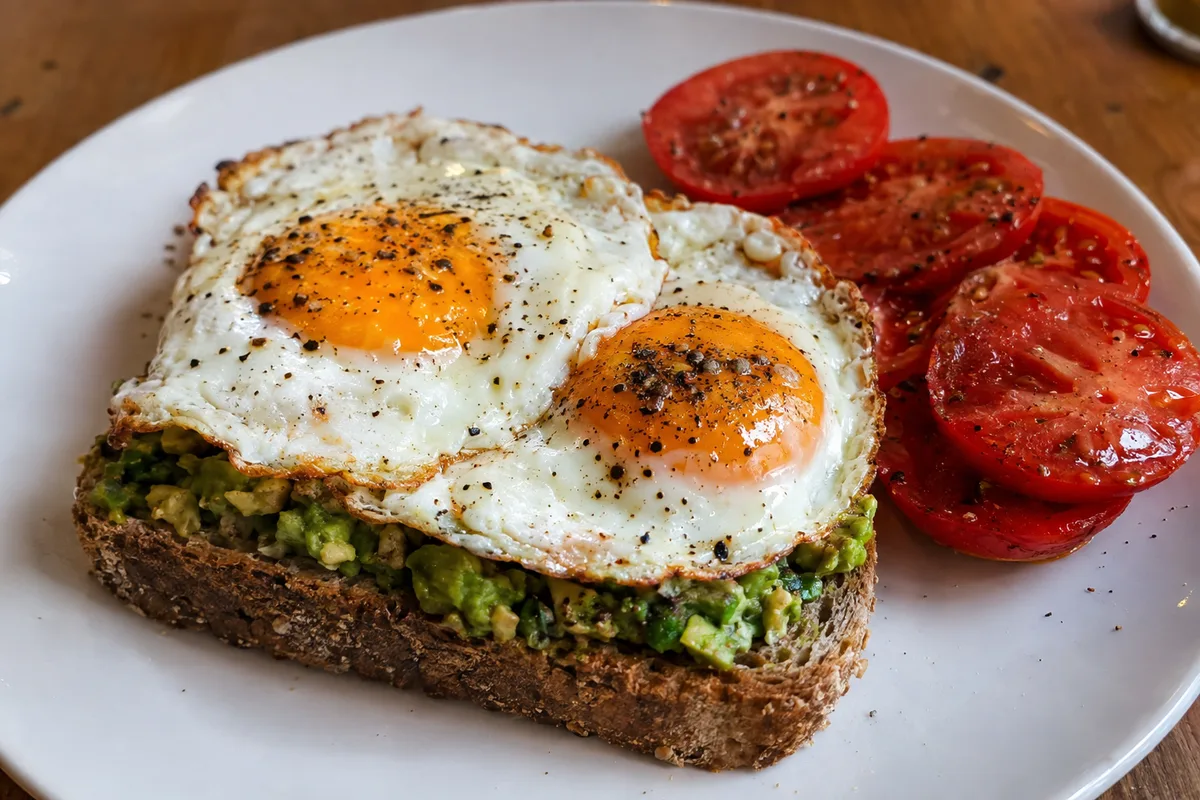
Small changes can strengthen a meal that is mostly carbohydrate. Add eggs or beans to toast, mix tuna or lentils into pasta, or serve yoghurt with cereal and fruit. If a meal is mostly protein, adding bread, rice, potatoes or another starchy food can raise its carbohydrate content.
- Add chicken, tofu, tuna or beans to a rice bowl.
- Top toast with eggs, cottage cheese or mashed beans.
- Stir lentils, minced meat or fish into a pasta sauce.
- Serve yoghurt or skyr-style yoghurt with oats and fruit.
- Fill a wrap with falafel, chicken or beans alongside salad.
Keep fats and extras in view
A high-carbohydrate, high-protein meal can also contain a substantial amount of fat. Oils, cheese, creamy sauces, nuts, seeds and fatty cuts of meat may change the meal's energy content more than their size suggests. Fat provides about 9 kcal per gram, while protein and carbohydrate each provide about 4 kcal per gram.
That does not mean these ingredients must be removed. It means they should be logged when you want an accurate picture of the meal. Measure or estimate them consistently, especially when oil is used in cooking or a sauce is added after serving.
- Log oil used for frying, roasting or dressing.
- Include cheese, nut butter, nuts and seeds.
- Count mayonnaise, pesto and creamy sauces.
- Add drinks that contain milk, fruit juice or other energy-providing ingredients.
- Record toppings and second servings rather than treating them as separate from the meal.
Track the ingredients, then adjust
Mixed meals are usually easier to track when you enter their main ingredients separately. Record the carbohydrate base, protein source, vegetables, cooking fat and sauce. For a shared recipe, log the full recipe and divide it according to the portion you ate.
Review the meal in the context of the whole day rather than expecting every plate to match the same target. If protein is lower than intended, increase the main protein food or add a suitable side next time. If carbohydrate is lower than planned, adjust the portion of grains, bread, potatoes, fruit or another carbohydrate source.
- Save regularly eaten recipes so the same ingredients are not entered from scratch.
- Use package information for the food and portion you actually ate.
- Keep dry and cooked weights consistent when logging grains or pasta.
- Update saved meals when ingredients or serving sizes change.
- Use your diary to spot patterns across several meals, not to judge one plate in isolation.