
How to Choose Foods That Are High in Protein and Lower in Sodium
High-protein foods can vary widely in sodium, especially when they are cured, seasoned or packed in sauce. This guide explains what to look for, which foods make useful choices and how to record them accurately.
What low sodium and high protein mean together
Protein supports everyday functions such as maintaining muscle and repairing body tissues. Foods described as high in protein provide a meaningful amount compared with the portion eaten. The exact amount that suits you depends on your body, routine and overall eating pattern.
Sodium is a mineral found naturally in some foods, but much of it comes from salt added during preparation or manufacturing. A protein food is not automatically high or low in sodium. Fresh chicken and seasoned chicken, for example, can have very different label values even when the portions look identical.
In the UK, packaging often lists salt rather than sodium in the nutrition table. Use the figure shown on the pack and compare similar products on the same basis, such as per 100g. Your food diary may use either salt or sodium, so check which one it records before entering an item.
Protein-rich foods that are often lower in sodium
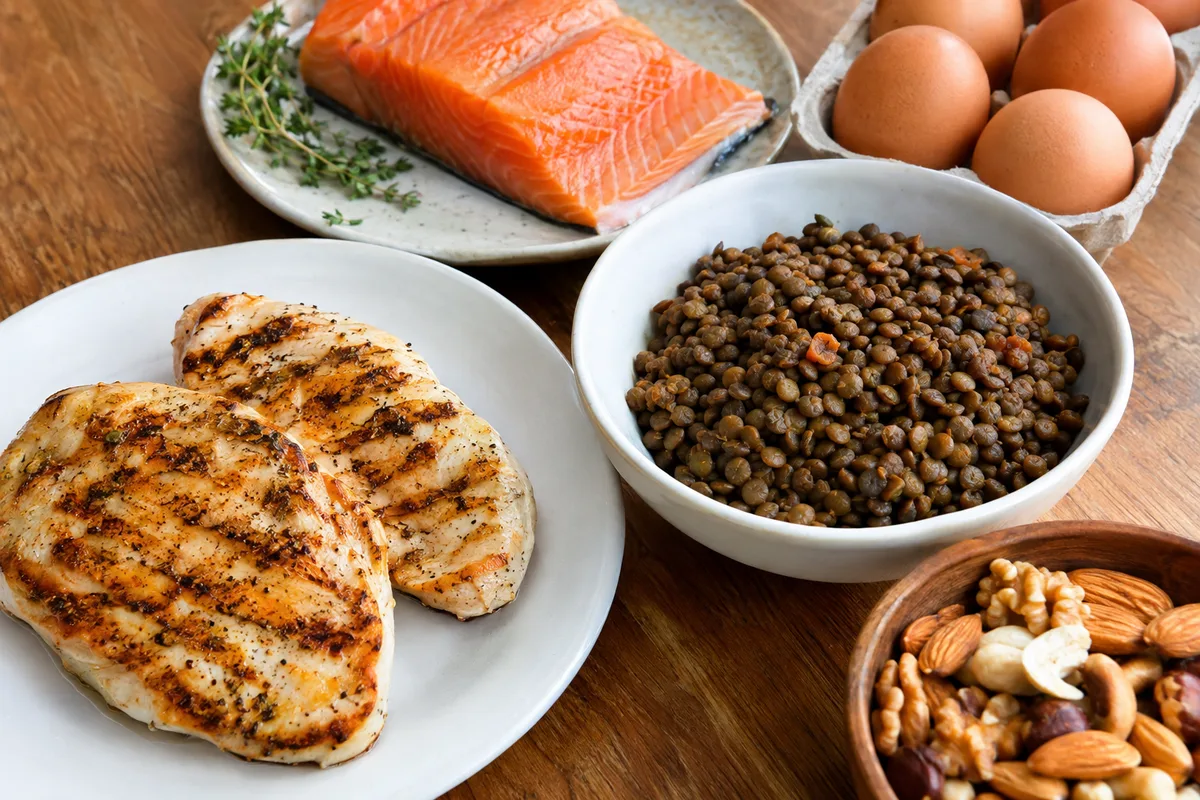
Fresh, unseasoned foods are usually the simplest place to start. Plain meat, poultry and fish let you control how much salt is added during cooking. Check that they have not been brined, marinated, injected with seasoning or coated in a flavoured mixture.
Plant foods can also contribute useful protein without relying on salty sauces. Dried pulses cooked in plain water give you control over seasoning, while tinned versions need a label check. Plain nuts and seeds can add protein to meals and snacks, although portion size still matters when you track your intake.
Eggs, yoghurt, milk and tofu may fit too, but their sodium and protein values differ between products. Flavoured, smoked or heavily processed versions often contain more added salt. Compare labels rather than assuming that every product in a category is similar.
- Fresh chicken or turkey without brine, marinade or coating
- Fresh fish or plain frozen fish without sauce or seasoning
- Dried lentils, chickpeas, peas and beans cooked without added salt
- Plain unsalted nuts and seeds
- Plain eggs, yoghurt or tofu after checking the label
Where extra sodium can hide
Processing can change the sodium content of a protein food considerably. Curing, smoking, brining and adding seasoning all introduce salt, while sauces and flavour sachets can add more. Words such as plain, natural or original do not guarantee a lower-sodium choice.
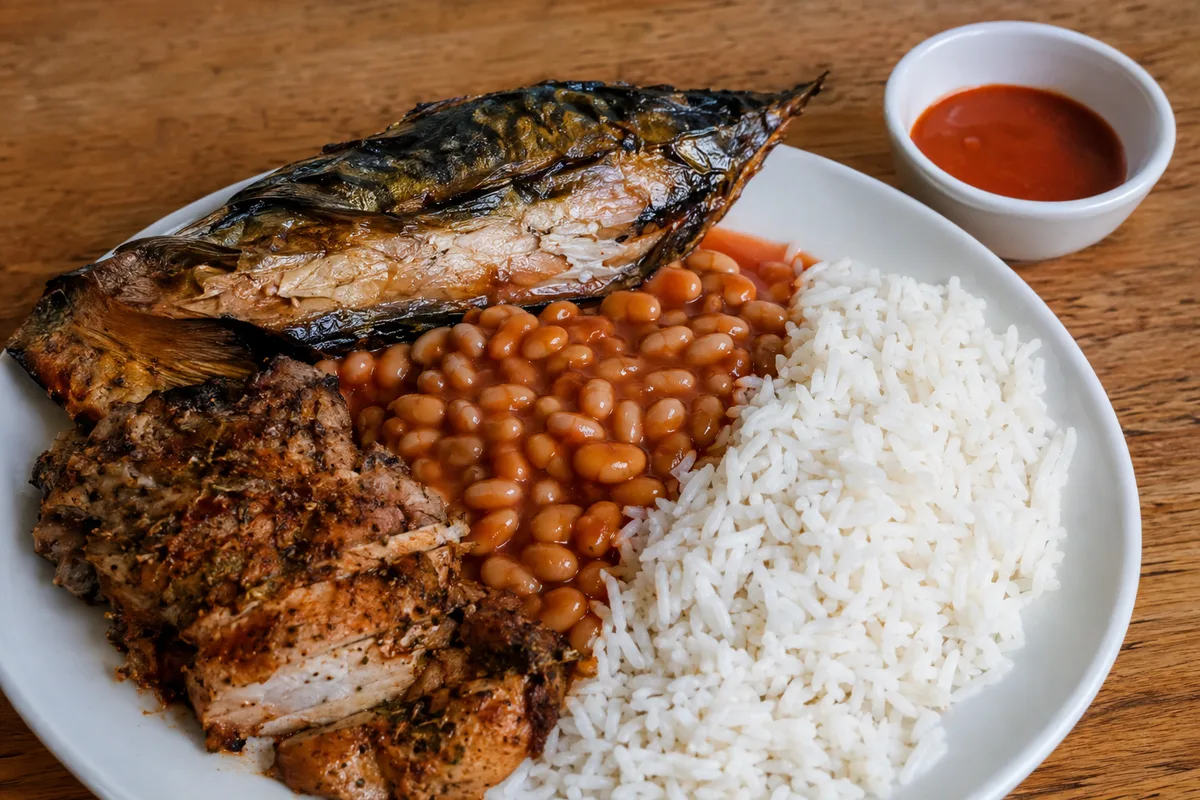
Tinned fish, beans and pulses vary according to their packing liquid and recipe. Draining and rinsing can remove some salty liquid, but the label is still the best starting point for tracking. If there is a version with no added salt, compare its protein content and ingredients with the standard one.
Ready-to-eat protein foods can be convenient, but convenience does not tell you what is in them. Look at the serving size, protein figure and salt or sodium figure together. Record the amount you actually eat rather than automatically using the pack's suggested portion.
- Cured or smoked meats and fish
- Meat substitutes with seasoning already mixed in
- Protein foods in brine, gravy or flavoured sauce
- Cheese, spreads and seasoned yoghurt dips
- Stock, bottled sauces and seasoning blends added during cooking
How to compare labels while tracking
Start by comparing foods that serve the same purpose, such as two types of tinned beans or two plain yoghurts. Use the per 100g column for a fair comparison, then use the serving information to work out what reaches your plate. A food with a lower figure per serving may simply have a smaller listed serving.
Next, check how much protein the food contributes for the portion you expect to eat. Protein provides about 4 kcal per gram, but the food's total energy also depends on its fat and carbohydrate. A lower-sodium choice does not need to be the lowest-calorie choice, as these are separate features.
Food-tracking databases sometimes contain entries added by users or based on an older recipe. When possible, match the entry to the packaging in front of you. Save a corrected custom entry if the protein, serving size or salt information does not agree.
- Compare similar foods using the same weight
- Check whether the label shows salt or sodium
- Adjust the entry to match your actual portion
- Include sauces, marinades and seasoning separately
- Update saved foods when a recipe or label changes
Building a lower-sodium, protein-rich meal
Begin with a plain protein food, then add vegetables and a carbohydrate that fit your preferences. Cooking the main ingredients separately gives you more control than using a complete seasoned meal. It also makes each part easier to log accurately.
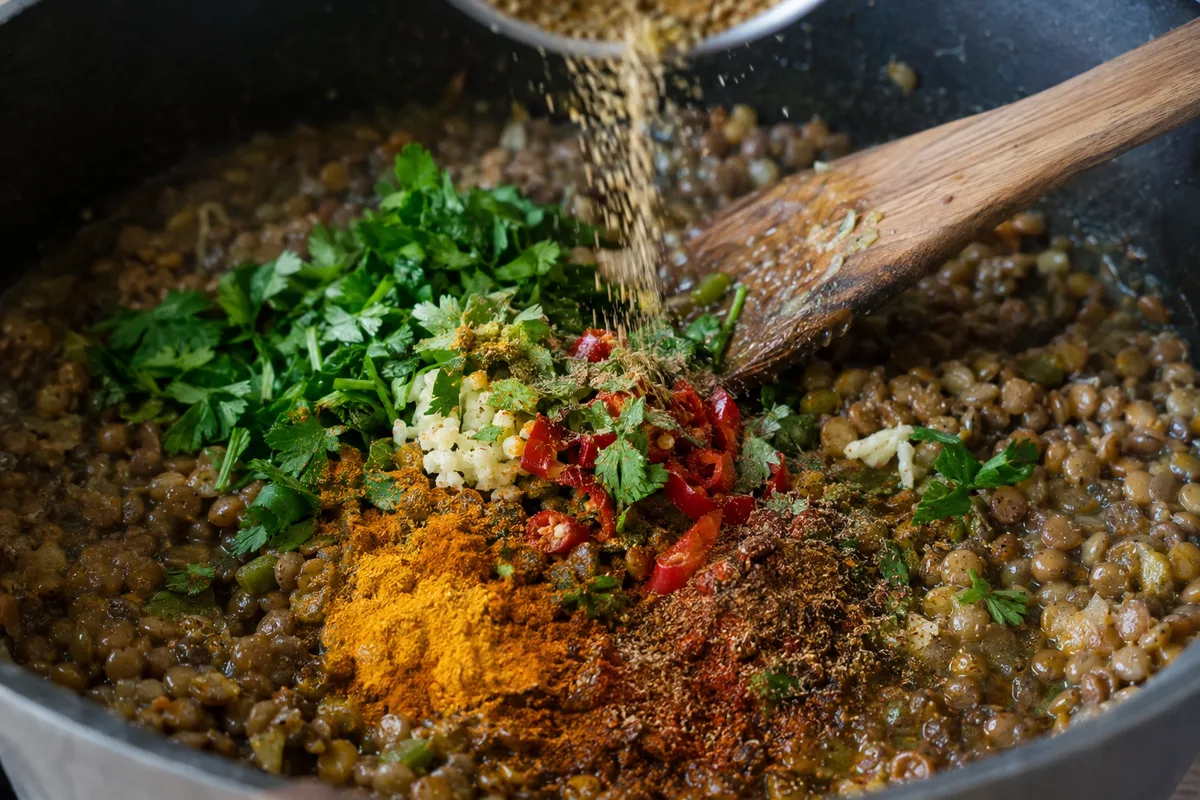
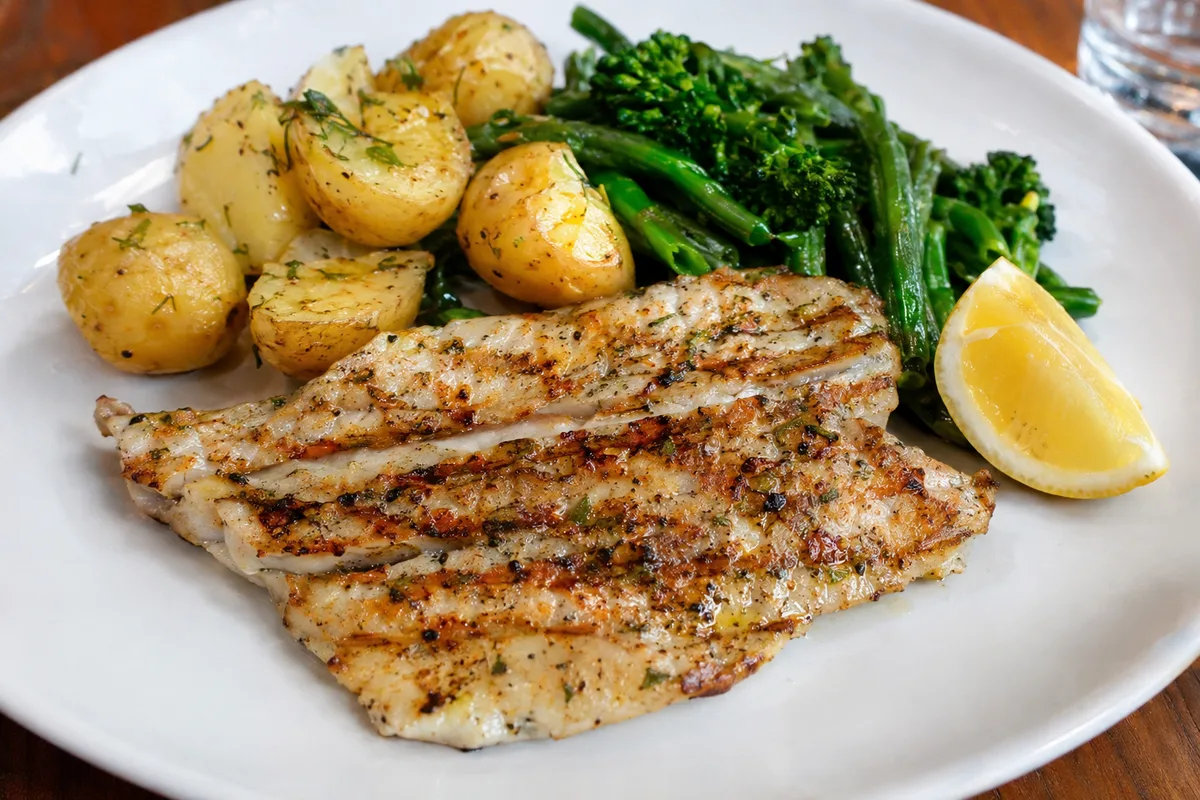
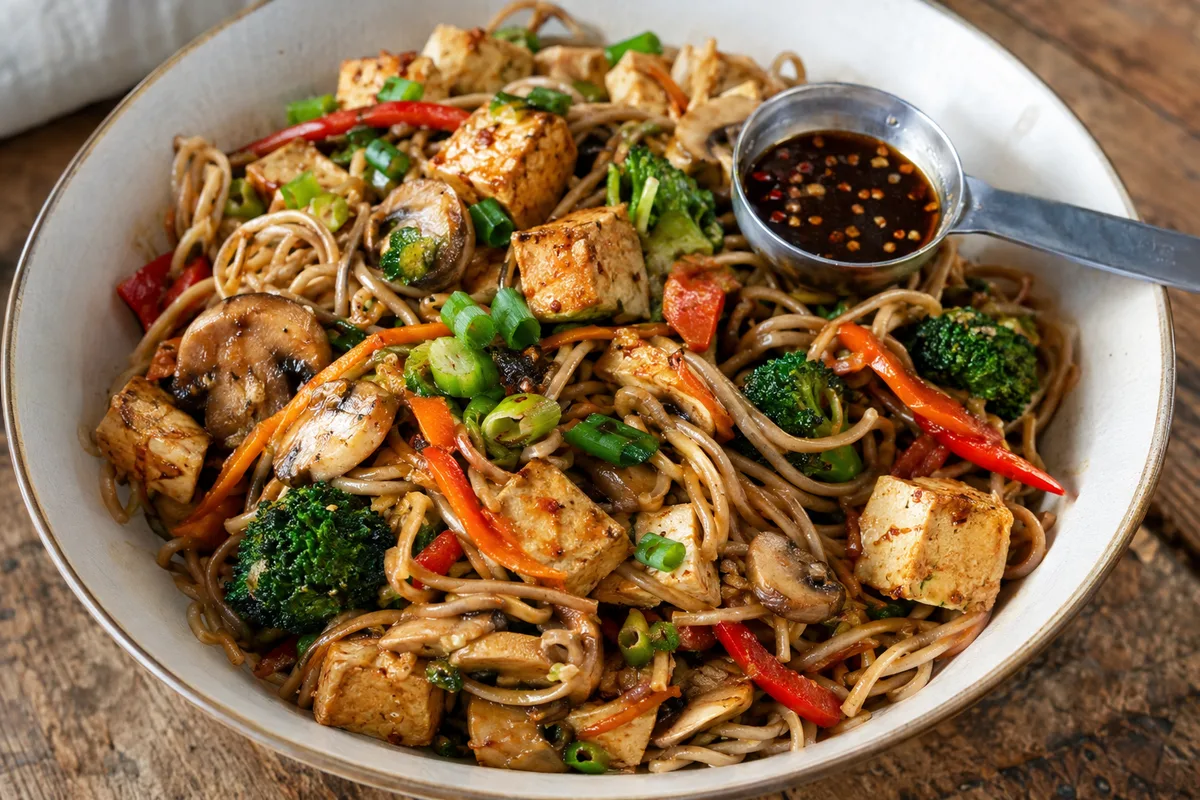
For example, pair plain grilled chicken with roasted vegetables and rice, or serve lentils with baked vegetables and a yoghurt dressing. Fish can go with potatoes and greens, while tofu works well with noodles and vegetables when the sauce is measured separately. The best portion balance depends on your appetite, protein target and the rest of your day.
Do not focus so closely on protein that every part of the meal becomes another concentrated protein food. Vegetables, fruit, grains and starchy foods add variety, fibre, colour and texture. A balanced plate can still be protein-rich without relying on several salty processed ingredients.
- Plain fish, potatoes, green vegetables and lemon
- Chicken, rice, roasted peppers and a herb dressing
- Lentils, baked vegetables and plain yoghurt
- Tofu, noodles, mushrooms and measured sauce
- Eggs, unsalted beans, tomatoes and wholemeal toast
Adding flavour without leaning on salt
Lower-sodium meals do not have to taste plain. Acidity, herbs, spices and aromatic vegetables can create contrast and depth without making salt the main flavour. Try changing one element at a time so you can learn which combinations you enjoy.
Lemon or lime can brighten fish, poultry, beans and lentils. Garlic, ginger, chilli, pepper, cumin and paprika bring different kinds of warmth, while fresh herbs add fragrance near the end of cooking. Check mixed spice blends because some contain added salt even when salt is not obvious from the front of the pack.
Keep recording condiments and cooking ingredients as well as the main protein. Small additions across several meals can be easy to miss in a food diary. Looking back over the full day will give you a clearer picture than judging one food in isolation.
- Lemon juice, lime juice or vinegar
- Garlic, ginger, chilli or black pepper
- Cumin, paprika, coriander or turmeric
- Fresh parsley, basil, mint or dill
- Unsalted toasted seeds for texture