
Malt-O-Meal or oatmeal: which breakfast suits your food log?
Malt-O-Meal hot cereal and oatmeal can look similar in a bowl, but they start with different grains. Here is how to compare them fairly and choose the one that fits your taste, routine and nutrition aims.
First, check which cereals you are comparing
Malt-O-Meal is also the name used for a wider range of packaged cereals, but this comparison focuses on the smooth hot wheat cereal. It is usually made with wheat and malted barley, while oatmeal is made from oats. Flavoured varieties may contain additional ingredients, so the packet is the best guide for the exact product you eat.
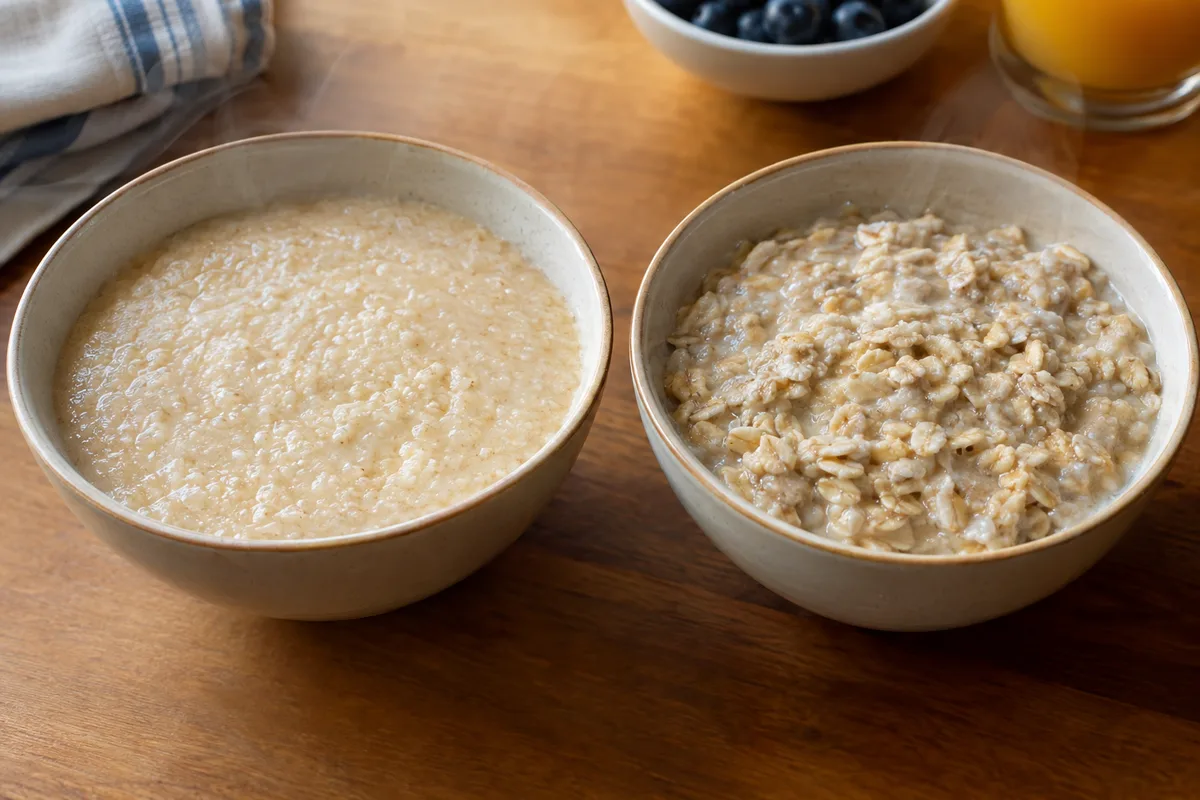
Oatmeal also comes in several forms, including instant, rolled and steel-cut oats. The grain is the same, but the cut and processing affect cooking time and texture. When logging either breakfast, select the closest product and preparation method rather than relying on a generic cereal entry.
- Confirm whether the Malt-O-Meal entry is hot wheat cereal or a cold cereal
- Match instant, rolled or steel-cut oats to the oatmeal you used
- Check whether the product is plain, sweetened or flavoured
- Record the cereal as dry or prepared, according to how the serving was measured
Wheat cereal is smooth, while oats keep more texture
Malt-O-Meal hot cereal cooks into a fine, even porridge because the wheat has been milled into small particles. Its mild flavour works with sweet or savoury additions. It may appeal when you want a soft breakfast that is quick and easy to eat.
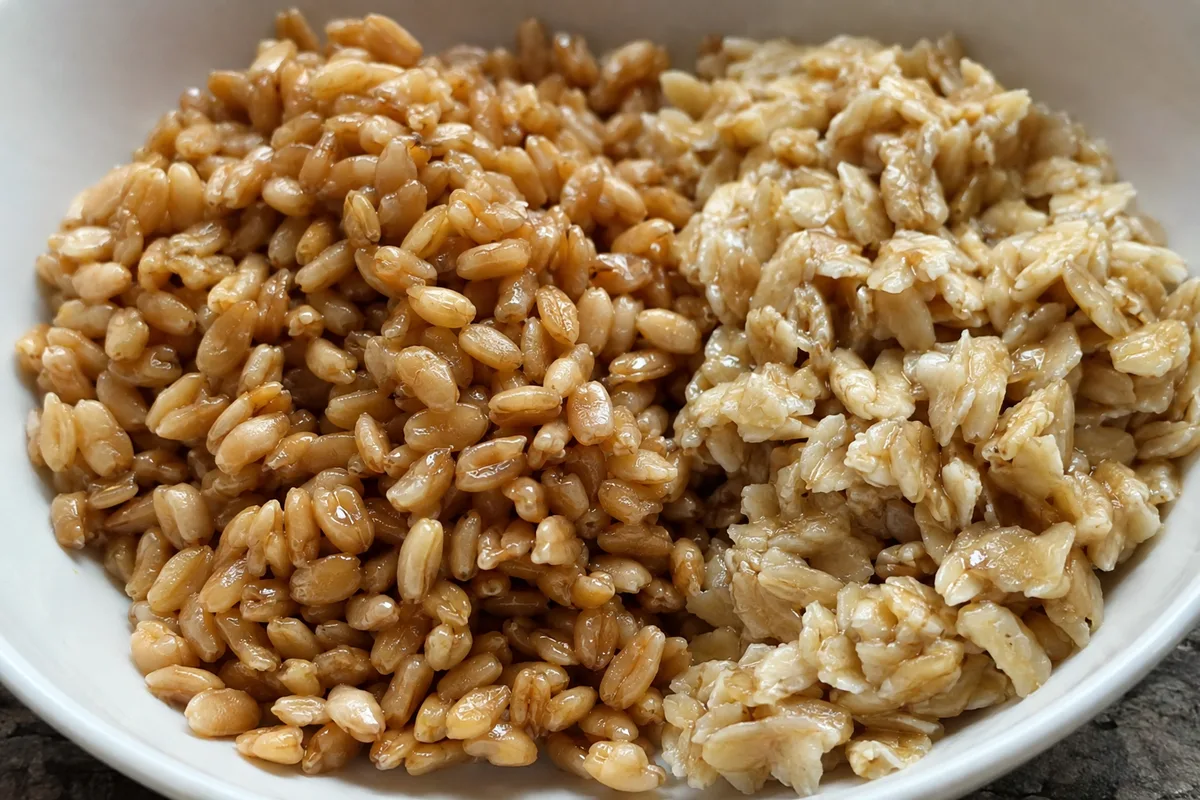
Rolled oatmeal is thicker and usually keeps some visible flakes, while steel-cut oats have a firmer bite. Instant oats become softer because they have been cut and processed to cook more quickly. The more satisfying texture is a matter of preference rather than a clear nutritional winner.
- Choose hot wheat cereal for a smooth, fine consistency
- Choose rolled oats for a soft porridge with visible flakes
- Choose steel-cut oats for a firmer, chewier bowl
- Adjust the cooking liquid to make either cereal thicker or looser
Compare nutrition on the same basis
A fair comparison starts with equivalent dry portions or with the exact amount you actually prepared. A bowl made with more water looks larger without adding energy, while milk or another drink changes the nutrition. Packet serving sizes can also differ, so comparing one listed serving with another may be misleading.
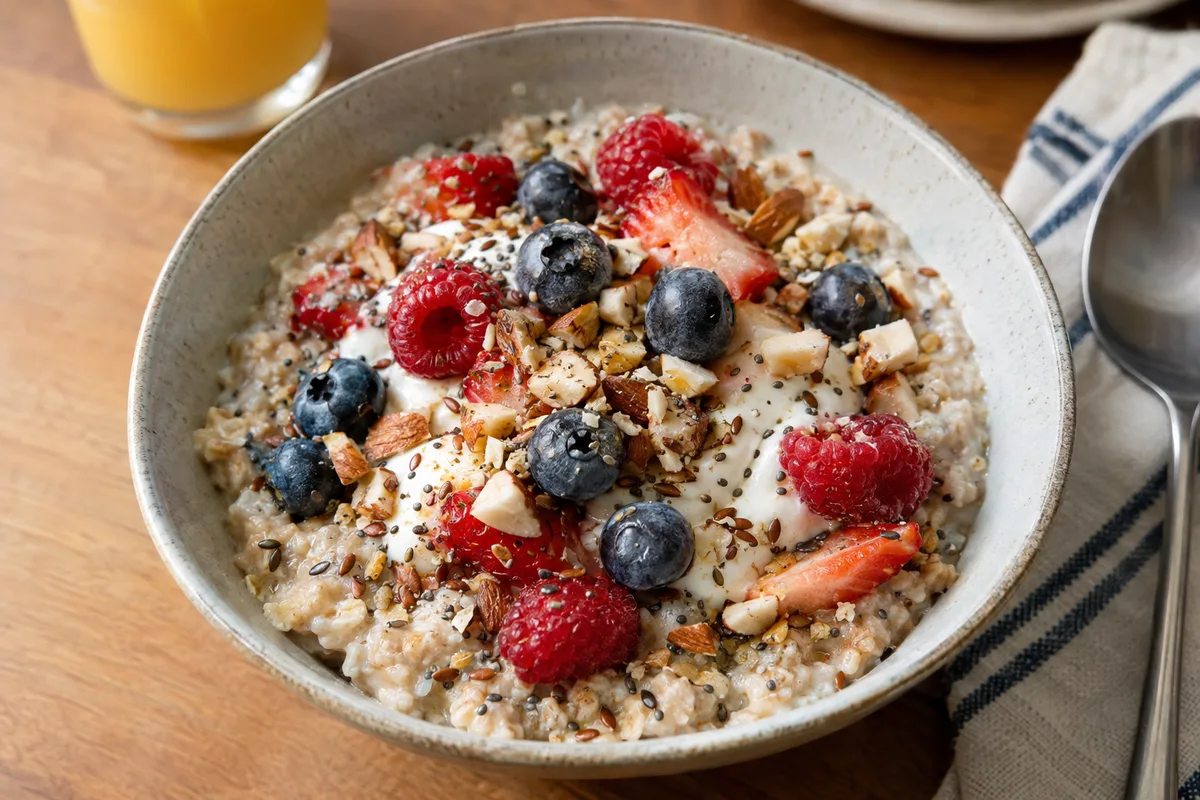
Plain oatmeal generally provides more fibre than a finely milled wheat cereal, although the exact amount depends on the product. Some hot wheat cereals are fortified with added vitamins and minerals, while oatmeal naturally supplies a different mix of nutrients. Use the labels in front of you rather than assuming every version has the same profile.
- Compare equal dry weights when deciding between products
- Check fibre, protein, fat and carbohydrate on each label
- Notice whether vitamins and minerals have been added
- Include the cooking liquid and toppings in your log
- Use the prepared weight only when your food-log entry is also for prepared cereal
Think about fullness as well as the label
Oatmeal's fibre and thicker texture may help it feel more substantial, but fullness depends on the whole meal and the person. A plain bowl of either cereal may feel less sustaining than one that includes a source of protein or fat. Portion size, eating pace and your usual routine matter too.
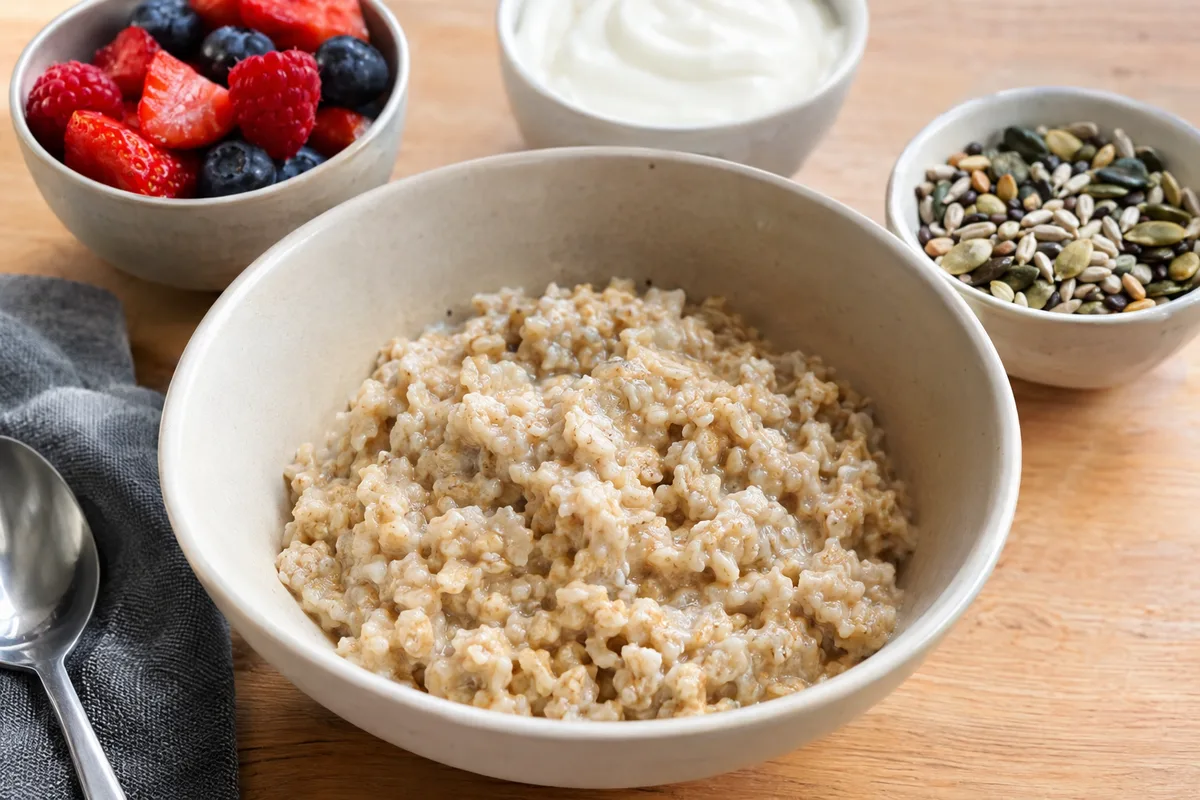
Your food log can show which breakfast works better for you. Look beyond the cereal's numbers and notice when you next feel ready to eat, how practical the breakfast was and whether you enjoyed it. A meal that suits your morning is often easier to repeat consistently.
- Add yoghurt or milk for protein
- Stir in nuts or seeds for fat, fibre and texture
- Serve with fruit for sweetness and additional fibre
- Log your usual portion rather than the packet's suggested portion
Toppings can change the comparison
Plain Malt-O-Meal and plain oatmeal are starting points, not necessarily the whole breakfast. Sugar, syrups, nut butter, dried fruit and generous handfuls of nuts can change the meal more than the choice of grain. This does not make those additions wrong, but they belong in the comparison and in your log.
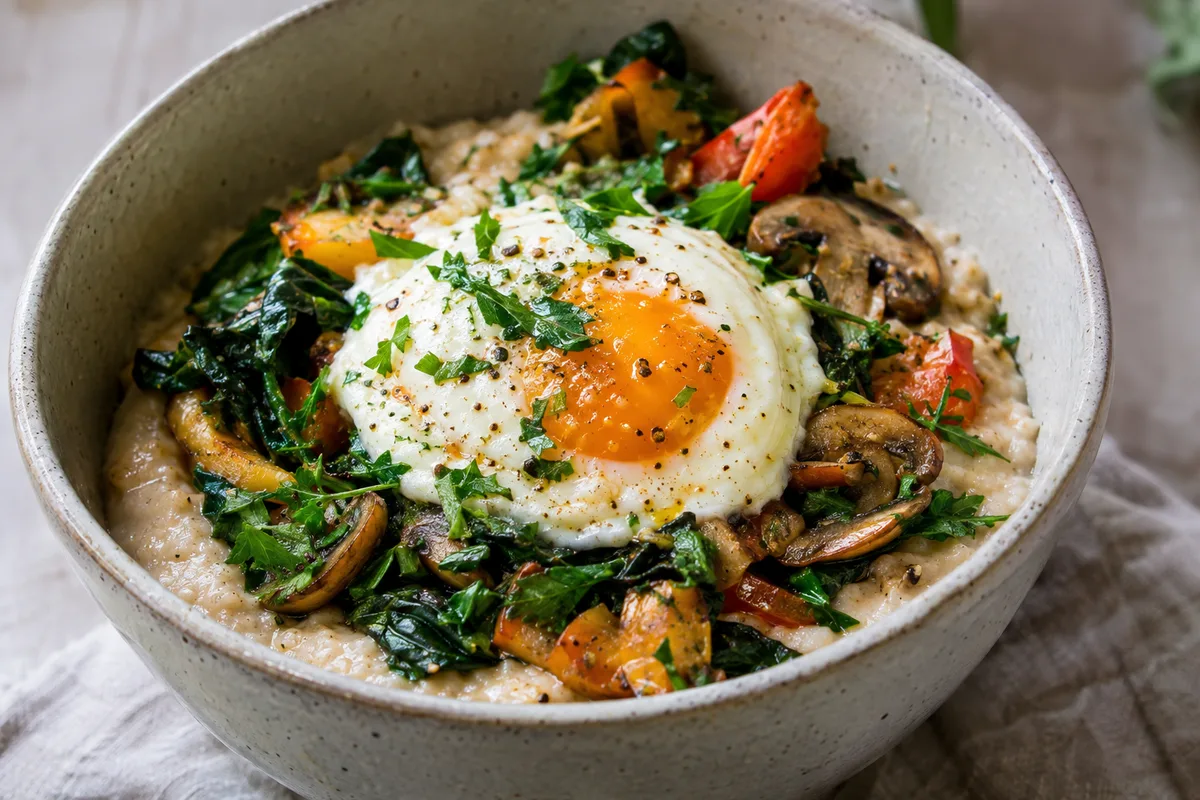
Measure toppings separately at least once if your usual spoonfuls are difficult to estimate. You can then build a saved meal using the amounts you normally eat. Also record milk or another cooking liquid, because an entry for cereal cooked with water will not represent a bowl made differently.
- For sweetness, try fresh fruit, stewed fruit or a measured amount of sugar
- For crunch, add seeds or chopped nuts
- For creaminess, cook with milk or stir in yoghurt after cooking
- For savoury flavour, add an egg, vegetables or herbs
- For accurate logging, enter each addition rather than choosing a plain porridge entry
Which one should you choose?
Choose oatmeal if you prefer an oat flavour, a more textured bowl and usually more fibre from the cereal itself. Choose Malt-O-Meal hot cereal if you prefer a mild taste and a smoother consistency, or if its preparation suits your morning. Neither choice needs to stand alone, because the rest of the bowl helps shape the balance of the meal.
Wheat and malted barley contain gluten, while oat products require careful label checking if you avoid gluten because ingredients and production methods vary. Ingredient lists also matter if you need to avoid a particular grain or added flavouring. For everyone else, taste, texture, preparation time and the figures on the specific packet are sensible deciding factors.
- Pick the plain versions when you want more control over sweetness
- Compare the products you actually keep at home
- Build the bowl around your appetite and usual eating pattern
- Keep the entry that matches your recipe saved in your food log