
How to Choose the Best Meal Replacement Bar for You
A useful meal replacement bar should suit your energy needs, keep you satisfied and be practical to track. This guide explains what to check on the label and when a bar may not be enough for a full meal.
Start with what you need from the bar
The best meal replacement bar is not simply the one with the shortest ingredient list or the most protein. It is the one that fits the meal you are replacing, your usual eating pattern and the time until you next eat. Your required energy and nutrients depend on your body, activity and the rest of your day.
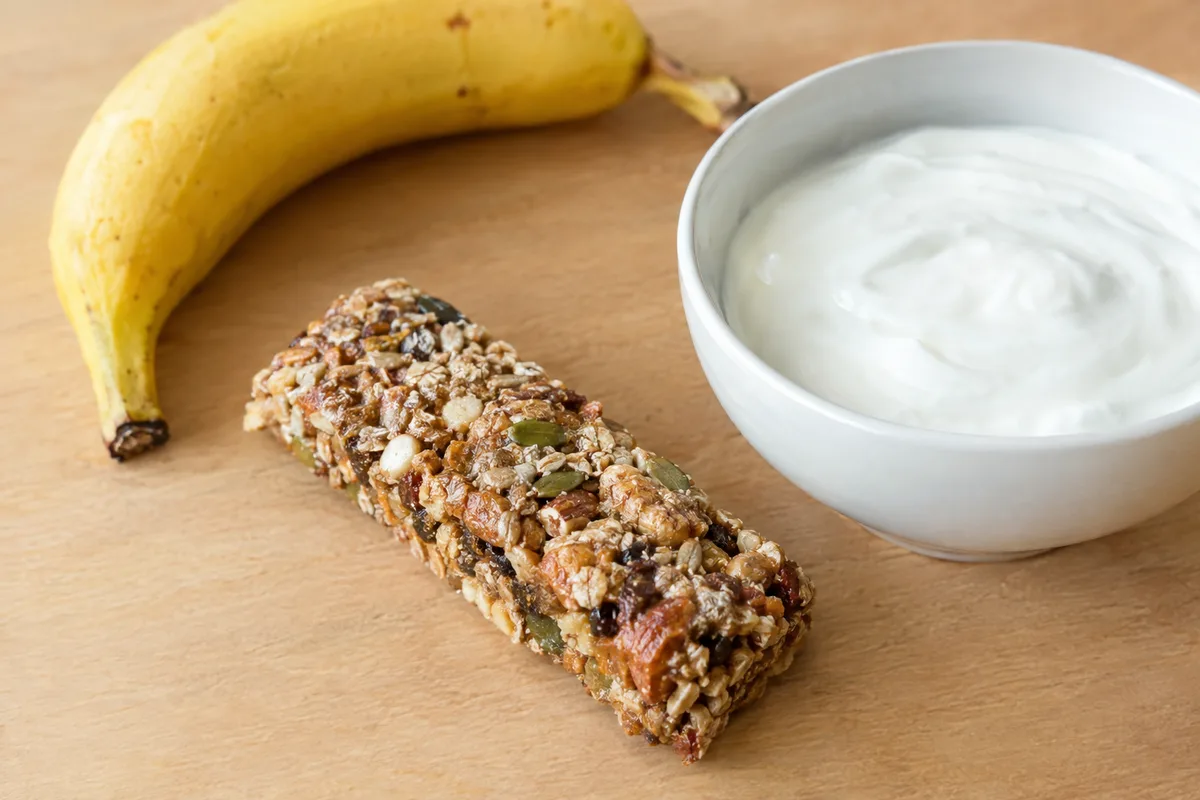
Before comparing bars, decide whether you want a full meal, a light meal or a substantial snack. Products that look similar can contain very different amounts of energy and food. A small bar may be convenient, but it may not do the same job as your usual breakfast or lunch.
- Identify which meal the bar will replace
- Check how long it needs to keep you satisfied
- Compare its energy with the meal you would normally log
- Consider what you will eat during the rest of the day
Check energy, protein and fibre
Because you already track your food, begin with the energy listed for the whole bar rather than for a smaller serving. Make sure the serving size on the label matches the amount in the packet. Whether that energy is suitable depends on your personal target and what else you eat with it.
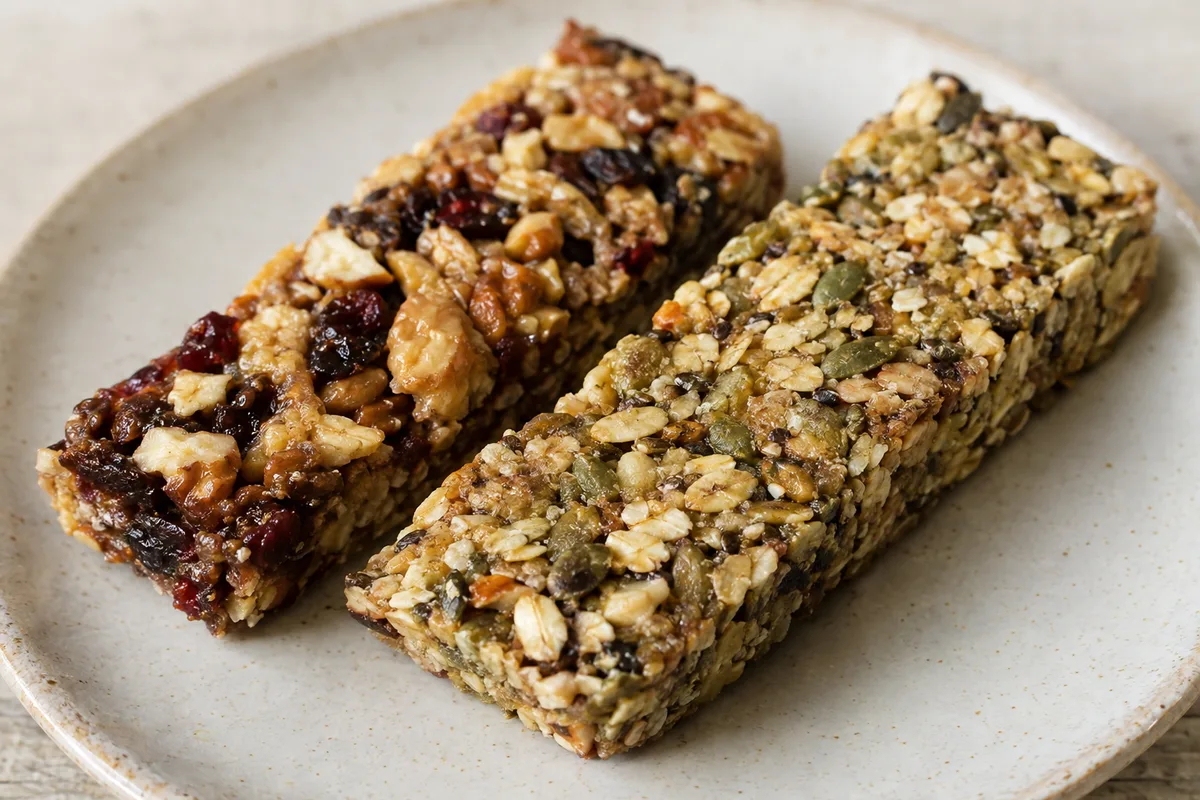
Protein and fibre can make a bar feel more substantial. Protein provides about 4 kcal per gram, as does carbohydrate, while fat provides about 9 kcal per gram. These factors help explain why two bars of the same size can have quite different energy values.
There is no single correct protein or fibre figure for every meal replacement. Compare the bar with foods you usually find satisfying, and look at your daily totals rather than judging one item alone. A bar does not need to maximise every nutrient to be useful.
- Log the whole bar if you eat the whole packet
- Compare energy on the same serving basis
- Review protein and fibre alongside your daily totals
- Notice whether the bar actually keeps you satisfied
Look beyond the front of the wrapper
Words on the front often highlight one appealing feature, but the nutrition panel gives a fuller picture. Check carbohydrate, sugars, fat, saturated fat, protein, fibre and salt in the same way you would for any packaged food. Then read the ingredients to understand where those nutrients come from.
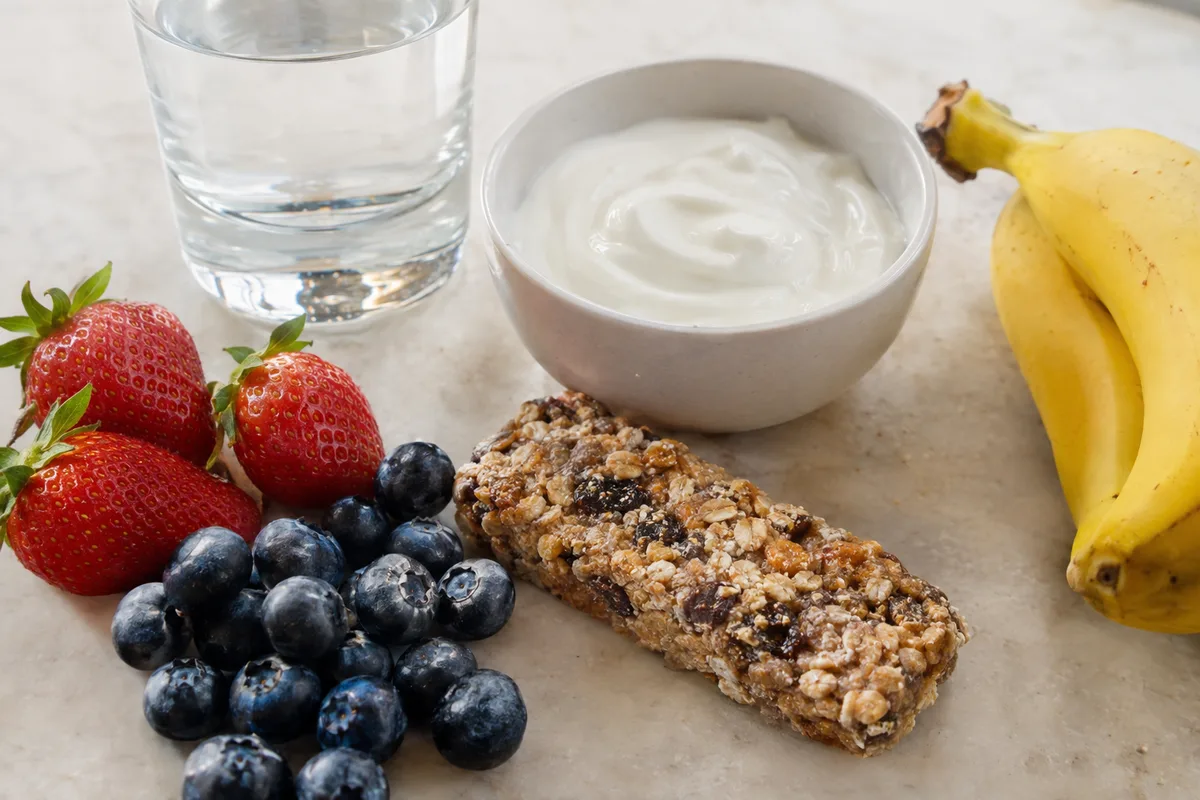
Ingredients are normally listed from the largest amount to the smallest. Bars may use oats, nuts, seeds, dried fruit, milk ingredients, soya ingredients or added fibres, alongside syrups and fats that hold everything together. A long list is not automatically poor, but it should contain ingredients that suit your preferences and needs.
Sweetness can come from dried fruit, syrups, sugar or sweeteners. Rather than treating one source as automatically best, consider taste, texture and how the bar fits your overall intake. If certain ingredients do not agree with you, check both the ingredient list and the label's handling information.
- Read the nutrition panel rather than relying on front-label claims
- Check whether the listed serving is one complete bar
- Scan the ingredient list for foods you avoid
- Compare salt, sugars and saturated fat between similar options
Decide whether it is really a meal
Some bars described as filling are closer in size and composition to a snack. If the bar leaves a large gap compared with your normal meal, you may become hungry again sooner than expected. Your food log can help you compare it with breakfasts or lunches that work well for you.
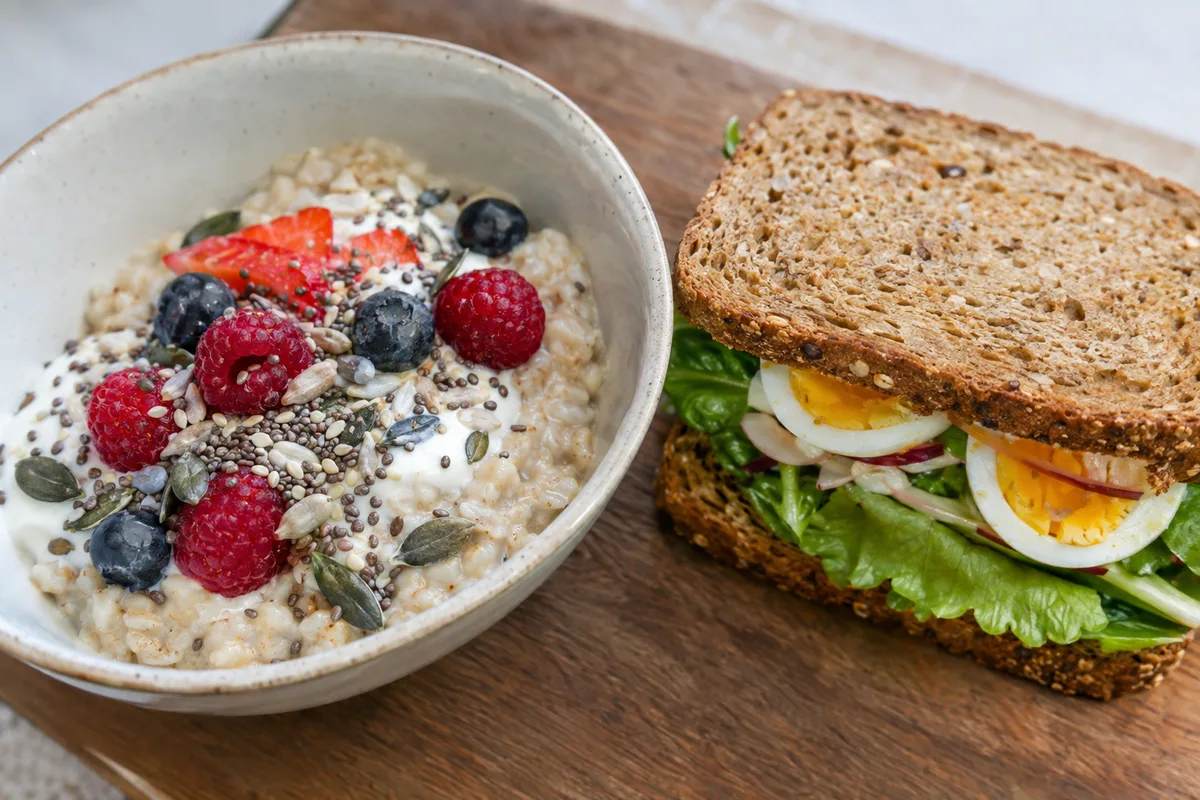
A bar can also be paired with simple foods when it is not enough by itself. Fruit can add volume and variety, while yoghurt or a milk-based drink can add protein and fluid. The extra food should be logged as part of the meal, not treated as an invisible addition.
Bars are less bulky than many plated meals, so eating one may feel different even when its energy is similar. Chewing time, texture and the amount of food in front of you can affect how satisfying a meal feels. Pay attention to comfort, hunger and concentration afterwards, not only the numbers in your tracker.
- Add a piece of fresh fruit for more food volume
- Pair the bar with plain yoghurt if that suits your plan
- Include water or another usual drink
- Choose a plated meal when you want more variety and texture
Use your tracking notes to find the best fit
The label can tell you what is in a bar, but your records can show whether it works for you. Log the bar accurately and note how hungry you feel before your next planned meal. It can also help to record whether you enjoyed the flavour and texture enough to eat it again.
Compare bars over separate occasions rather than eating several just to test them. Keep the surrounding meal pattern reasonably similar so the comparison is more useful. Hunger may still vary with activity, sleep and the length of time between meals.
A practical choice is one that you can track easily, enjoy eating and use for a clear purpose. It should support the rest of your diet rather than crowd out varied meals every day. Bars can be convenient when time or storage is limited, but they do not need to become the default.
- Record the exact product and portion
- Note hunger before the next meal
- Consider taste, texture and ease of eating
- Review how the bar affects your full-day totals
- Keep bars as one option among varied meals
When another meal may work better
A bar is useful for portability, but it cannot always match the variety of an ordinary meal. A plate containing vegetables or fruit, a protein food, a carbohydrate source and some fat can offer more textures and a wider mix of nutrients. It may also be easier to adjust the portion to your appetite.
Choose the option that suits the situation rather than assuming a bar is automatically healthier or more controlled. If you have time and suitable food available, a simple meal may be more enjoyable and satisfying. When convenience matters most, a carefully chosen bar can still have a place in your plan.
- Oats with yoghurt, fruit and seeds
- A wholemeal sandwich with salad and a protein filling
- Rice or potatoes with vegetables and beans, eggs, fish or meat
- Soup with wholegrain bread and a suitable protein food