
The best New Balance shoes for your routine
The best New Balance shoe depends on how you plan to use it, how you like a shoe to feel and which shape fits your foot. This guide compares the main options and explains what to check before settling on a pair.
Best for everyday running: Fresh Foam X 1080
The Fresh Foam X 1080 is designed as a cushioned running shoe for regular training. Its soft underfoot feel can suit easy runs, longer outings and days when comfort matters more than speed. It is a versatile starting point if you want one running shoe for several types of session.
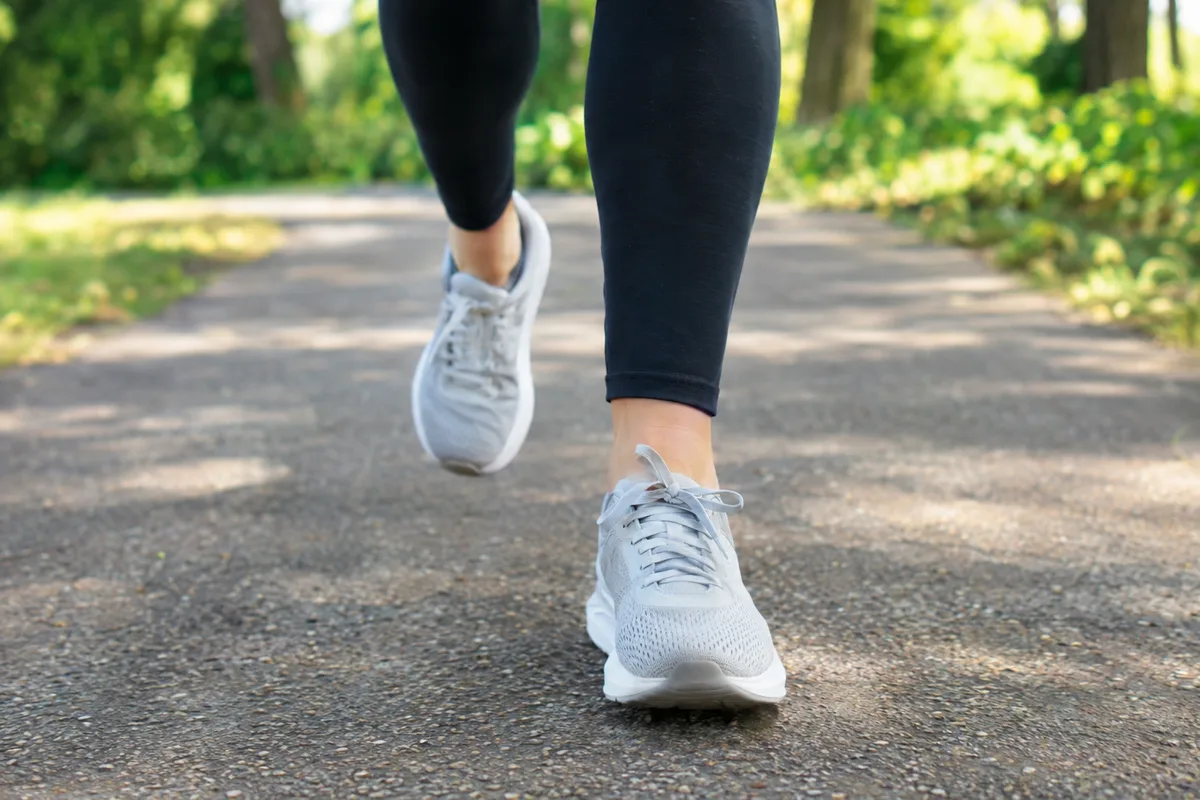
The upper is intended to hold the foot without feeling overly structured, while the broad sole creates a planted feel. Cushioning preferences are personal, so some runners may find it pleasantly soft while others may prefer a firmer platform. Check that your heel stays secure and that your toes have room to spread when you move.
The 1080 may also work for regular walking, although dedicated walkers might not need as much cushioning. Try it with the socks you normally wear and pay attention to how naturally your foot rolls forwards. The correct size can vary between shoe ranges, even within the same brand.
- Soft cushioning for easy and steady runs
- Suitable for varied everyday training
- Available in different width options in many versions
- A useful choice for runners who prefer comfort over a firm ride
Best for a balanced daily feel: Fresh Foam X 880
The Fresh Foam X 880 offers a more traditional daily-running feel than the softer 1080. It combines cushioning with a comparatively steady platform, making it suitable for routine runs at a range of relaxed or moderate paces. It can appeal to runners who do not want their shoe to feel especially soft or springy.
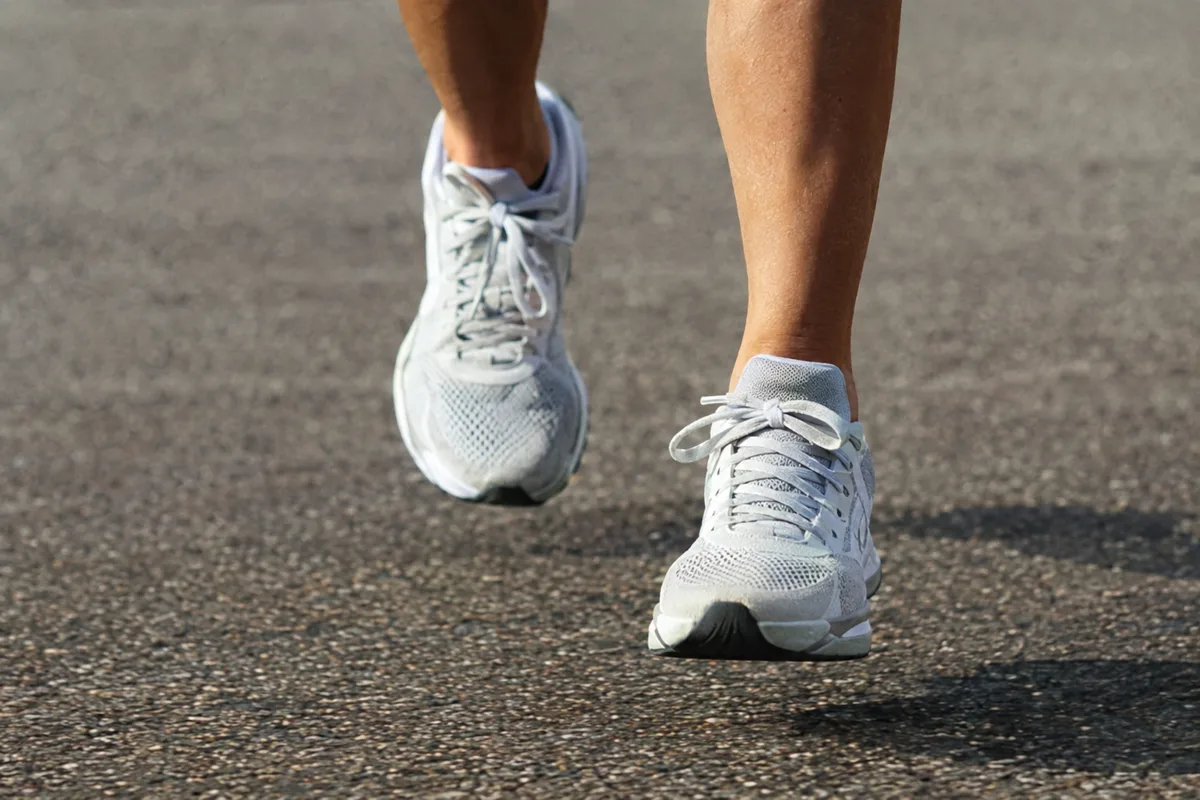
This model is often the simpler choice when you want a dependable trainer rather than a shoe built around one particular sensation. The sole is made to cope with repeated road use, though wear will depend on your route, stride and frequency of use. Look at the outsole regularly rather than replacing shoes according to a fixed timetable.
When trying the 880, check the bend of the shoe against the natural movement of your foot. There should be no rubbing at the heel or pressure across the top of the toes. A comfortable fit while standing is useful, but walking or jogging in the shoes gives you more information.
- Balanced cushioning rather than an especially soft feel
- Designed for regular road running
- Suitable for easy and moderate sessions
- Worth considering when durability and familiarity matter
Best for added guidance: Fresh Foam X 860
The Fresh Foam X 860 is built for runners who prefer more guidance from their daily shoe. Its construction aims to keep the ride steady without relying only on a very firm section under the arch. The result can feel more structured than the 1080 or 880.

Guidance is a preference rather than something every runner needs. A shoe should feel comfortable and natural instead of forcing your foot into an awkward position. Compare it with a neutral model and notice which one feels smoother while you walk or run.
Fit remains as important as the support features. Make sure the shoe does not pinch through the middle, and check that your heel is not lifting with each step. If one foot is slightly larger, fit the shoes around that foot.
- A steadier platform for runners who like guidance
- Cushioning for regular training
- More structure than many neutral daily trainers
- Different widths may help with a more precise fit
Best for faster training: FuelCell Rebel
The FuelCell Rebel is a light, responsive option for runs where you want to pick up the pace. It is intended to feel more energetic than a conventional daily trainer, while remaining flexible enough for varied sessions. It can cover quicker efforts, short runs and some everyday training.
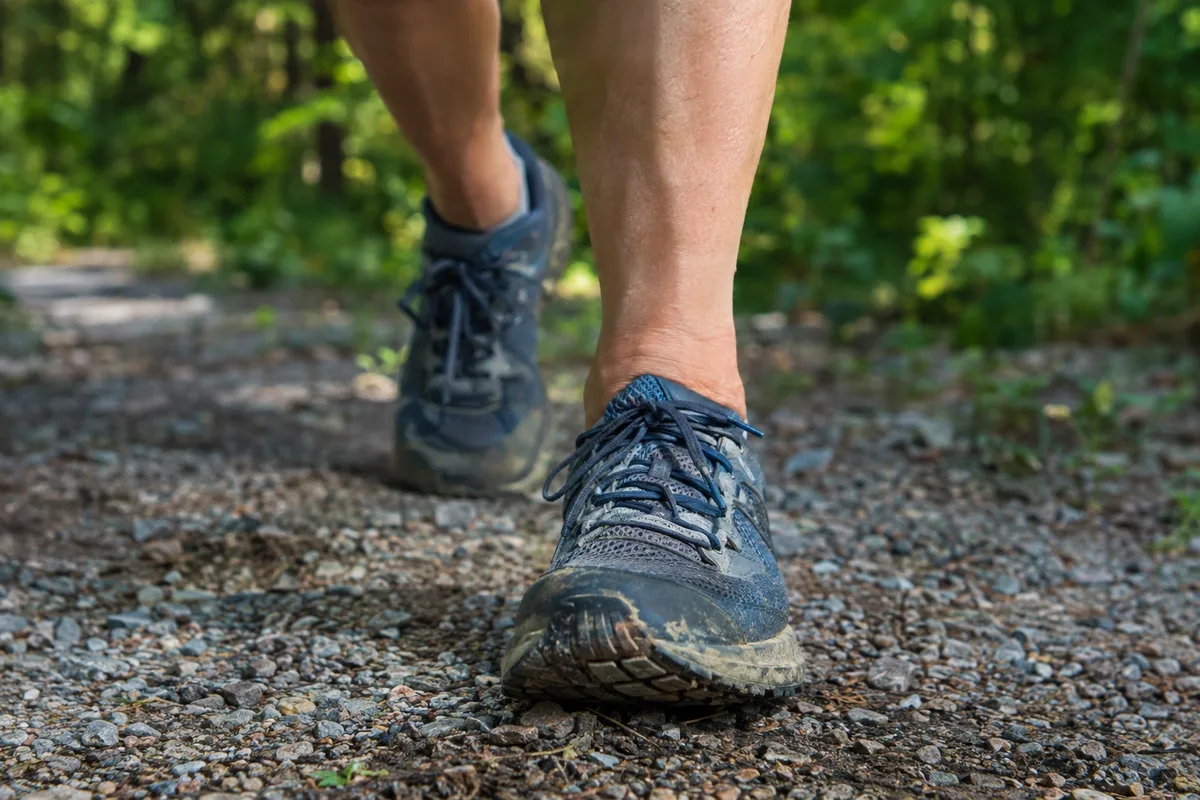
The softer, lively sole may feel less planted than a broader and more structured shoe. That is not necessarily a drawback, but it makes a trial run particularly useful. Notice whether the shoe feels controlled when turning corners and when your pace changes.
For race-focused running, the FuelCell SuperComp Elite is the more specialised alternative. It uses a stiff plate and a high-performance sole to encourage a quick rolling motion. That design can feel less natural at slower speeds, so it is better treated as a specific option rather than an automatic upgrade.
- FuelCell Rebel for flexible, faster training
- SuperComp Elite for race-focused running
- A responsive feel rather than a traditional firm ride
- Best assessed while running, not only while standing
Best for trails and mixed ground: Fresh Foam X Hierro
The Fresh Foam X Hierro is intended for paths, gravel and uneven ground. Its outsole has deeper tread than a typical road shoe, helping it grip loose or broken surfaces. The cushioned sole keeps it closer in feel to a comfortable running shoe than a rigid outdoor boot.
Trail conditions vary, so no tread pattern is ideal everywhere. Deep mud, wet rock, dry paths and hard-packed tracks place different demands on a shoe. Consider the surface you use most often rather than choosing solely by how rugged the shoe looks.
A trail shoe should hold the heel securely when moving uphill or downhill. Leave enough toe room for descents, but avoid so much space that your foot slides around. For routes that mix pavement and light paths, the Hierro can be more practical than an aggressively lugged trail model.
- Grippy outsole for paths and uneven ground
- Cushioned feel for longer outdoor runs
- More protection underfoot than a standard road shoe
- Suitable for mixed routes when the tread does not feel awkward on pavement
Best for walking and casual wear: 574 and 530
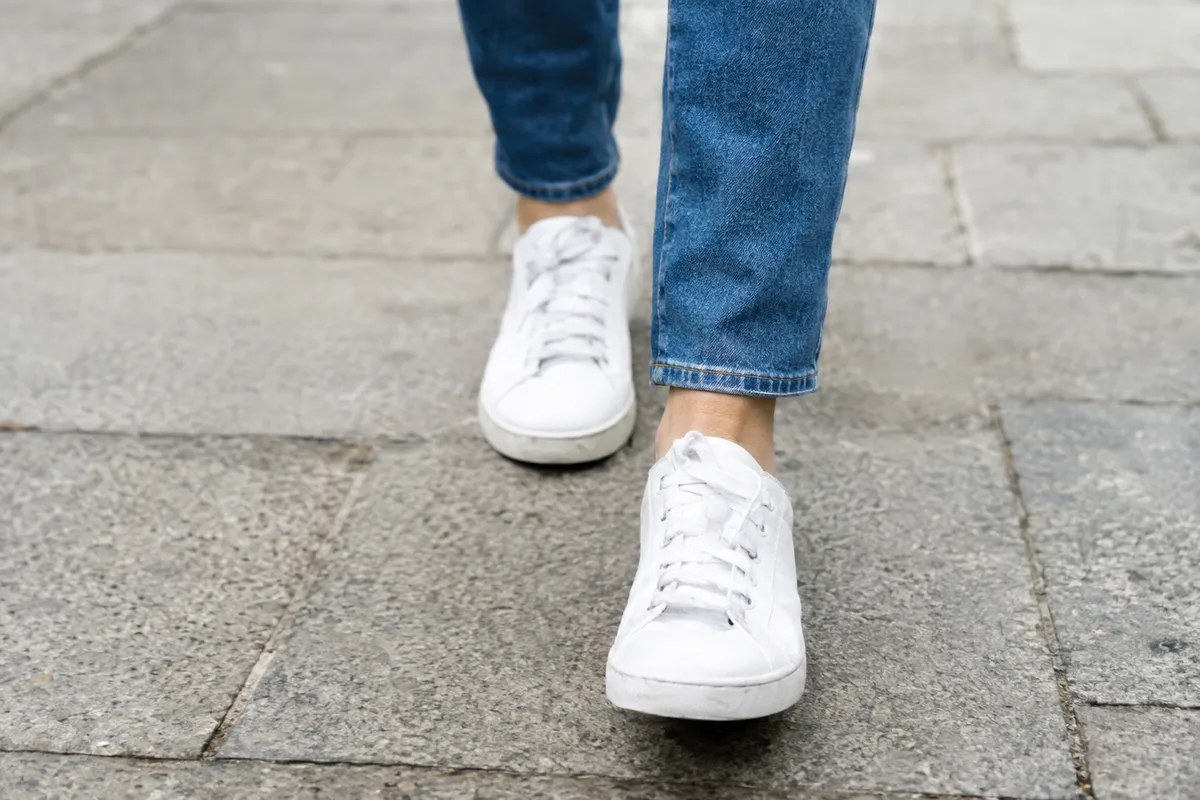
The 574 and 530 are lifestyle shoes rather than modern performance-running models. The 574 has a classic, slightly sturdier shape, while the 530 has a lighter-looking mesh design inspired by older running shoes. Both can suit everyday wear when their fit matches your foot.
For long walks, comfort matters more than whether a shoe is labelled as a trainer or lifestyle model. Check the heel hold, forefoot width and underfoot feel after moving around for a while. If you prefer modern running-shoe cushioning, the 1080 or 880 may feel more comfortable than either casual option.
Choose according to use rather than appearance alone. Running shoes are designed around repeated forward movement, trail shoes add grip, and lifestyle shoes prioritise everyday styling and general comfort. The best option is the one that fits securely, bends comfortably and suits the surfaces you actually use.
- 574 for a classic suede-and-mesh style
- 530 for a lighter retro-running look
- 1080 for softer cushioning during regular walking
- 880 for a balanced walking and running option
- Try different widths where available