
How to Choose the Best Organic Protein Powder for You
The best organic protein powder is the one that suits your diet, preferences and usual meals. A short ingredient list and a clear label can make comparison easier.
Start with what “best” means to you
Protein powders can be convenient, but organic does not automatically mean more nutritious or better suited to your goals. Decide whether you value a simple ingredient list, a particular protein source, an unflavoured option or something that mixes easily.

Look at your food log before comparing powders. If you already get enough protein from meals, a powder may offer little practical benefit; if there is a regular gap, the label can help you find an appropriate serving.
Compare the protein sources
Organic protein powders may use milk-based proteins or plant sources such as peas, brown rice, hemp, soya or seeds. Each has a different flavour, texture and amino acid profile, so the best choice depends on what you eat elsewhere and what you enjoy.
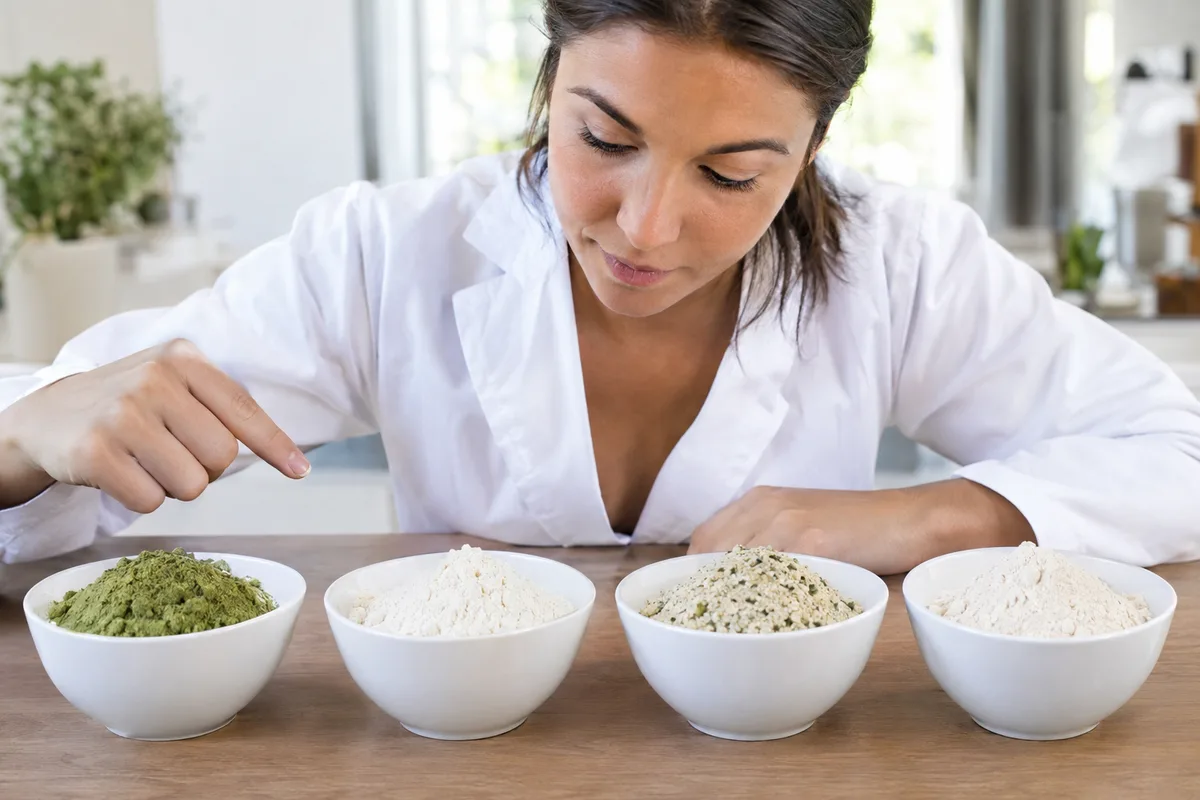
Blended plant proteins combine more than one source and can provide a broader mix of amino acids. Single-source powders may be easier to understand and track, particularly if you prefer to keep your diet simple.
Read beyond the front of the pack
Check the protein per serving, serving size and full ingredient list rather than relying on claims on the front. Protein and carbohydrate provide about 4 kcal per gram, while fat provides about 9 kcal per gram, so added oils or carbohydrate-rich ingredients can noticeably change the energy content.

Flavoured powders may contain sweeteners, flavourings, thickeners or salt. These are not automatically a problem, but an unflavoured powder often gives you more control over taste and makes the source of the nutrition easier to see in your tracker.
Check the organic claim and practical fit
Look for recognised organic certification rather than assuming that words such as natural, clean or plant-based mean the same thing. Organic certification concerns how ingredients are produced and handled; it does not guarantee that a powder will taste better or match your nutritional needs.
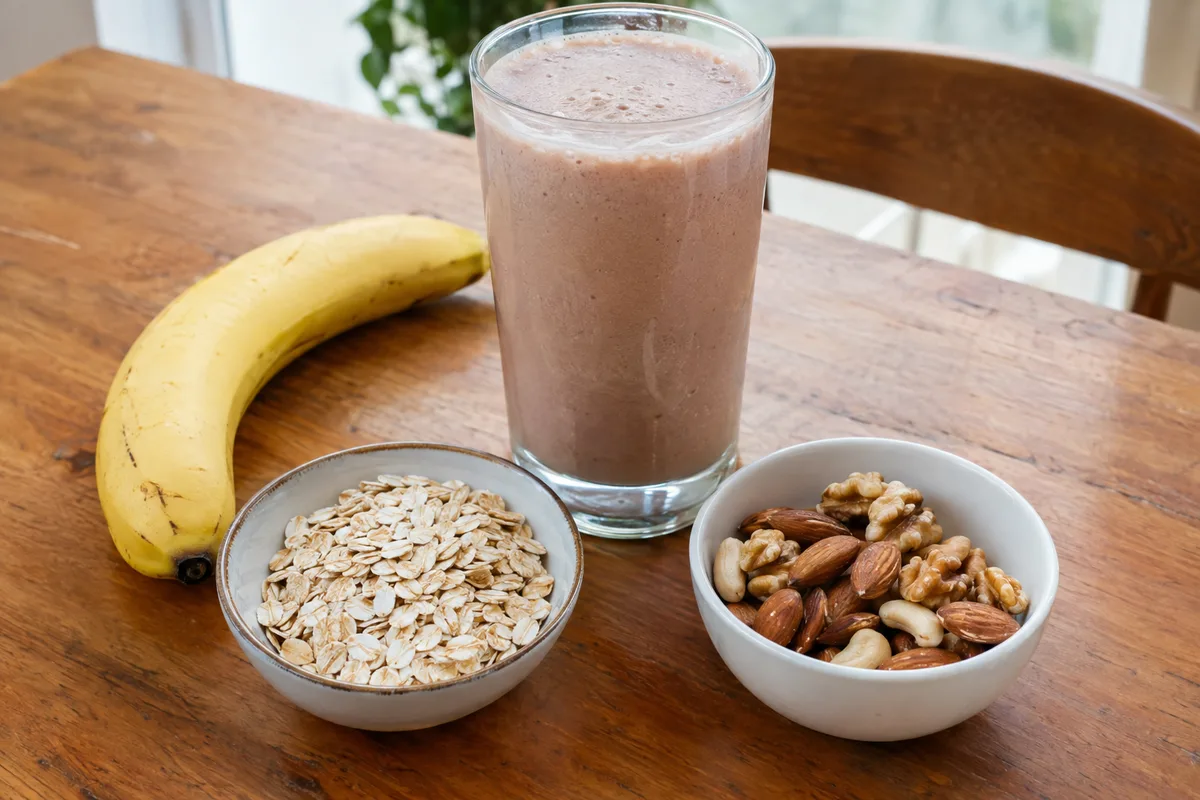
Use your tracker to compare powders on the same basis, such as protein and energy per serving or per gram. Also consider texture, digestibility and how the powder fits into foods you already log, because the most suitable option is one you can use consistently without disrupting the rest of your diet.