
How to Find the Best Protein Bar for You
The best protein bar is not simply the one with the boldest protein claim. Your usual meals, preferences and reason for eating it all matter.
Start with its purpose
Decide what you want the bar to do before comparing labels. It might be a convenient snack, something to keep in a bag or a simple way to add protein when your usual food falls short.
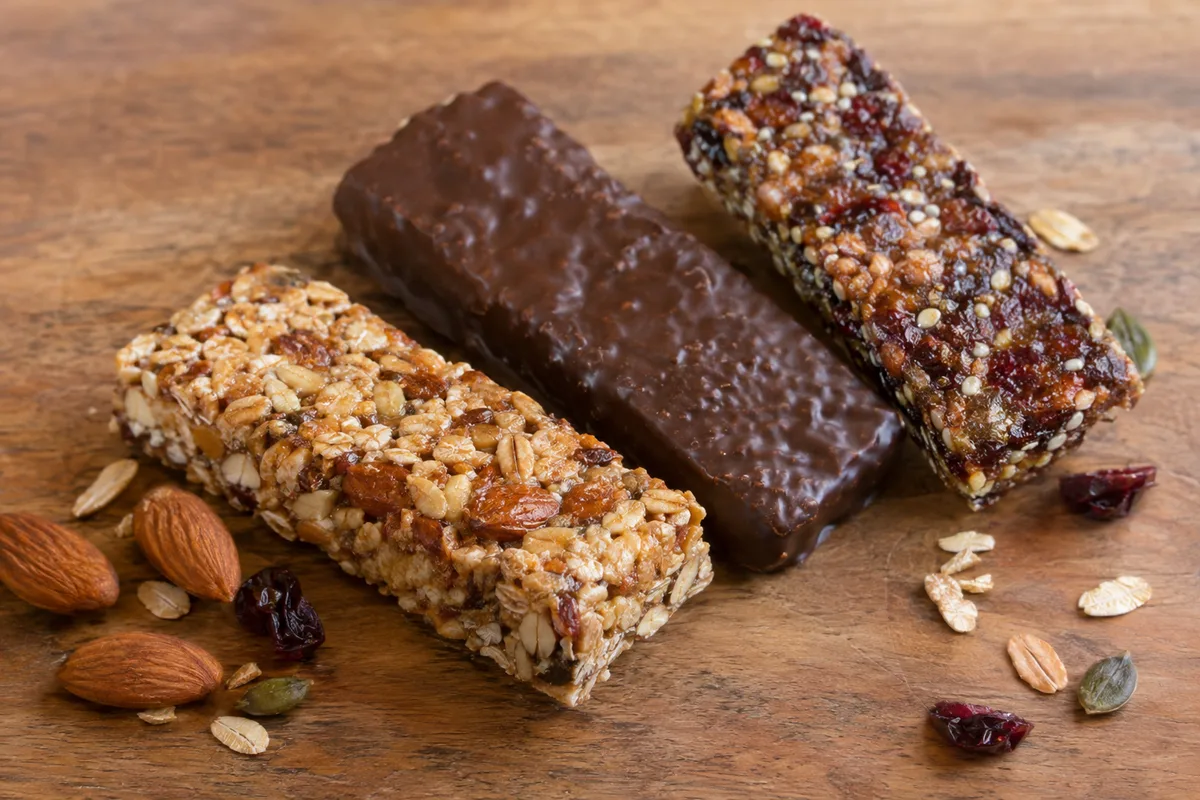
A bar does not need to replace a balanced meal to be useful. If you already track your food, check how it fits into the whole day rather than judging it as a standalone item.
Read beyond the front label
Compare the protein amount with the bar's total energy and serving size. Protein provides about 4 kcal per gram, while carbohydrate provides about 4 and fat about 9, so the final energy value reflects the full recipe.
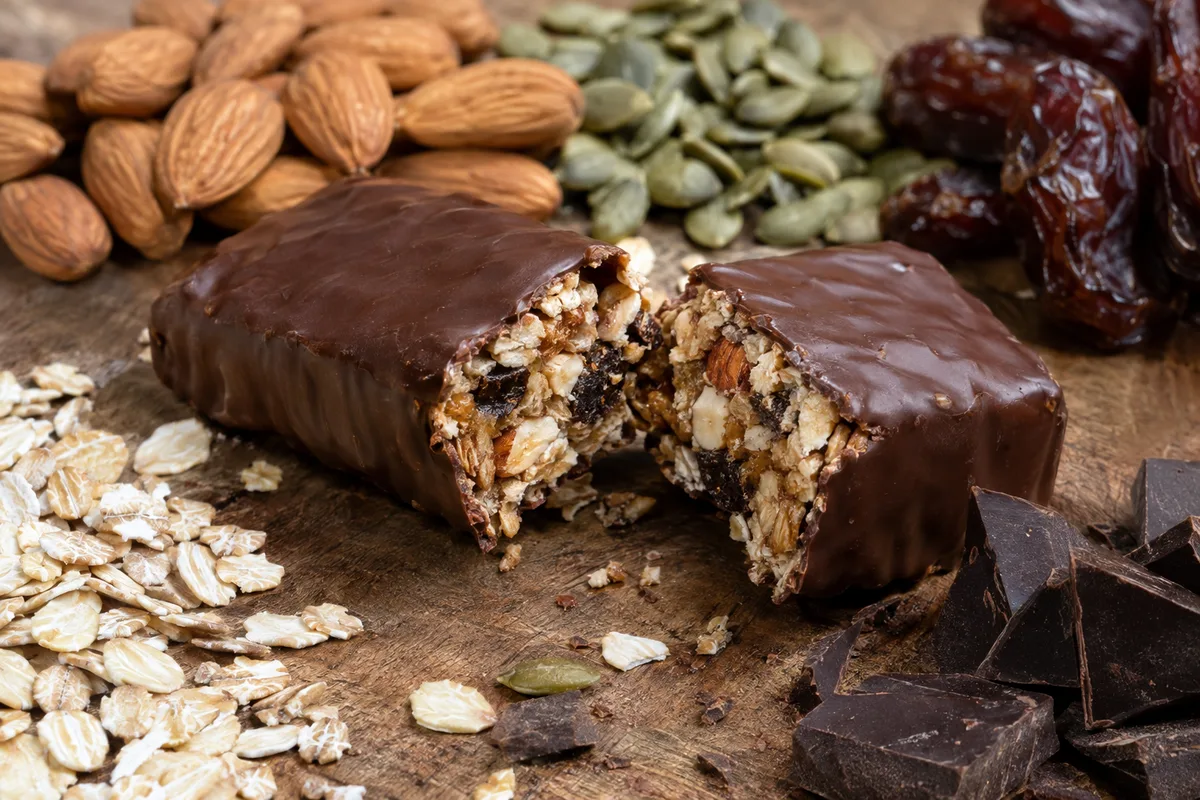
Look at fibre, sugars and saturated fat alongside protein. There is no single ideal number for everyone, but side-by-side label checks can show which bar better matches your current targets.
Check ingredients and practicality
The ingredients list can explain where the protein, sweetness and texture come from. A shorter list is not automatically better, so focus on ingredients you recognise, tolerate and are comfortable including in your routine.

Texture and flavour also affect whether a bar is genuinely practical. A nutritionally impressive option is less helpful if it is too dry, overly sweet or difficult to eat when you normally need it.
Choose by context, not rankings
A higher-protein bar may suit a day when your meals contain less protein, while another option may fit better when you want more fibre or a lighter snack. The best choice can therefore change from one day to the next.
Log the complete bar and note how satisfying and convenient it felt. After comparing a few options in real situations, you can judge them using your own eating pattern rather than a general ranking.