
How to Find the Best Pea Protein Powder for You
The best pea protein powder is one that suits your meals, preferences and reasons for using it. This guide explains how to read the label, compare formulas and track it accurately.
Start with what you need it to do
Pea protein powder is a concentrated source of plant protein, usually made from yellow peas. It can add protein to a meal or snack without changing the portion very much. The best option depends on where it fits into the food you already track.
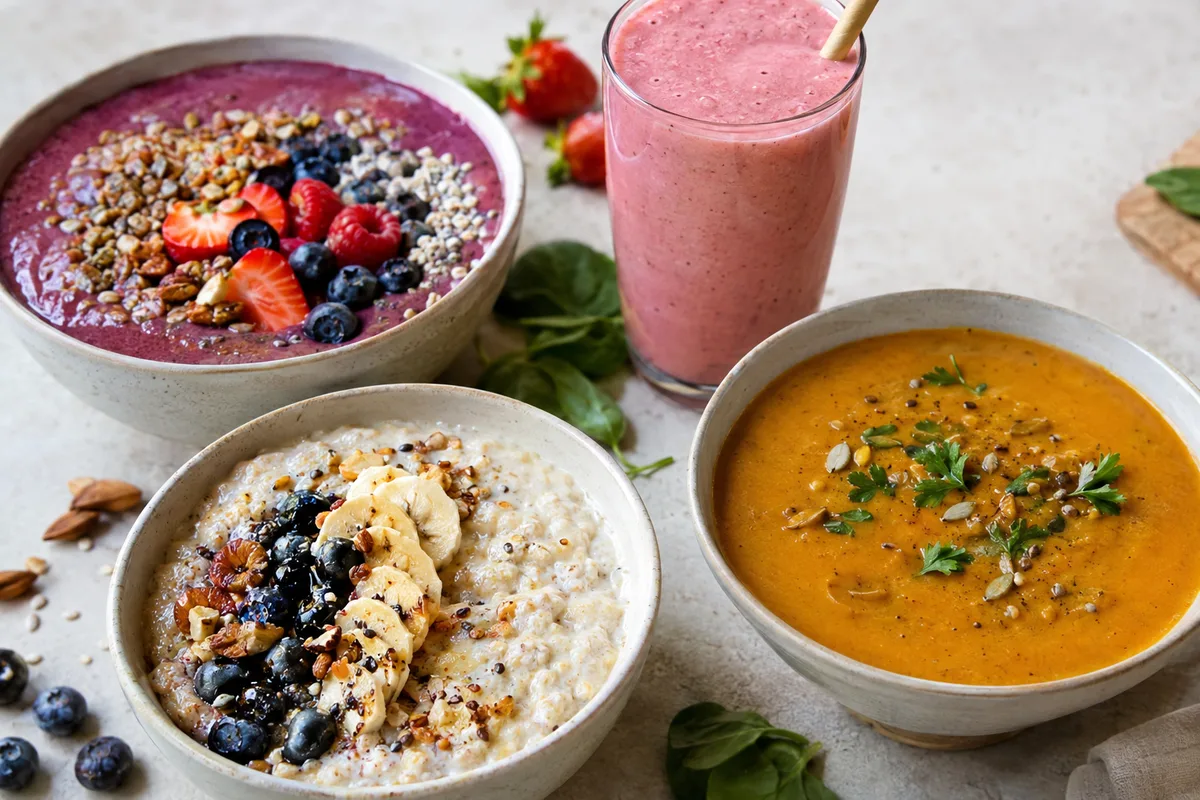
Think about how you plan to use the powder before comparing labels. A plain powder may suit savoury meals, while a flavoured version may work better in smoothies or porridge. Your preferred sweetness and texture matter just as much as the front of the pack.
- For smoothies, look for a flavour that works with fruit, milk or a milk alternative.
- For porridge, consider how strongly the powder tastes when stirred into warm food.
- For baking, an unflavoured powder is easier to use across different recipes.
- For a simple drink, texture and sweetness are likely to be more noticeable.
Compare the nutrition label carefully
Start with the serving size because it is not always the same as the amount you use. Compare the protein, carbohydrate, fat and energy for an equal weight of powder where possible. This gives you a fairer comparison than looking only at the figures per serving.
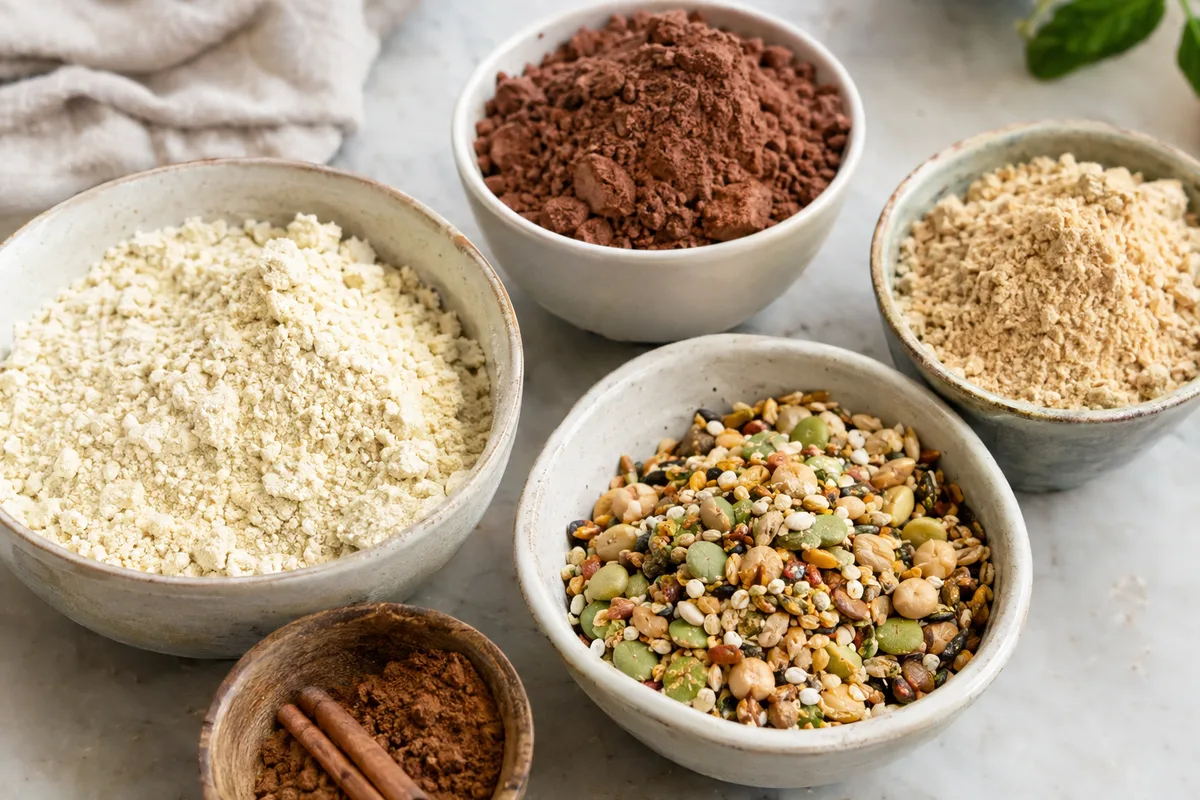
A powder with more protein is not automatically the best choice. Flavouring ingredients can change the carbohydrate, fat and energy content, while a larger suggested serving can make the protein figure look higher. The right balance depends on the rest of your meal and your daily targets.
- Check whether the serving is given by scoop, weight or both.
- Compare products using the same weight of powder.
- Look at protein alongside total energy rather than in isolation.
- Check whether your usual portion matches the suggested serving.
- Log the figures from the exact flavour, as flavours can differ.
Look beyond the protein figure
Some pea protein powders contain little more than pea protein, while others include flavourings, sweeteners, thickeners or other plant proteins. A longer ingredient list is not necessarily worse, but each addition can affect taste, texture and nutrition. Reading the full list helps you understand what you are tracking.
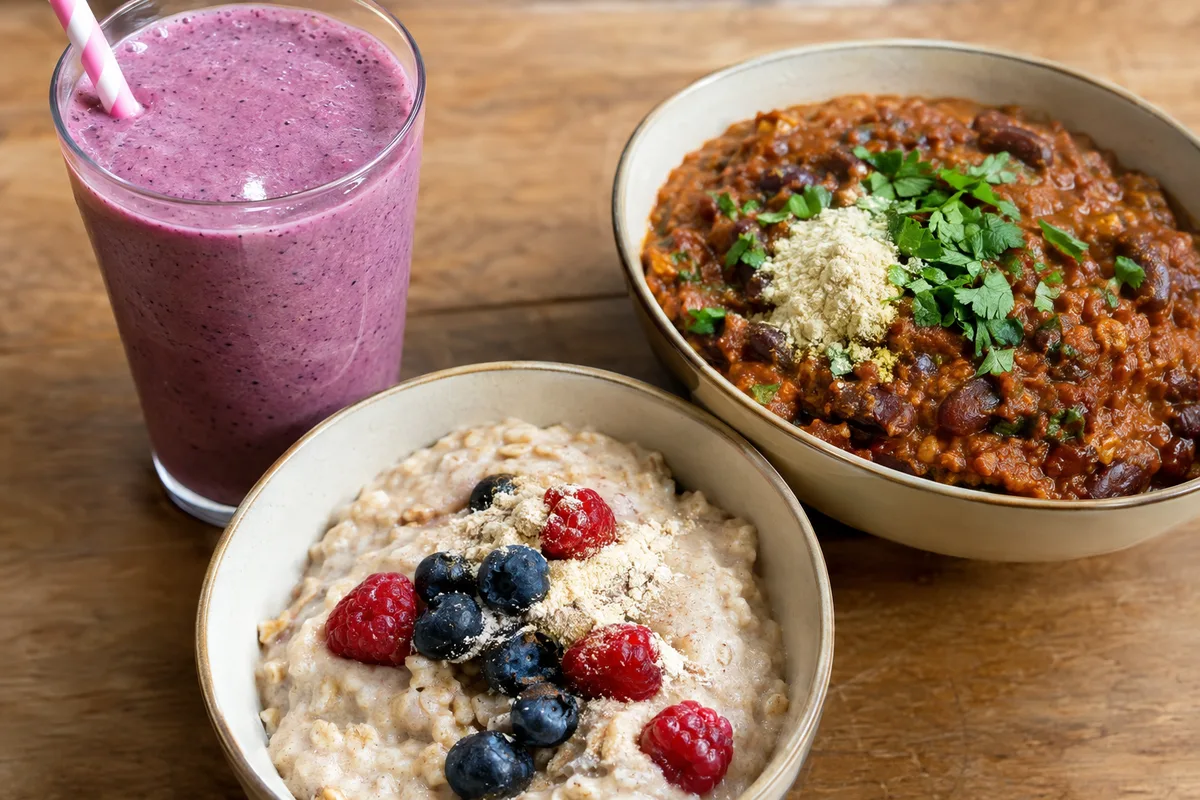
Blended plant proteins may have a different flavour and consistency from pea protein on its own. Thickeners can make drinks creamier, while sweeteners can leave an aftertaste for some readers. Choose according to how the formula works in your usual food rather than how short the ingredient list appears.
- Plain pea protein for flexible sweet or savoury use.
- Flavoured pea protein for quick drinks and breakfast bowls.
- Plant protein blends for a different texture or flavour profile.
- Formulas with thickeners for a fuller consistency.
- Unsweetened options when you prefer to control sweetness yourself.
Judge flavour and texture in a real meal
Pea protein often has an earthy flavour, although the strength varies between formulas. It can also become thick or slightly grainy, particularly when mixed with a small amount of liquid. These features are easier to judge in the meal where you intend to use it.
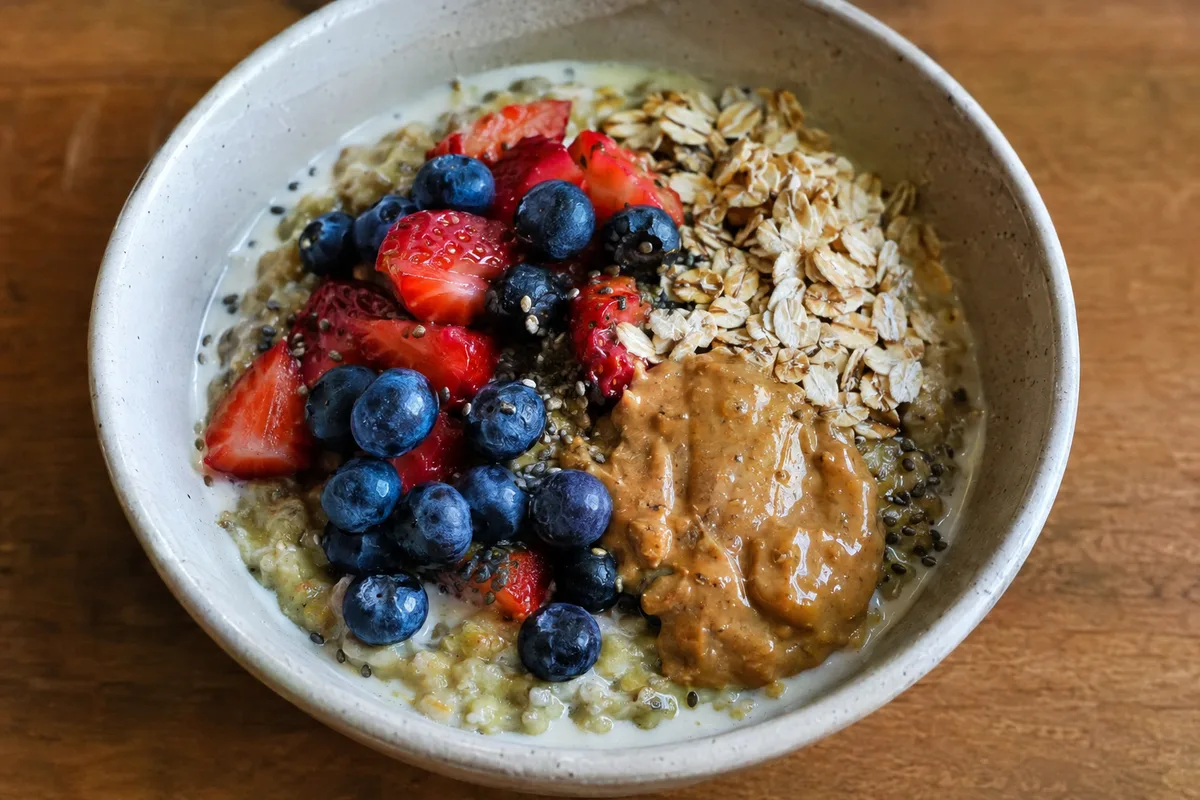
Change only one part of the recipe while you assess the powder. Keep the fruit, liquid and other ingredients the same so you can tell what the powder contributes. If the result is too thick, add liquid gradually rather than changing several ingredients at once.
- Blend it with banana or berries to soften an earthy taste.
- Stir it into porridge after cooking to check the final thickness.
- Mix plain powder into soup or a bean-based sauce for savoury use.
- Combine it with yoghurt or a plant-based alternative for a thicker snack.
- Use cocoa or spices when you want flavour without relying only on sweetness.
Log the amount you actually use
A scoop is convenient, but it may not match the serving shown in your food tracker. Scoop size and how tightly powder is packed can change the amount. Use the weight stated on the label when entering a serving, and adjust the logged portion to reflect what went into your meal.
Remember to log the other ingredients as well. Milk, a milk alternative, fruit, oats, nut butter and sweeteners can contribute more energy than the powder itself. Saving the complete recipe can make repeated meals easier to record consistently.
- Select the correct brand and flavour entry when it is available.
- Check the database figures against the current label.
- Adjust the serving when you use more or less than the listed amount.
- Include liquids and additions rather than logging only the powder.
- Save common combinations as recipes or meals.
Use a simple checklist to decide what is best
There is no single pea protein powder that is best for every reader. A useful option should fit your nutrition targets, taste acceptable in your chosen meal and be straightforward to log. It should also have an ingredient list that you understand and are comfortable using.
Compare a small set of features rather than relying on claims on the front of the pack. Give the most weight to the features that affect your daily routine, such as flavour, texture and serving information. The best fit is the one you can use consistently in meals you already enjoy.
- Does the protein content fit the purpose of the meal?
- Can you read and understand the serving information?
- Does the flavour suit how you plan to use it?
- Does the texture work with your preferred amount of liquid?
- Can you log the exact formula accurately?