
How to choose the best vegan protein powder for you
There is no single vegan protein powder that is best for everyone. This guide explains the main types, what to check on the label and how to log a serving accurately.
Start with what you need from a protein powder
A vegan protein powder is a concentrated source of protein made from plants. It can make protein easier to add to a meal or snack, but it does not have to replace ordinary food. The best choice is one that suits your eating pattern, preferences and reasons for using it.
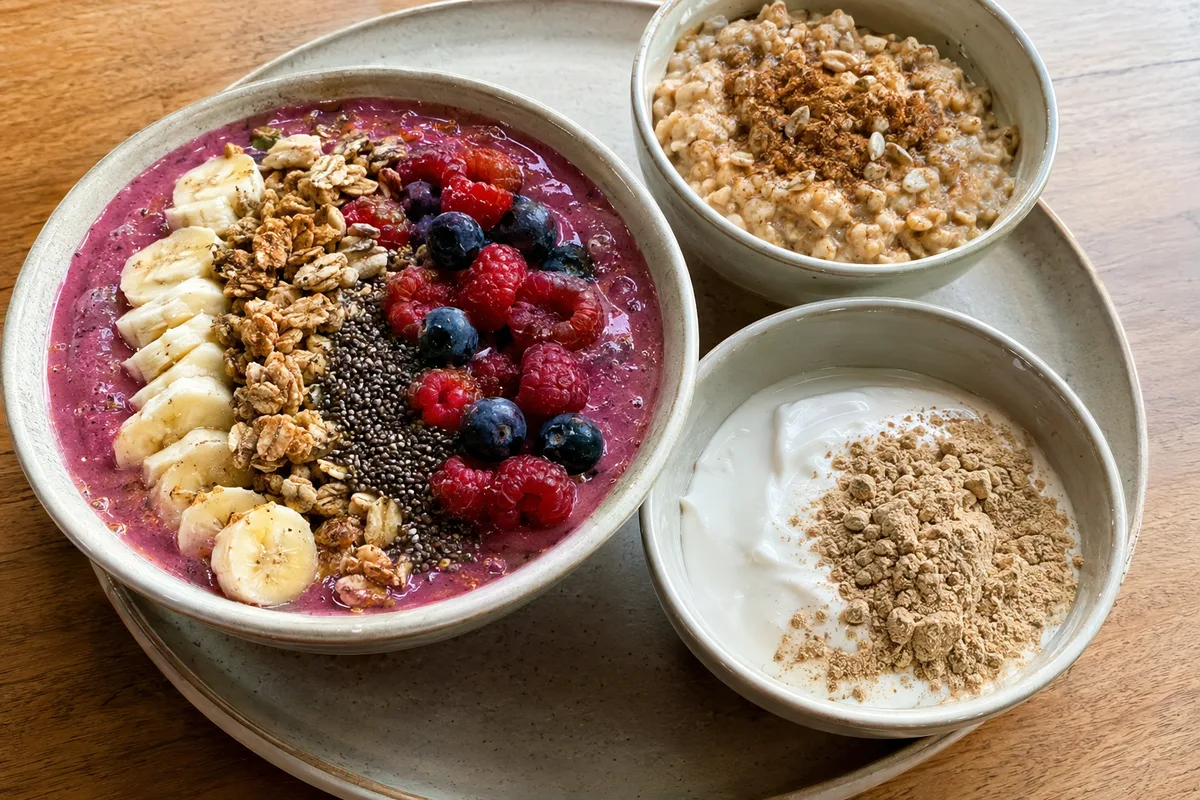
Think about where the powder will fit before comparing tubs or packets. A powder for a fruit smoothie may need different flavours and texture from one stirred into porridge. If you already track your food, your diary can show whether you need more protein at a particular meal or simply want a convenient option.
- Decide whether you want it for smoothies, porridge, baking or mixing with water
- Check which flavours will work with the foods you already eat
- Consider whether a smooth texture or a short ingredient list matters more to you
- Use your food log to see where the powder would fit rather than adding it automatically
Compare the main plant protein sources
Pea, soya, rice and hemp are common bases for vegan protein powders. Each has a different flavour, texture and amino acid profile, so the right option depends partly on how you plan to use it. Some powders use one source, while blends combine two or more.
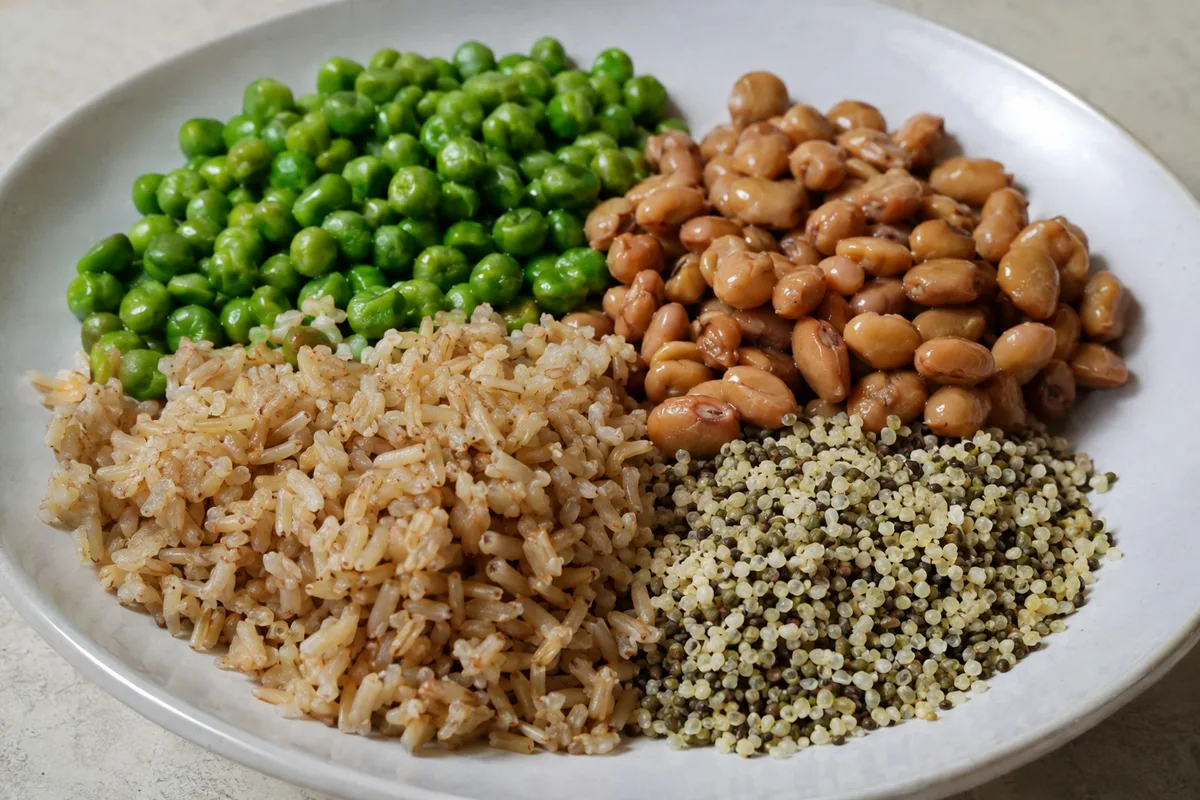
Soya protein generally contains all the essential amino acids in useful proportions. Pea protein provides a broad range but is relatively lower in some amino acids, while rice protein has different strengths. Blending pea and rice can create a more balanced profile, although your overall diet matters more than making every serving perfect.
Hemp powder often retains more fibre and has a noticeable earthy taste. Its protein may be less concentrated than highly refined pea, soya or rice isolates. Seed proteins and less common plant blends can also work, but the nutrition label is more useful than the ingredient's novelty.
- Pea: mild to earthy, often creamy and commonly used alone or in blends
- Soya: usually smooth, versatile and rich in essential amino acids
- Rice: relatively neutral but sometimes slightly gritty
- Hemp: earthy, often higher in fibre and less protein-dense
- Plant blends: combine sources to adjust taste, texture and amino acid balance
Read the label rather than the front of the pack
The serving suggested on the pack may not match the amount you actually use. Compare protein per serving, but also check the serving size so that you are comparing like with like. A larger scoop can appear to provide more protein simply because it contains more powder.
Look at the full ingredient list as well as the headline protein figure. Flavoured powders may contain sweeteners, flavourings, thickeners, salt or added vitamins and minerals. These are not automatically good or bad, but they can affect taste, texture and how easily the powder fits your usual meals.
The word vegan describes the ingredients, not the nutritional balance of the product. Check for ingredients you avoid and any relevant manufacturing statements on the pack. If certification or production standards matter to you, confirm them from the current label rather than relying on packaging style.
- Compare protein amounts using the same weight of powder
- Check how many ingredients are included and what role they play
- Review carbohydrate, fat, fibre and salt alongside protein
- Look for ingredients that do not suit your preferences
- Confirm that the current label clearly states the product is vegan
Taste and texture can decide what works
A nutritionally impressive powder is not useful if you dislike eating it. Pea and hemp can taste earthy, while rice may feel slightly grainy and soya is often smoother. Processing and added ingredients mean that two powders made from the same plant can still taste different.
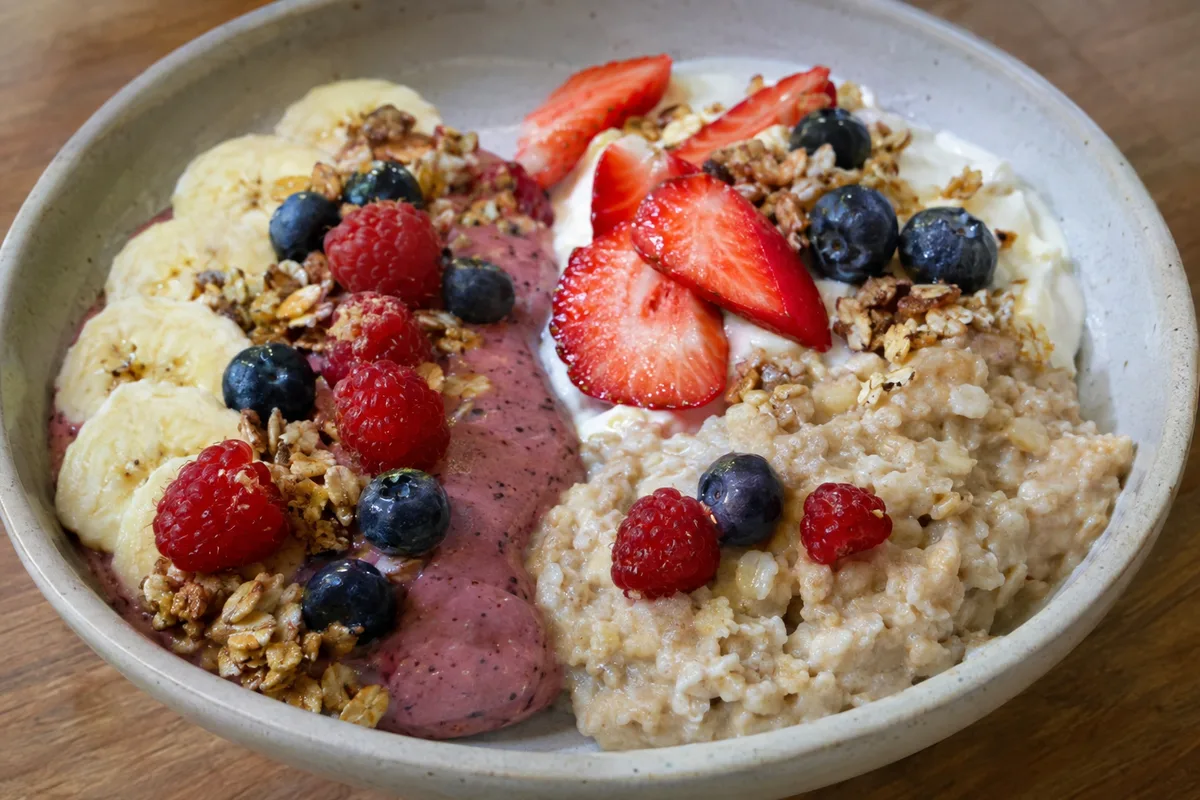
Unflavoured powder gives you more control over sweetness and works in both sweet and savoury foods. Flavoured versions may be easier to mix with water, but the flavour can become strong in porridge or baking. The best format is the one that works in the meals you genuinely prepare.
Texture also changes with the liquid and mixing method. A thick smoothie can hide graininess better than water, while porridge may need extra liquid after powder is added. Start with a modest amount in a familiar meal and adjust according to the texture you prefer.
- Blend unflavoured powder with fruit and a plant drink
- Stir it into porridge with extra liquid
- Mix it into plant-based yoghurt with fruit
- Use a neutral powder in soup or a savoury sauce
- Add it to a familiar baking recipe while checking the final texture
Log the amount you actually use
For accurate tracking, record the powder by weight when possible rather than assuming every scoop is identical. Scoops can be filled level, heaped or loosely, which changes the amount. The nutrition entry should match the flavour and version shown on your label because recipes can differ.
If the powder is part of a smoothie, log the other ingredients separately. Plant drinks, fruit, nut butter, oats and seeds all contribute energy and nutrients. Saving the complete combination as a repeat meal can make later entries quicker.
Avoid counting the powder twice when it is already included in a saved recipe. If you change the amount or switch product, update the entry rather than keeping the old values. Your ideal serving depends on the rest of your day, your appetite and your personal protein needs.
- Use the nutrition information from the current pack
- Record the weight of powder actually added
- Log liquids, fruit and other additions separately
- Update saved meals when ingredients or portions change
Keep the wider diet in view
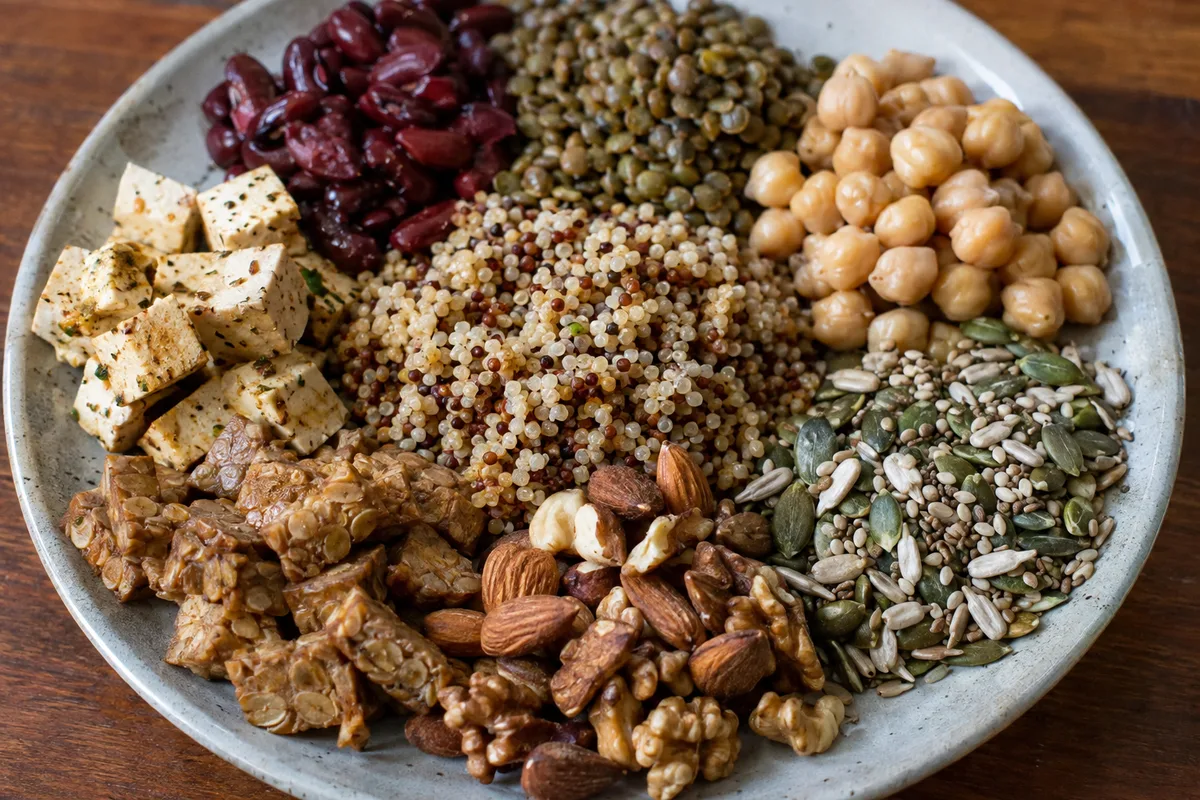
Protein powder is one option, not the foundation of a varied vegan diet. Beans, lentils, chickpeas, tofu, tempeh, nuts, seeds and grains provide protein alongside other nutrients and textures. Whole foods also make meals more substantial and enjoyable.
You do not usually need every meal to contain a perfectly matched set of plant proteins. Eating a varied selection across the day supplies different amino acids. A powder can fill a practical gap, but it cannot provide everything found in a balanced range of foods.
The best vegan protein powder is therefore the one with a suitable protein source, an acceptable ingredient list and a taste you can use comfortably. It should fit your tracking habits without crowding out ordinary meals. Reviewing your food diary from time to time can help you decide whether it is still useful.
- Include beans or lentils in soups, stews and salads
- Use tofu or tempeh in stir-fries and grain bowls
- Add nuts or seeds to porridge, yoghurt or salads
- Choose a range of grains and plant protein sources across the week