
How to Choose the Best Vibration Plate for Your Routine
The best vibration plate is one that suits your space, ability and preferred exercises. Clear settings, stable construction and comfortable movement matter more than an impressive list of modes.
What a vibration plate actually does
A vibration plate is a platform that moves rapidly while you stand, sit or exercise on it. Your muscles respond to the movement by repeatedly tightening and relaxing, although the sensation and effort depend on the machine, its settings and your position.
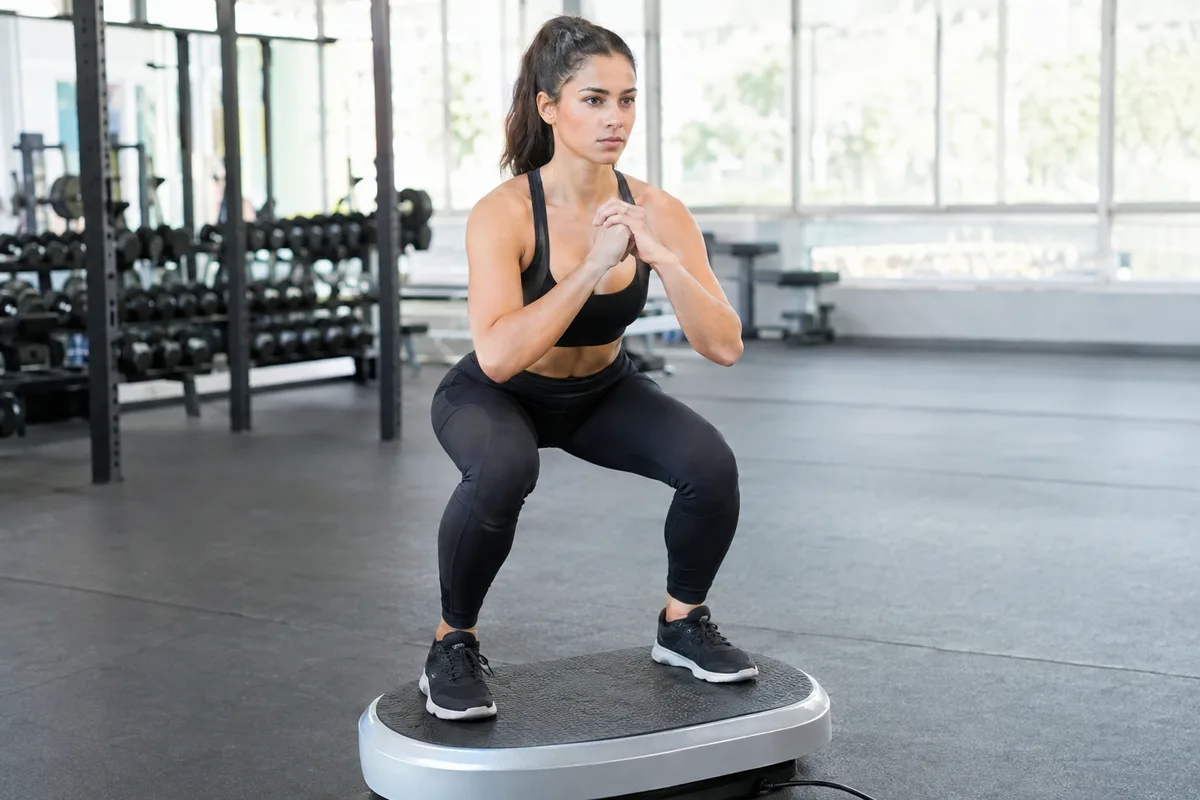
It can add a different challenge to movements such as squats, calf raises or supported holds. It does not replace everyday activity, strength work or attention to food intake, and calorie estimates shown by a machine should be treated as rough guides rather than exact additions to your food log.
Compare the type and range of movement
Some plates rock from side to side, while others move vertically or combine more than one direction. There is no single movement type that is best for everyone, so look for clear descriptions of how the platform moves and whether the intensity can be adjusted gradually.
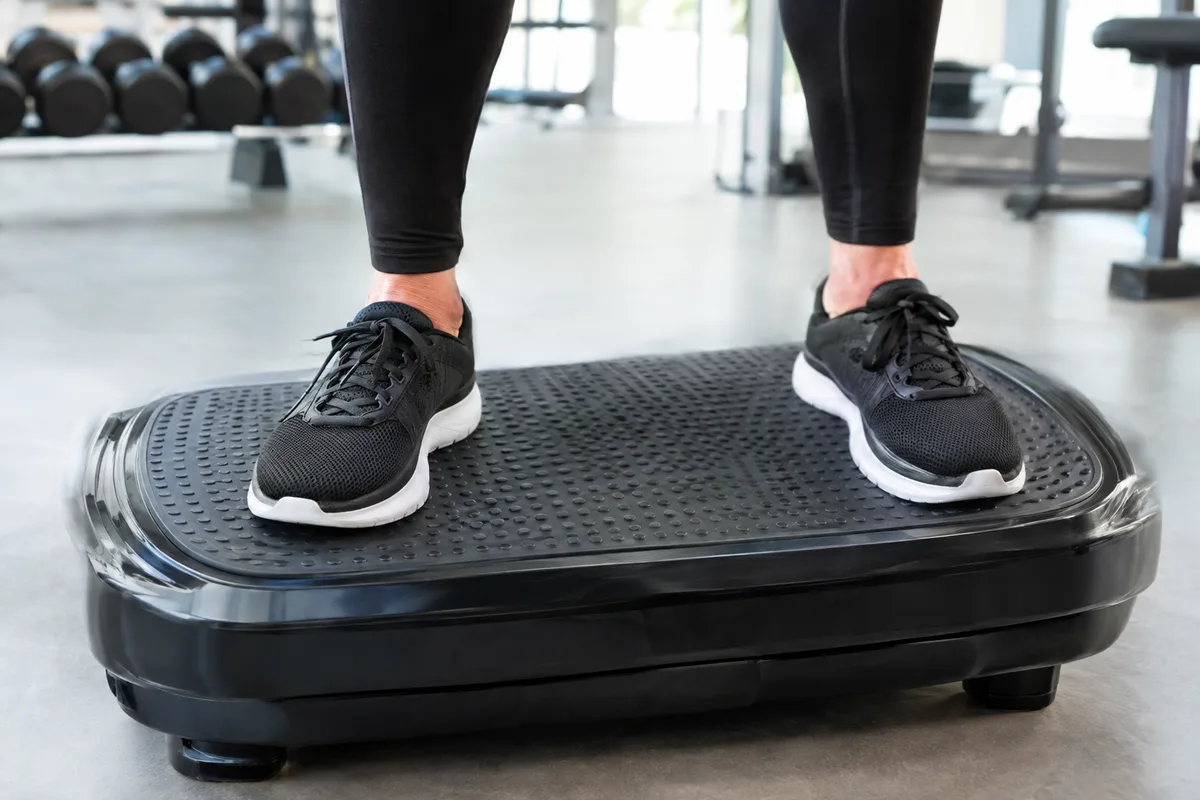
Frequency describes how quickly the plate vibrates, while amplitude describes the size of the movement. Labels and levels vary between models, which means a higher setting on one plate may not feel the same on another.
Check stability, size and controls
A useful plate should feel secure on the floor and offer enough platform space for the positions you plan to use. Check its dimensions, maximum supported user weight and storage needs rather than assuming every model will suit your room or body size.
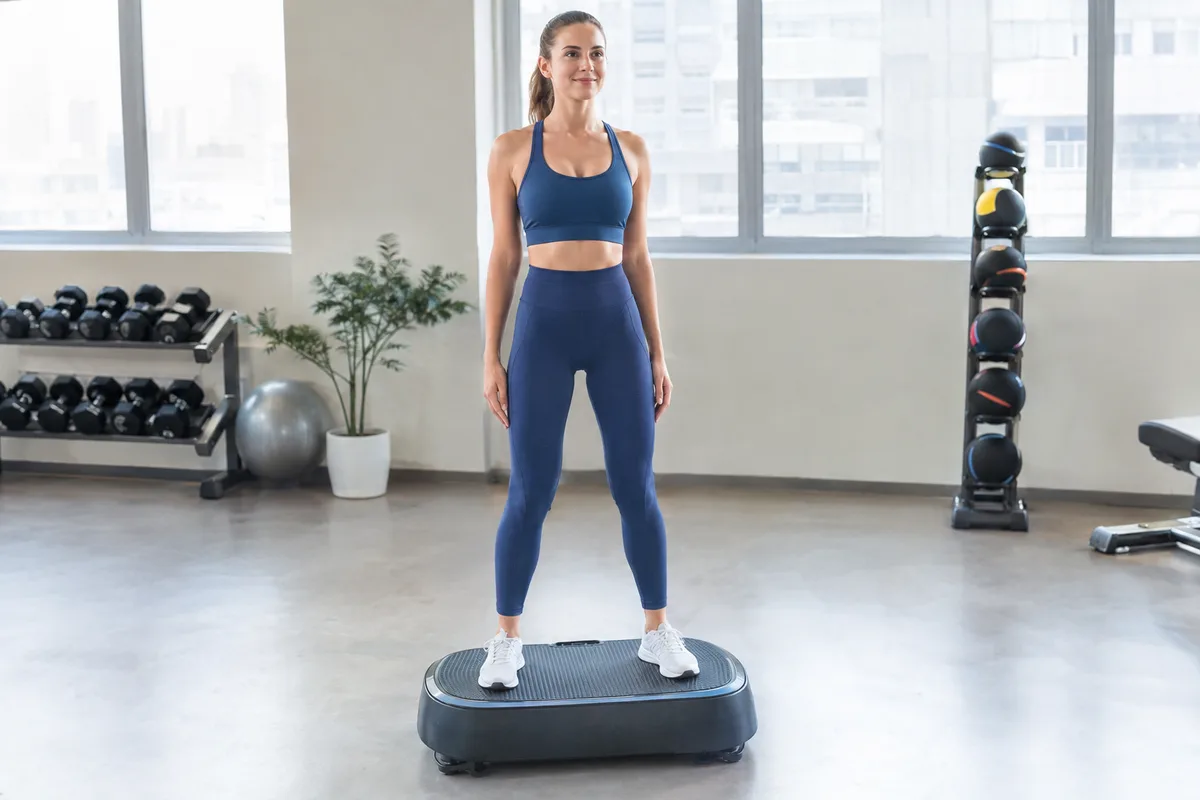
Controls should be easy to reach and understand, especially when you are balancing. A visible timer, gradual intensity steps, a remote control and a surface that helps your feet stay in place can make regular sessions simpler.
Choose features you will genuinely use
Preset programmes, resistance bands and multiple modes may sound appealing, but they only add value if they match your routine. Also consider noise, machine weight, handle options and whether you can move or store the plate comfortably.
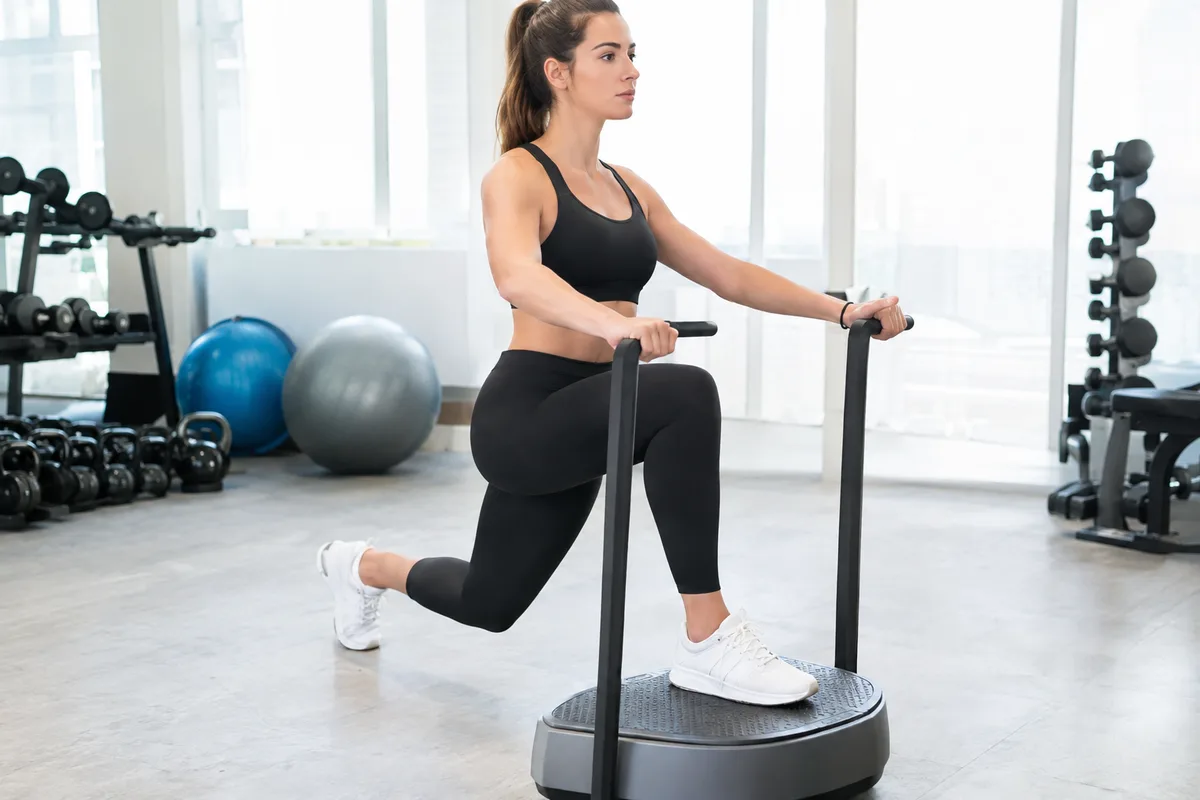
Start with a low setting and a short, steady session so you can learn how the movement feels. Stop if you feel unsteady or uncomfortable, and seek guidance from a qualified professional if you are unsure whether vibration exercise is appropriate for you.