
How to Choose the Best Weight Bench for Your Training
The best weight bench is the one that supports the exercises you actually do and fits safely into your available space. This guide explains the main bench types, useful features and checks to make before choosing one.
Start with the type of training you do
A weight bench creates a supported surface for exercises such as presses, rows, step-ups and seated lifts. The right design depends on which of those movements appear in your programme. A simple bench may be enough for a short routine, while varied sessions can benefit from adjustable positions.
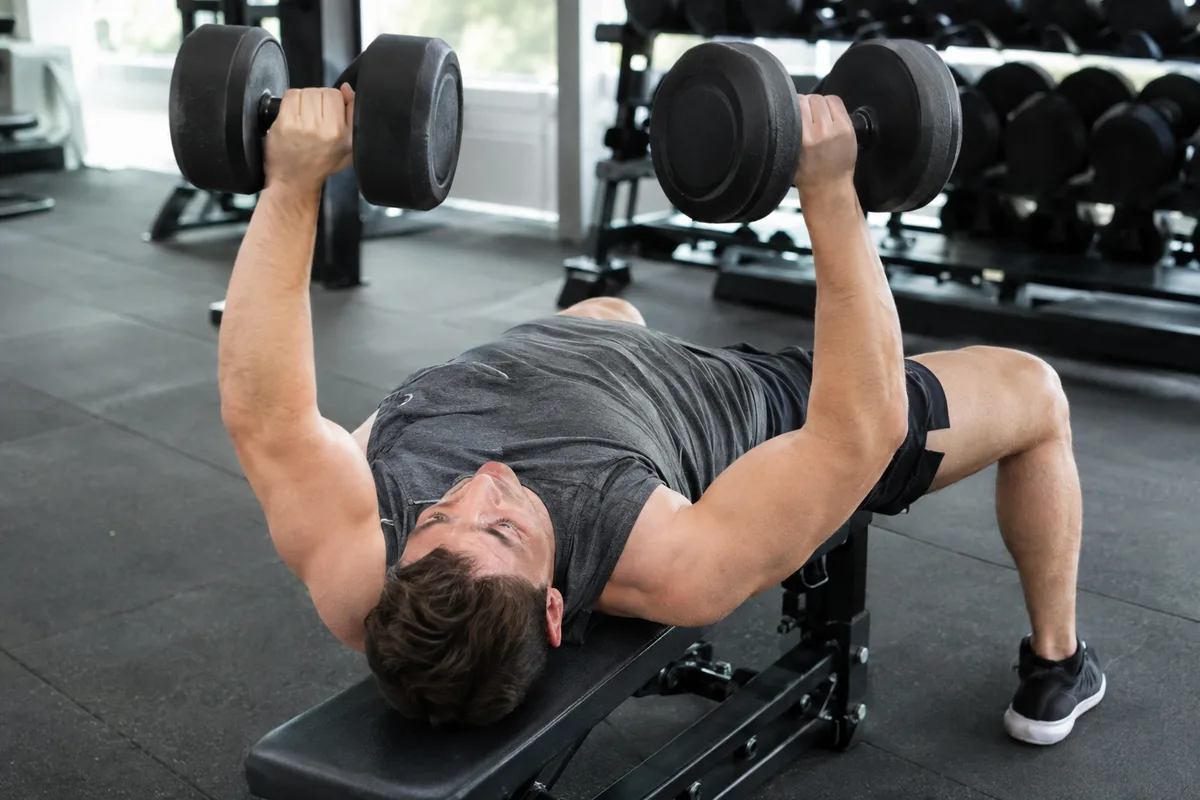
Think about your usual exercises before comparing features. If most of your training happens on a flat surface, extra adjustment points may add bulk without adding much value. If you regularly train at different angles, a bench with a movable backrest can make one piece of equipment more versatile.
- Flat bench for flat presses, supported rows and step-ups
- Adjustable bench for flat, incline and seated exercises
- Folding bench when storage space is limited
- Bench with rack compatibility for barbell-based training
Compare flat and adjustable benches
A flat bench has a fixed horizontal pad. Its simple frame can feel solid under load, and there are no hinges to adjust between exercises. It also tends to be easier to move around a room than a larger adjustable design.
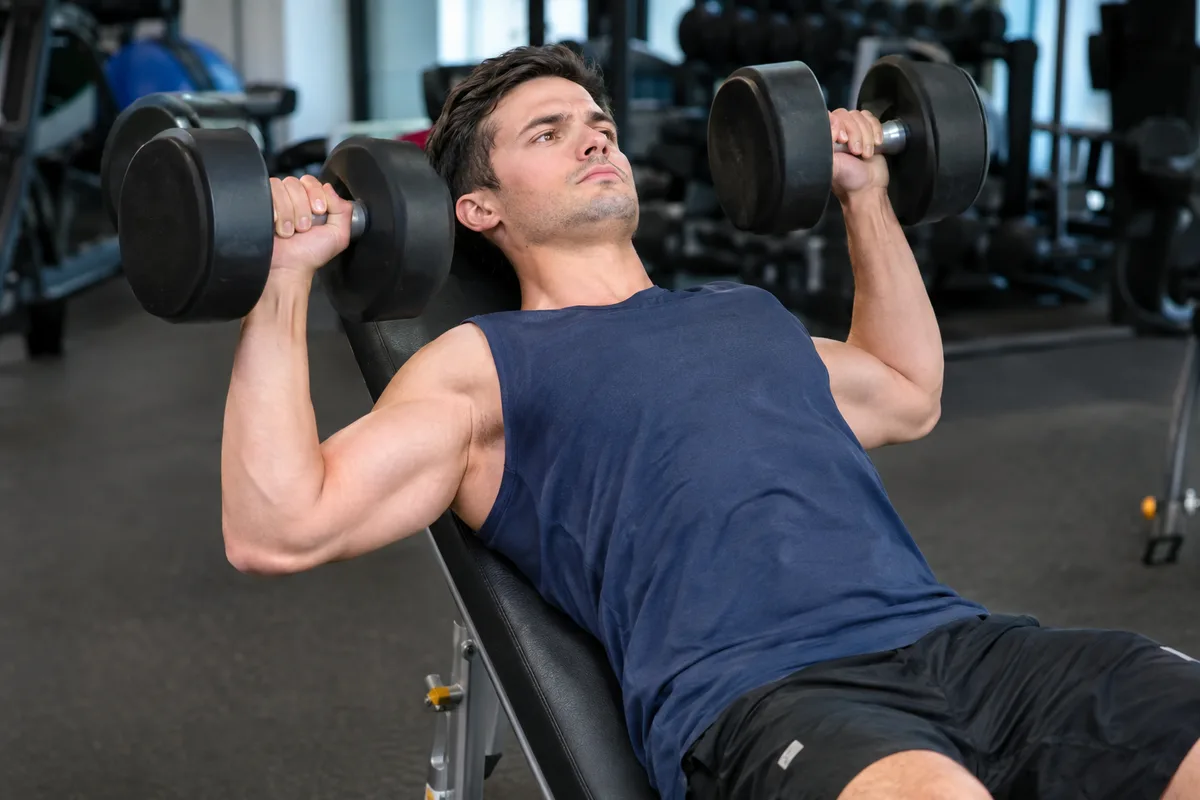
An adjustable bench lets you raise the backrest, and some models also change the seat angle. This supports incline presses, seated shoulder work and other angled movements. Check that each position locks firmly and that the gap between the seat and back pad does not interfere with your setup.
More settings do not automatically make a bench better. A smaller number of secure, useful positions can be more practical than many angles that you rarely use. Match the adjustment range to your programme rather than choosing by the length of the feature list.
- Choose flat when simplicity and a steady surface matter most
- Choose adjustable when your routine includes incline or seated work
- Check whether the seat moves as well as the backrest
- Test whether the locking mechanism is easy to see and confirm
Check stability, frame and stated load
A good bench should stay planted when you sit down, lie back or shift into position. Wide contact points can help, but the frame should not obstruct your feet during a press or your stance during a supported row. Any rocking may come from the bench, the floor or both.
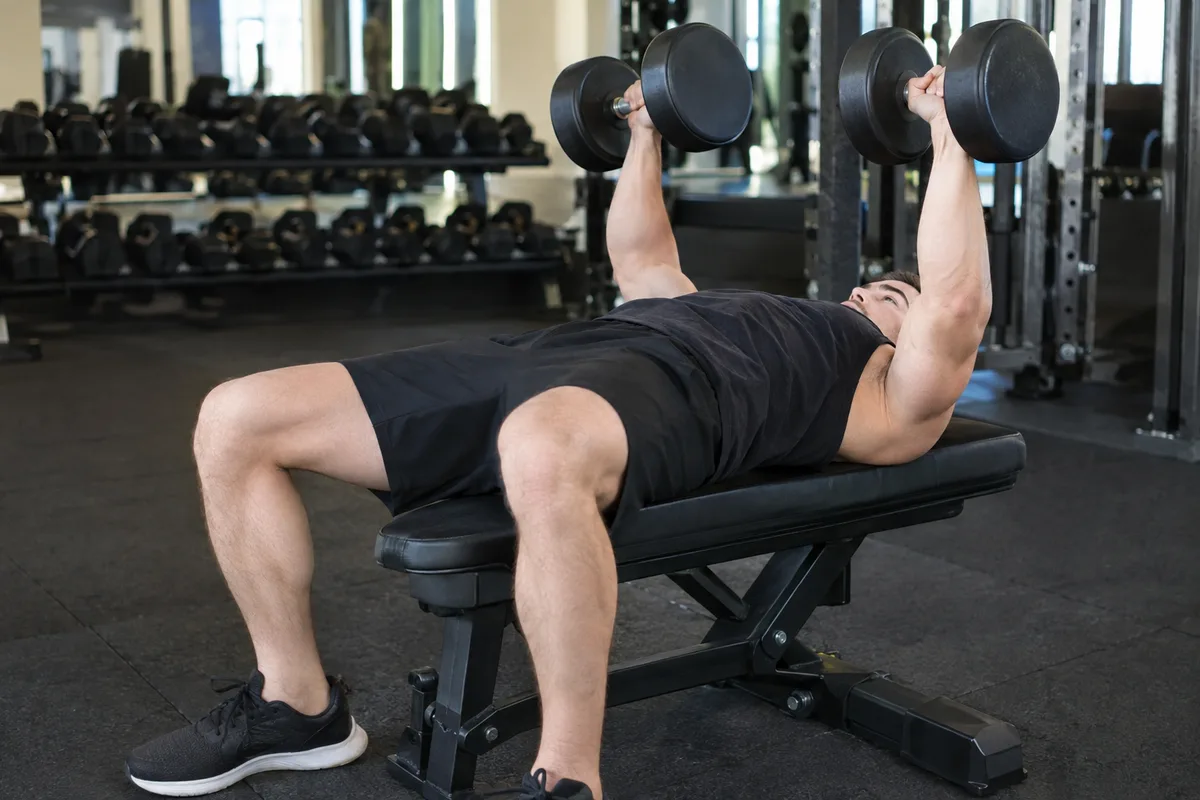
Look for firm joints, secure fastenings and a frame that does not visibly twist during normal use. The maker's stated load should cover your body weight together with the weights being used. Required capacity depends on the person, the exercise and the planned progression, so there is no single suitable number for everyone.
The feet should grip the training surface without damaging it. Levelling features can be useful on slightly uneven floors, provided they lock securely. A stable bench still needs to be placed on a clear, suitable surface before each session.
- Confirm the stated load includes both the user and the lifted weight
- Check for movement at hinges, bolts and welded joints
- Make sure the feet sit fully on the floor
- Allow clear space around the bench for weights and movement
Look closely at pad shape and comfort
Padding should feel supportive rather than so soft that your body sinks into it. A very slippery cover can make it harder to keep a consistent position, while a surface with some grip helps your upper back stay settled. Seams should sit away from areas that take the most pressure.
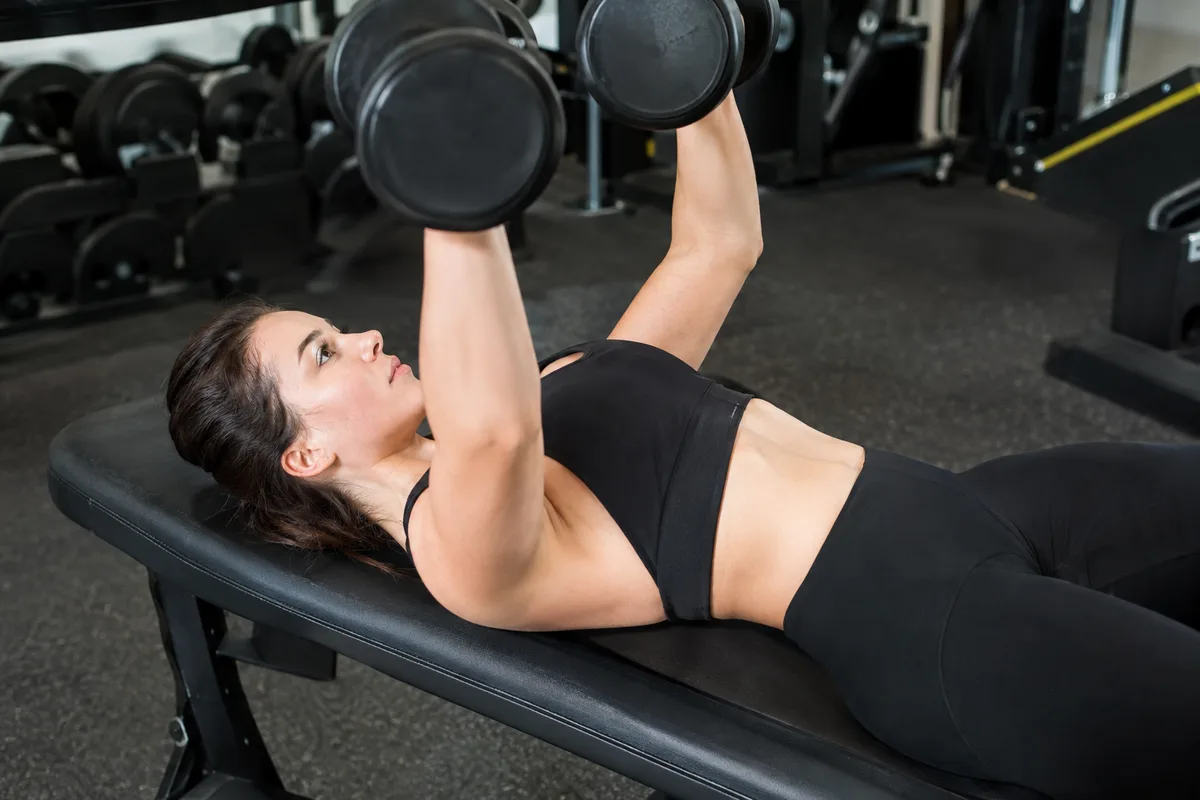
Bench width is a personal choice. The pad needs to support your torso without limiting free movement of the shoulders during pressing exercises. Height also matters because many lifters prefer to place their feet firmly on the floor, though the most comfortable setup depends on body proportions.
Comfort should be judged in an exercise position, not only while sitting upright. Lie back, place your feet as you would during training and check where your head, shoulders and hips rest. On an adjustable model, repeat the check at the angles you expect to use.
- Firm, even padding
- A cover with enough grip for a steady setup
- A pad width that supports without crowding the shoulders
- A height that allows a controlled starting position
- No awkward seam or hinge pressure
Measure the room and storage route
Bench dimensions matter during use and when the equipment is put away. Measure the full floor area, including space for your feet, dumbbells and a safe path around the bench. An adjustable backrest may also need clearance behind it as it rises.
If the bench must move between sessions, check its overall weight, handle position and transport wheels. A folding design can reduce its stored footprint, but the folding joint should lock securely during use. Also measure doorways, corners and the intended storage area.
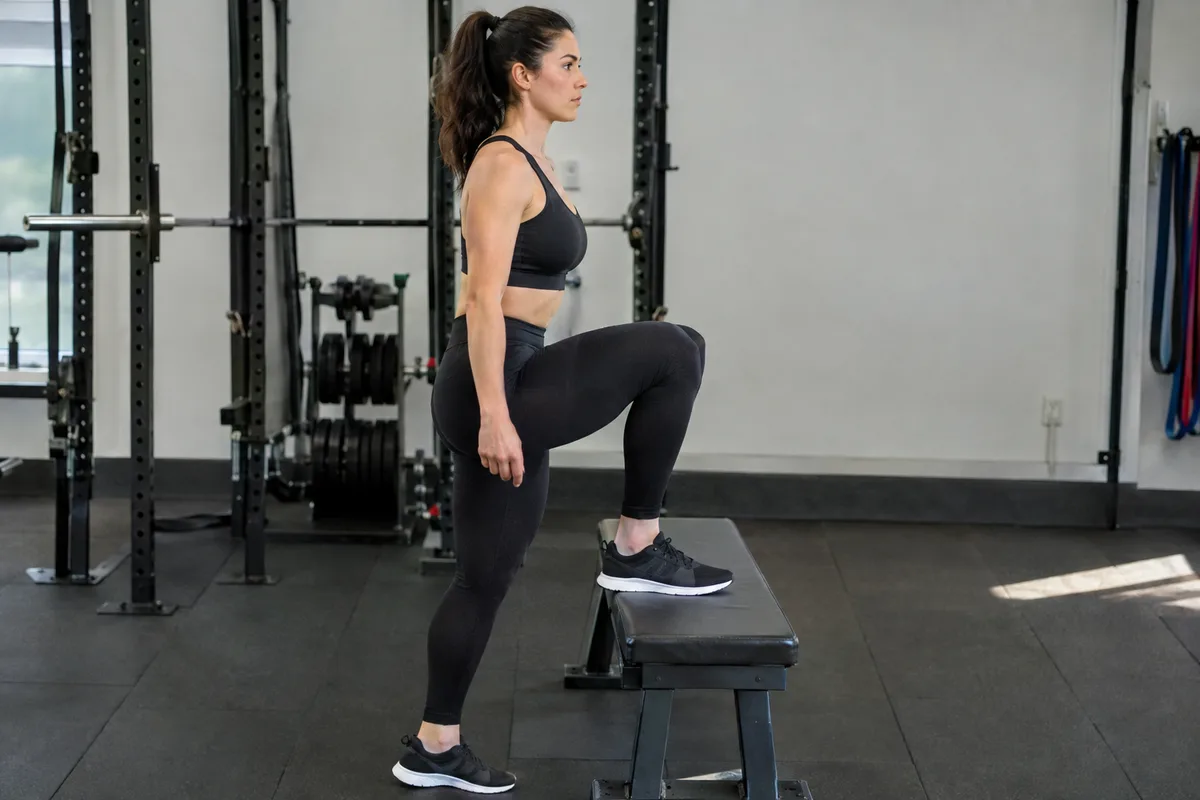
Plan for the longest exercise in your routine rather than the bench alone. Step-ups and exercises performed beside the pad require more room than a lying press. A bench that technically fits may still be unsuitable if it leaves no clear working space.
- Measure the bench area and the surrounding exercise space
- Check ceiling clearance for seated overhead movements
- Measure the route to the storage position
- Allow room to load, lift and set down weights safely
Make a final choice based on regular use
The best bench is not necessarily the model with the most adjustments or attachments. It is the one that feels stable, supports your main exercises and can remain part of your routine without awkward setup. Features have value only when they help you train consistently.
Review your logged training sessions and note which bench-based movements appear most often. This keeps the decision tied to what you already do rather than to exercises you may never add. It also helps you see whether a flat bench covers your needs or whether adjustable positions would be useful.
Before making a final decision, compare the stated dimensions, load information, adjustment method and storage requirements. Read the assembly and care instructions so you know how fastenings and moving parts should be checked. Recheck the bench regularly for looseness, wear or changes in stability.
- List the bench exercises already in your programme
- Separate essential features from occasional preferences
- Confirm the bench fits both the room and storage area
- Check that adjustments are simple and secure
- Keep inspection and cleaning instructions accessible