
How to Choose an Electrolyte Drink Powder That Fits Your Goals
Electrolyte powders can replace minerals lost through sweat, but not every workout or day requires one. This guide explains how to compare ingredients, added sugar and serving sizes while keeping weight goals in perspective.
Start with the reason you want one
Electrolytes are minerals that help the body manage fluid balance and normal muscle and nerve function. Sodium, potassium, magnesium, calcium and chloride are common examples. Food and ordinary drinks already provide them, so a powder is not automatically necessary.

An electrolyte drink may be useful after prolonged or demanding activity, particularly when you have been sweating heavily. Hot weather and repeated bouts of exercise can also increase fluid and sodium losses. For shorter or easier sessions, water and regular meals may be enough.
Think about the activity, conditions and how much you tend to sweat before comparing products. Thirst, visible salt marks on clothing and a large amount of sweat can offer practical clues, although needs vary by person. More electrolytes are not always better.
- Consider how long and demanding the activity is
- Take heat and humidity into account
- Notice whether you sweat lightly or heavily
- Check what your meals already provide
Read the serving information first
The figures on a label only make sense when you know what the stated serving is. A sachet may be one serving, while a tub may give an amount based on a scoop. Also check how much water the instructions use, because changing the dilution changes how concentrated the drink becomes.
Compare products using the same basis rather than looking only at the largest number on the front. Pay particular attention to sodium, as this is usually the main electrolyte lost in sweat. Potassium, magnesium and calcium may be included, but a longer mineral list does not automatically make a powder more suitable.
Avoid doubling a serving simply because the flavour seems weak or the workout felt hard. Follow the stated mixing directions unless you have individual guidance telling you otherwise. If you have been advised to limit or monitor a particular mineral, check the full label carefully.
- Serving size and number of servings
- Suggested amount of water
- Sodium per serving
- Other listed electrolytes
- Instructions for mixing
Check sugar, carbohydrate and energy
Some electrolyte powders contain sugar or other carbohydrates, while others use low-energy sweeteners or are unsweetened. Carbohydrate can provide fuel during long or demanding activity, but it may add energy that you did not plan to consume. Whether that is useful depends on the session and the rest of your intake.
For a routine drink at your desk or during gentle activity, added carbohydrate may offer little practical benefit. During sustained exercise, it may serve a purpose alongside fluid and electrolytes. The best choice is therefore linked to when you will drink it, not simply whether sugar appears on the label.
If weight loss is your goal, log the powder just as you would any other drink. An electrolyte powder does not directly cause body fat loss, and a sugar-free label does not make it essential. Choose a version whose energy content fits your tracked intake and intended use.
- Log each serving you actually mix
- Include carbohydrate and energy from the powder
- Check whether one container holds several servings
- Match added carbohydrate to the demands of the activity
Look beyond flavour and front-label claims
Words such as hydration, performance and recovery can sound precise without telling you whether the product suits your needs. Turn the pack around and use the ingredient list and nutrition information instead. The front of the packet is a summary, not the full explanation.
A strong flavour may encourage you to drink, but taste is a personal preference rather than a measure of quality. Sweeteners, acids, flavourings and colours can make up much of the ingredient list without changing the basic role of the electrolytes. If an ingredient does not agree with you, choose a simpler formulation.
Be cautious with blends that do not clearly state the amount of each electrolyte. Clear quantities make products easier to compare and easier to record. Extra ingredients are only useful when they have a clear purpose for you.
- Clearly stated electrolyte amounts
- An ingredient list you understand
- A flavour and sweetness level you can tolerate
- No unnecessary extras for your intended use
Remember that food can contribute too
Electrolytes do not have to come from a specialised drink. Everyday meals and snacks provide sodium, potassium, magnesium and calcium, while water and other drinks contribute fluid. A varied eating pattern may already cover routine needs.
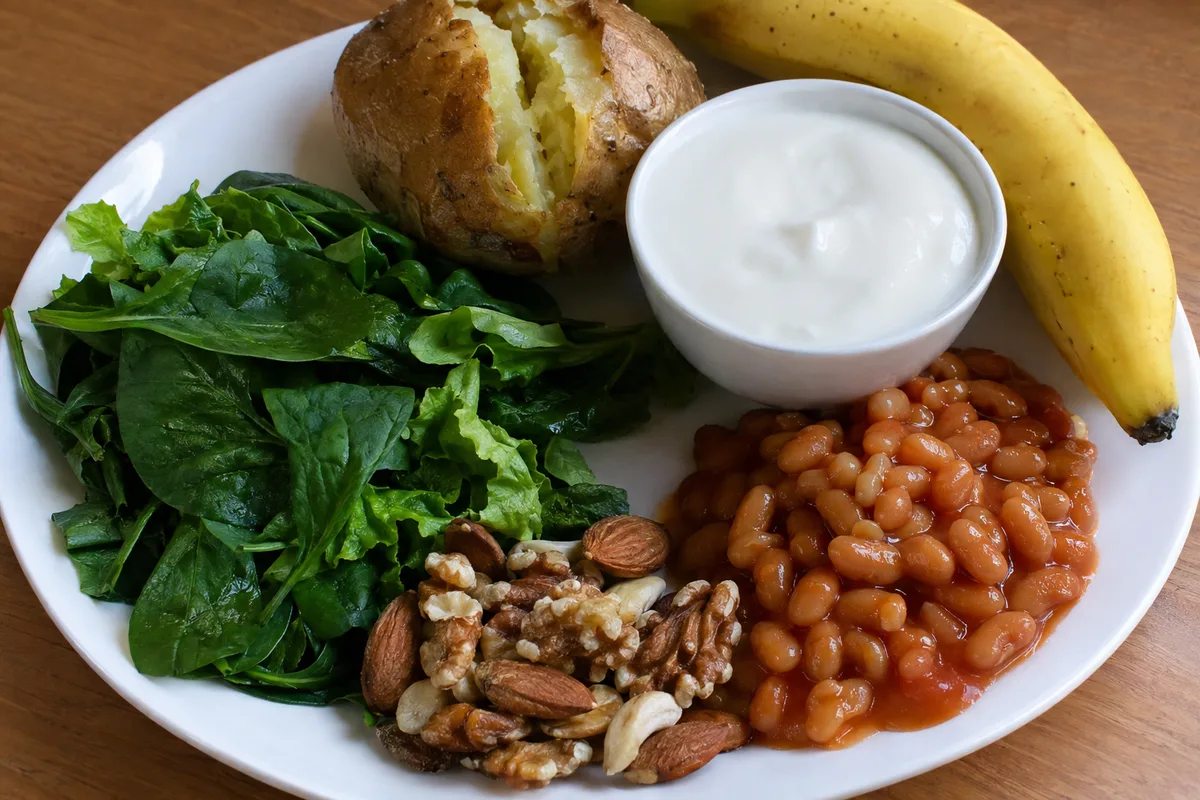
Salted foods can provide sodium, while foods such as potatoes, bananas, beans, dairy foods, nuts and leafy vegetables contribute different minerals. You do not need to combine all of them in one meal. Look across the day you have logged rather than judging a single plate.
After ordinary activity, a meal with fluid may be a practical alternative to a powder. After heavier sweating, a drink powder can be a convenient option when food is not appealing or available. The choice depends on timing, appetite, activity and what you have already eaten.
- Potatoes, bananas and beans for potassium
- Dairy foods for calcium and potassium
- Nuts, seeds and leafy vegetables for magnesium
- Salted meals and snacks for sodium
Use your food log to make the final choice
Your tracking record can show whether an electrolyte powder is filling a genuine gap or becoming an automatic extra. Record the serving, how much you drank, the activity and the conditions. Over time, this gives you a clearer basis for choosing when to use it.
For weight management, focus on the whole pattern rather than one ingredient. A powder that fits your planned intake and supports drinking during demanding activity may be useful, while one taken out of habit may add little. No single formulation is best for every person or every workout.
Choose the simplest option that matches the job you need it to do. Check the serving, sodium, carbohydrate, energy and ingredient list, then assess how it fits your meals and activity. If your mineral or fluid needs have been individually restricted, seek guidance before making electrolyte drinks a regular part of your routine.
- What activity you completed
- How hot or humid the conditions were
- How much powder and water you used
- Whether the drink contained energy
- What you ate before and afterwards