
How to Convert Slow Cooker Time to Oven Time
There is no exact formula for turning Crock Pot cooking time into oven cooking time, because ingredients and dishes behave differently. This guide explains how to choose an oven setting, estimate a checking time and keep the food moist while it cooks.
Why there is no exact conversion
A Crock Pot is a type of slow cooker, designed to heat food gently over several hours. An oven surrounds a covered dish with hotter, drier air, so the same recipe usually cooks more quickly. The change in heat also affects evaporation, browning and how fast meat becomes tender.
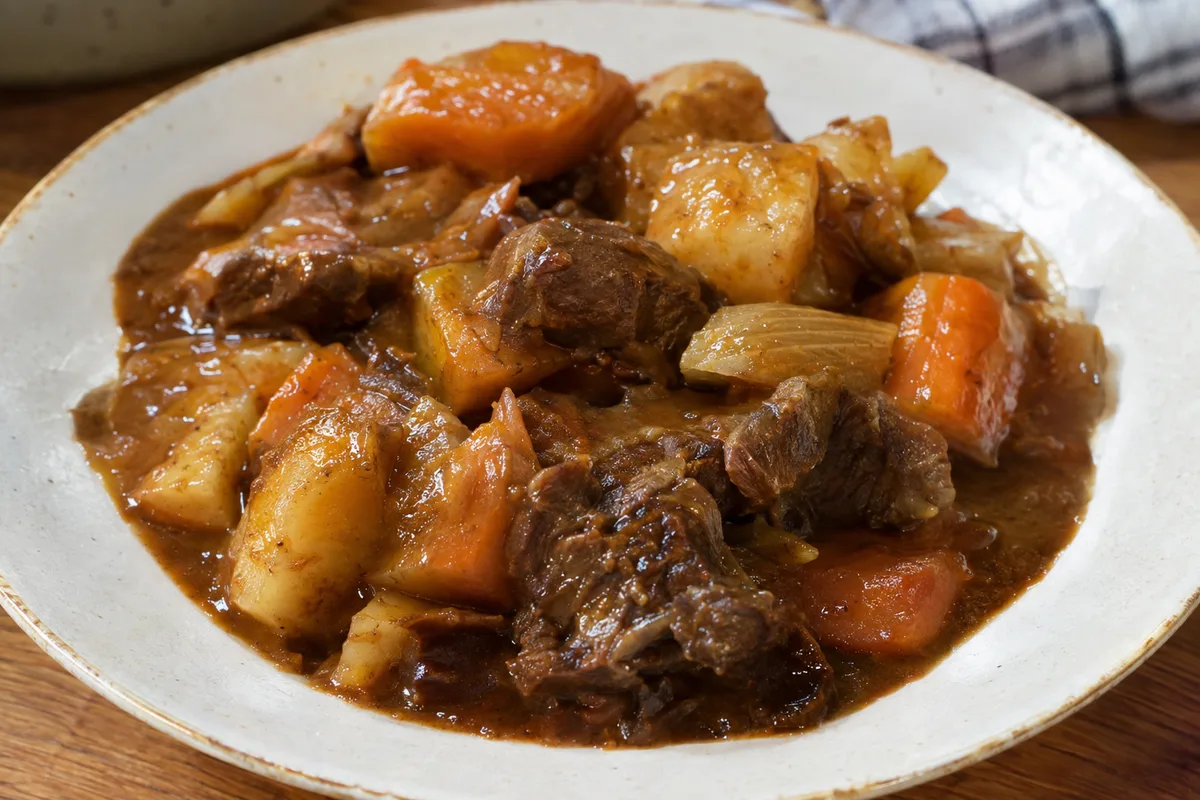
Cooking time depends on the size and shape of the ingredients, the depth of the dish and whether the food starts chilled. A shallow casserole will cook differently from a deep, tightly packed one. Treat any converted time as a first estimate rather than a firm finishing time.
- Large pieces of meat usually need longer than small pieces.
- Root vegetables take longer to soften than many green vegetables.
- A wide dish loses liquid faster than a deep, narrow dish.
- A heavy covered casserole holds heat and moisture well.
Choose a gentle oven temperature
For most stews, casseroles and braised dishes, use a moderate to low oven. Around 160°C, 140°C fan or gas mark 3 is a practical starting point. This gives tougher ingredients time to soften without making the sauce reduce too quickly.
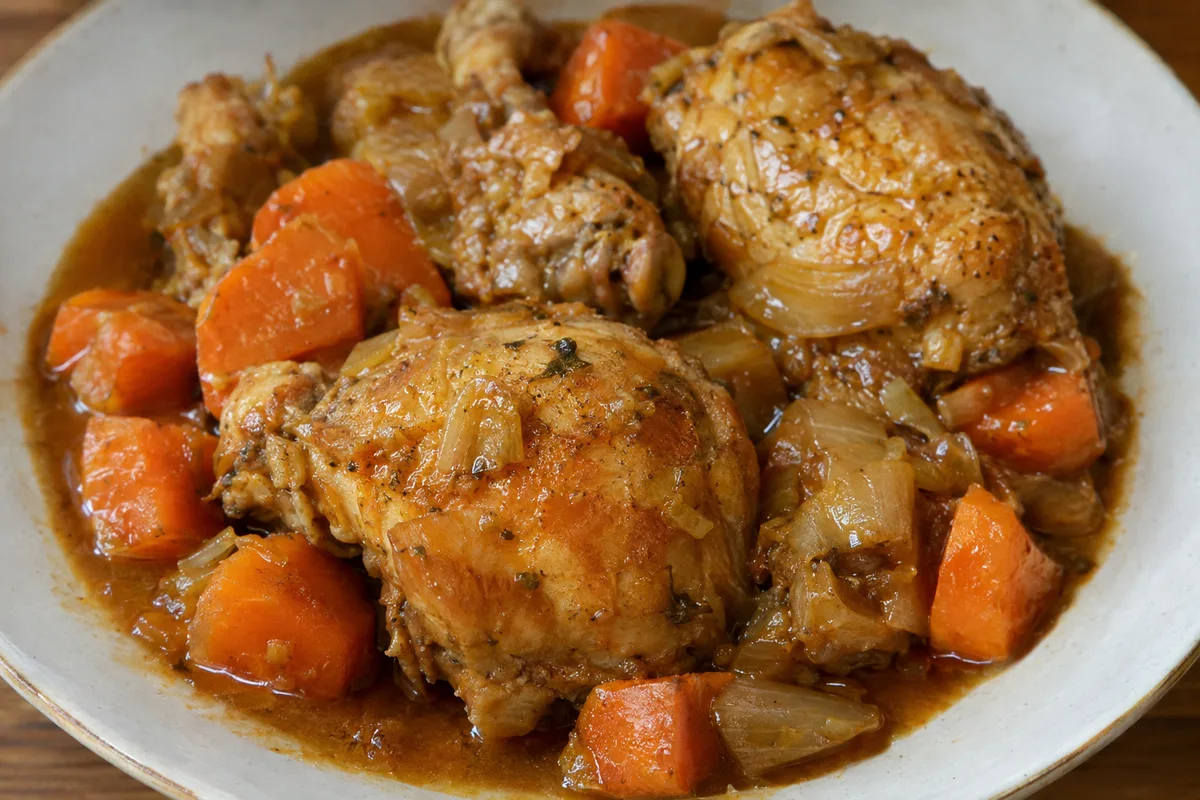
A slightly hotter oven may suit a dish made from small, tender pieces, but it will need more frequent checking. Very high heat is rarely a good substitute for long slow cooking because the outside can dry out before the centre is tender. Keep the dish covered for most of the cooking time unless the original recipe relies on reducing the liquid.
- Use a lower setting for large cuts, dense root vegetables and long braises.
- Use a moderate setting for casseroles with smaller, evenly cut ingredients.
- Remove the lid near the end only if the sauce needs thickening or the top needs browning.
Estimate when to start checking
As a rough guide, begin checking an oven version after about one-third of the recipe’s stated time on the slow cooker’s low setting. For a recipe written for the high setting, start checking between one-third and one-half of the stated time. These are checking points, not promises that the dish will be finished.
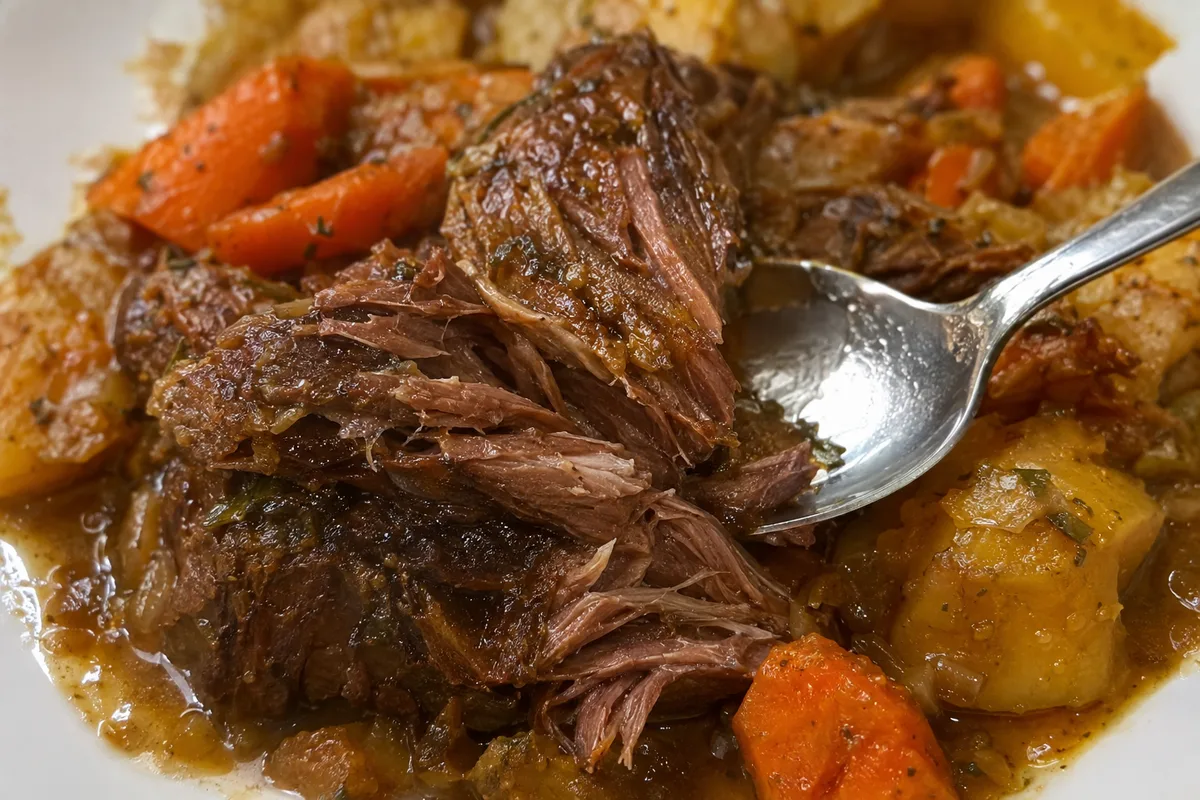
Look at the food rather than relying only on the clock. Meat for a braise should separate easily when pressed or pulled, vegetables should be tender throughout, and the sauce should have the consistency you want. If the food is still firm, cover it again and continue cooking, checking at sensible intervals.
- Note whether the original recipe uses the low or high setting.
- Set the oven and transfer the ingredients to a covered ovenproof dish.
- Use the rough fraction only to choose the first checking point.
- Continue cooking until the ingredients reach the intended texture.
Adjust the liquid and the dish
Slow cookers lose little moisture because the lid stays closed and the heat is gentle. An oven can reduce the liquid more quickly, even when the casserole is covered. Check that there is enough liquid to keep the ingredients moist, but do not automatically add a large amount.
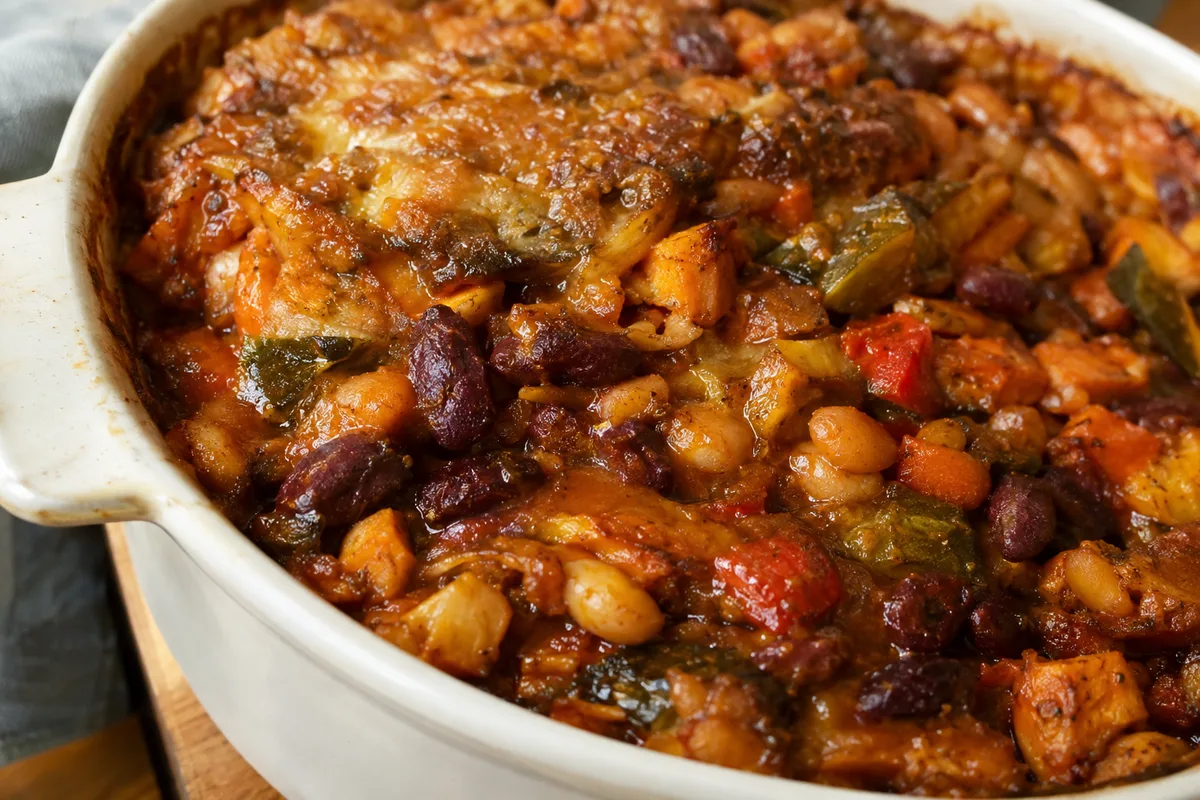
Use a close-fitting lid or tightly fitted foil if the dish has no lid. If the sauce looks dry during cooking, add a small amount of hot stock, water or another liquid already used in the recipe. If it is too thin at the end, uncover the dish and let it reduce while watching it closely.
- Choose an ovenproof dish that holds the ingredients fairly snugly.
- Keep the lid on during the main cooking period.
- Add extra liquid gradually rather than all at once.
- Uncover near the end if the finished sauce needs to be thicker.
Handle different ingredients carefully
Meat, beans, dairy ingredients and vegetables do not all respond to converted cooking times in the same way. Tough cuts often suit a long covered braise, while tender cuts may become dry if left for too long. Dried beans may also need separate preparation before they are added, depending on the variety and recipe.
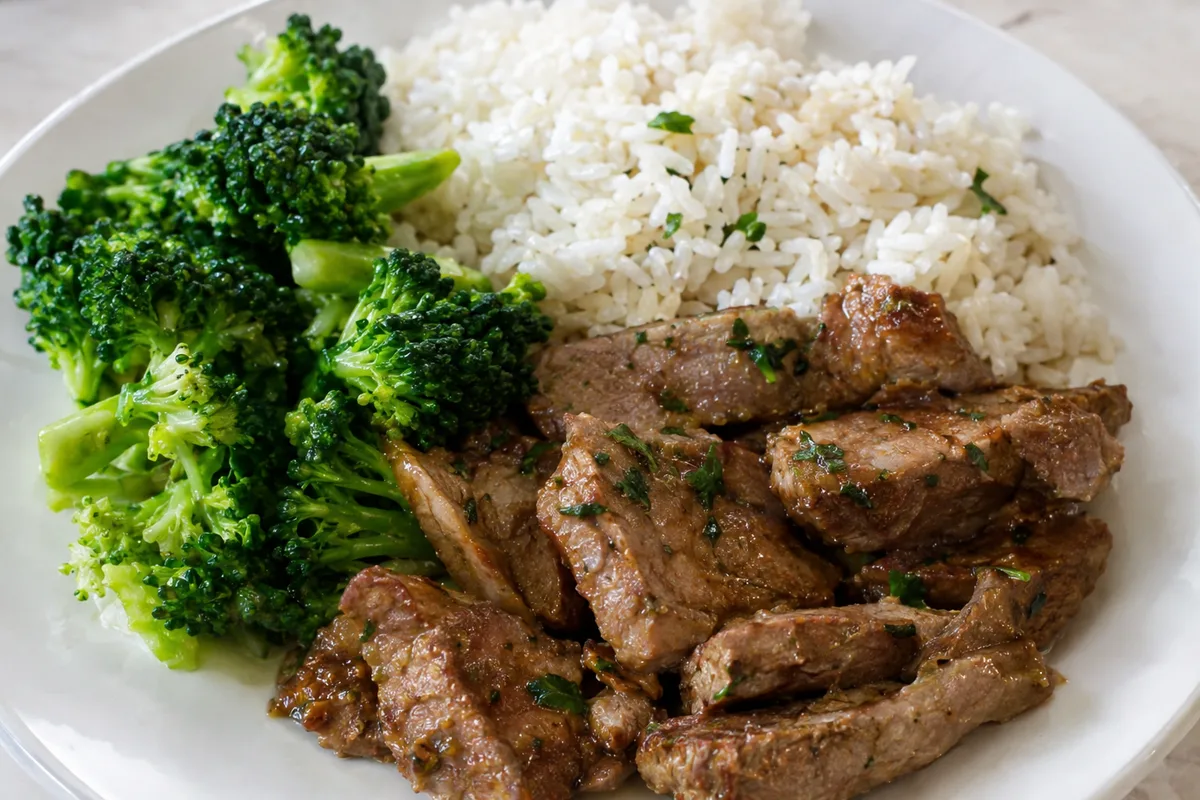
Milk, cream and delicate vegetables are often better added later, especially if the oven dish will cook for a long time. Pasta and rice absorb liquid as they cook, so a direct transfer from a slow cooker recipe may change the texture or leave the dish dry. For these ingredients, follow a comparable oven recipe or cook them separately when the original instructions are unclear.
Make sure meat, poultry and other ingredients that require thorough cooking are cooked safely throughout. Use current local food-safety guidance for the appropriate internal temperature and check the thickest part. Reheating or browning the surface does not make an undercooked centre ready.
- Add delicate green vegetables near the end.
- Stir in dairy ingredients late unless the recipe says they can cook for longer.
- Check pasta and rice early because their liquid needs vary.
- Prepare dried beans according to the guidance for that variety.
Make the conversion easier next time
Write down the oven temperature, dish size and first checking time when you adapt a recipe. Record when the food became tender and whether the sauce needed more or less liquid. Those notes will be more useful for the next batch than a general conversion rule.
Change one main factor at a time where possible. Using the same ingredient sizes, dish and oven setting makes it easier to understand why the result changed. If the recipe is one you cook regularly, your own tested oven timing becomes the most dependable guide.
- Record the oven and fan setting.
- Note whether the casserole was covered throughout.
- Write down any liquid added during cooking.
- Save the final cooking time and signs of doneness.