
Practical Ways to Cook Cross Rib Steak
Cross rib steak has a rich beef flavour, but its shoulder muscles can make it firmer than some other steaks. The right preparation and cooking method can help you get a tender result while keeping your food log accurate.
Get to know the cut
Cross rib steak comes from the shoulder area, where the muscles do plenty of work. This gives the meat good flavour, but it can also contain connective tissue and feel chewy if handled like a very tender steak. Some pieces are fairly even, while others have seams of fat or tissue running through them.
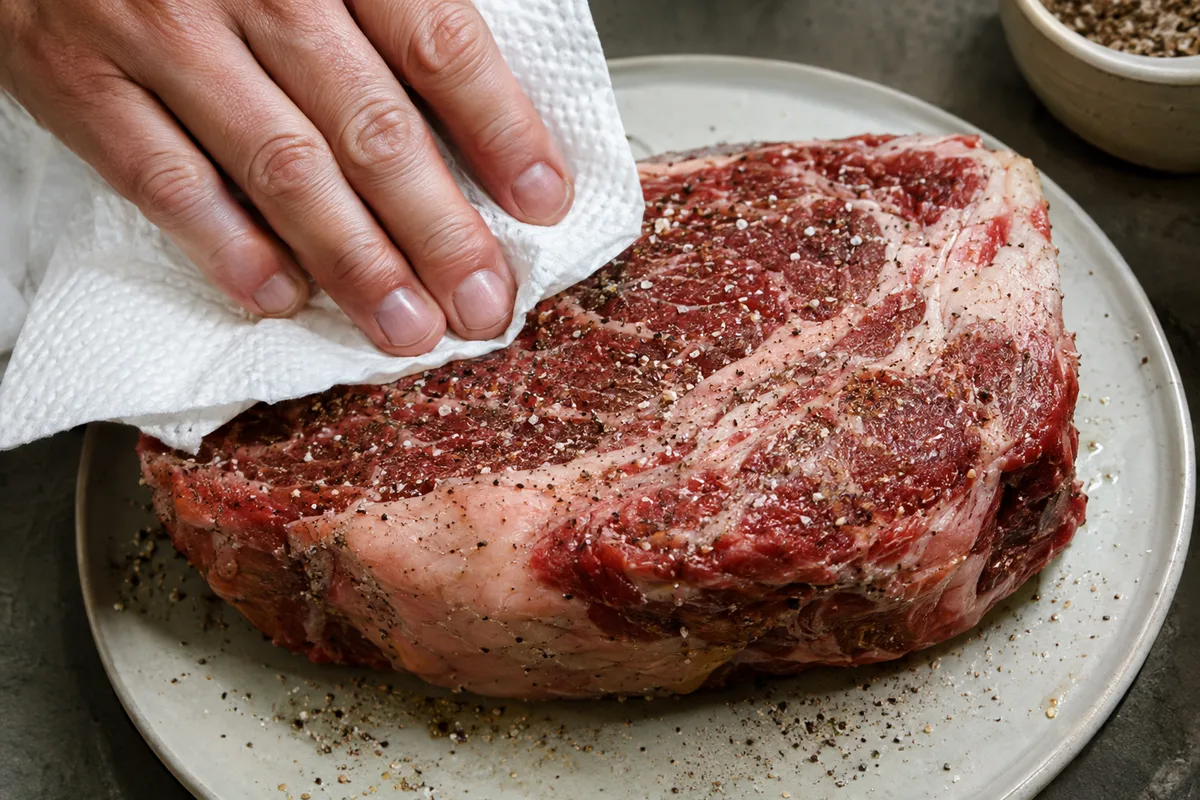
Look at the thickness and grain before deciding how to cook it. A thinner, evenly cut steak suits quick methods such as pan-searing or grilling, while a thicker or more heavily connected piece often benefits from slow, moist cooking. Whatever the method, slicing across the grain before serving shortens the muscle fibres and makes each bite easier to chew.
- Use quick, hot cooking for thinner, evenly cut steaks
- Choose slow, moist cooking for thicker or firmer pieces
- Trim only tough outer tissue before cooking
- Slice across the visible grain when serving
Prepare the steak before cooking
Pat the surface dry before adding seasoning, as excess moisture makes browning harder. Salt and black pepper are enough for a simple result, although garlic, herbs, mustard or spices can add more flavour. Press the seasoning onto both sides rather than rubbing it off again.
A marinade can add flavour and help soften the surface, but it will not change the centre of a thick steak. Ingredients such as vinegar, citrus juice or yoghurt are best used with restraint because a strongly acidic mixture can make the outside texture soft. Keep the steak chilled while it marinates and discard marinade that has been in contact with raw meat unless it is cooked thoroughly.
- Pat the steak dry
- Season both sides evenly
- Add only as much oil as the cooking method needs
- Keep marinating meat covered and chilled
- Record oil, sugar and sauces if you track your intake
Pan-sear it for a browned crust
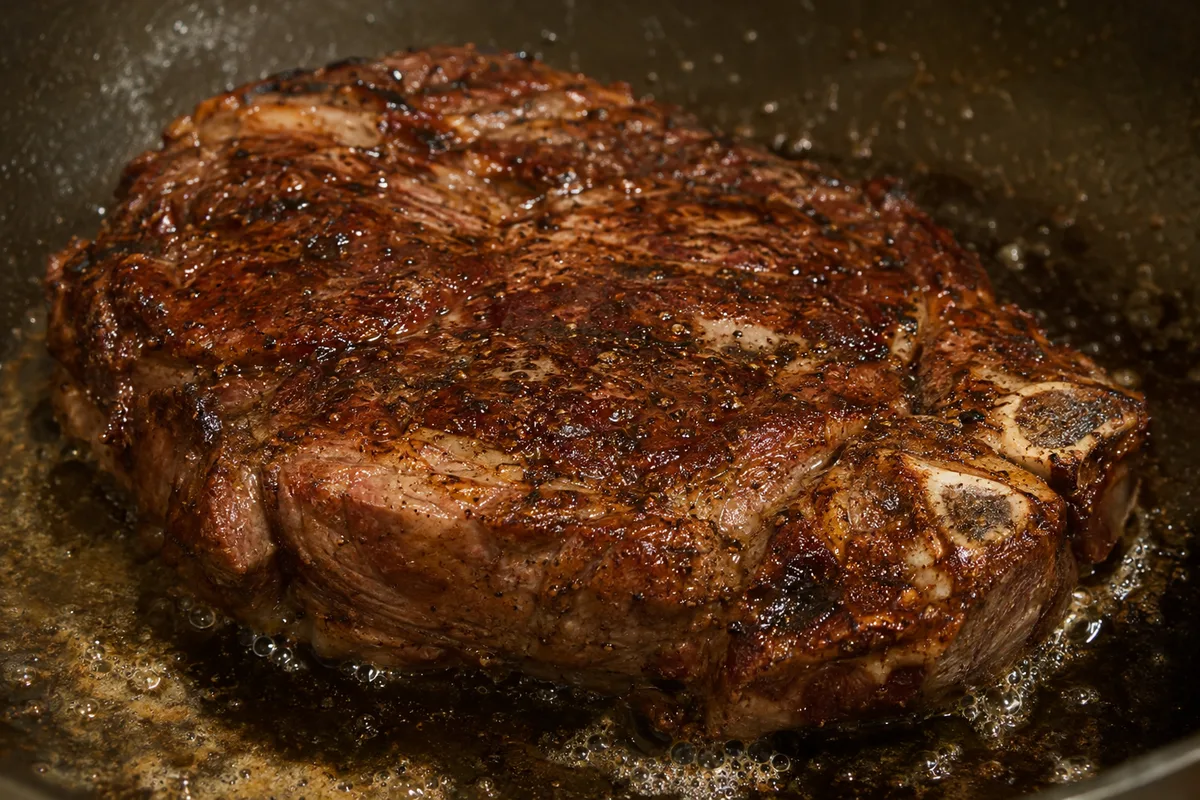
Pan-searing works well for a cross rib steak that is not excessively thick. Heat a heavy frying pan, add a small amount of cooking oil and place the seasoned steak in once the pan is hot. Leave it undisturbed long enough to develop colour before turning it.
Cook the second side, then reduce the heat if the outside is browning faster than the middle is cooking. You can add garlic and herbs near the end, but butter and extra oil should be logged if you use them. Check that the steak has reached a safe internal temperature according to current local food safety guidance.
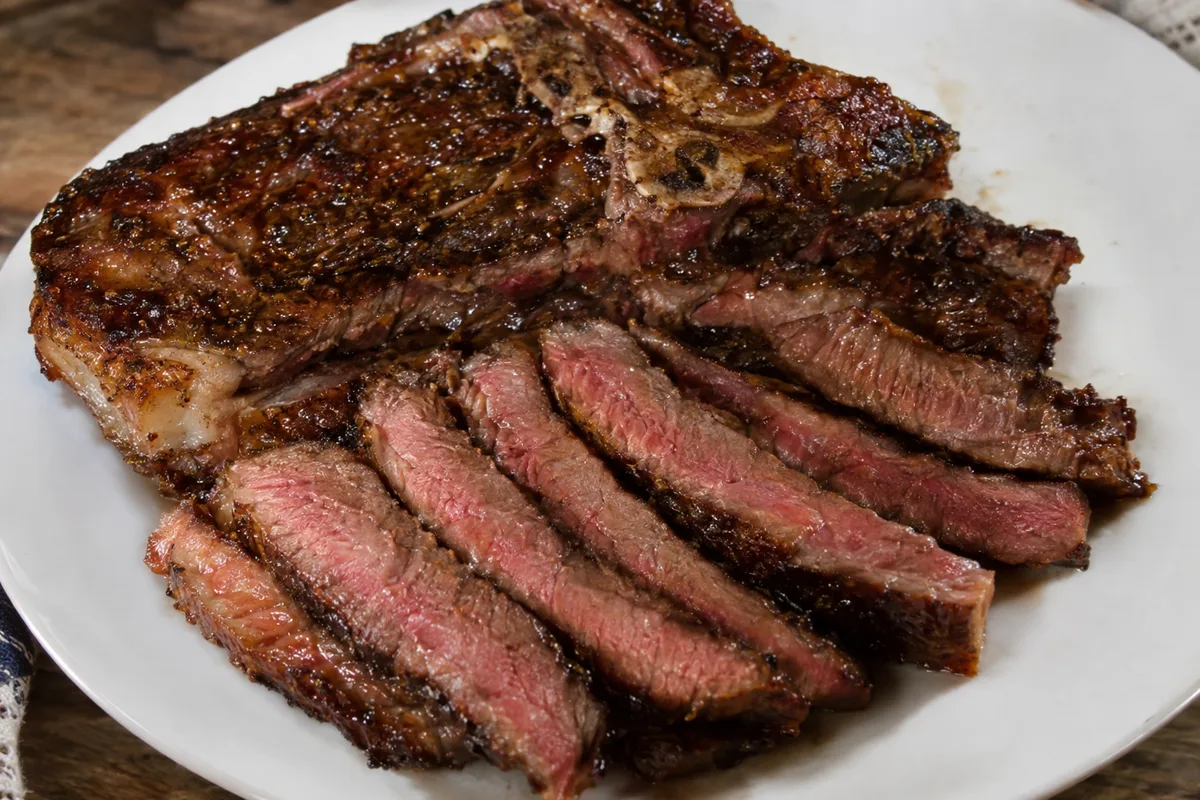
Move the steak to a plate and let it rest before slicing. Resting gives the juices time to settle instead of running straight onto the plate. Cut thin slices across the grain, especially if the meat feels firm.
- Preheat the pan before adding the steak
- Turn the steak after the first side has browned
- Lower the heat if the surface darkens too quickly
- Rest before slicing across the grain
Grill it over direct heat
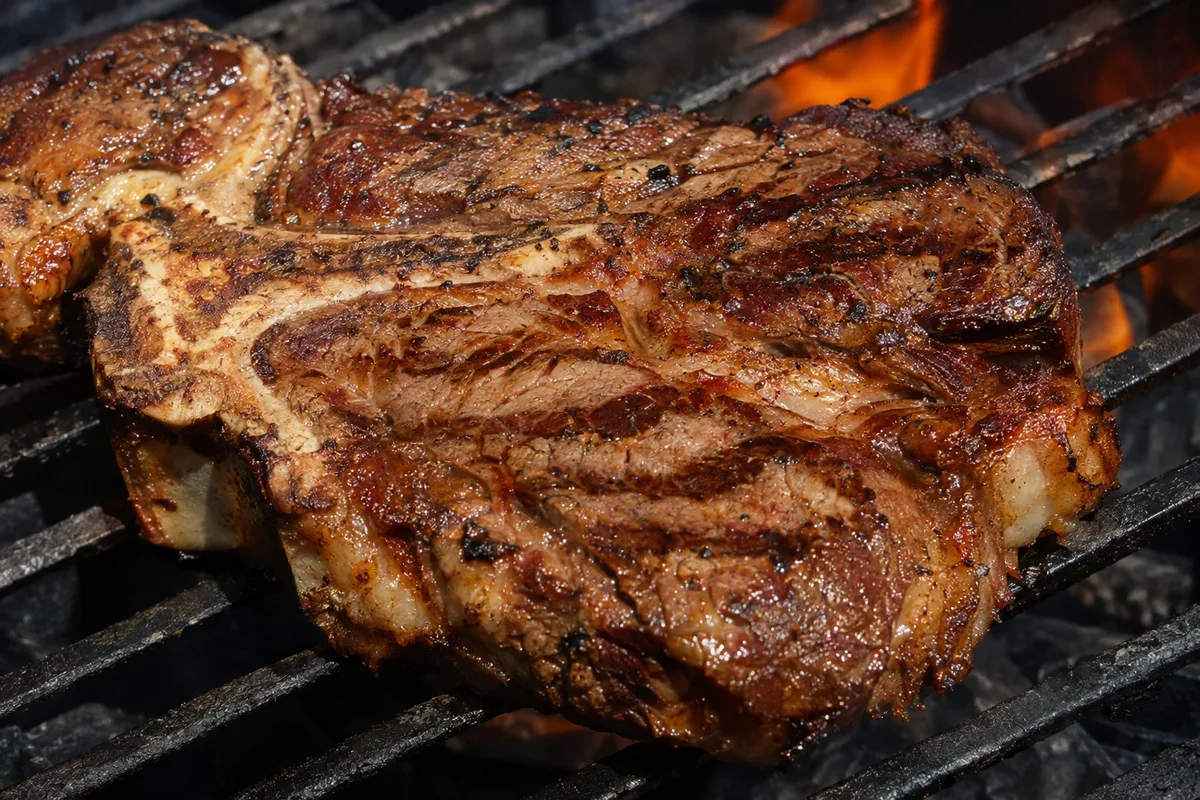
Grilling gives cross rib steak a smoky, deeply browned surface. Heat the grill first and lightly oil the steak rather than pouring oil over the cooking surface. Place it over direct heat and allow one side to colour before turning it.
If the steak is thick, move it to a cooler part of the grill after browning both sides. This allows the centre to continue cooking without burning the outside. Use a clean utensil when handling the cooked meat and check it against current food safety guidance.
Rest the grilled steak before cutting it into thin slices. A fresh topping made with chopped herbs, garlic and a little vinegar can balance the rich flavour. Log any oil in the topping separately, as it can be easy to overlook.
- Start over direct heat for browning
- Move thicker steaks to gentler heat to finish
- Avoid pressing the steak against the grill
- Rest and slice thinly across the grain
Use the oven for gentler cooking
The oven can finish a thick steak more evenly than a hot pan alone. Brown the steak briefly in an oven-safe pan, then transfer it to a moderate oven until the centre reaches the level required by current food safety guidance. This approach gives you a coloured outside without relying on intense heat for the whole cooking time.
Another option is to cook the steak gently in the oven first, then brown it in a hot pan at the end. A dry surface will colour more readily during the final sear. Rest the meat after browning and slice it across the grain.
For tracking, record the raw edible amount or the cooked amount consistently with the entry you use. Meat loses water during cooking, so its cooked weight becomes more concentrated even though cooking has not added energy by itself. Oil, butter, marinades and sauces should be entered separately when they are not included in your chosen food entry.
- Brown first and finish in the oven
- Alternatively, oven-cook gently and sear at the end
- Use consistent raw or cooked log entries
- Track added fats and sauces separately
Braise it when tenderness matters most
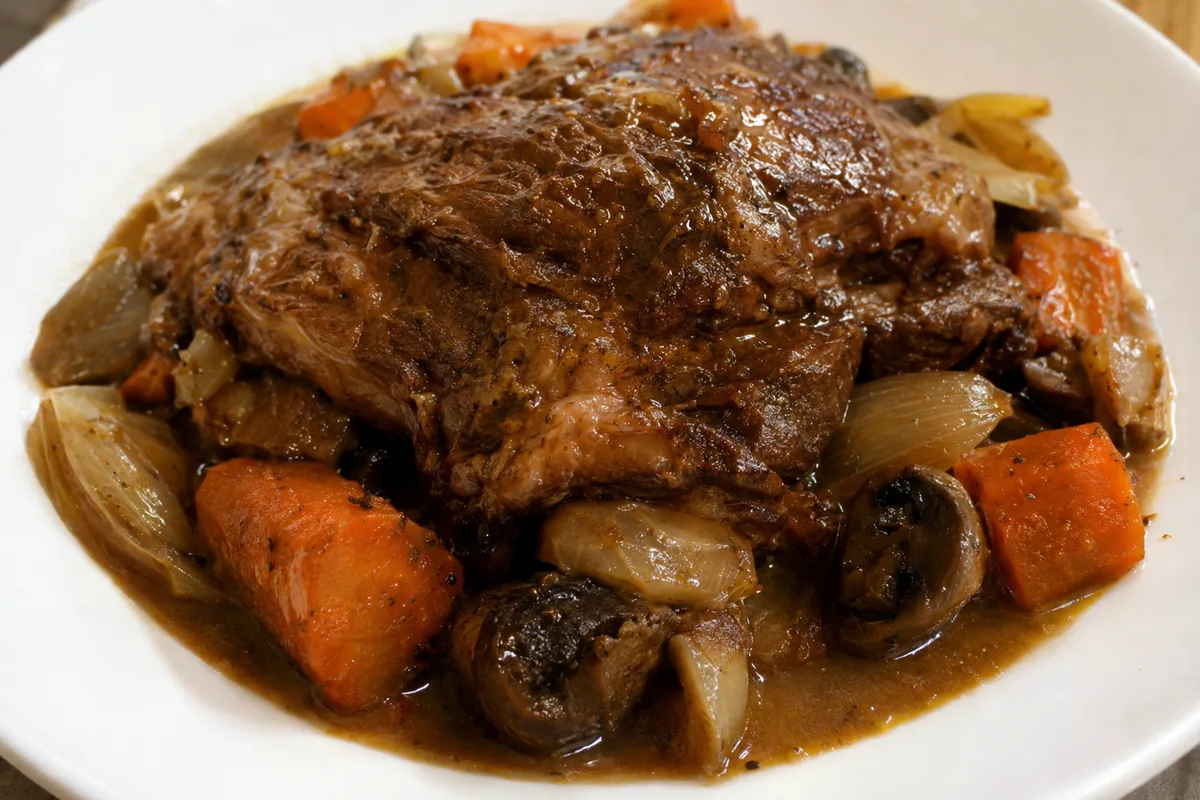
Braising is a useful choice for a firm cross rib steak with plenty of connective tissue. Brown the meat, add enough stock or another cooking liquid to keep the environment moist, then cover and cook gently. Low, steady heat gives the tissue time to soften.
Onion, carrot, celery, mushrooms and herbs can flavour the liquid without hiding the beef. Keep the cooking gentle rather than allowing the liquid to boil hard, which can tighten the meat. The steak is ready when it can be cut easily and feels tender rather than springy.
The braising liquid can be served as it is or reduced into a stronger sauce. If you added oil, flour, wine or other energy-containing ingredients, include them in your food log and divide the finished dish into the portions actually served. The amount in each portion depends on the full recipe and how the dish is shared.
- Brown the steak to build flavour
- Add vegetables, herbs and cooking liquid
- Cover and cook at gentle heat
- Test for tenderness before serving
- Log the sauce ingredients as part of the dish