
How to Make the Most of 10 Lb Dumbbells
A pair of 10 lb dumbbells, about 4.5 kg each, can support a varied strength programme at home or in the gym. This guide explains which exercises suit the weight, how to combine them and when to adjust the challenge.
Start with movements that suit the weight
A 10 lb dumbbell may feel light for one exercise and demanding for another. Your legs and back can usually move more load than your shoulders and arms, so the same pair will not challenge every area equally. Judge the weight by your control and effort rather than the number printed on it.
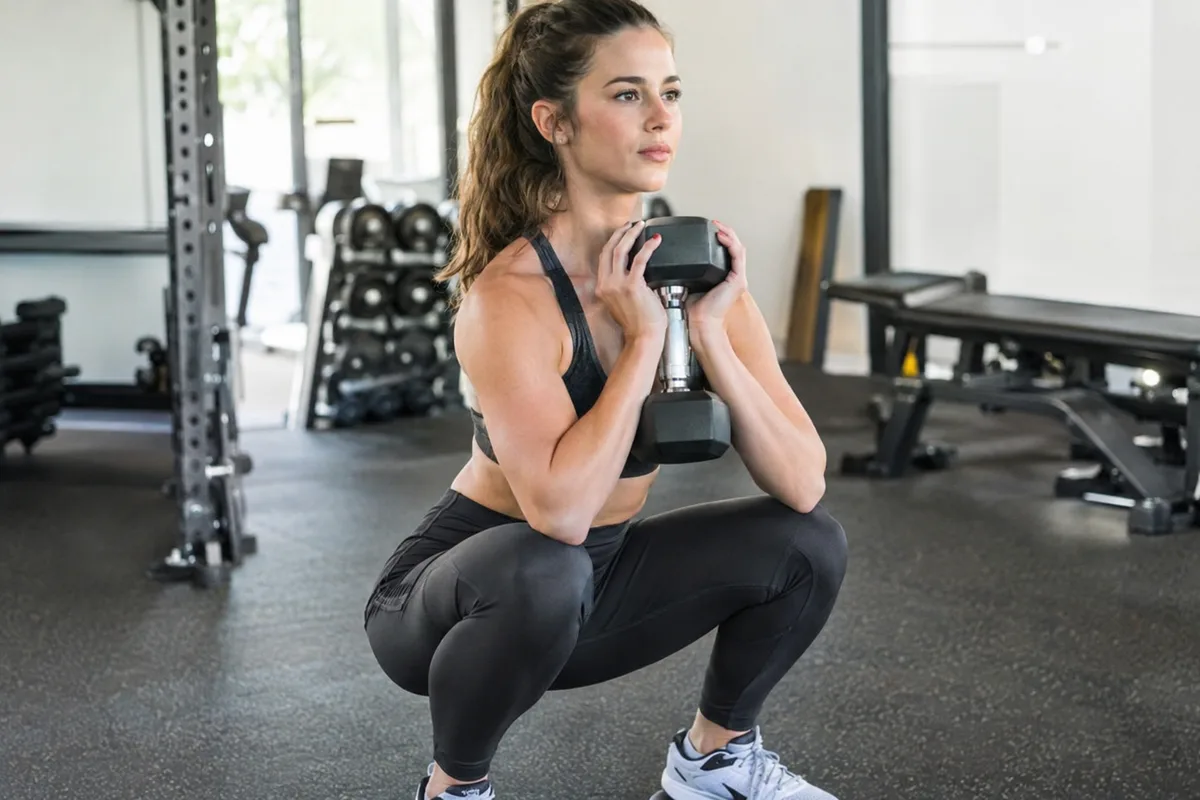
Choose exercises that let you move smoothly through a comfortable range. The final repetitions of a set should require concentration without making you rush, swing or shorten the movement. If the exercise remains very easy, slower repetitions or a different variation can make the dumbbells more useful.
- Use one dumbbell for smaller upper-body movements when two are too demanding
- Hold both dumbbells for squats, lunges and other lower-body exercises
- Use one dumbbell at a time when you want to focus on balance and control
- Choose supported or seated positions if standing makes it difficult to keep steady
Build a full-body session around basic patterns
A balanced session does not need a long list of complicated exercises. Include a squat or lunge, a hip movement, a push, a pull and a loaded carry or controlled core exercise. Together, these patterns train the main ways your body bends, pushes, pulls and supports a load.
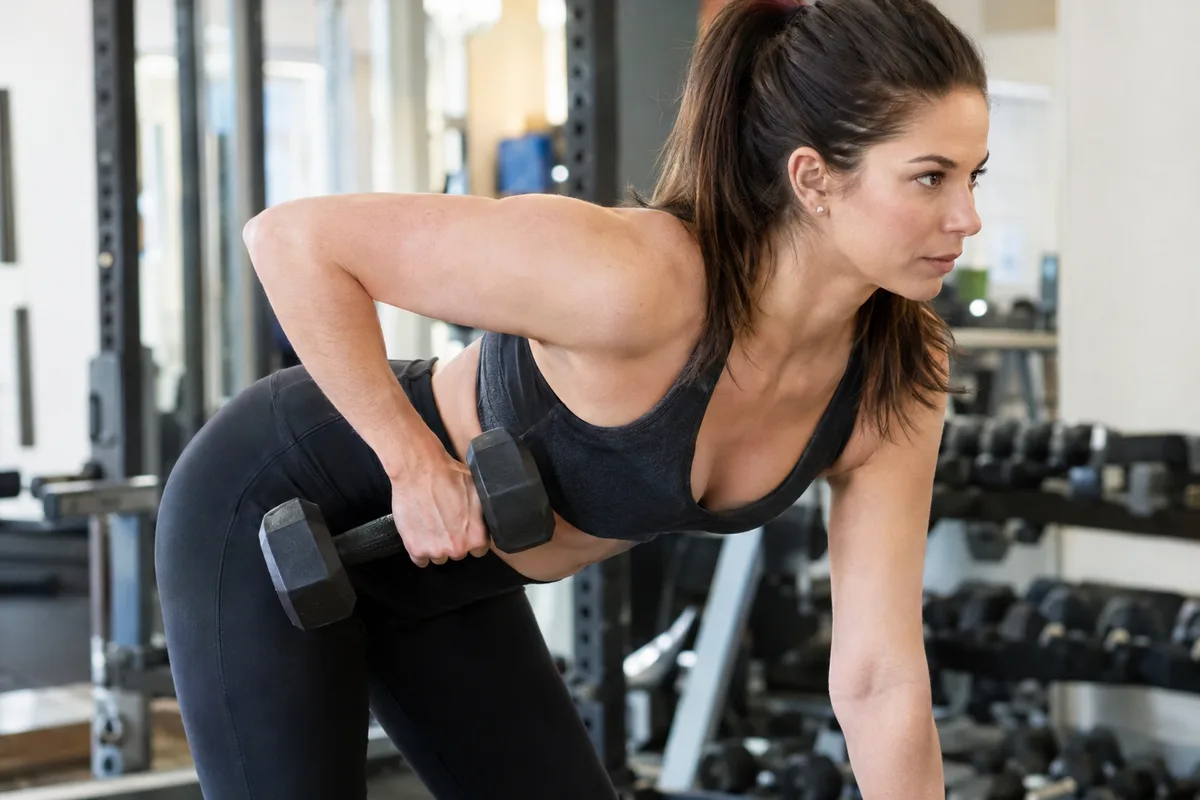
Perform each movement with enough space to keep the dumbbells clear of furniture and other people. Start with a manageable number of repetitions and repeat the group of exercises only while your technique stays consistent. The right amount depends on your experience, the movements you choose and how challenging the weight feels that day.
- Goblet squat for the thighs and hips
- Romanian deadlift for the back of the legs and hips
- Floor press for a horizontal pushing movement
- Bent-over row for a pulling movement
- Suitcase carry for grip and trunk control
Use slower repetitions when the weight feels light
Moving more slowly increases the time your muscles spend supporting the dumbbells. Lowering a weight under control can make a familiar exercise more demanding without changing the load. A brief pause at the hardest point can also remove the momentum that makes a repetition easier.
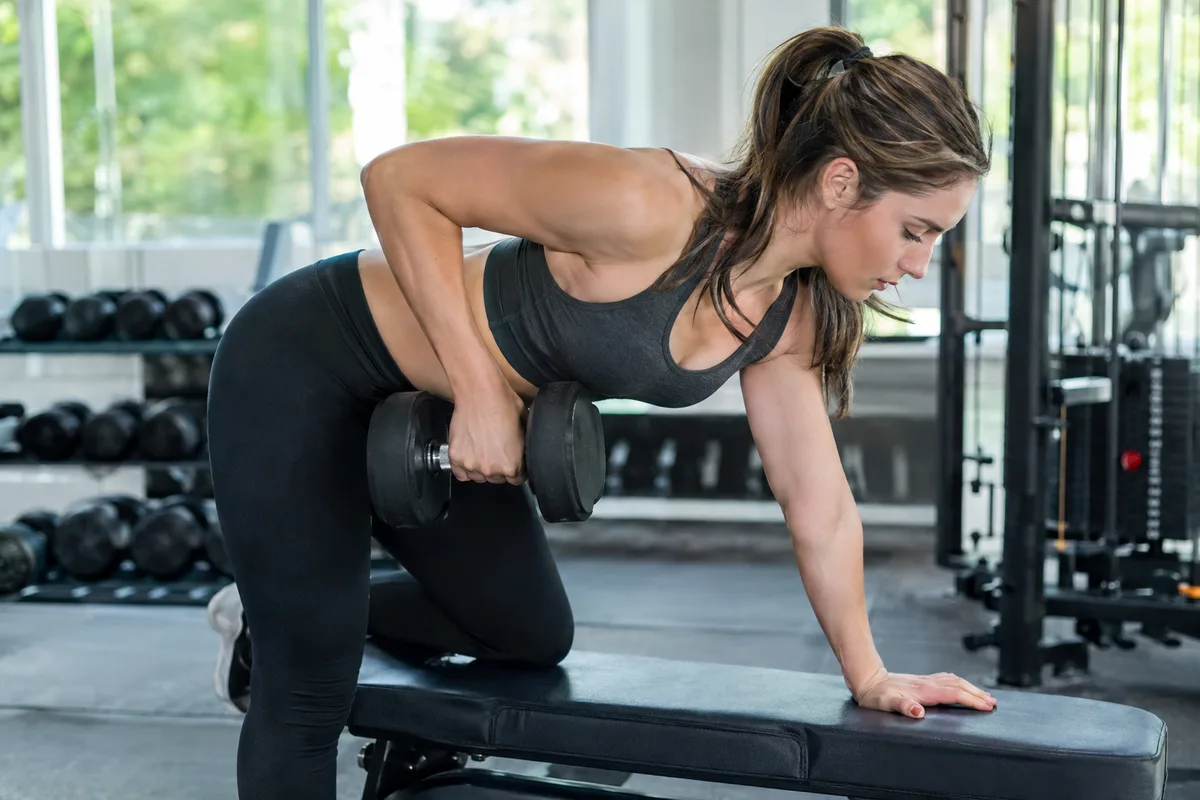
Try this approach with squats, presses, rows and curls before adding more repetitions without limit. Keep breathing normally and avoid turning a slow repetition into a strained one. If you cannot maintain your position, return to your usual speed or end the set.
- Lower the dumbbells steadily rather than letting them drop
- Pause briefly at the bottom of a squat while keeping your feet planted
- Hold the top of a row without lifting the shoulder towards the ear
- Keep curls controlled instead of swinging the dumbbells forwards
Train one side at a time
Single-sided exercises make one arm or leg handle the movement while the rest of your body keeps you steady. This can make a 10 lb dumbbell feel more substantial than using two at once. It also helps you notice whether one side moves with less control than the other.
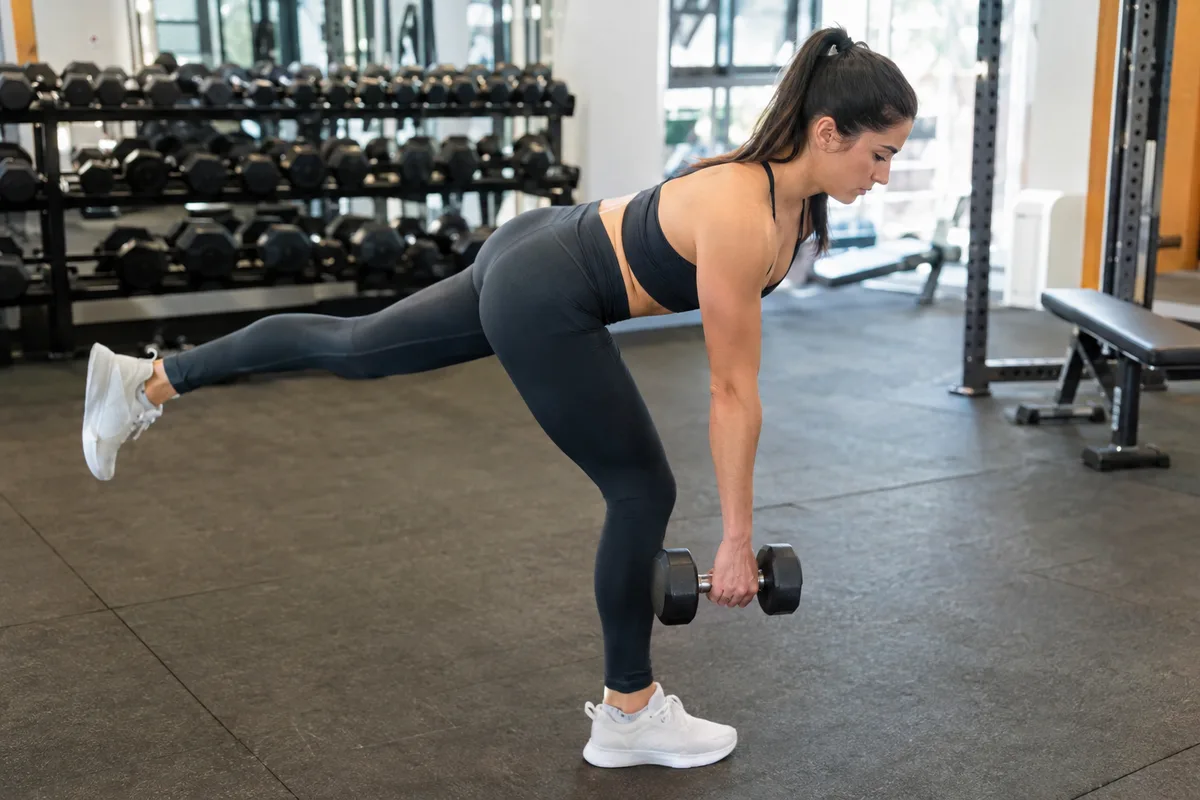
Begin with the side that feels less coordinated, then complete the same work on the other side. Keep your hips and shoulders facing the intended direction rather than twisting to move the weight. For standing exercises, use a stable stance and reduce the range if you start to wobble.
- Single-arm row with the free hand supported
- Split squat with one dumbbell held beside the body
- Half-kneeling single-arm shoulder press
- Single-leg Romanian deadlift with the free foot lightly touching down when needed
Progress without changing the dumbbells
Progress does not always mean lifting a heavier weight. You can improve an exercise by using cleaner technique, a fuller comfortable range or less rest between sets. Change one part at a time so you can tell what made the session harder.
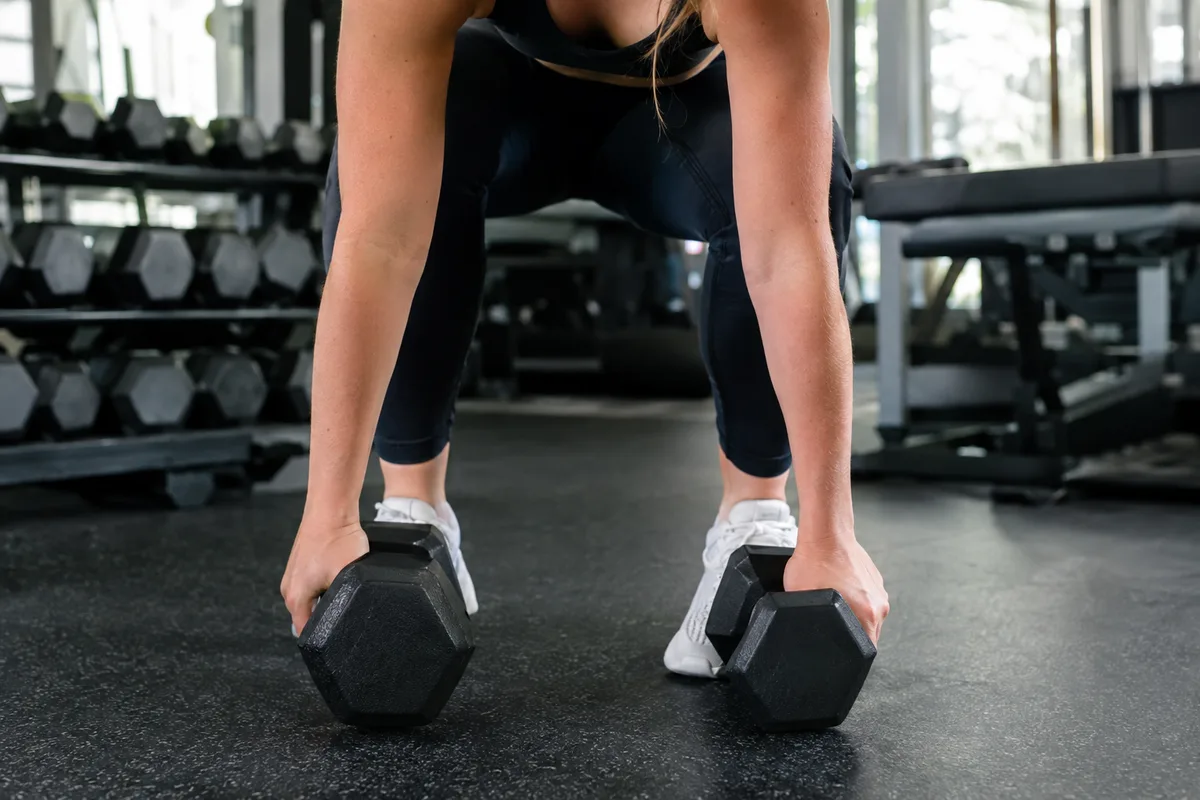
You might also move from a two-sided exercise to a single-sided version or add a pause. Record the exercise variation, repetitions and sets alongside your usual food tracking if that helps you spot patterns in energy and recovery. When every sensible variation feels easy and your form remains steady, a different load may suit that exercise better.
- Add repetitions gradually while every repetition stays controlled
- Add another set rather than extending one set until form slips
- Use a slower lowering phase or a deliberate pause
- Choose a single-sided or less-supported variation
- Increase the range only when you can keep a stable position
Keep technique and recovery in view
Hold each dumbbell firmly with a neutral wrist rather than letting the hand fold backwards. Keep the movement controlled and place the weights down instead of dropping them. Stop the set if you lose your footing, cannot maintain your position or feel sudden discomfort.
Strength work also sits alongside the food and rest you already track. Regular meals containing protein, carbohydrate and dietary fat can support training, while fluid needs vary with the person, session and surroundings. Allow tired areas time to recover before asking them to do another demanding session.
- Clear enough floor space before starting
- Warm up with easy versions of the planned movements
- Keep the dumbbells close to the body when changing position
- Finish a set before control breaks down
- Adjust the next session using notes on effort and technique