
How Many Calories Does an Hour of Moderate Dancing Burn?
An hour of moderate dancing can make a useful contribution to your daily activity, but there is no single calorie figure that suits everyone. This guide explains what counts as moderate dancing, what affects the estimate and how to record it in your food and activity log.
There is no single calorie number
The calories burned during an hour of moderate dancing depend on the dancer and the session. Body size, movement style, pace, breaks and effort all change the result. Two sessions lasting the same amount of time may therefore produce different estimates.
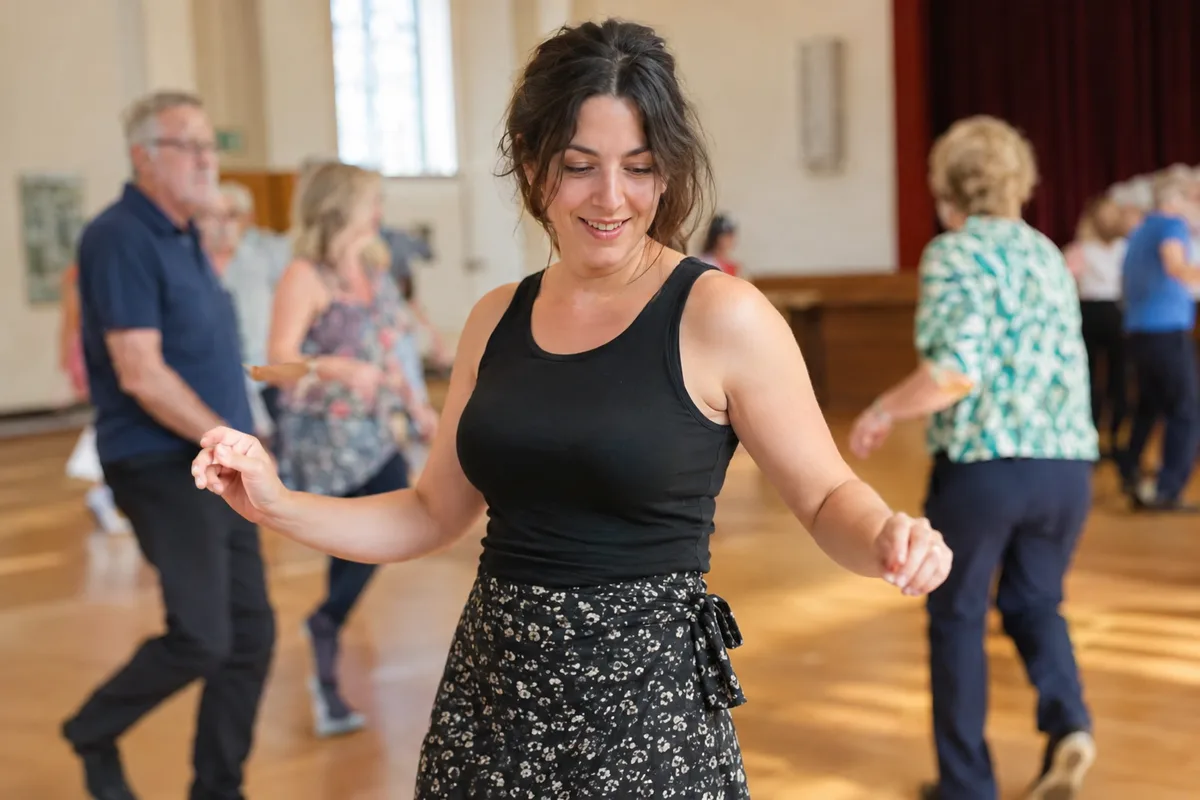
Moderate dancing usually means moving continuously at a comfortable but purposeful pace. You may feel warmer and breathe more quickly, while still being able to speak in short sentences. It sits between gentle swaying and vigorous dancing that makes conversation difficult.
A calorie figure from an activity tracker, app or reference table is best treated as an estimate. It can help you log activity consistently, but it cannot measure every turn, pause or change in effort. A sensible range is often more realistic than one exact number.
What changes the calorie estimate
Body mass influences how much energy movement generally requires, so a larger body will often use more energy for the same dance routine. Fitness and familiarity matter too, because an experienced dancer may perform a movement more efficiently. However, that dancer may also move more strongly or cover more ground.
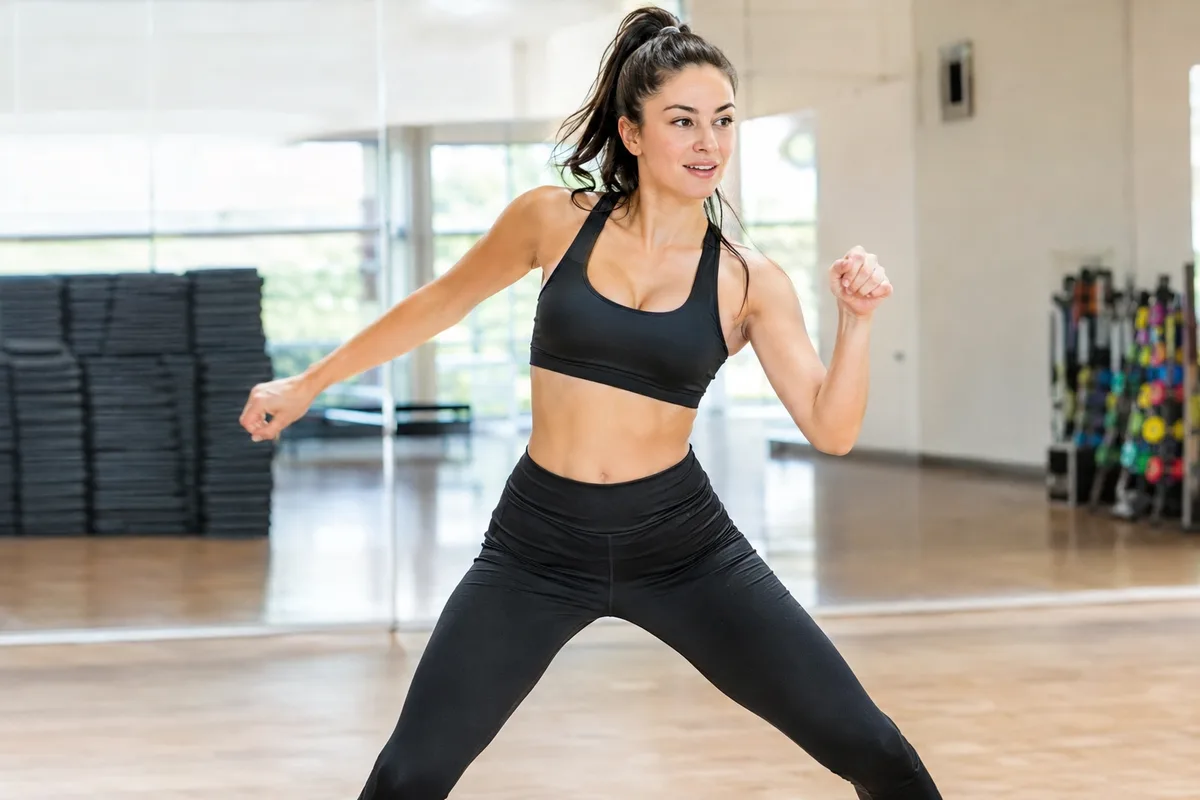
The dance itself makes a difference. Repeated steps across the floor, arm movements, turns and changes of level usually demand more energy than small movements in one spot. Music tempo can affect effort, although fast music does not guarantee vigorous movement.
Breaks should be included honestly when you log the session. An hour-long class with explanations, water stops and waiting is not the same as sixty minutes of continuous movement. Tracking active minutes separately can give you a more useful estimate.
- Your body size
- How continuously you move
- The size and speed of your steps
- How much you use your arms and upper body
- Time spent resting, listening or waiting
How to recognise moderate dancing
Labels such as ballroom, line dancing or dance fitness do not always reveal the true intensity. The same style can be gentle in one session and demanding in another. Your breathing and ability to talk provide a practical guide.
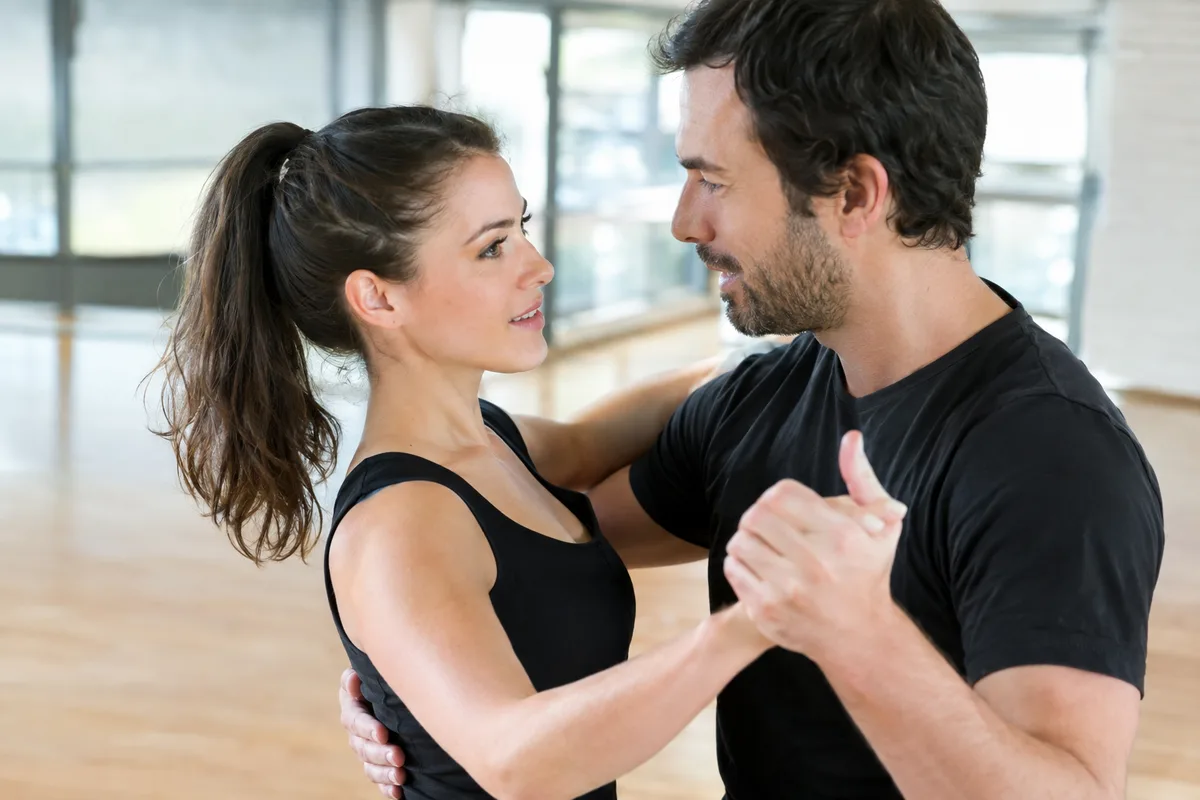
At a moderate effort, your breathing is noticeable but controlled. You should be able to speak, though holding a long conversation may feel less comfortable. If you can sing easily, the effort may be light; if speaking is difficult, it may be vigorous.
Your effort can also rise and fall within the hour. A warm-up may be light, the main routine moderate and a faster section vigorous. You can log these parts separately when the differences are clear.
- Light: easy movement with little change in breathing
- Moderate: purposeful movement with quicker but controlled breathing
- Vigorous: strong movement that makes talking difficult
A practical way to log the hour
Start with the actual time you spent dancing rather than the scheduled length of a class or social event. Remove long breaks, demonstrations and periods when you were standing still. Brief pauses between songs do not need perfect accounting, but use the same approach each time.
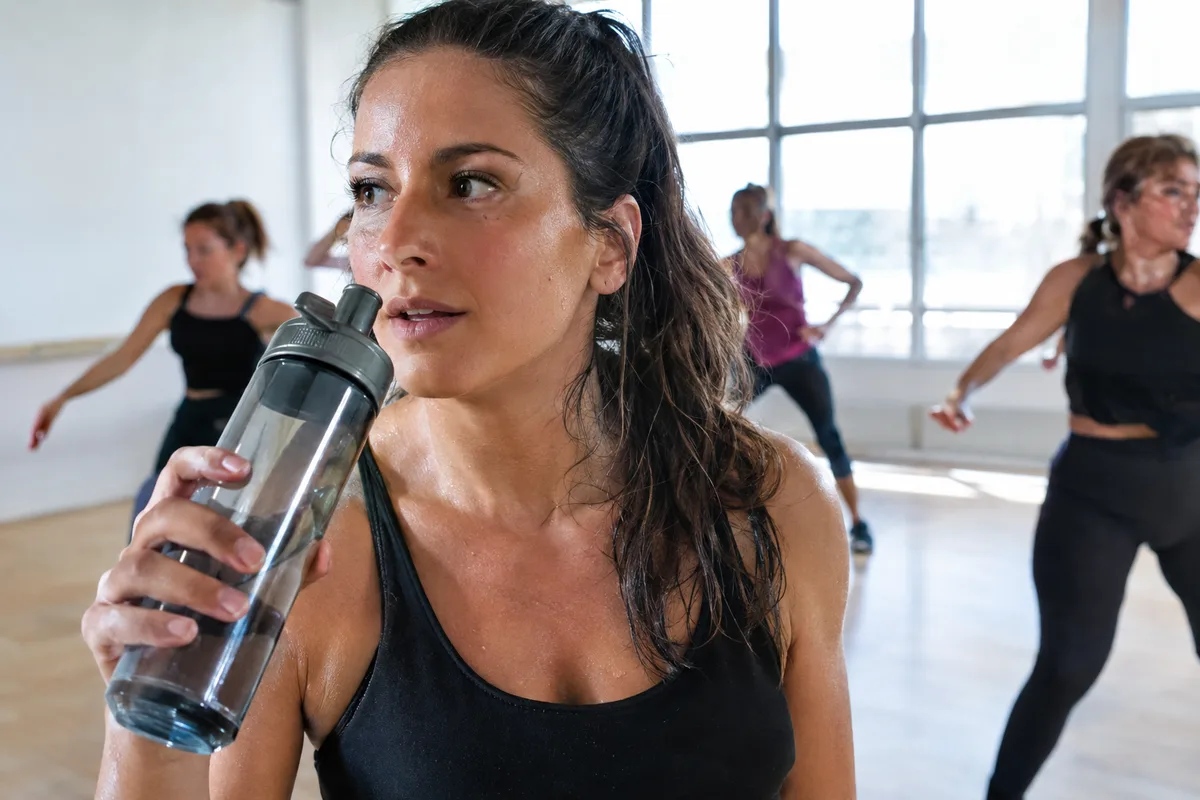
Choose the activity description that most closely matches your effort. If your log offers several dance categories, avoid selecting a high-intensity option simply because its estimate is larger. A general moderate dancing entry is often the clearest choice for a mixed session.
Use the estimate as part of a consistent record rather than as a precise allowance for extra food. Activity calculations can differ between tools because they use different assumptions. If you change apps or methods, expect the displayed figure to change even when the session feels similar.
- Record the active dancing time
- Select a moderate intensity when the talk test fits
- Split the session if effort changes substantially
- Note unusual breaks or especially energetic sections
- Use the same logging method for comparable sessions
Why trackers can disagree
A wrist tracker may use movement and heart-rate information, while an app may rely on your body details, duration and a standard activity category. These methods are not measuring energy use directly. Each one turns limited information into an estimate.
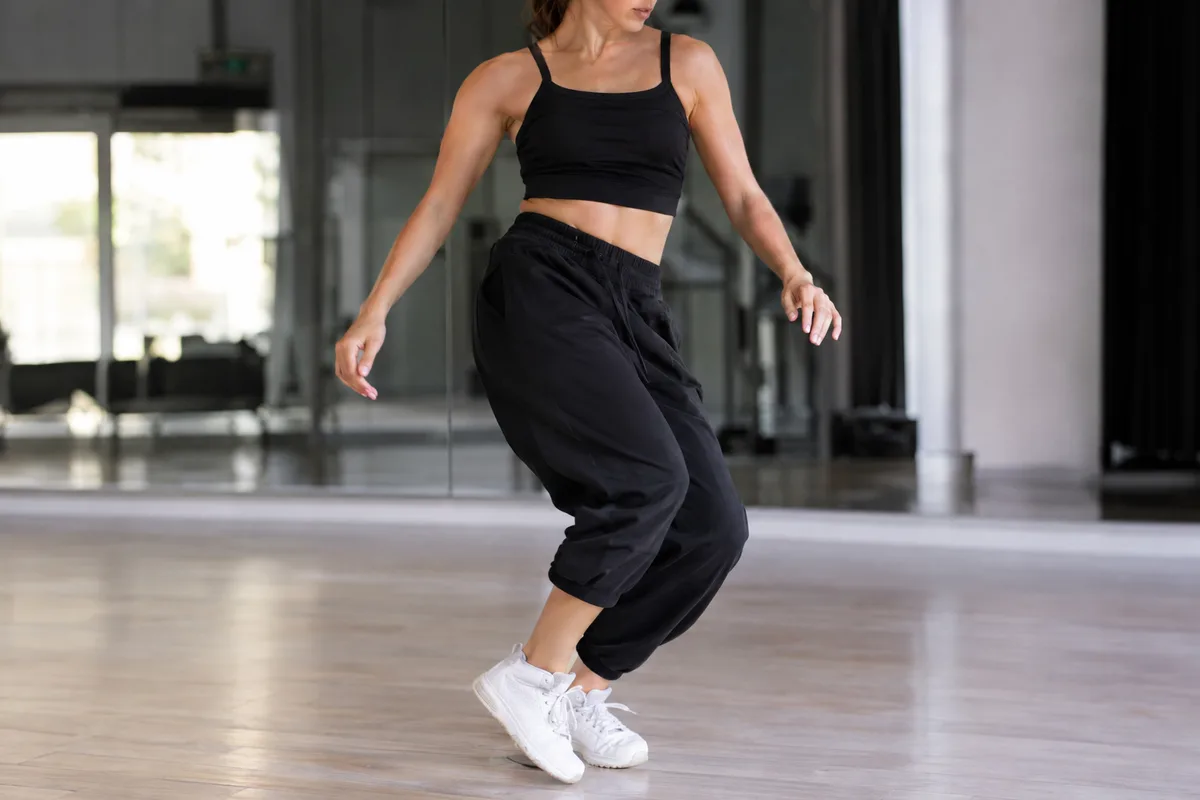
Dance can be particularly difficult for wrist-based tracking. Some routines involve active footwork with relatively quiet arms, while others include large arm movements without much travel. A loose fit or missed heart-rate reading can add further variation.
For food tracking, consistency is usually more useful than switching to whichever tool gives the highest result. Compare similar sessions using one method and look at the broader pattern. The exact calorie number depends on the person, the dance and the way the estimate is calculated.
Keep the number in perspective
Dancing can support an active routine while also offering coordination, musical expression and social time. Those features matter even when the calorie estimate is uncertain. A lower reading does not make the hour wasted, and a higher reading does not make it exact.
When matching activity with your food record, avoid treating estimated burned calories as a precise balance to be eaten back. Appetite, everyday movement and tracking errors can all affect the wider picture. Your needs also vary from day to day.
The most useful log is one that reflects what actually happened. Record the duration, choose an honest intensity and accept that the final number is approximate. Over time, a consistent method makes similar dancing sessions easier to compare.
- Focus on regular participation rather than the largest estimate
- Compare like-for-like sessions
- Keep food and activity entries honest
- Review patterns over time instead of one session