
The Fruitarian Diet: What It Includes and What Tracking Can Reveal
A fruitarian diet centres on fruit, but there is no single set of rules for following it. This guide explains what may be included, why tracking can reveal gaps and how to assess the pattern realistically.
What does fruitarian mean?
A fruitarian diet is an eating pattern in which fruit makes up most or all of what someone eats. Some versions include nuts, seeds and selected vegetables, while stricter versions allow little beyond fresh or dried fruit. Because the definition varies, the label alone does not tell you what a person’s meals contain.
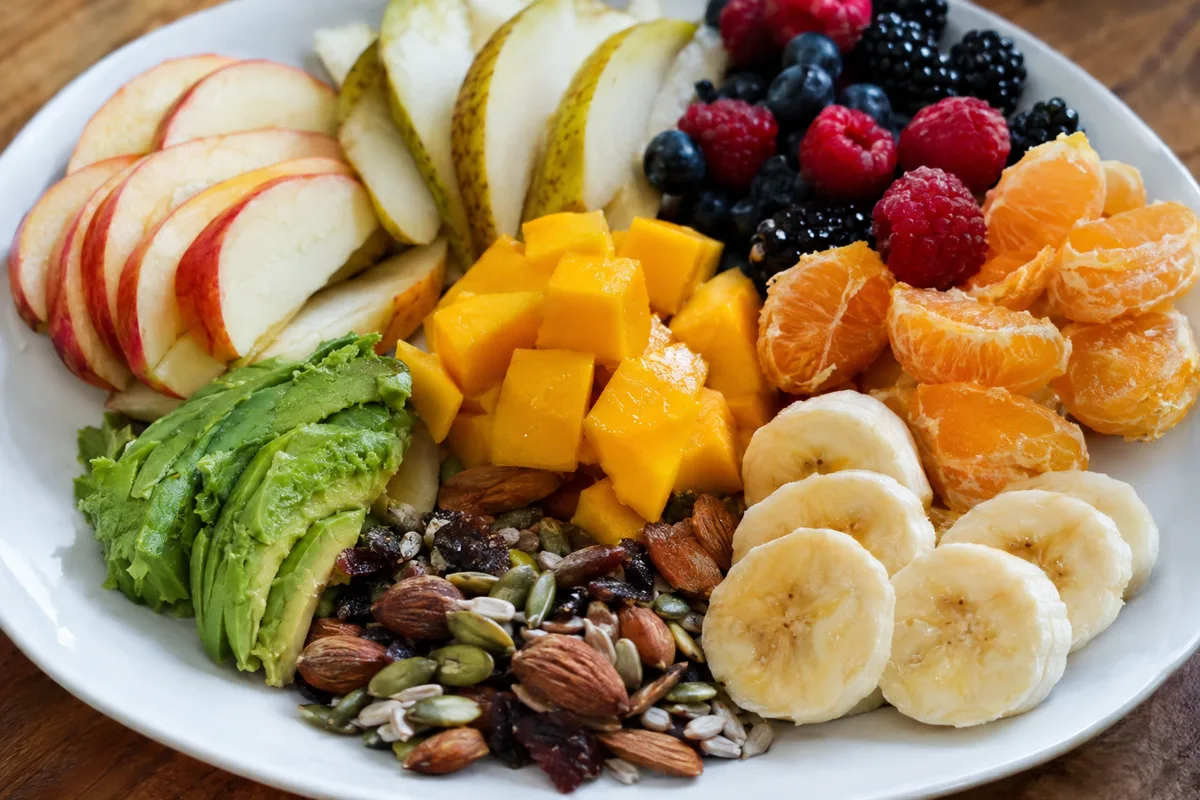
Fruit is useful food, providing carbohydrate, fibre, fluid and a range of vitamins and minerals. However, making it the basis of nearly every meal removes much of the variety found in a broader diet. The stricter the rules become, the harder it can be to cover all nutritional needs.
- Fresh fruit such as apples, pears, berries and citrus fruit
- Tropical fruit such as bananas, mangoes and papaya
- Dried fruit, sometimes eaten in larger portions than fresh fruit
- Nuts, seeds or avocado in less strict versions
- Fruit-like foods such as tomatoes or peppers in some interpretations
Why calorie tracking can be misleading
Your food log may show that a fruit-heavy day fits your chosen calorie target. That does not mean the day is nutritionally complete, because calories describe energy rather than the full mix of nutrients. Two days with similar energy totals can provide very different amounts of protein, fat, fibre, vitamins and minerals.
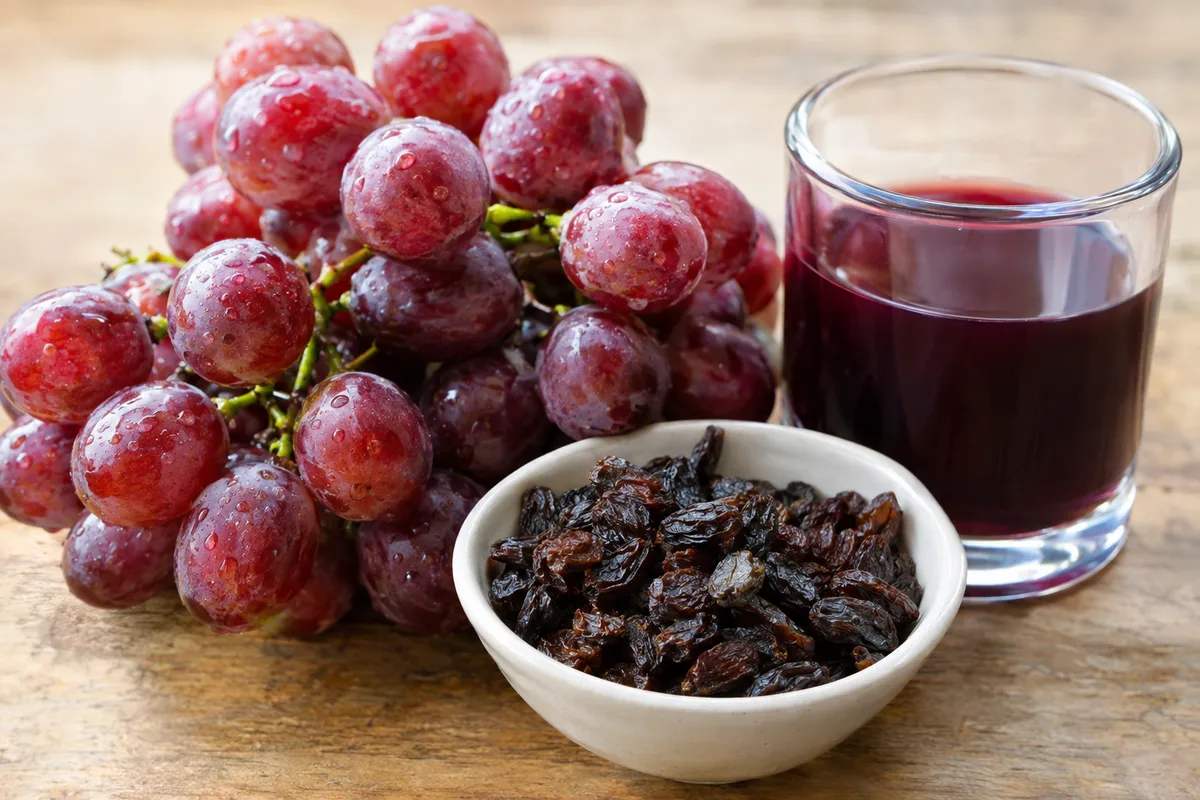
Portion size also matters when logging fruit. Dried fruit is more concentrated than fresh fruit because much of its water has been removed, while juice is easier to drink quickly and contains less fibre than whole fruit. Check whether your app entry describes the food as fresh, dried, tinned, frozen or juiced before relying on the total.
It can be helpful to look beyond the main calorie number in your tracker. Review the pattern across several ordinary days rather than judging one unusually high or low day. The exact amount of food needed depends on the person, their routine and their goals.
- Match the log entry to the form of fruit eaten
- Record nuts, seeds, dressings and blended ingredients separately
- Check serving units rather than choosing the first search result
- Compare protein, fat and fibre alongside total energy
Protein and fat can be difficult to cover
Most fruits contain some protein, but they are not usually concentrated sources of it. Protein supports the everyday maintenance of body tissues, so both the amount and range of sources matter. A strict fruit-only pattern can make an adequate intake difficult without very large quantities of food.
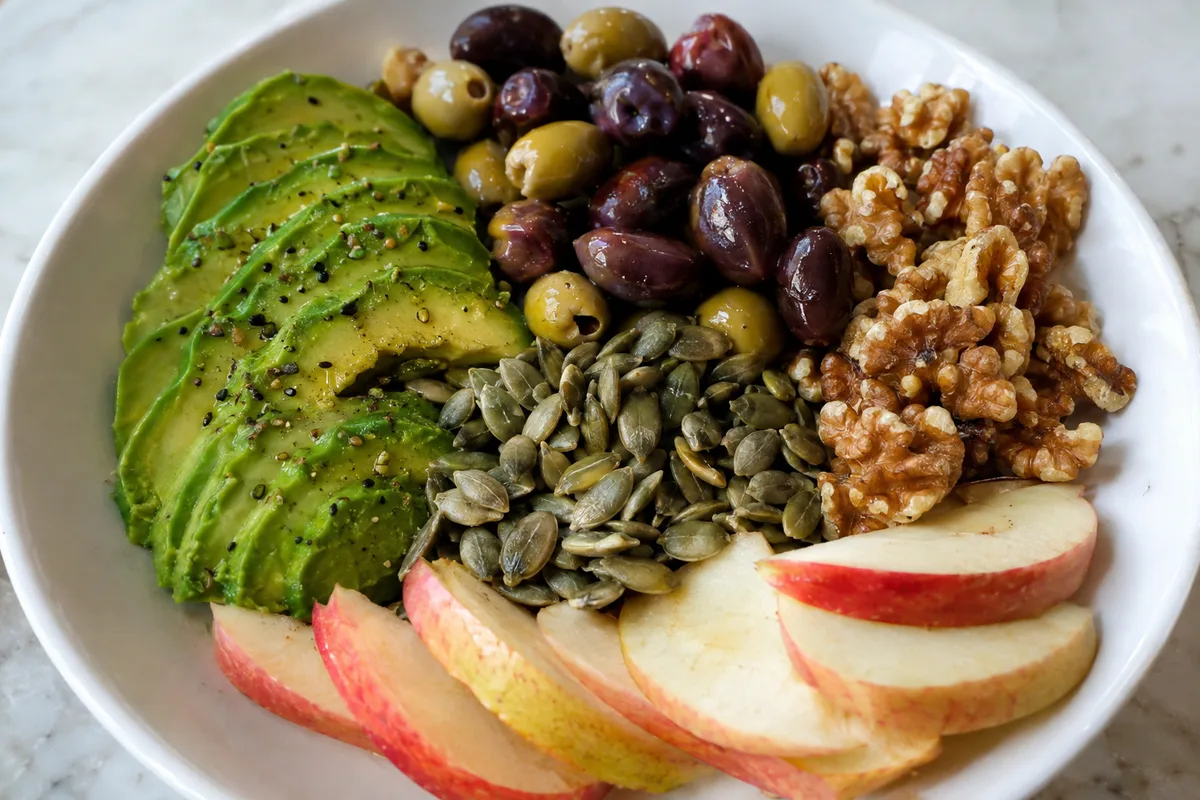
Fat is also limited in many fruits, although avocado, olives, nuts and seeds can contribute more. Dietary fat provides energy, helps the body use certain vitamins and supplies essential fatty acids. If a version of the diet excludes these foods, the nutrition shown in a tracker may become especially unbalanced.
When reviewing your log, notice whether protein and fat appear regularly across the day rather than only in one meal. A low reading on one day is not the whole picture, but a repeated pattern deserves attention. Tracker estimates also vary according to the quality of the food database.
- Check whether each meal contains a meaningful protein source
- Look for regular sources of dietary fat
- Review several days rather than one isolated entry
- Treat incomplete database entries with caution
Micronutrients need more than a colourful fruit bowl
Eating many colours of fruit can provide a useful range of nutrients, but colour does not guarantee complete coverage. Some nutrients are naturally scarce in a strict fruit-only diet, while others may be present in amounts that depend heavily on the foods chosen. A varied fruit bowl is still less varied than a diet that includes several food groups.
Food trackers can help identify possible gaps, but their micronutrient data are often incomplete. A blank value may mean the nutrient was not entered into the database rather than that the food contains none. Use the log as a prompt to examine your choices, not as a perfect laboratory report.
Pay attention to nutrients commonly supplied by protein-rich foods, dairy foods or alternatives, grains and a wider range of vegetables. Removing whole categories without suitable replacements narrows the routes available for meeting nutritional needs. If you are considering a highly restrictive pattern, seek advice from a qualified dietitian who can assess your circumstances.
Whole fruit, juice and dried fruit are not interchangeable
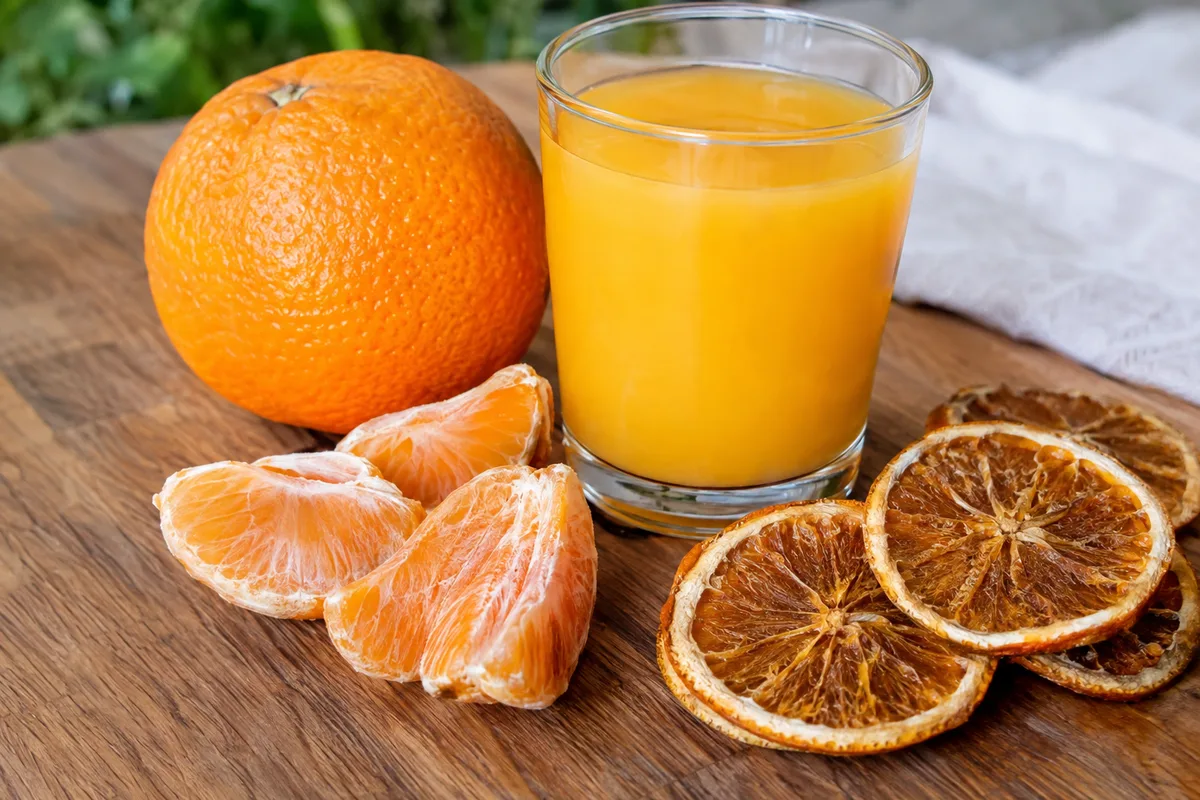
Whole fruit usually requires more chewing and retains its natural fibre structure. Juice removes much of that structure, even when it contains no added ingredients. A glass can therefore be consumed differently from the amount of whole fruit used to make it.
Dried fruit is compact and easy to eat in repeated handfuls. It can contribute fibre and nutrients, but its smaller volume makes visual portion estimates less reliable. Logging the actual form and portion gives you a clearer record than selecting a generic fruit entry.
Blended fruit sits somewhere between chewing whole pieces and drinking clear juice. It may retain fibre, but the finished drink can contain several portions that would take longer to eat separately. Record every ingredient so that the log reflects the full drink.
- Choose a specific entry for fresh, frozen, tinned or dried fruit
- Log juice by its measured serving rather than as whole fruit
- Enter each fruit used in a blended drink
- Include added liquids, nuts, seeds or sweeteners
A realistic way to assess the diet
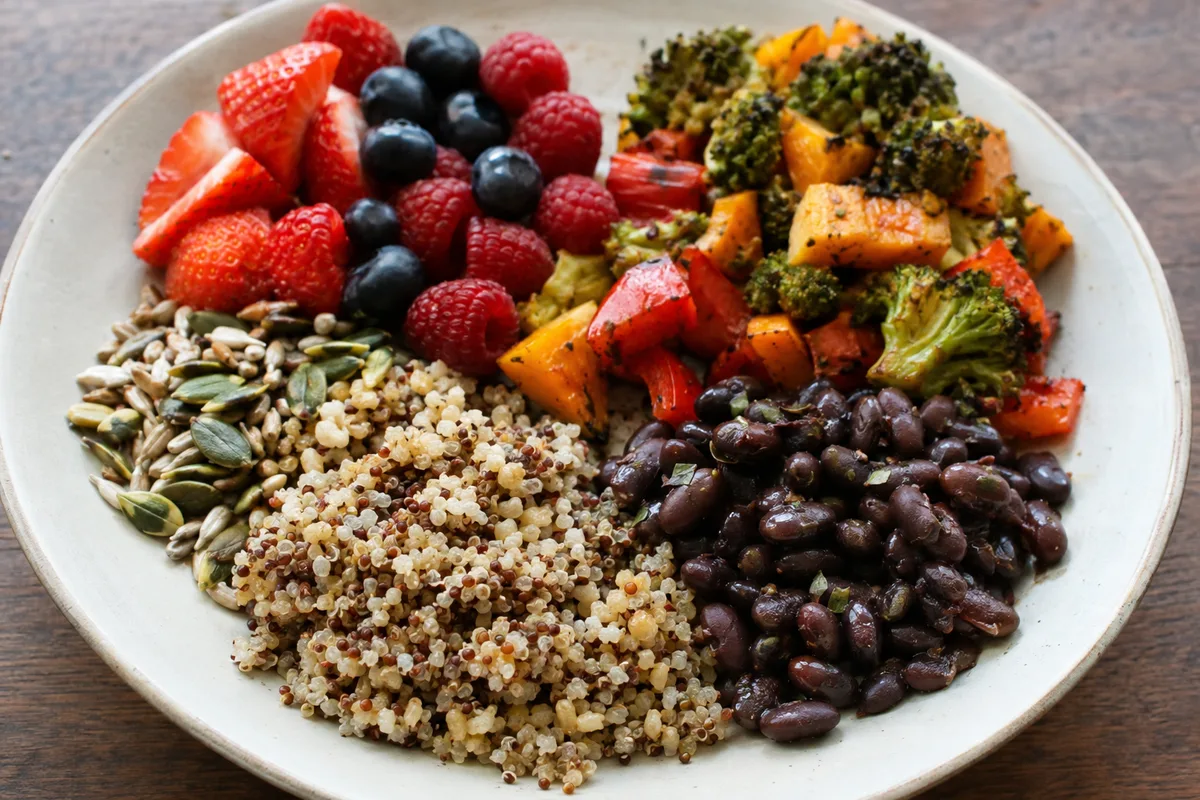
Before adopting the label, decide what you are trying to achieve. If the aim is simply to eat more fruit, that can be done without excluding beans, grains, vegetables, protein-rich foods or sources of fat. Adding a useful food does not require turning it into the whole diet.
Use your existing tracking habit to test the pattern on paper before making strict rules. Build several ordinary days, then review energy, protein, fat, fibre and the micronutrient information that is genuinely available. Also consider hunger, enjoyment, convenience and whether the meals work in everyday social situations.
A broader plant-focused pattern offers more ways to combine fruit with other foods. Variety makes it easier to adjust meals when your appetite, schedule or preferences change. If a way of eating leaves persistent gaps or makes meals increasingly restrictive, pause and get personalised guidance from a qualified dietitian.
- Define the goal without assuming restriction is necessary
- Plan several realistic days rather than one ideal menu
- Check both nutrient totals and how the meals feel
- Keep room for foods from a range of food groups
- Ask a qualified dietitian about repeated gaps