
What Shiitake Mushrooms Can Add to Your Diet
Shiitake mushrooms can make tracked meals more satisfying and varied while contributing fibre and several micronutrients. This guide explains their benefits, how cooking changes your food log and practical ways to use them.
Why shiitake mushrooms are worth knowing
Shiitake mushrooms have a firm texture and a rich, savoury taste. They can add bulk and flavour to a meal without relying on a large amount of oil, cheese or creamy sauce. The exact energy value depends on whether they are fresh or dried and how they are cooked.
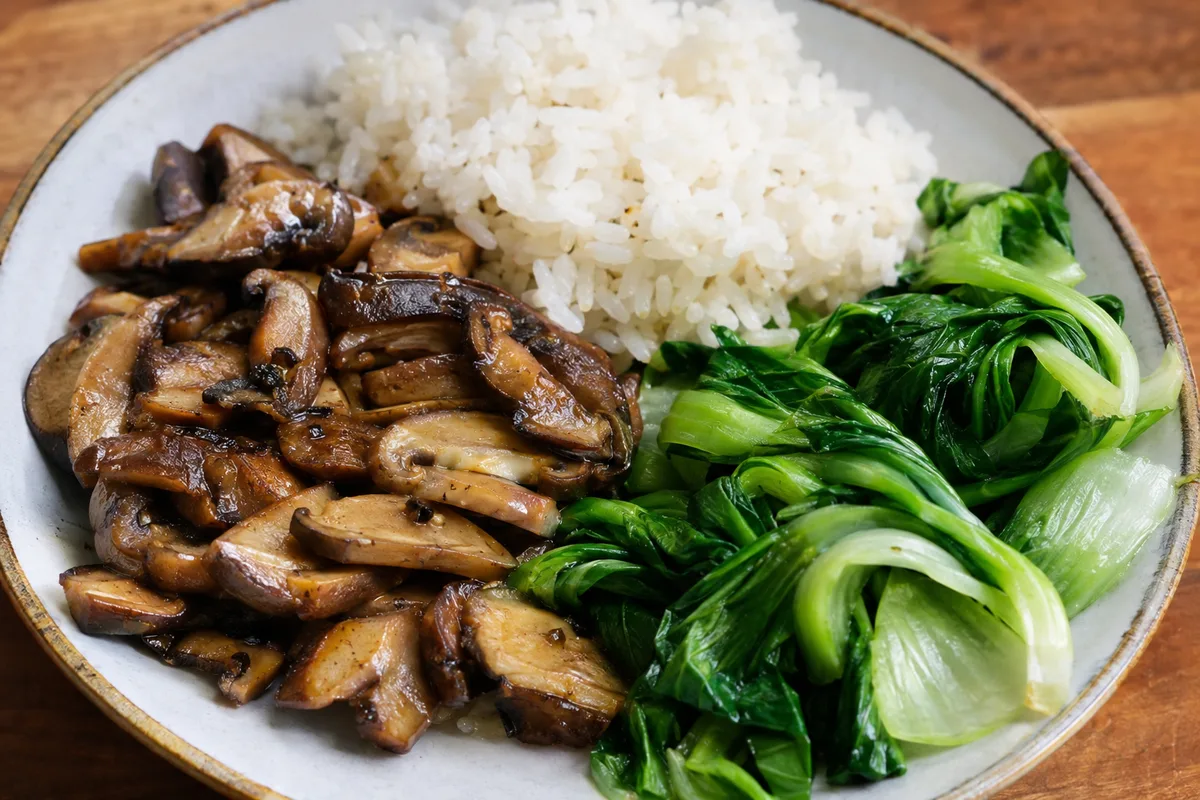
Their strong umami flavour can make simple ingredients taste more complete. This is useful when you are building meals around vegetables, grains or lean sources of protein. Shiitake mushrooms are not a shortcut to better health, but they can be a useful part of a varied diet.
- Add sliced shiitake to a vegetable stir-fry
- Fold cooked mushrooms into rice or noodles
- Mix them with other mushrooms for a deeper flavour
- Use chopped shiitake in soups, stews or savoury fillings
Fibre and everyday fullness
Shiitake mushrooms provide fibre, which supports normal digestion and adds substance to meals. Fibre-rich foods often take up more room on the plate and require more chewing. How filling you find them will depend on the whole meal and your individual appetite.
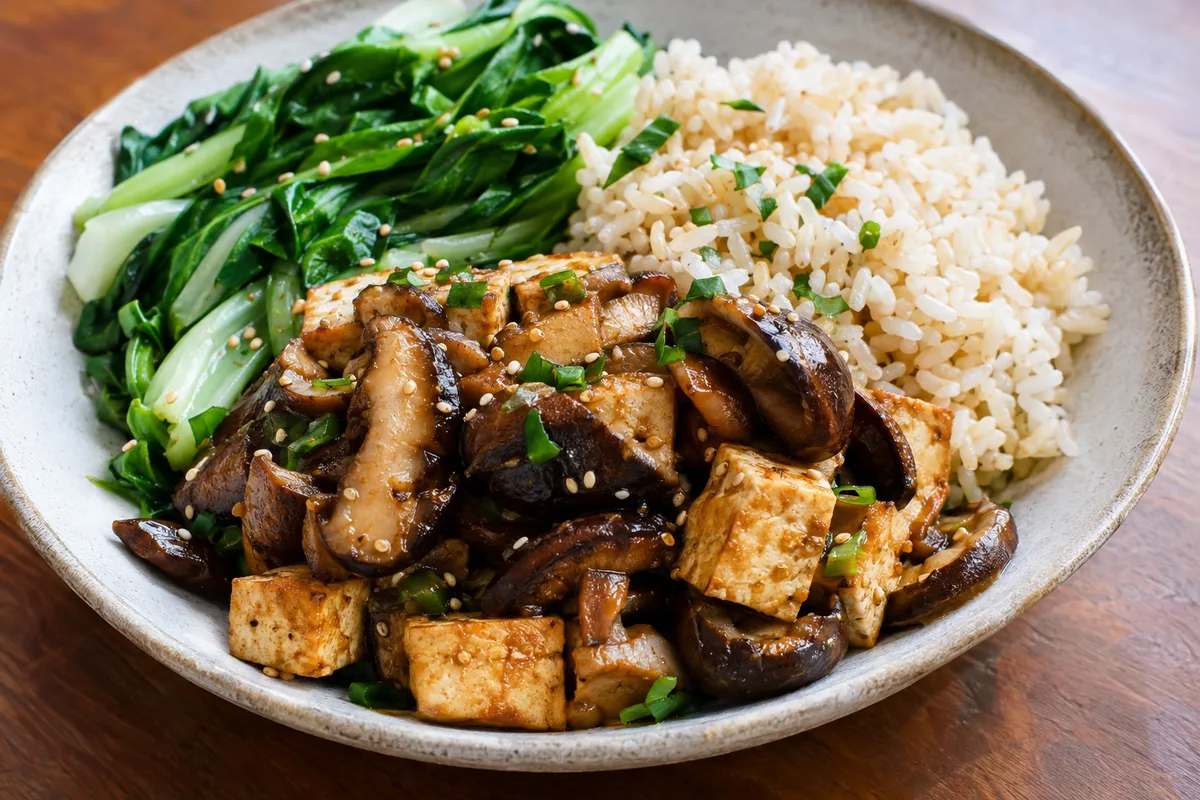
Mushrooms alone may not keep you satisfied for long because they contain relatively little protein and fat. Pairing them with a protein source, a carbohydrate and some fat usually creates a more balanced meal. If you track fibre, check whether your food entry refers to fresh, cooked or dried shiitake.
- Pair with eggs and wholegrain toast
- Serve with tofu, rice and leafy vegetables
- Add to lentils with roasted vegetables
- Combine with chicken and noodles in a broth
Useful vitamins and minerals
Shiitake mushrooms contain several B vitamins, along with minerals such as copper and selenium. These nutrients take part in normal processes including energy release, cell protection and the maintenance of body tissues. The amount supplied varies with the growing conditions, portion and preparation method.
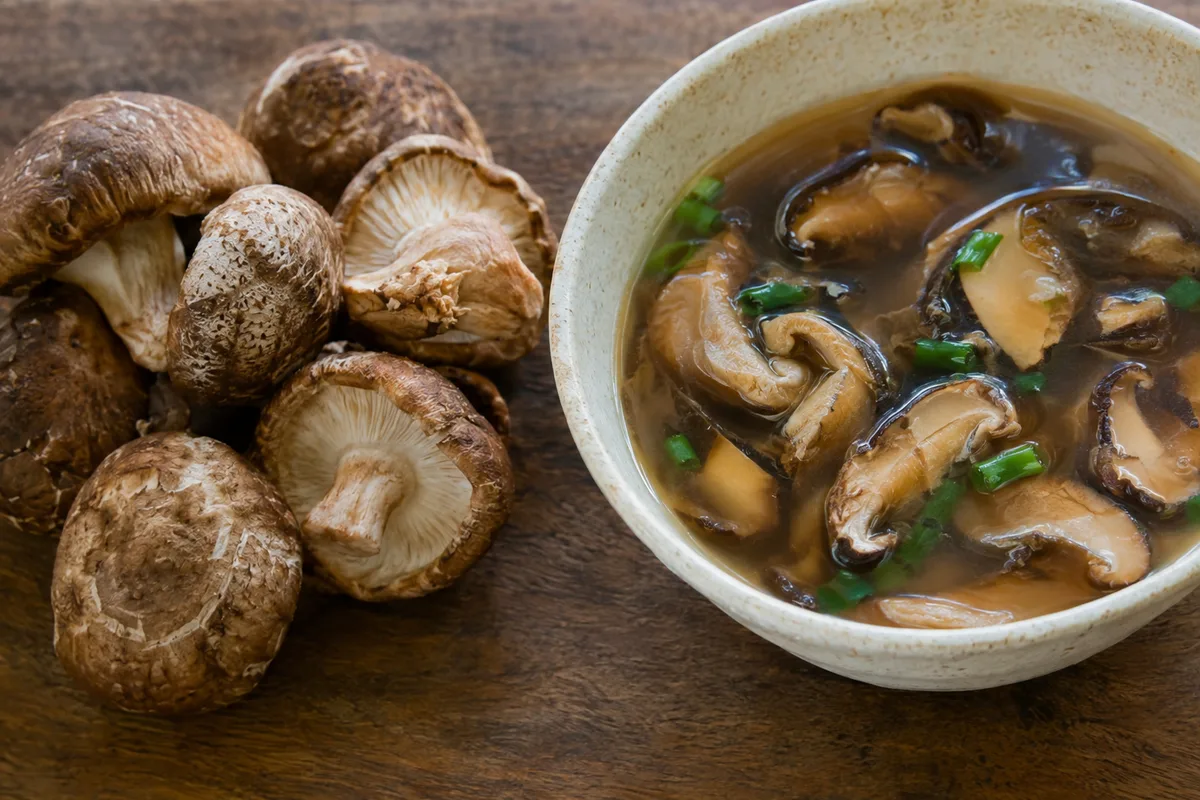
Some mushrooms can also provide vitamin D when they have been exposed to ultraviolet light. This varies considerably, so it is better to check the packaging or food database rather than assume every shiitake serving contains the same amount. Treat mushrooms as one contributor among the many foods that make up your nutrient intake.
- Use the closest match in your food-tracking database
- Check whether the entry is for fresh or dried mushrooms
- Look for vitamin D information on the packaging when relevant
- Avoid treating one nutrient-rich food as a replacement for dietary variety
Fresh and dried shiitake are not logged the same way
Dried shiitake have had much of their water removed, so their nutrients and energy are concentrated by weight. A gram-for-gram comparison with fresh mushrooms can therefore be misleading. Log dried mushrooms using their dry weight unless your tracking entry clearly says that it refers to rehydrated mushrooms.
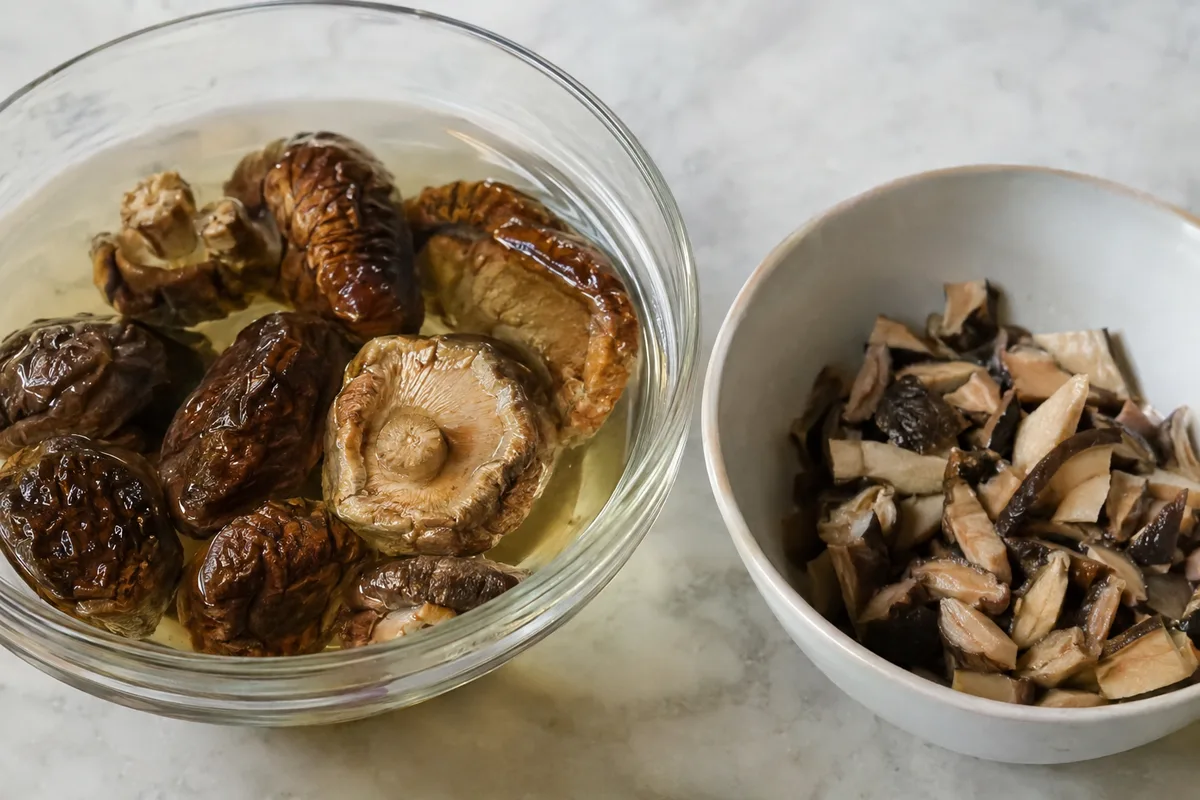
Soaking makes dried shiitake heavier again because they absorb water. That added water changes the weight but does not add energy. The soaking liquid can be strained and used in a soup or sauce for extra flavour.
- Weigh dried mushrooms before soaking when using a dry-food entry
- Use a cooked or rehydrated entry if that matches how you measured them
- Track oil, butter and sauces separately
- Keep the soaking liquid if you want a stronger mushroom flavour
Cooking shiitake without losing sight of the extras
Shiitake mushrooms absorb cooking fat readily, so the added oil or butter can contribute more energy than expected. Sauces may also add sugar, fat or salt depending on the recipe. Tracking these ingredients separately gives you a clearer picture than logging mushrooms alone.
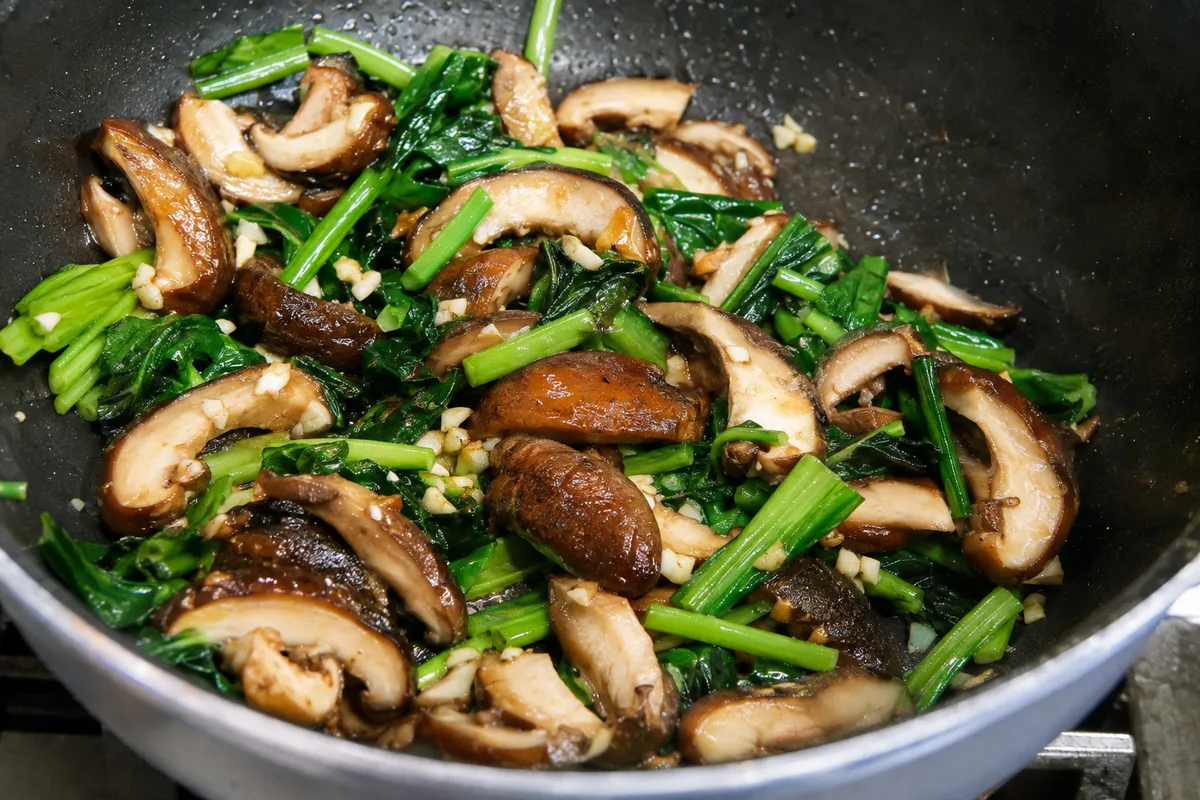
Cook shiitake until they are tender rather than eating them raw. Remove very tough stems, which can be saved for flavouring stock and then discarded. If mushrooms are new to your diet, start with an amount that feels comfortable and notice how your body responds.
- Sauté in a measured amount of oil
- Roast with garlic and black pepper
- Simmer in broth with ginger and greens
- Grill and serve with grains and vegetables
- Stir into a sauce near the end of cooking