
What Does a Whole Foods Diet Actually Mean?
A whole foods diet centres on foods that remain close to their original form. It is a flexible way of choosing food rather than a fixed plan with strict rules.
The basic idea
Whole foods are foods that have had little or no processing before you eat them. Examples include vegetables, fruit, grains, beans, lentils, eggs, fish, meat, nuts and seeds.
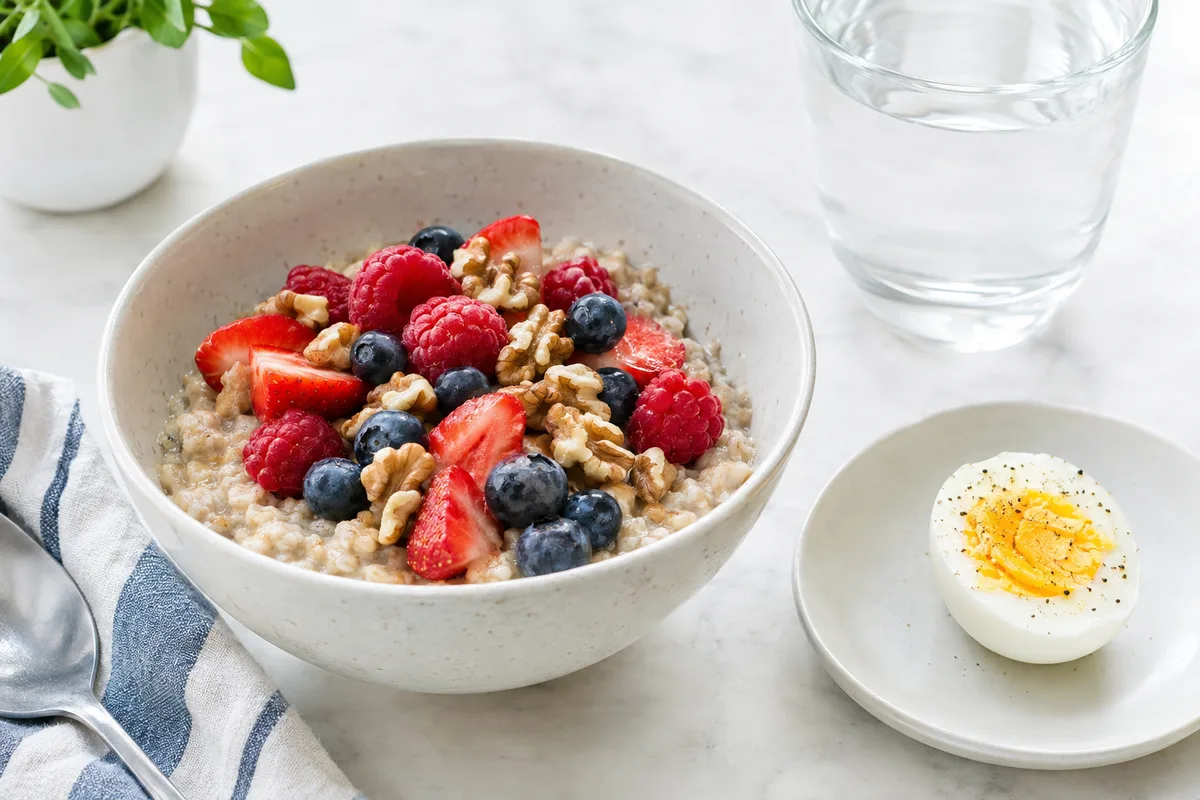
Processing is not automatically a problem, and many useful foods are prepared in some way. Frozen vegetables, tinned beans, plain yoghurt and wholemeal bread can all fit, even though they are not completely unchanged.
What a whole foods diet can look like
The aim is usually to make whole or minimally processed foods the foundation of meals. You might build a plate around vegetables, a grain or potato, and a source of protein, then add herbs, spices, oils or sauces for flavour.
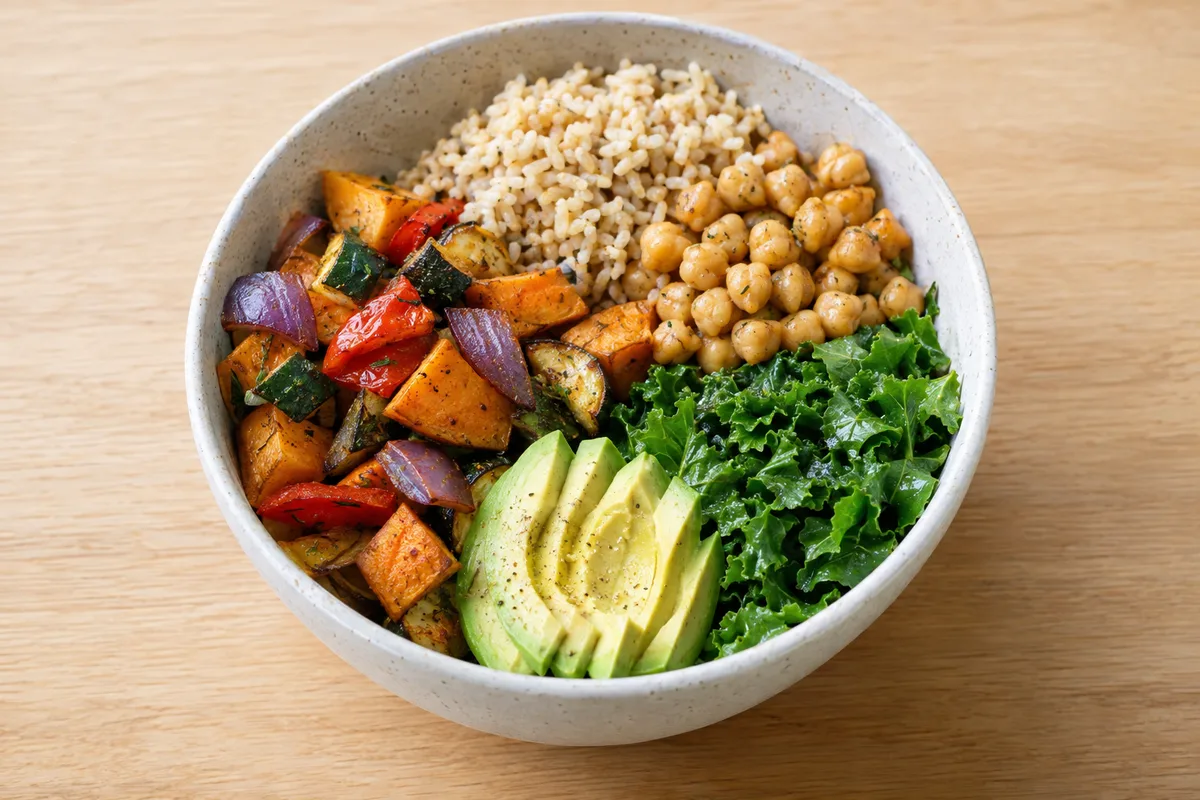
There is no single whole foods menu or required balance. Your choices can reflect your preferences, culture, cooking time, budget and dietary needs.
How it fits with food tracking
Tracking can show how a shift towards whole foods changes your usual intake of protein, fibre, fat and carbohydrate. Log foods as accurately as practical, but remember that home-cooked portions and natural differences between foods mean entries are still estimates.
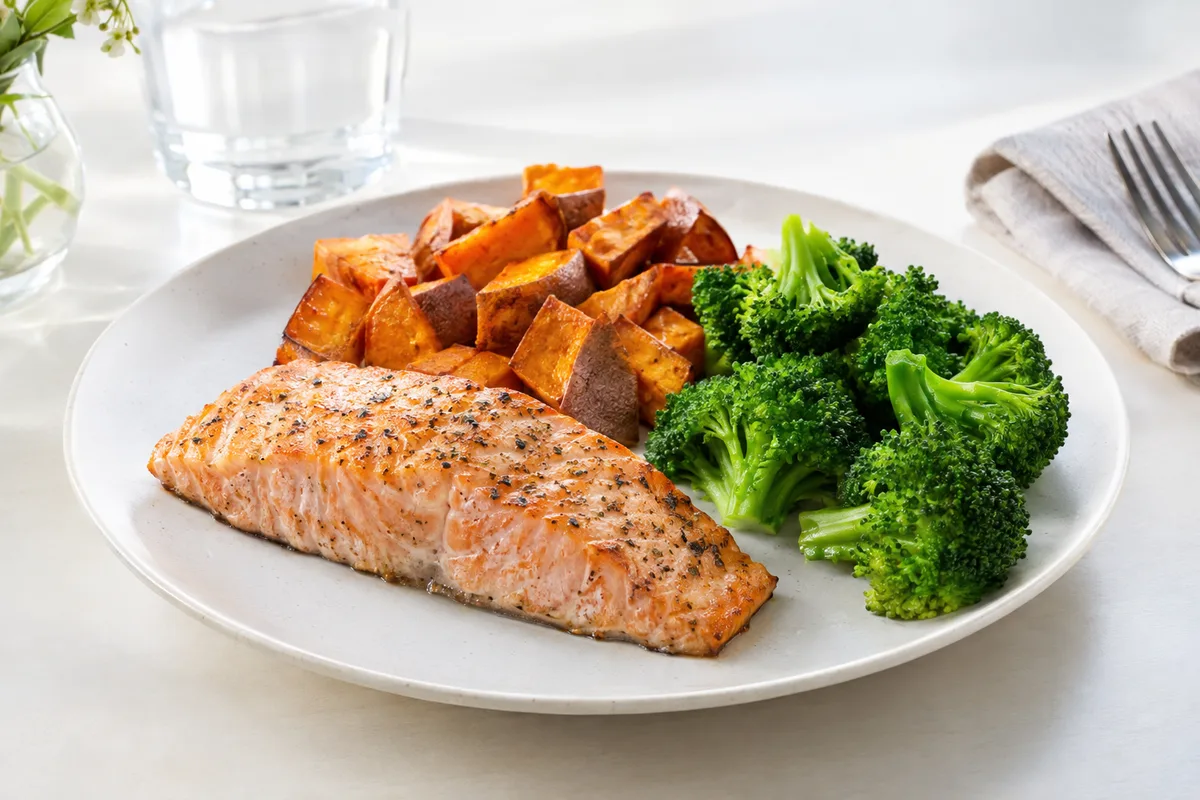
Whole foods can also vary in energy density. Nuts, seeds and oils provide a lot of energy in a small serving, while many vegetables and fruits contain more water and fibre, so the right portions depend on the person and their goals.
A flexible way to begin
Start by looking at meals you already record and choose one simple change. You could add vegetables to a familiar dish, swap a refined grain for a wholegrain option, or use beans and lentils more often.
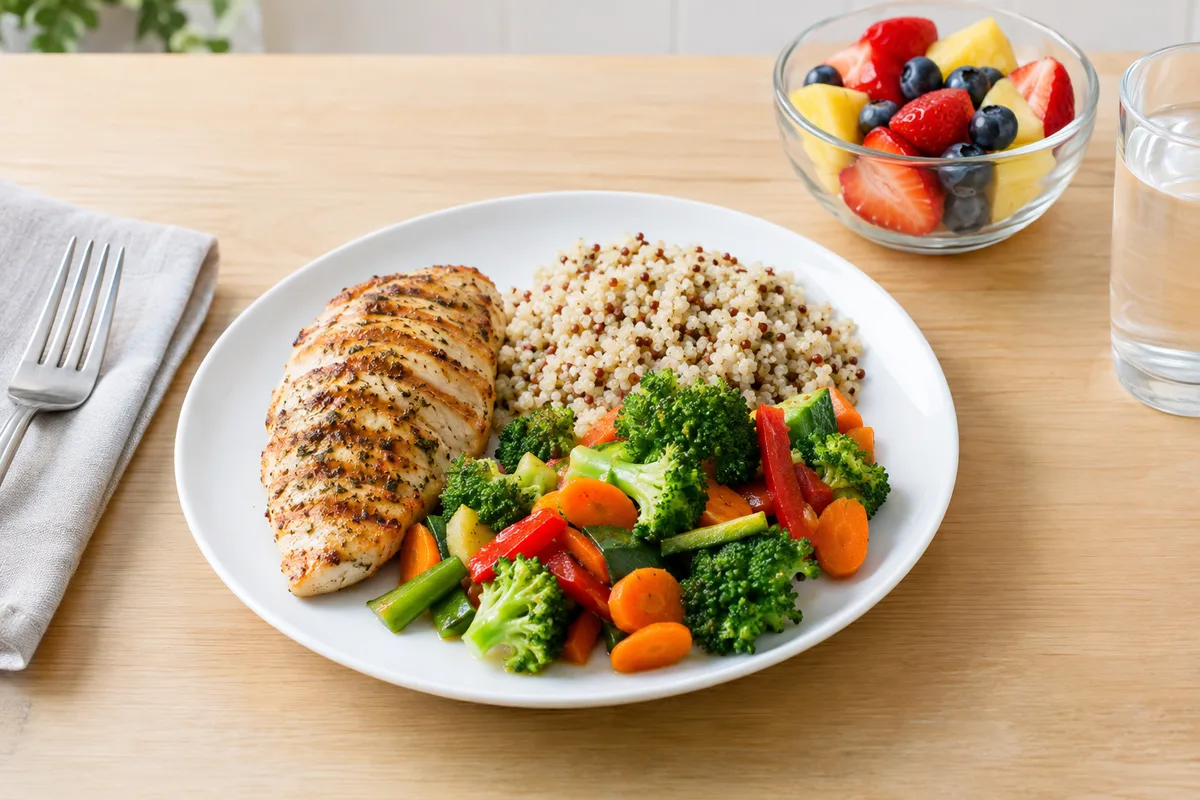
Avoid turning the word “whole” into a test of whether a food is good or bad. Convenience foods, enjoyable extras and more processed ingredients can still have a place; the overall pattern matters more than making every choice fit a label.