
A Practical List of Non-Processed Foods
Most foods undergo some handling before they reach your kitchen, so “non-processed” is not always a precise label. A more useful approach is to choose whole or minimally processed foods with few added ingredients.
What non-processed food means
Truly unprocessed foods are eaten much as they come from nature. Fresh fruit, raw vegetables, eggs and unsalted nuts are familiar examples, although washing, cutting or chilling does not meaningfully change the food.
Minimally processed foods may be frozen, dried, ground, pasteurised or cooked for convenience and safety. These steps can still leave the main food intact, so plain frozen peas or rolled oats can fit comfortably on a whole-food list.
Fruit, vegetables and plant staples
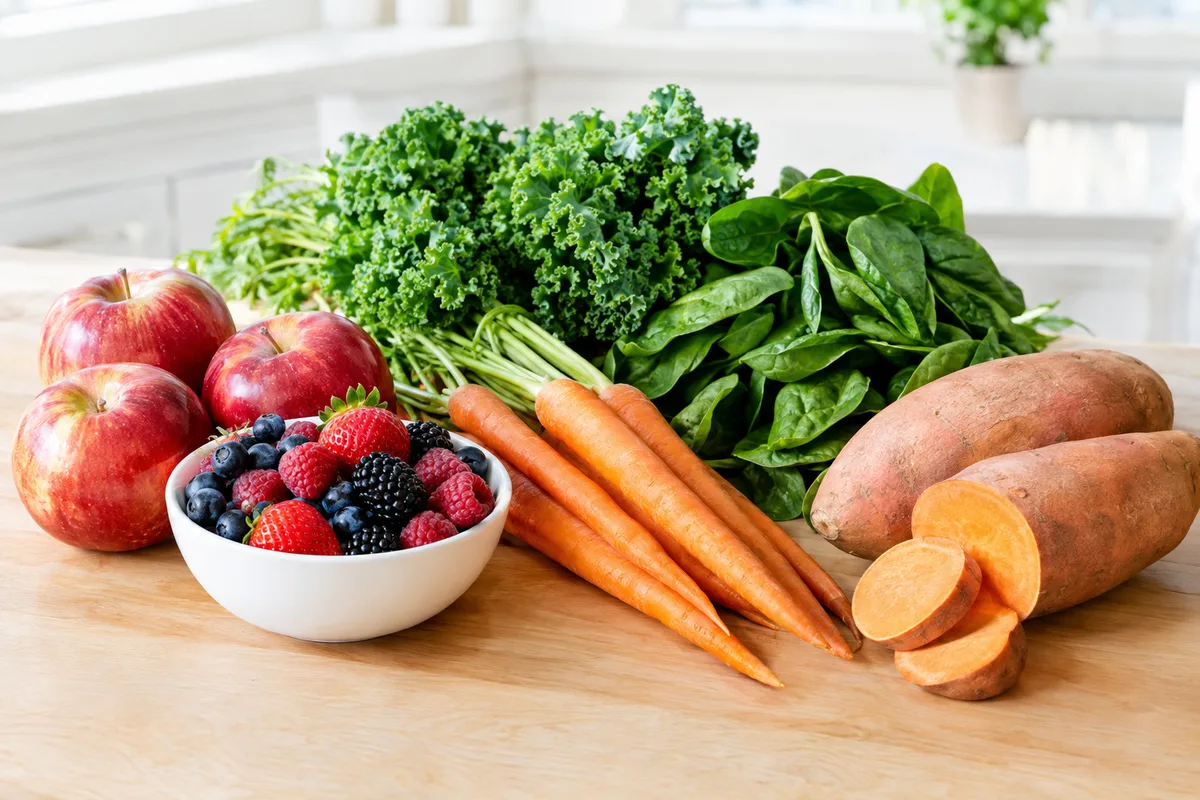
Fresh fruit includes apples, pears, oranges, berries, grapes, peaches, plums, melons and bananas. Vegetable choices include carrots, broccoli, cauliflower, cabbage, spinach, tomatoes, peppers, mushrooms, courgettes and onions.
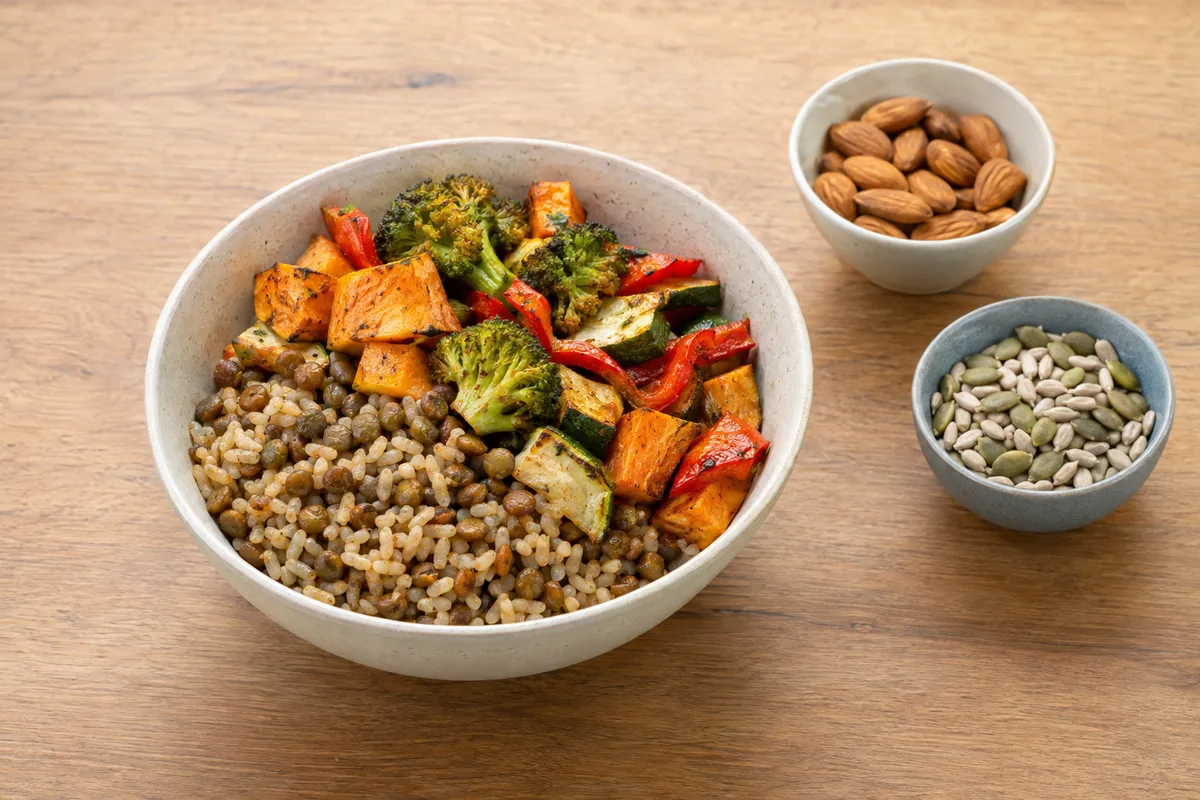
Potatoes, sweet potatoes, squash and corn are useful starchy options. Plain frozen fruit and vegetables also count when they contain no added sauces, sugar or seasoning, while dried fruit is best checked for added ingredients.
Grains, pulses, nuts and seeds
Whole or minimally altered grains include oats, brown rice, barley, rye, quinoa and plain wholegrain flour. Dried beans, lentils, chickpeas and split peas are also simple staples; tinned versions can be suitable when the ingredient list is short.
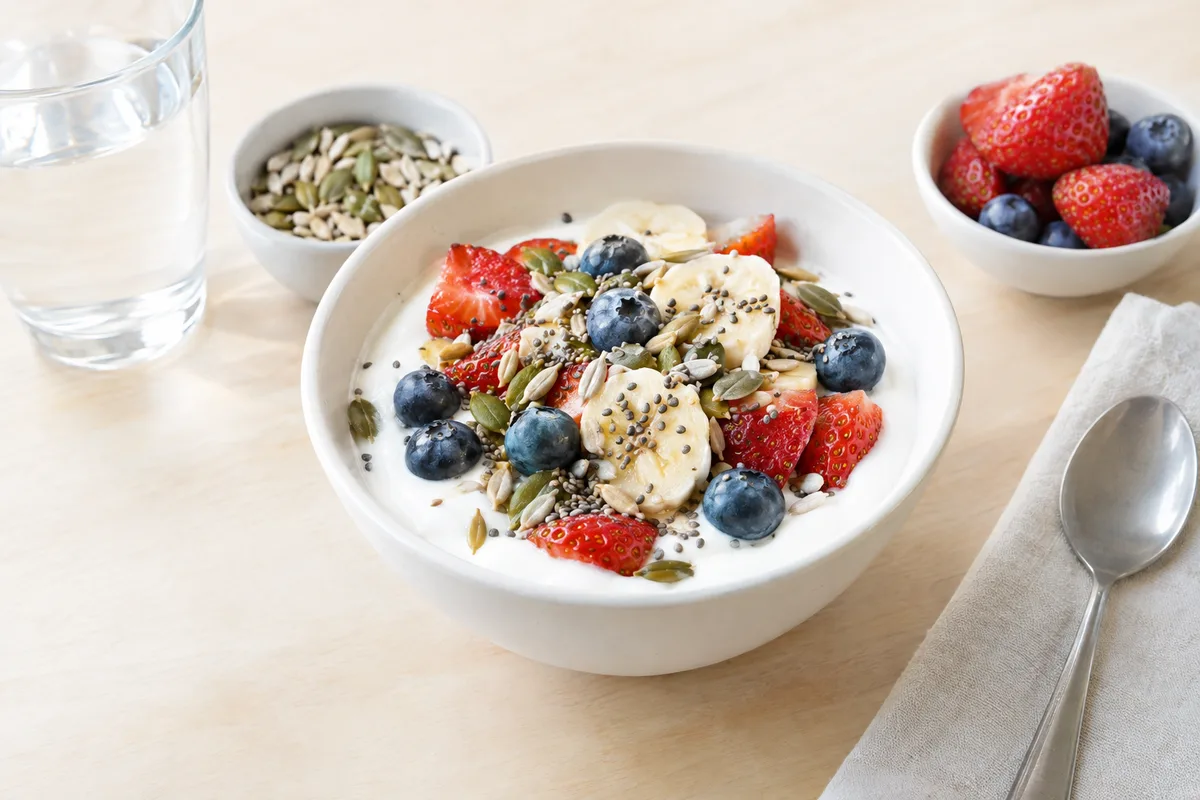
Plain almonds, walnuts, cashews, hazelnuts, peanuts and pistachios offer easy options for snacks or meals. Seeds such as pumpkin, sunflower, sesame, chia and flax also fit, especially when they are unsalted and free from added coatings.
Animal foods and how to track them
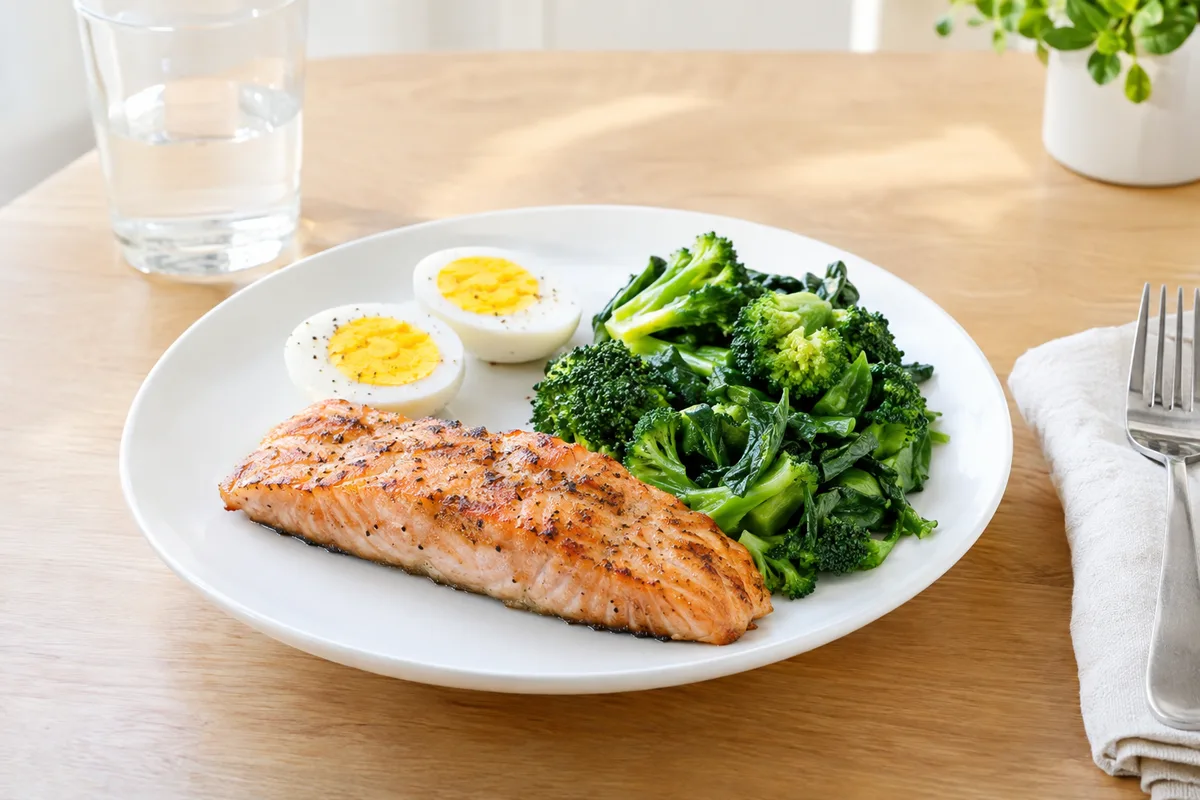
Fresh eggs, fish, seafood, poultry and unseasoned cuts of meat are minimally processed choices. Plain milk and natural yoghurt have undergone necessary preparation, but they can still sit within a mostly whole-food pattern when they have few added ingredients.
When logging these foods, record the form you actually weighed because cooking can change water content and therefore the weight. Check whether your tracking entry refers to raw, cooked, drained or frozen food, and use the ingredient label when you are unsure how much processing or seasoning has been added.