
The foods registered dietitians keep coming back to
There is no single grocery list that every registered dietitian follows, but certain useful foods tend to earn a regular place. This guide explains what they add to meals and how to choose versions that suit your own food log.
Start with flexible protein foods
Protein foods can make meals more filling and provide the building blocks the body uses to maintain and repair tissues. They are also useful anchors when you plan a meal, because you can choose the protein first and build around it. The right amount depends on the person, their routine and their overall diet.
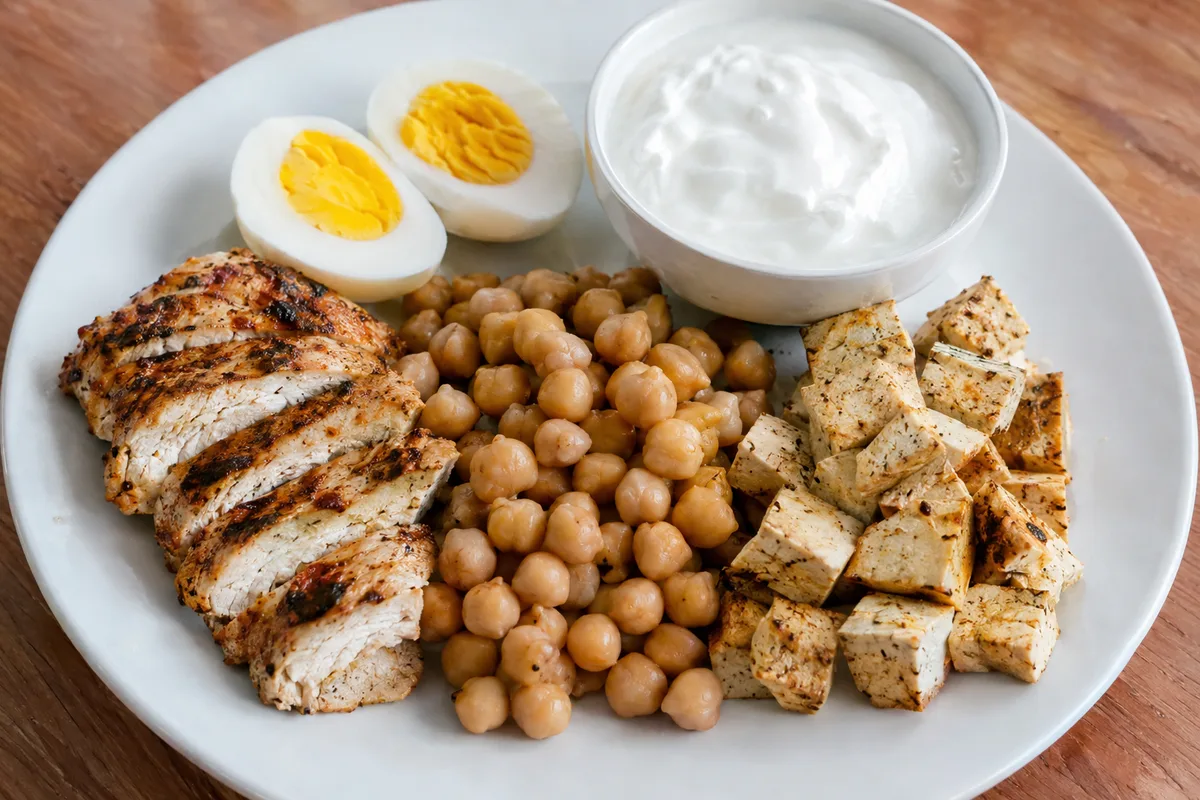
A varied grocery list might include both animal and plant sources. When tracking, check the portion you actually eat rather than relying on a standard serving shown in an app. Remember that sauces, oil and coatings may need separate entries if they are not included in the food listing.
- Eggs for quick breakfasts, lunches or simple evening meals
- Plain yoghurt for breakfast, snacks and savoury sauces
- Beans, chickpeas and lentils for soups, salads and curries
- Fish, chicken, tofu or tempeh as adaptable main-meal options
Choose carbohydrates that bring fibre
Carbohydrate foods provide energy, while less refined options can also bring fibre and a wider mix of nutrients. Fibre adds bulk to meals and can help them feel more substantial. Rather than cutting carbohydrates automatically, look at what each choice contributes.
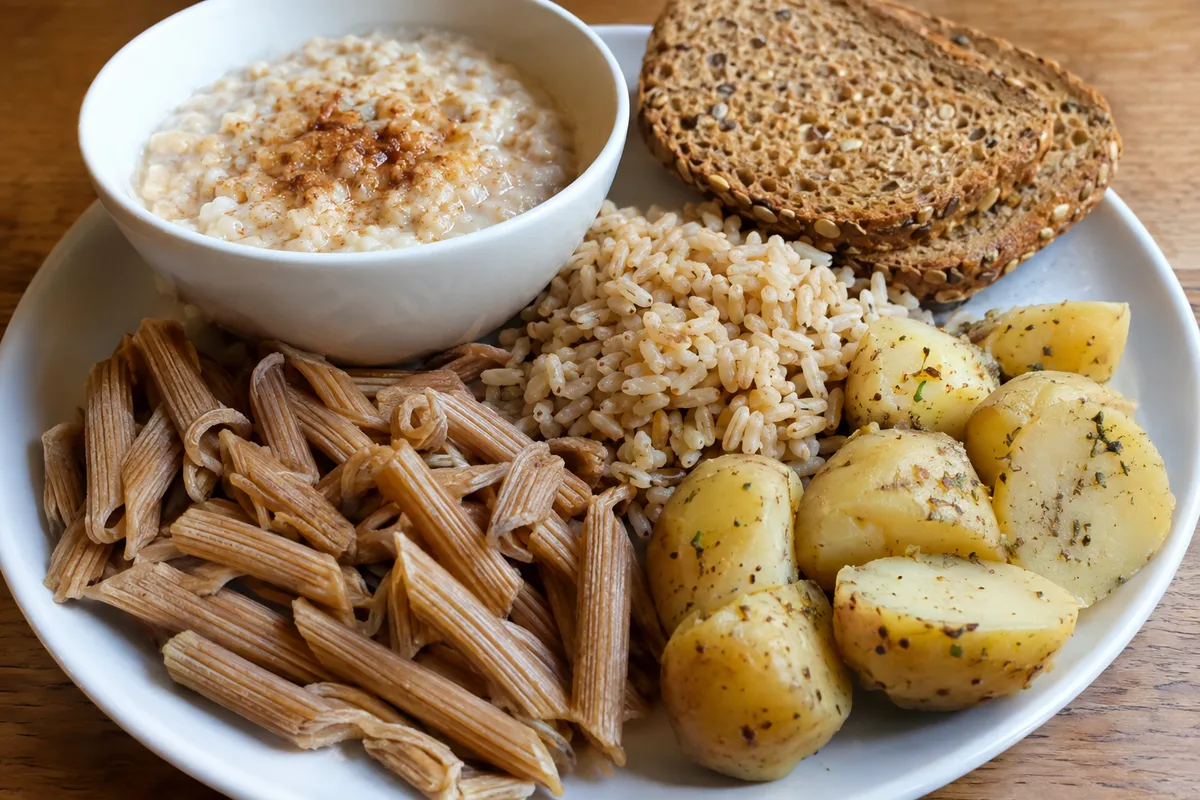
Dry and cooked weights can produce very different entries in a food log, particularly for rice, pasta and grains. Match the app entry to the way you weighed the food. If you batch-cook, record the ingredients for the full recipe and divide the finished dish by the portions you serve.
- Oats for porridge, overnight oats or baking
- Wholegrain bread or wraps for quick meals
- Brown rice, barley or other grains for bowls and side dishes
- Potatoes or sweet potatoes with their skins when suitable
- Wholewheat pasta for an easy cupboard meal
Make room for fruit and vegetables you will actually eat
Fruit and vegetables add fibre, colour, texture and variety without making meal planning complicated. Fresh produce is useful, but frozen and tinned options can be just as practical. The best choices are the ones that fit your cooking habits and are likely to be used.
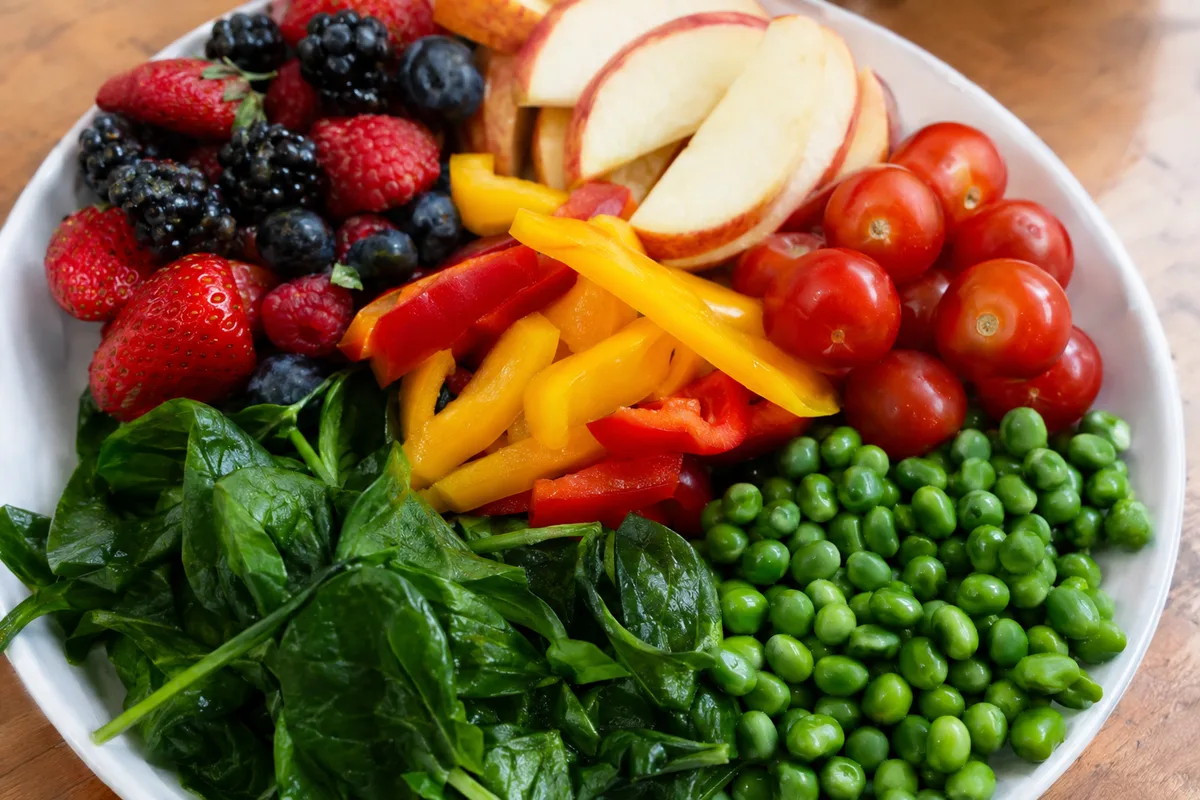
Aim for variety across the week rather than forcing every colour into one meal. Frozen vegetables can go straight into soups, stir-fries and pasta sauces, while tinned fruit can work in breakfasts or puddings. When tracking tinned foods, note whether the listed weight includes or excludes the liquid.
- Frozen peas, spinach or mixed vegetables for fast additions
- Berries, bananas or apples for breakfast and snacks
- Tomatoes, peppers and onions as versatile cooking basics
- Tinned tomatoes for sauces, stews and soups
- Pre-cut vegetables when convenience helps prevent waste
Include fats that add flavour and staying power
Fat carries flavour and helps turn plain ingredients into enjoyable meals. It is energy-dense, so small differences in the amount poured, spread or spooned can noticeably change a tracked total. Measuring for a short time can help you recognise your usual portion without treating these foods as something to avoid.
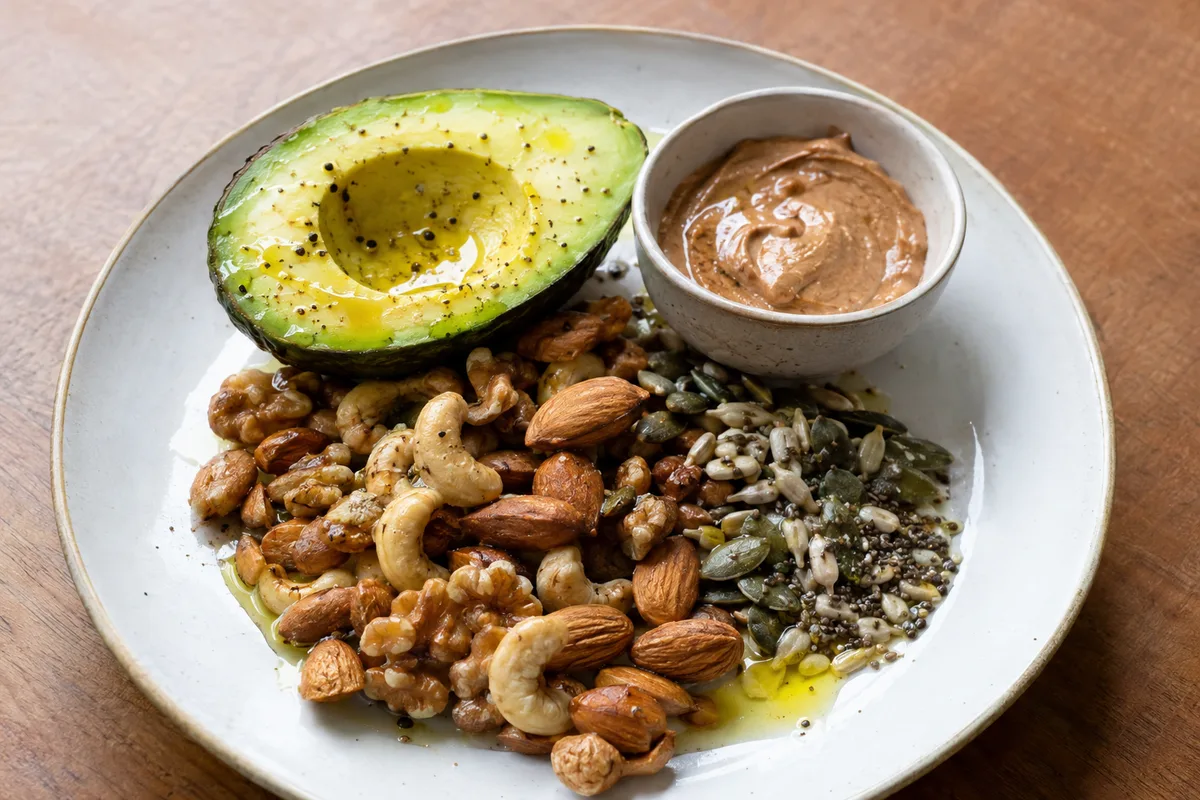
Different fat-rich foods serve different jobs in the kitchen. Oil is useful for cooking and dressings, while nuts, seeds and avocado add texture as well as nutrients. Choose according to the meal, your preferences and what fits the rest of your day.
- Olive or rapeseed oil for cooking and dressings
- Nuts for snacks, porridge or salads
- Seeds for yoghurt, cereal and baked dishes
- Nut or seed butter for toast, fruit or sauces
- Avocado for sandwiches, bowls and salads
Keep a few meal-saving staples
Dietitians do not need every meal to be elaborate, and a useful grocery list usually includes foods that reduce effort. Cupboard and freezer staples make it easier to assemble a meal when fresh plans change. This can also make tracking simpler because familiar ingredients and repeat recipes are quicker to log.
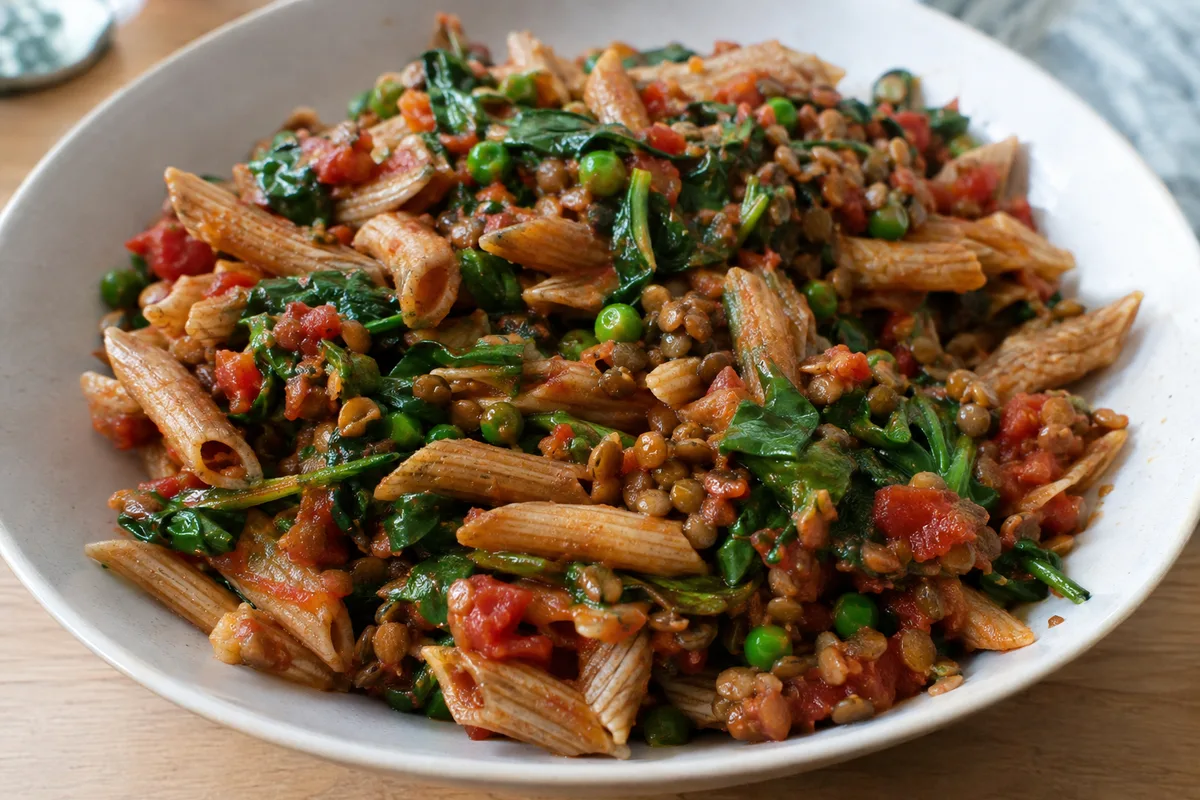
Build an emergency meal by combining a protein food, a carbohydrate source and some fruit or vegetables. Add a sauce, herb or seasoning so the result feels like a proper meal rather than a collection of leftovers. Your personal staples should reflect what you enjoy, how much storage you have and how often you cook.
- Tinned beans with microwaveable grains and frozen vegetables
- Eggs with wholegrain toast and tomatoes
- Frozen fish or tofu with potatoes and peas
- Plain yoghurt with oats, fruit and seeds
- Wholewheat pasta with tinned tomatoes and lentils