
Foods Without Starch or Sugar: A Practical List
Plain meat, fish and cooking oils are the main foods that naturally contain no starch or sugar. This guide explains what counts, which foods only come close, and what to check when logging meals.
What ‘no starch or sugar’ really means
Starch and sugar are forms of carbohydrate, but they are not the same thing. Starch is made from linked sugar units and is common in bread, rice, pasta, potatoes and grains. Sugars occur naturally in foods such as fruit and milk, and they can also be added during manufacturing.
A food without starch or sugar is not automatically free from carbohydrate because it may still contain fibre or very small amounts of other carbohydrates. Nutrition labels may also show zero after rounding a small amount down. If avoiding every trace matters to you, check both the ingredient list and the full nutrition information rather than relying only on a front-of-pack claim.
How the food is prepared makes a difference. A plain piece of fish may contain no starch or sugar, while a breaded, glazed or marinated version may contain both. Log the food as served, including coatings, sauces and dressings.
Plain meat and poultry
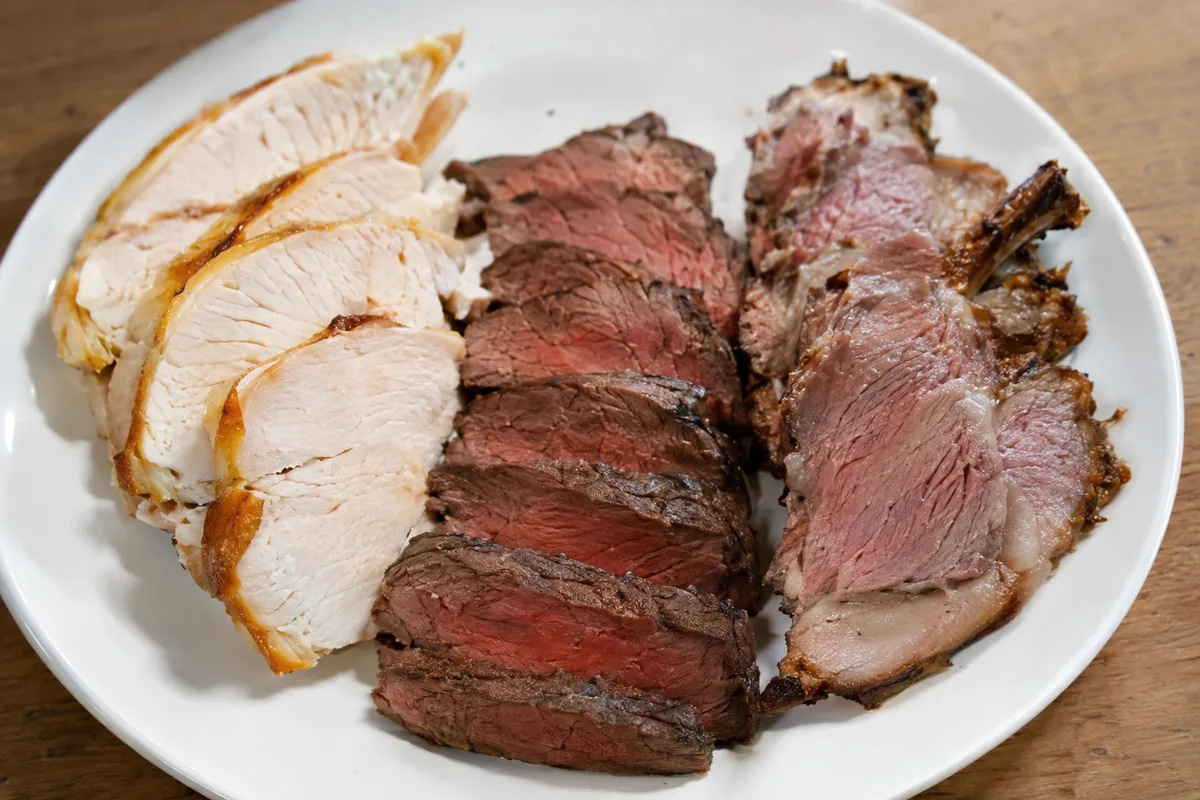
Fresh, unprocessed meat and poultry generally contain no starch or sugar. They mainly provide protein and fat, with the amount of fat depending on the cut and preparation. Choose a plain entry in your food log that matches the cut and whether it was weighed raw or cooked.
Processing can change the picture. Cured meats, sausages, formed products and ready-seasoned cuts may contain sugar, starch, flour or breadcrumbs. The ingredients can also differ between otherwise similar products, so the packaging is the best source for the particular food you ate.
- Plain beef cuts
- Plain pork cuts
- Plain lamb cuts
- Plain chicken
- Plain turkey
Fish and seafood
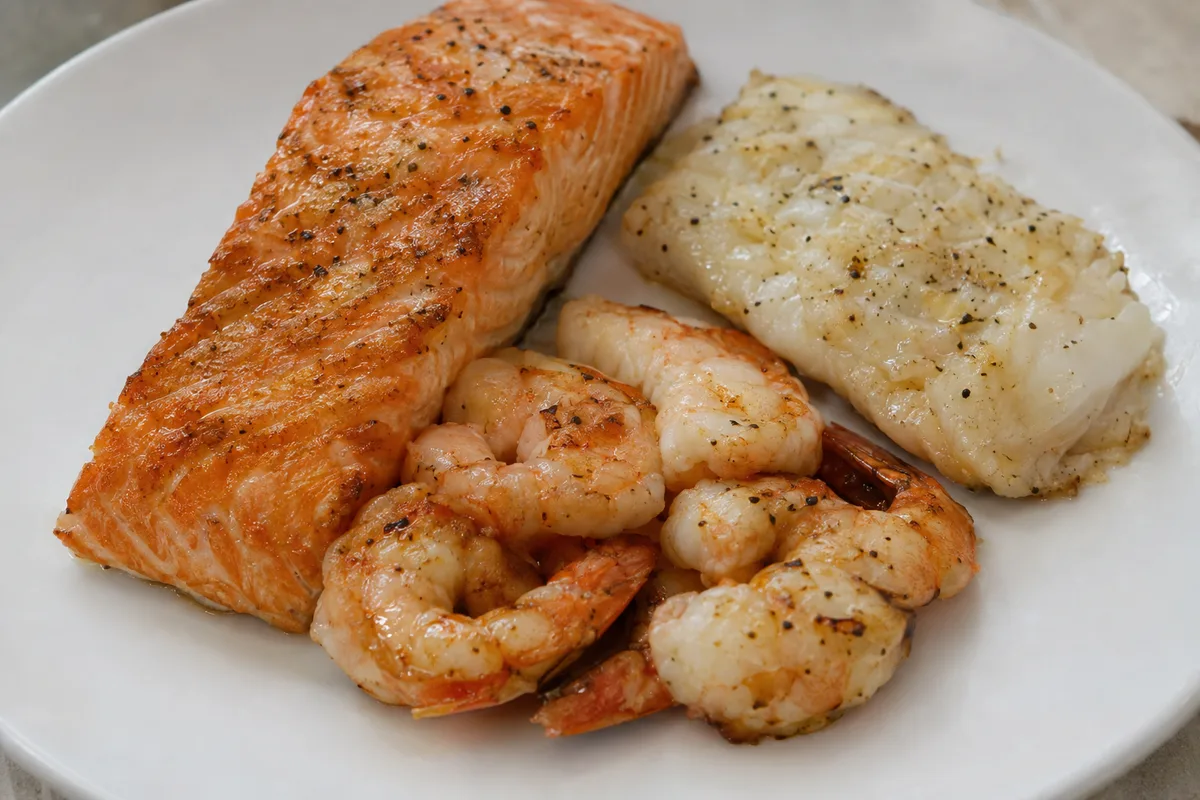
Plain fish is another reliable choice when you want food without starch or sugar. This includes fresh or frozen fish sold without batter, breadcrumbs, glaze or sauce. Freezing alone does not add carbohydrate, but a seasoned or coated frozen product may be different.
Seafood products need a little more attention because recipes and processing methods vary. Plain prawns and other uncoated seafood can fit, while seafood sticks, breaded pieces and prepared mixtures may contain starch or sugar. Use the product label when available rather than selecting a generic entry that looks similar.
- Plain salmon
- Plain cod or haddock
- Plain tuna
- Plain sardines
- Plain uncoated prawns
Oils and other fats
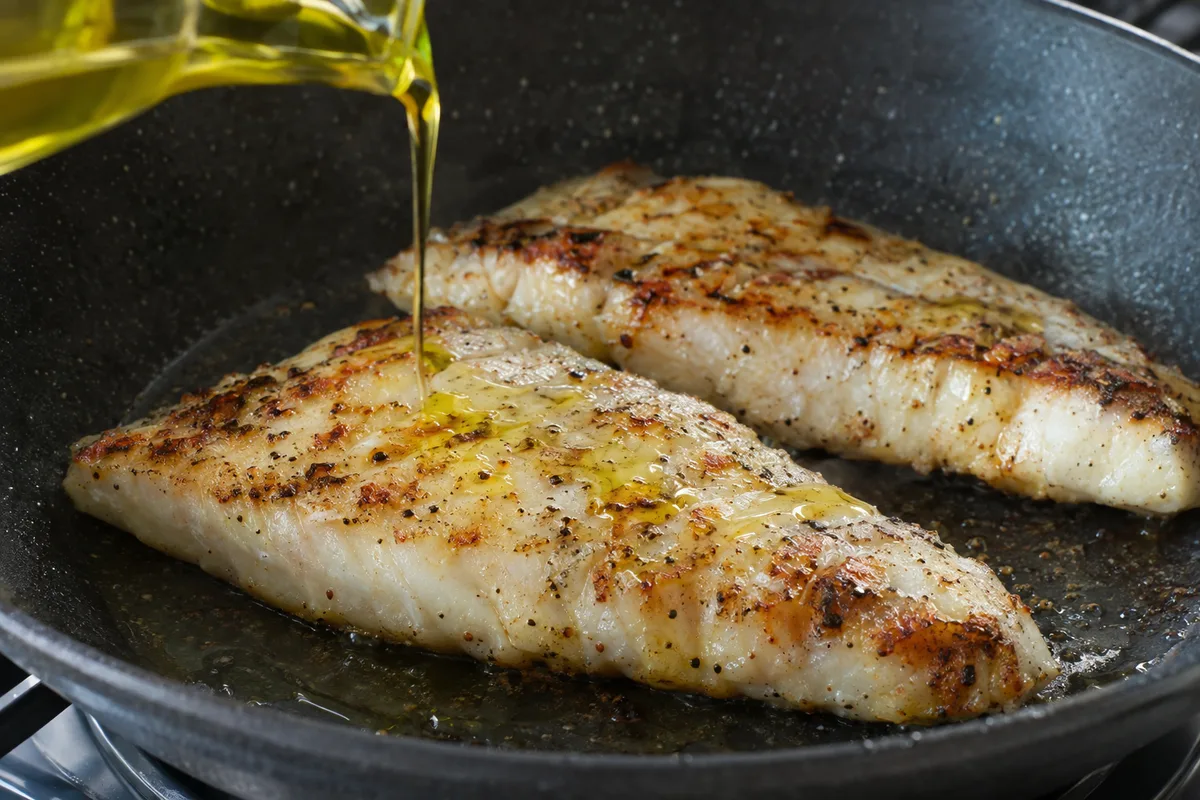
Pure cooking oils contain fat rather than starch or sugar. They still provide energy, so it is worth logging the amount used for frying, roasting or dressing a salad. Oil left in the pan and oil absorbed by food can be difficult to separate, so use a consistent logging method.
Butter and similar spreads may contain tiny amounts of milk carbohydrate or added ingredients, depending on the product. Flavoured oils can also include sweeteners or pieces of ingredients that contribute carbohydrate. For the clearest no-starch, no-sugar option, use a plain oil and record it separately.
- Olive oil
- Rapeseed oil
- Sunflower oil
- Avocado oil
- Coconut oil
Foods that come close but are not strictly free
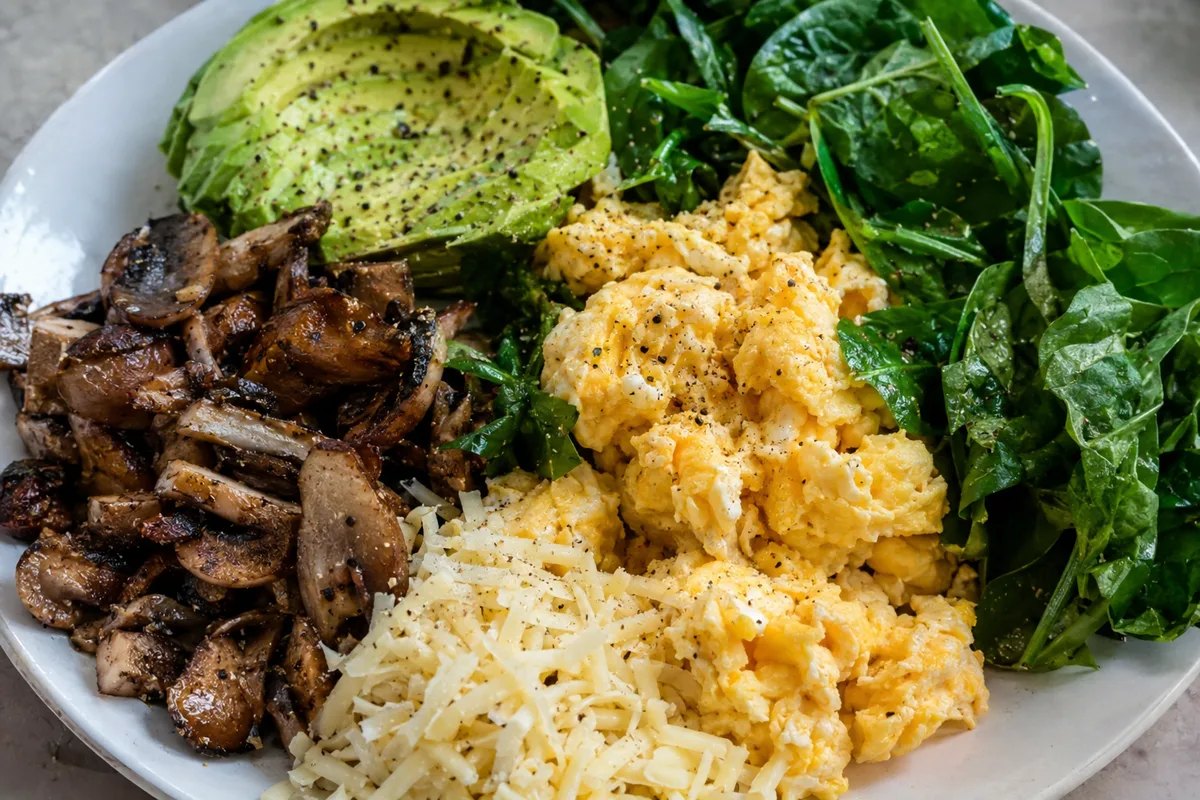
Some foods are often described as sugar-free or starch-free even though they contain small natural amounts. Eggs, cheese, leafy vegetables, mushrooms and avocados have little or no starch, but they may contain traces of natural sugars or other carbohydrate. They can still be useful choices, but they do not belong on a strict list of foods with absolutely none.
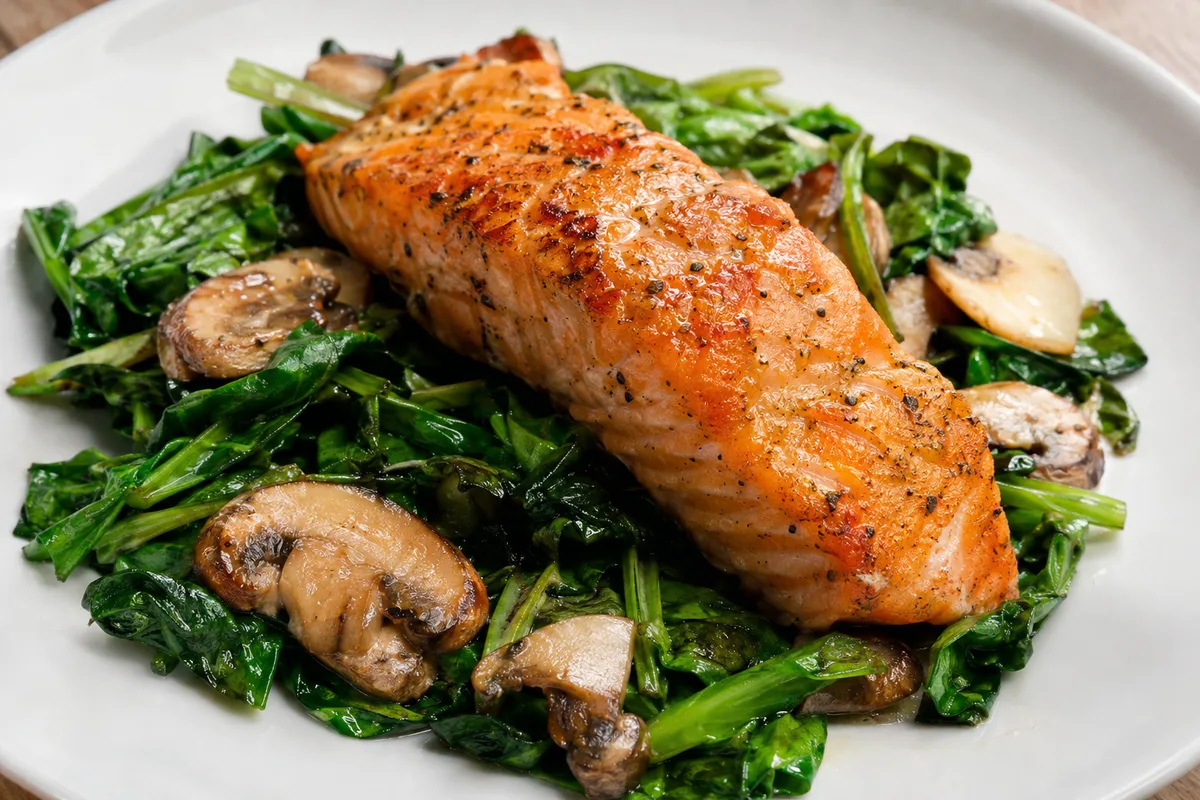
Non-starchy vegetables are particularly easy to misunderstand. The name means they contain much less starch than foods such as potatoes or sweetcorn, not that they contain no carbohydrate. When tracking, log the actual vegetable rather than treating the whole group as zero.
Dairy products also vary. Milk and yoghurt naturally contain milk sugar, while the amount left in cheese depends on how it is made. Sweetened, flavoured or coated versions add another layer, so use the label for the exact product.
- Eggs may contain a very small amount of carbohydrate
- Leafy vegetables contain fibre and small amounts of natural sugar
- Mushrooms are low in carbohydrate but not always zero
- Avocado contains fibre and a small amount of natural sugar
- Cheese may retain traces of milk sugar
How to check a food and build a meal
Start with the ingredient list when a food comes in a packet. Look for sugar, syrup, honey, flour, starch, maltodextrin, breadcrumbs and cereal ingredients. Then check the carbohydrate line and its sugars entry, remembering that starch is not usually shown as a separate line.
For a simple meal, begin with plain meat or fish and cook it in a measured amount of plain oil. Add vegetables if your aim is to limit starch and sugar rather than remove every trace. Record sauces, marinades and dressings separately because they are often where unexpected carbohydrate enters the meal.
Your best food-log entry should match the product and preparation as closely as possible. A restaurant dish or homemade recipe may be harder to assess because the exact ingredients are not always known. In that case, choose a reasonable entry and keep your method consistent rather than assuming the meal contains none.
- Choose plain meat or fish without coating
- Check every marinade, glaze and sauce
- Log cooking oil separately
- Treat low-carbohydrate vegetables as low, not zero
- Use the exact packaged-food label when possible