
MSG-free foods: a practical list for everyday tracking
MSG is a flavour enhancer that may be added to packaged foods, seasonings and prepared meals. This guide explains which foods are usually MSG-free and how to record them accurately in your food diary.
What MSG-free means
MSG stands for monosodium glutamate, a seasoning used to strengthen savoury flavour. On a UK ingredients list, it may appear as monosodium glutamate, MSG or flavour enhancer E621. A food is free from added MSG when none of these has been included during production or cooking.
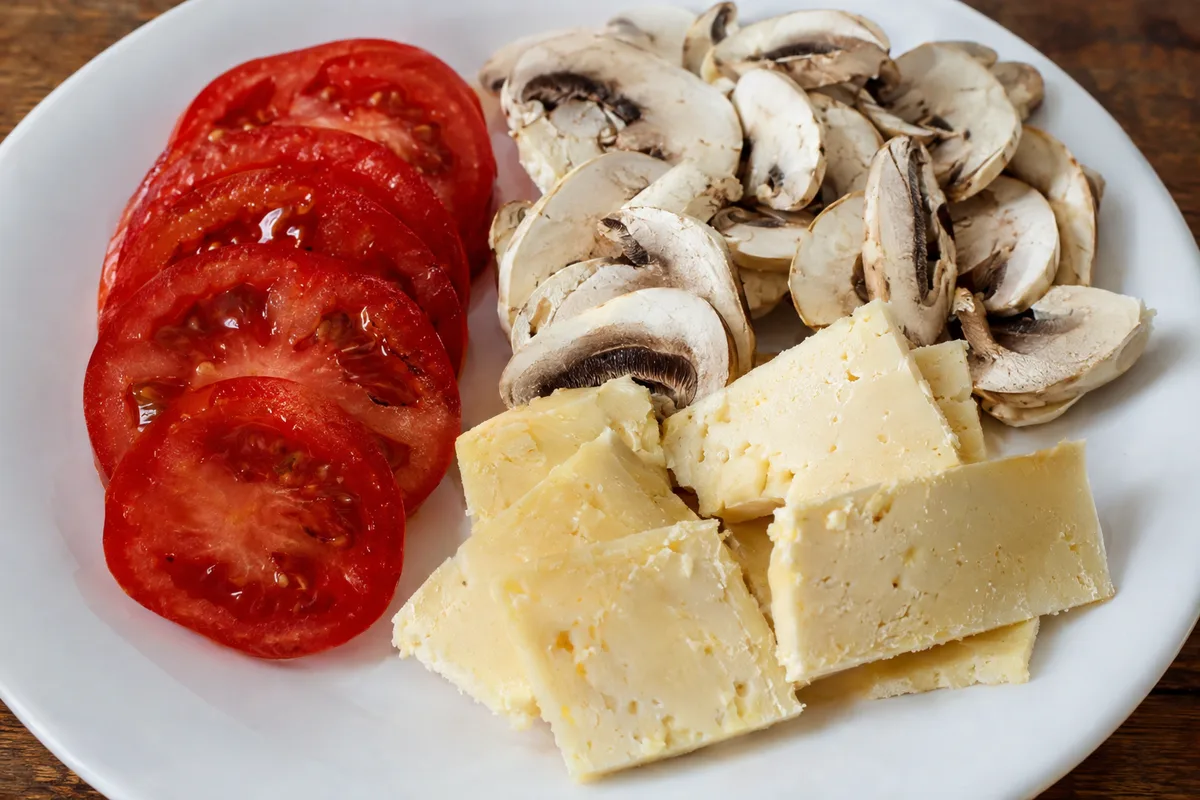
Glutamate also occurs naturally in foods such as tomatoes, mushrooms and mature cheese. That does not make these foods sources of added MSG, because the glutamate is naturally part of the food. When tracking, distinguish between avoiding MSG as an additive and avoiding every ingredient that naturally contains glutamate.
- Look for “monosodium glutamate” in the ingredients
- Check for the abbreviation “MSG”
- Check for “flavour enhancer E621”
- Do not assume that natural glutamate and added MSG are the same thing
Fresh and minimally processed foods
Plain fresh foods are generally the simplest choices because they have no added seasoning blend. Fruit, vegetables, plain grains, eggs, meat and fish do not contain added MSG unless it is introduced through a marinade, coating, sauce or seasoning. Frozen and tinned versions can also fit, but their ingredients still need checking.

For accurate tracking, record the basic food and any seasoning separately. A plain chicken breast, for example, is different from a ready-marinated chicken breast. Logging each part also makes it easier to spot where added MSG could enter the meal.
- Fresh, frozen or tinned fruit with no added flavouring
- Fresh or frozen vegetables without sauce or seasoning
- Plain rice, oats, pasta, barley and other grains
- Plain eggs, meat, poultry and fish
- Plain dried or tinned beans and lentils
Everyday foods that can be MSG-free
Many familiar foods can be made without MSG, but the recipe or ingredients determine whether they qualify. Bread, yoghurt, cheese, cereal and plant-based alternatives vary between brands and varieties. Check the full ingredients rather than relying on the food category alone.
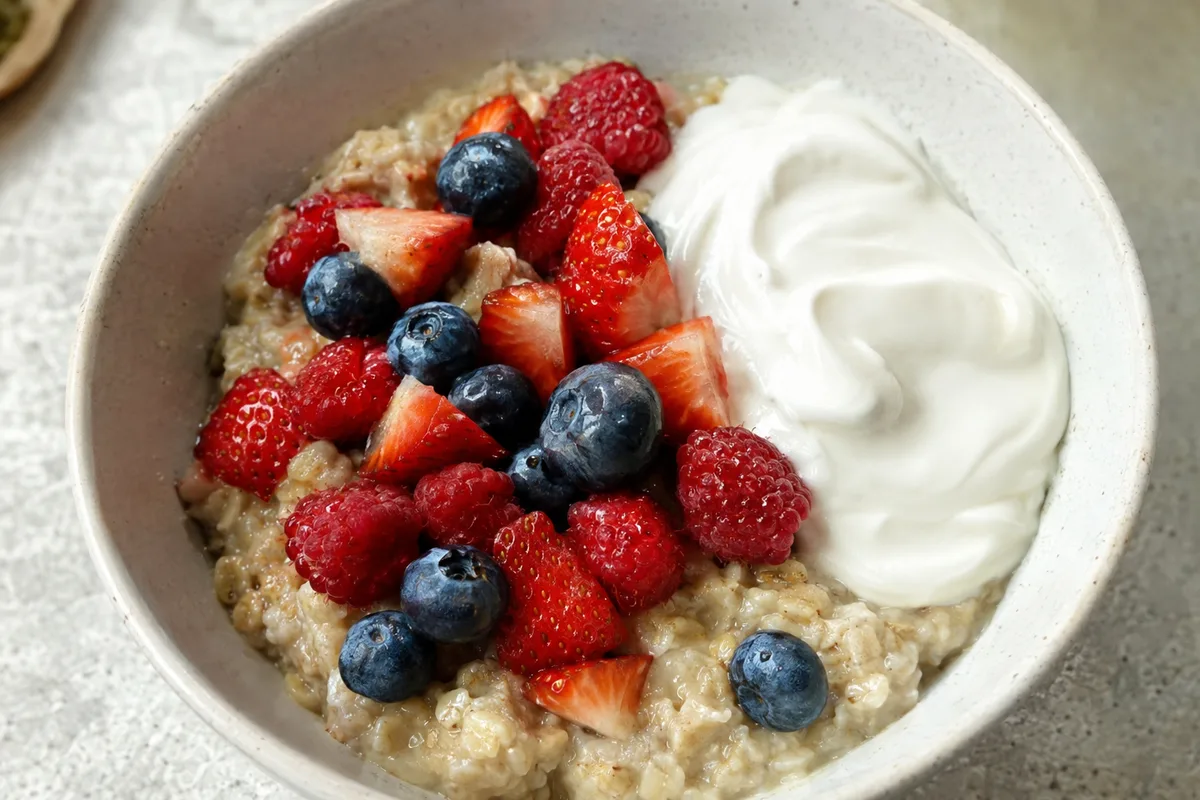
Simple home-prepared meals are easier to assess because you know what went into them. Build meals from plain ingredients, then add herbs, spices, citrus, vinegar or other checked flavourings. Remember to log cooking oils, dressings and sauces as well as the main ingredients.
- Plain yoghurt with fresh fruit
- Porridge made from oats and milk or a plant-based alternative
- Rice with plainly cooked vegetables, beans, eggs, meat or fish
- A baked potato with a checked homemade filling
- Salad dressed with oil, lemon juice and herbs
Packaged foods that need closer checking
MSG is more likely to appear in strongly seasoned or savoury packaged foods, although not every product in these groups contains it. Recipes can differ between varieties and can change over time. Check the label each time rather than saving a whole category as automatically suitable.
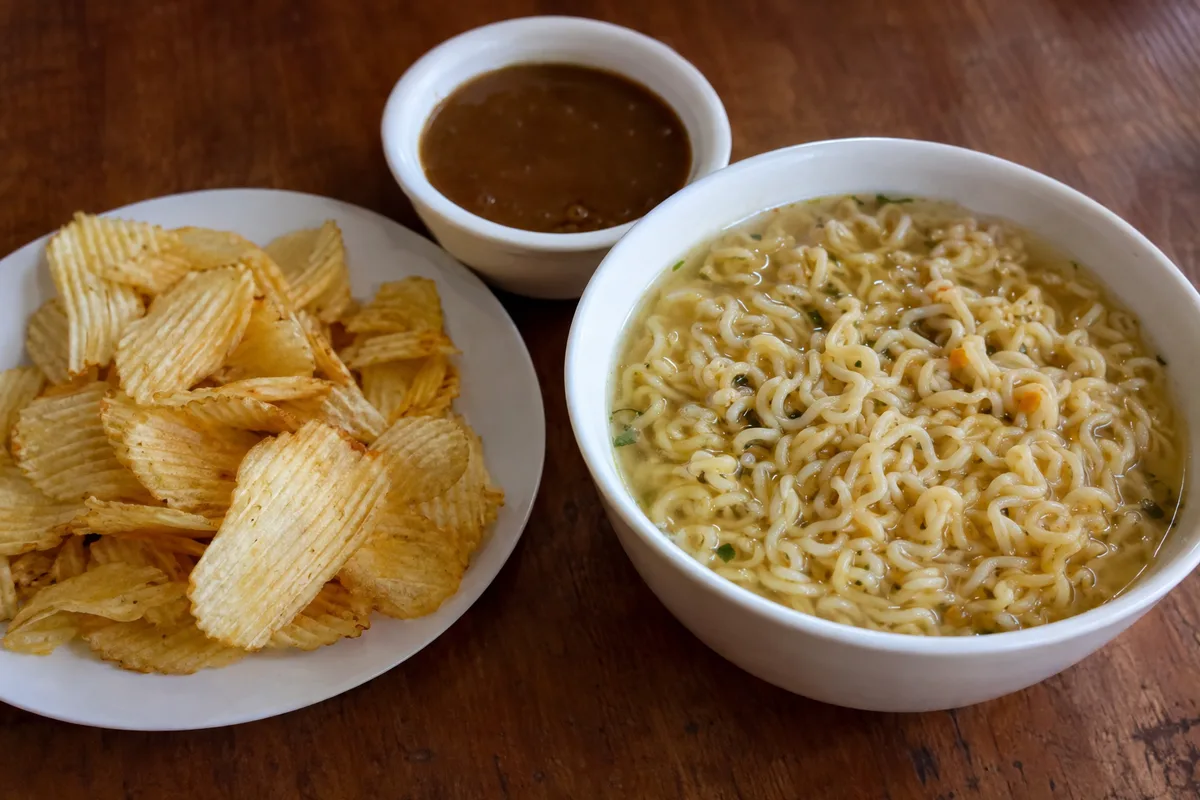
Seasoning sachets and sauces may be listed separately inside a pack. If you use only part of a sachet, record the amount you actually used and review its ingredients. A front-of-pack statement can be useful, but the complete ingredients list gives you more detail.
- Flavoured crisps and savoury snacks
- Instant noodles and seasoning sachets
- Packet soups, stock products and gravy mixes
- Ready meals, coated foods and marinated foods
- Bottled sauces, seasoning blends and savoury spreads
Ingredients that are not simply another name for MSG
Some ingredients are often grouped with MSG online even though they are not the same additive as E621. Yeast extract, hydrolysed proteins and protein extracts can contribute a savoury taste and may contain naturally occurring glutamates. If your aim is specifically to avoid added MSG, check for E621 rather than treating every savoury ingredient as identical.

Other flavour enhancers may also appear on labels, but they should not automatically be recorded as MSG. Decide what you are tracking before creating a personal avoidance list. This keeps your diary consistent and prevents plain foods from being excluded without a clear reason.
- Yeast extract is not labelled as monosodium glutamate
- Hydrolysed protein is not the same ingredient as E621
- Tomato and mushroom naturally contain glutamate
- Mature cheese can contain naturally occurring glutamate
- Other flavour enhancers should be identified by their own names or E numbers
Checking meals away from home
Restaurant, takeaway and catered meals are harder to verify because you may not see the original packaging or full recipe. Ask whether MSG or E621 is added to the dish, seasoning, stock, marinade or sauce. If staff cannot confirm, mark the diary entry as uncertain rather than guessing.
You can also request plain cooking where the kitchen can provide it, such as unseasoned rice with plainly cooked vegetables, eggs, meat or fish. Sauces, coatings and seasoning mixes are usually the parts that need the most checking. The exact ingredients depend on the kitchen and recipe, so a dish name alone cannot confirm that it is MSG-free.
- Ask about seasoning powders and stock
- Check whether marinades or sauces contain E621
- Request sauce or dressing separately when possible
- Record uncertain ingredients in your tracking notes