
Losing weight over three months: a practical approach
Three months gives you time to test small changes rather than chase a rapid result. The number of pounds you may lose depends on your body, routine and consistency.
Start with the information you already track
Review a typical stretch of your food log before changing anything. Look for repeated habits, such as generous portions, frequent extras or meals that leave you hungry soon afterwards.

Treat this as a starting point, not a judgement on how you eat. Body weight can move from day to day, so compare the overall trend with your usual food intake and activity rather than reacting to one reading.
Create a manageable energy gap
Weight loss generally requires you to use more energy than you take in over time. You can work towards this by adjusting portions, changing the balance of meals or adding movement that fits your routine.
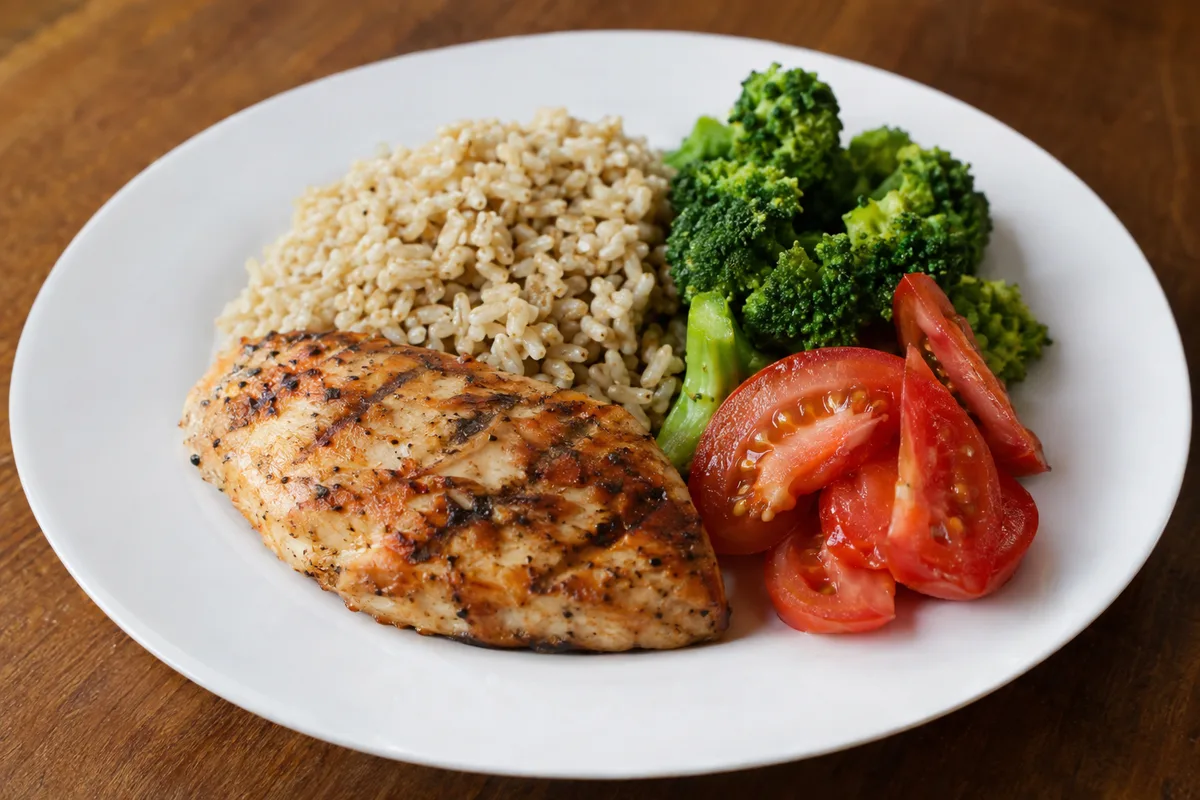
There is no single calorie target or expected number of pounds that suits everyone. Use your log to make modest changes you can repeat, while keeping meals satisfying with sources of protein, fibre-rich carbohydrates and foods you enjoy.
Review patterns across the three months
Divide the period into regular check-ins rather than waiting until the end. At each check-in, review your weight trend, hunger, energy, food log and how practical the plan has felt.

If the trend is not moving as intended, check whether entries are complete and whether portions have gradually changed. Adjust one part of the routine at a time, then allow enough time to see the broader pattern.
Plan for consistency, not perfection
Meals out, celebrations and disrupted days do not erase your wider effort. Log them as accurately as you can, then return to your normal routine at the next suitable meal.

Choose habits that could remain useful after the three months, such as planning filling lunches or noticing high-energy extras. A sustainable result comes from repeatable choices, and the final number of pounds will depend on the person.