
Losing Pounds Over Weeks: A Practical Way to Track Progress
Body weight can change from day to day, so progress is usually clearer when viewed across several weeks. This guide explains how to use your existing food log to make practical adjustments without chasing a fixed deadline.
Think in trends rather than deadlines
Losing body weight requires you to use more energy than you take in over time. Your food log can help you see whether your usual meals, drinks and snacks support that balance. The size of the energy gap needed, and how quickly weight changes, depends on the person.
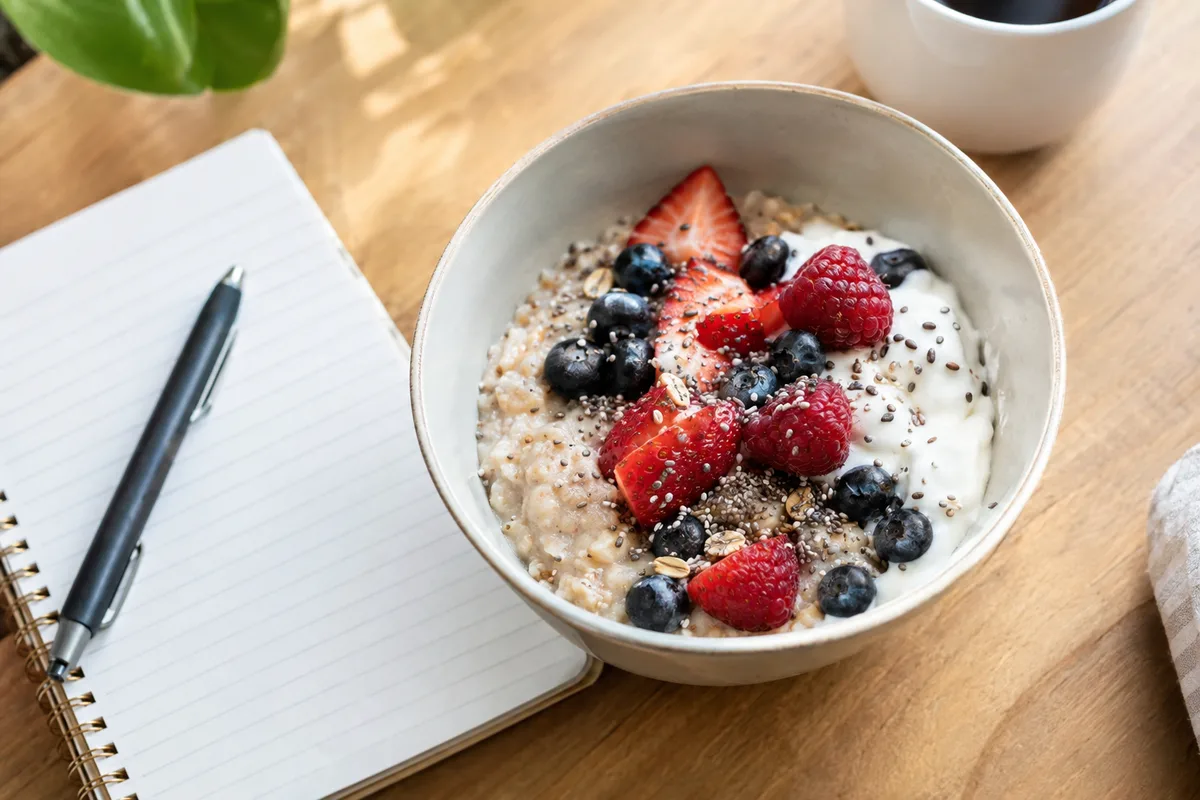
A deadline such as losing a set number of pounds within a set number of weeks can sound motivating, but it may encourage changes that are hard to maintain. Instead, look for a gradual direction of travel across several weeks. A slower period does not mean that your efforts have stopped working.
Daily body weight can shift because of hydration, meal timing, salt intake and the amount of food still being digested. These changes can hide the underlying trend for a while. Review a run of consistent measurements rather than treating one reading as a verdict.
- Choose a regular time and routine for checking progress
- Compare longer-term patterns rather than isolated days
- Record changes in routine that may explain unusual readings
- Allow enough time before deciding whether to adjust your plan
Use your food log to find the easiest changes
You already record what you eat, so begin by looking for repeated patterns. A small item that appears regularly may matter more than an occasional large meal. Check drinks, cooking fats, sauces, toppings and bites eaten while preparing food, as these are easy to overlook.
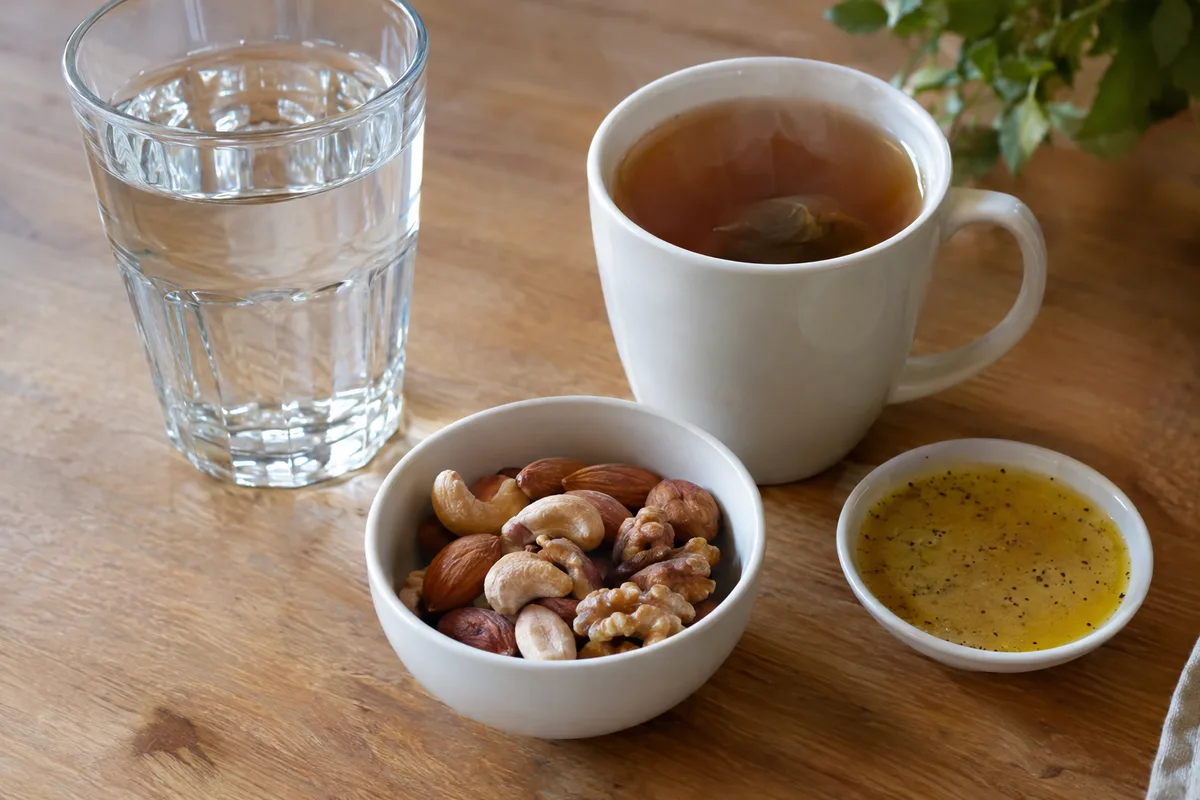
Do not try to change every entry at once. Choose an adjustment that lowers your usual energy intake without making meals feel thin or unsatisfying. The most useful change is one you can repeat on ordinary working days, quiet weekends and busy evenings.
Keep logging after making the change. Your hunger, enjoyment and ability to follow the plan are useful information alongside the calorie total. If an adjustment leaves you constantly preoccupied with food, try a different approach rather than relying on willpower.
- Use a smaller serving of a frequently logged high-energy extra
- Replace a sugary drink with water or an unsweetened option
- Measure cooking oil rather than pouring it freely
- Keep a planned snack and remove unplanned grazing
- Serve sauces and dressings separately
Build filling meals within your target
A lower-calorie meal does not need to be a small plate. Foods rich in protein and fibre can help make a meal feel more substantial, while fruit and vegetables add volume and variety. Include foods you genuinely enjoy so the pattern does not feel like a temporary programme.
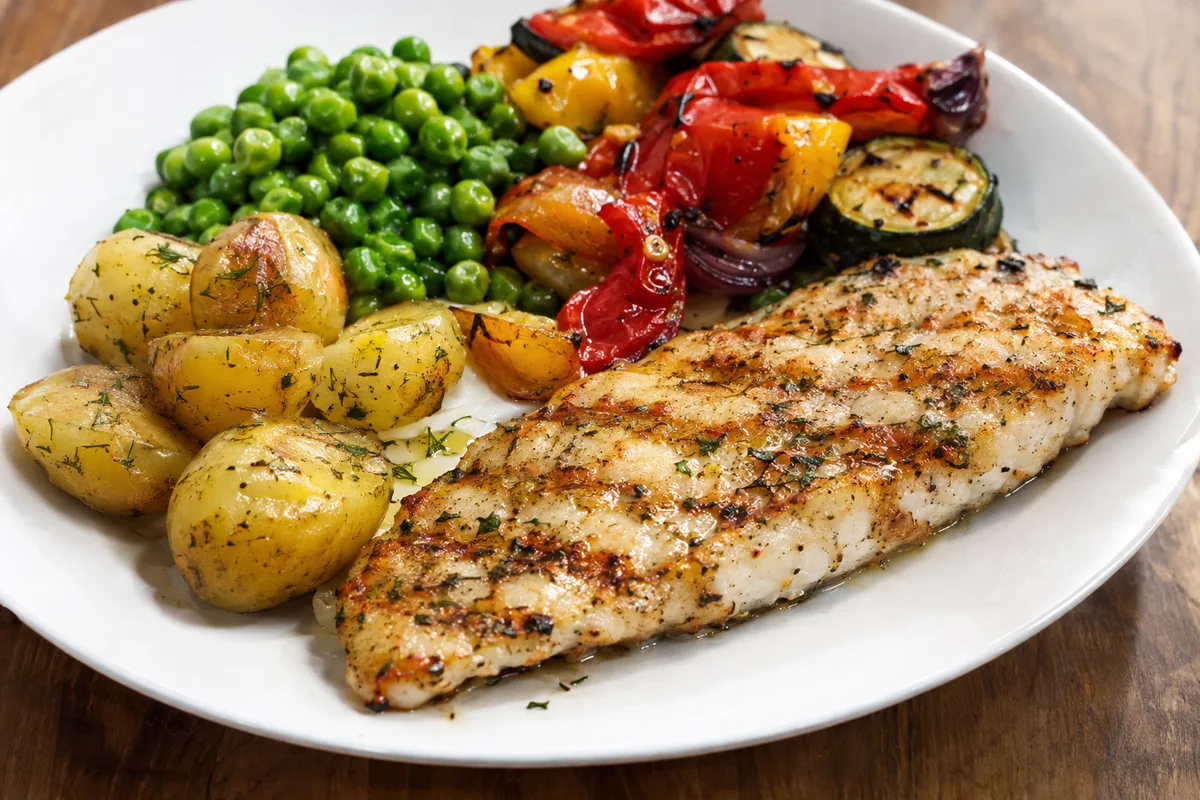
Start with a protein source, add vegetables or fruit, then include a suitable portion of a starchy food or another carbohydrate source. Fat adds flavour and is useful in meals, but it is energy dense, so portions can make a noticeable difference in your log. Protein and carbohydrate provide about 4 kcal per gram, while fat provides about 9 kcal per gram.
Look at the whole meal rather than judging one ingredient as good or bad. A salad can become energy dense through generous dressings and toppings, while a warm meal can fit comfortably within your target. Logging the complete plate gives you a clearer basis for comparison.
- Eggs with wholegrain toast, mushrooms and tomatoes
- Chicken, rice and a large serving of mixed vegetables
- Beans in a tomato-based sauce with a baked potato and salad
- Plain yoghurt with fruit and a measured portion of oats
- Fish with potatoes, peas and roasted vegetables
Make portions easier to repeat
Your log is most useful when similar portions are recorded in a similar way. You do not need perfect precision, but switching between rough guesses and careful measurements can make the totals difficult to compare. Pay particular attention to foods where a modest-looking portion carries a lot of energy.

Create a few repeatable meals with portions you recognise and enjoy. Familiar meals reduce the number of decisions you need to make and make your records easier to review. You can still vary vegetables, herbs, spices and cooking methods to keep them interesting.
When eating food prepared by someone else, accept that the entry will be an estimate. Choose the closest reasonable option and move on rather than trying to create false precision. Consistent, honest estimates are more helpful than leaving the meal out of your log.
- Record oils, spreads, dressings and dips
- Check whether an entry refers to cooked or uncooked food
- Save familiar meals so ingredients are logged consistently
- Include drinks and small tastes
- Use the same type of serving measure when repeating a meal
Let movement support the plan
Movement increases the energy you use, but its effect varies with the activity, pace, duration and person. Treat any estimated calorie burn as a rough guide rather than permission to eat a fixed amount back. Your food and weight trends will show how the overall routine is working.

Choose movement that fits naturally into your week. Walking, cycling, swimming, active travel and everyday tasks can all contribute. Activities that build strength can also be part of a balanced routine.
Avoid turning exercise into a punishment for eating. A routine is easier to repeat when the activity is manageable and suits your preferences. Increase it gradually if that feels comfortable, and notice whether extra activity changes your appetite.
- Take a brisk walk during a regular break
- Walk part of a familiar journey
- Add short movement breaks to long periods of sitting
- Choose an active hobby you enjoy
- Plan movement for times when it is most likely to happen
Review, adjust and continue
After following a consistent routine for several weeks, compare your weight trend with your food log. If the trend is moving in the direction you want, there may be no need to make the plan stricter. Keep practising the habits that are producing a manageable result.
If there is no clear change, first check whether the log reflects what you usually eat. Look for missed extras, larger weekend portions or meals that are regularly estimated. Then make one modest adjustment and give it time before reviewing again.
Progress will not look identical every week. Meals out, travel, celebrations and changes in routine are part of normal life, and one day does not erase the wider pattern. Return to your usual logging and meals at the next opportunity instead of trying to compensate with an extreme restriction.
- Review several weeks together
- Identify one repeated source of extra energy
- Change one habit at a time
- Keep meals satisfying and practical
- Judge success by consistency as well as body weight