
How to Eat Lower Carb in a Chinese Restaurant
Chinese restaurant meals can fit a lower-carb approach when you know where carbohydrates tend to appear. This guide covers menus, sauces, side dishes, portions and sensible ways to log an uncertain meal.
Decide what low carb means for your meal
Low carb does not have one fixed definition that suits everyone. Your target depends on your usual eating pattern, preferences and reasons for tracking. Before ordering, check how much carbohydrate you want to leave room for in this meal.
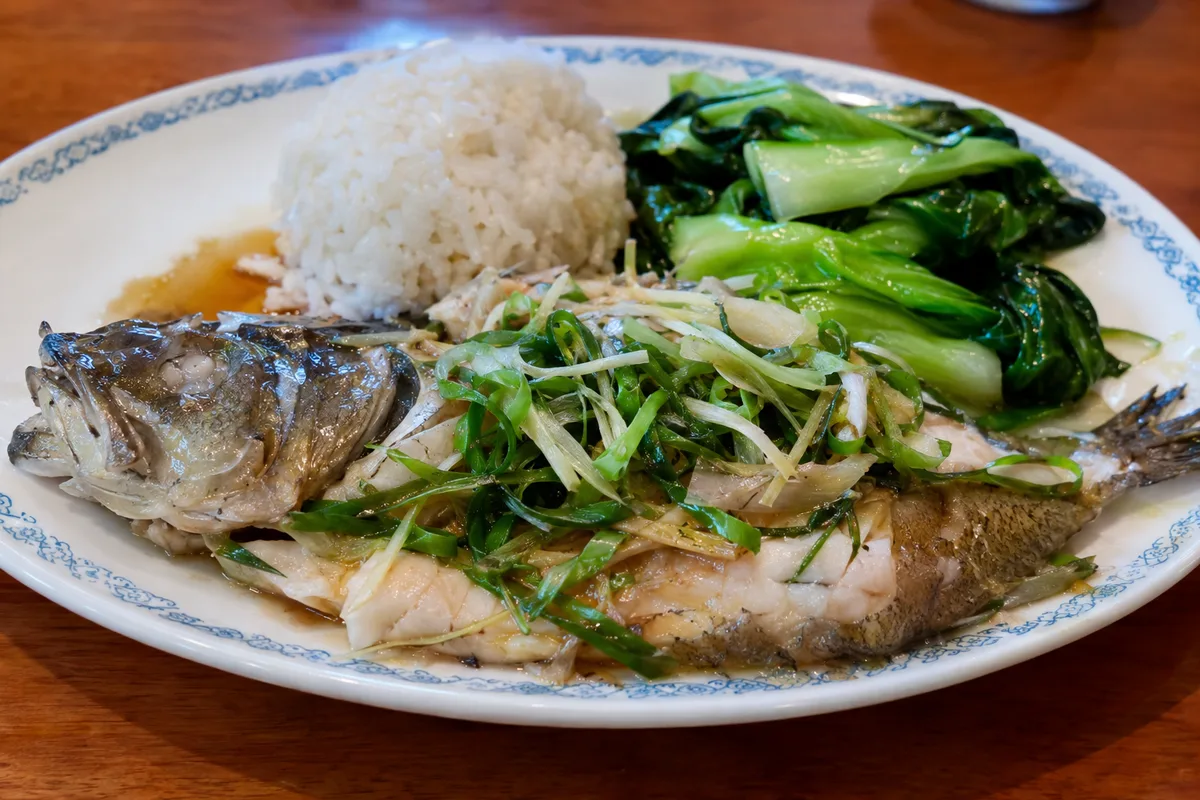
You do not have to remove every source of carbohydrate. A meal centred on meat, fish, tofu or eggs with non-starchy vegetables will usually contain less carbohydrate than one built around rice or noodles. You can then choose whether a smaller serving of a favourite side or sauce fits your plan.
- Choose the main protein and vegetables first
- Decide whether rice, noodles or another starchy side matters most to you
- Keep room in your log for sauces and coatings
- Aim for a choice you will find satisfying, not simply the lowest possible number
Read beyond the main ingredient
A dish name may highlight chicken, prawns, beef or tofu without revealing how it is prepared. Batter, breadcrumbs, flour, sugar and starch-thickened sauces can add carbohydrate. Words describing a crisp coating, glaze or sweet sauce are useful clues.
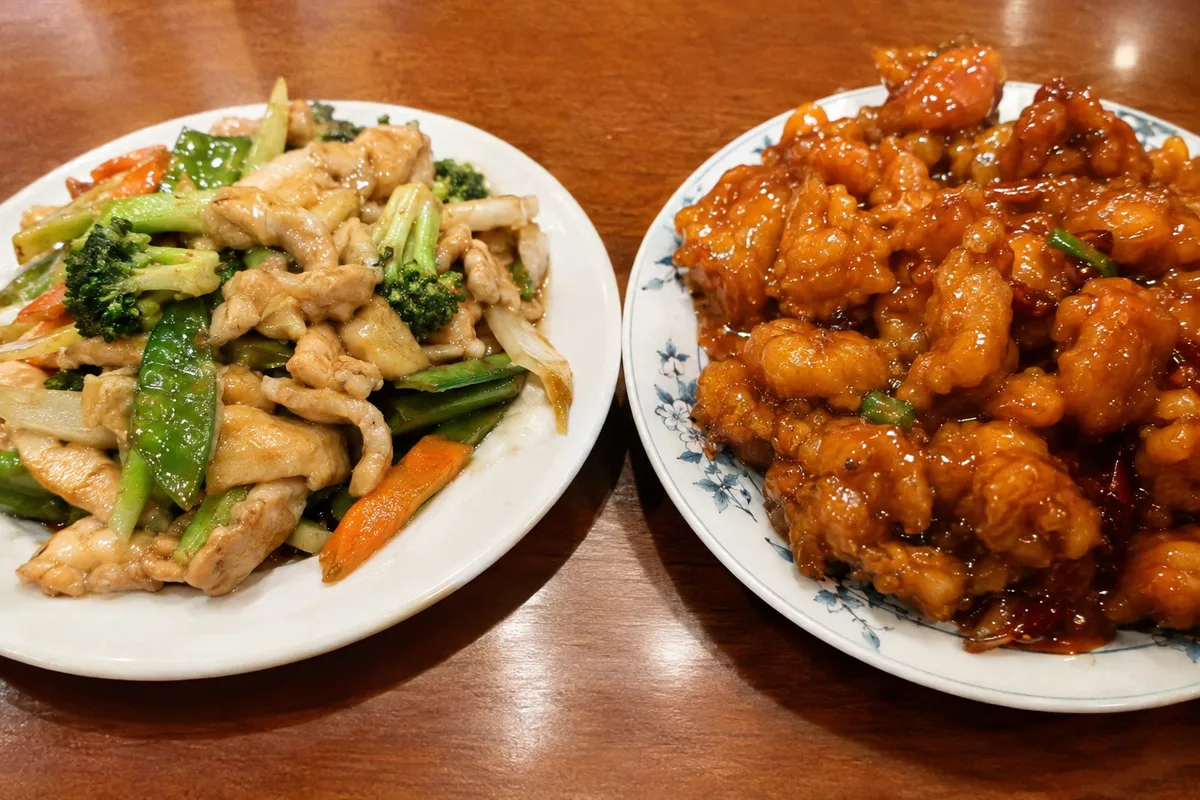
Stir-fried, steamed, grilled or roasted dishes are often easier to adapt because the ingredients remain more visible. This does not guarantee a low-carb meal, as marinades and sauces still vary between kitchens. Ask how the dish is cooked if the menu description is unclear.
- Look for steamed fish, grilled meat or simply stir-fried protein
- Choose dishes with visible vegetables rather than a heavy coating
- Be cautious with battered, breaded, crispy or glazed dishes
- Ask whether sauce can be served lightly or on the side
Build the meal around vegetables and protein
A straightforward lower-carb plate can begin with a protein dish and a vegetable dish. Options may include chicken with mushrooms, beef with broccoli, prawns with mixed vegetables or tofu with leafy greens. Preparation matters more than the exact protein you choose.
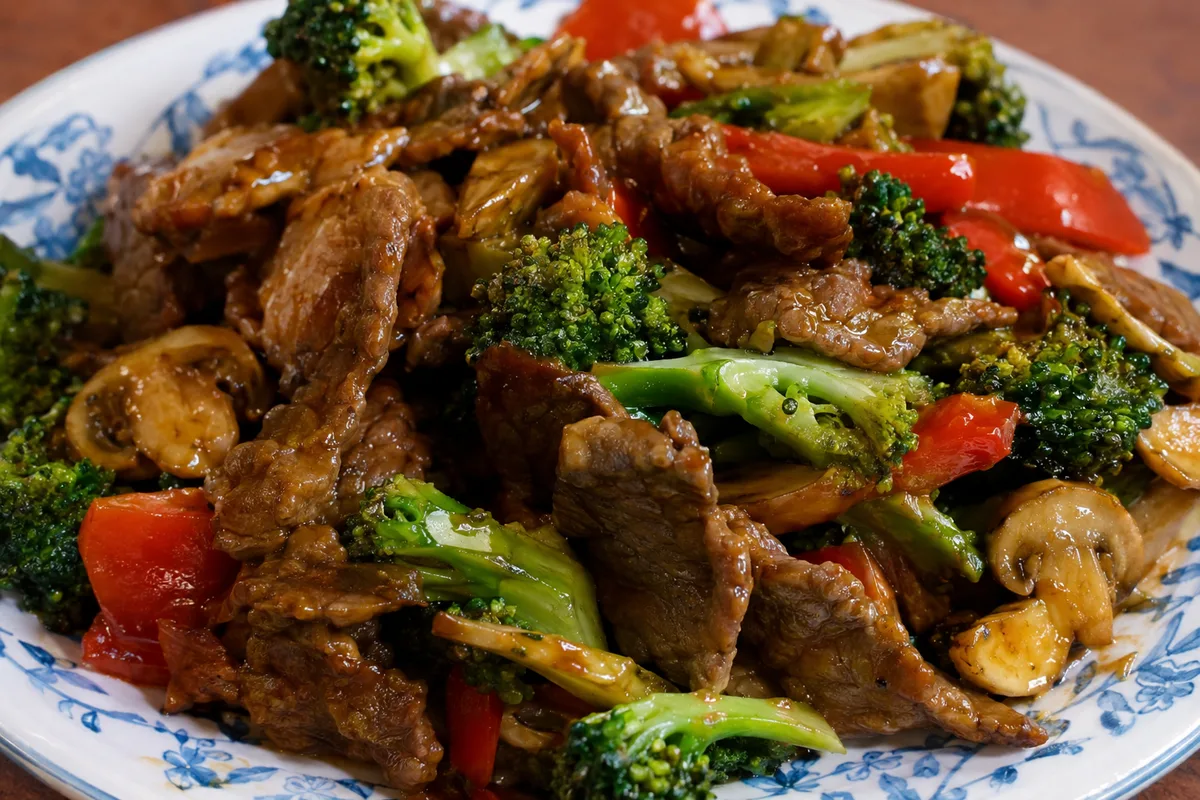
Vegetables still contain some carbohydrate, but they also bring fibre, texture and volume to the meal. Non-starchy choices such as pak choi, broccoli, mushrooms, peppers, bean sprouts and leafy greens generally fit more easily than large portions of sweetcorn or starchy vegetables. Sauces can change the final carbohydrate content, so include them when tracking.
- Steamed fish with ginger and spring onion
- Chicken or beef stir-fried with broccoli and mushrooms
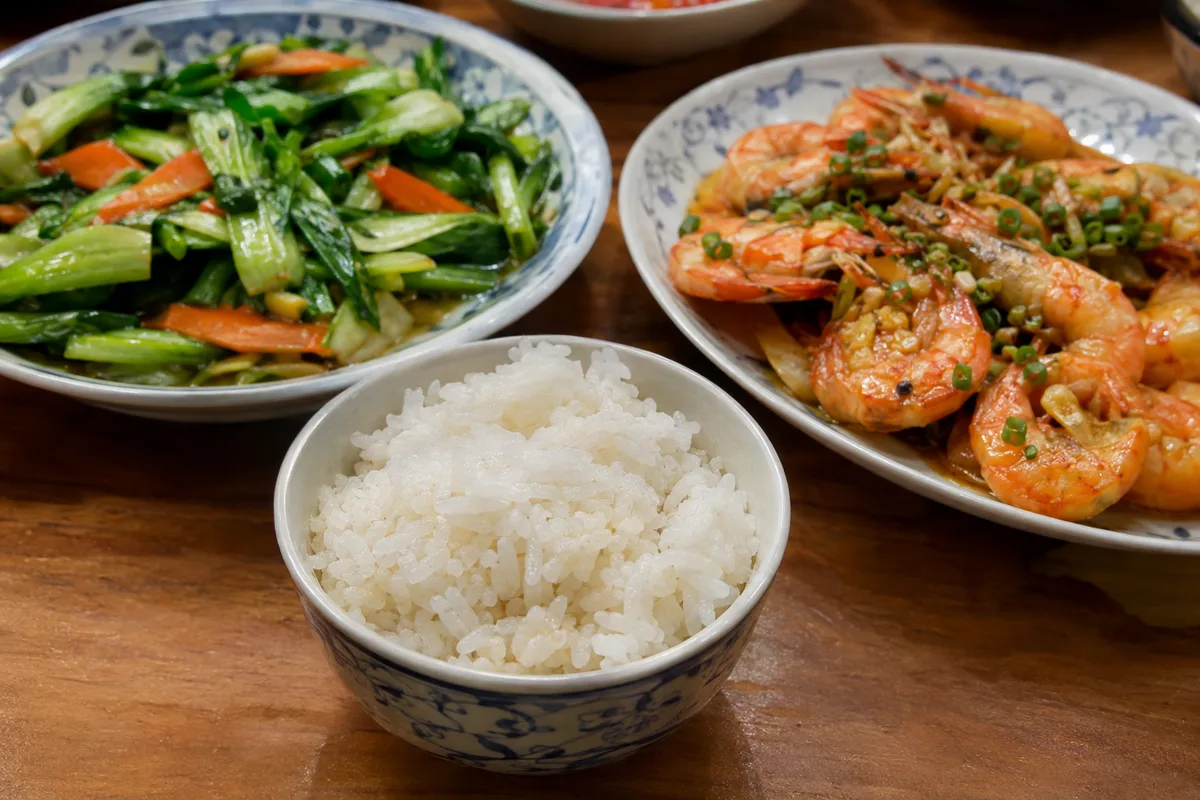
- Prawns with mixed non-starchy vegetables
- Tofu with pak choi or other leafy greens
- Egg-based dishes with vegetables and little added sauce
Handle rice, noodles and starters deliberately
Rice, noodles, fried rice and noodle-based dishes are concentrated sources of carbohydrate. Rather than ordering them automatically, decide whether you want a serving and how much suits your target. The right amount depends on the person and the rest of the meal.
Starters can also change the balance of the meal before the main dishes arrive. Dumpling wrappers, spring roll pastry, buns, toast and battered pieces all contribute carbohydrate. Clear soups, lettuce wraps without sweet sauce, or simply waiting for the main course may be easier to account for.
- Request a smaller serving of rice or noodles if available
- Share a starchy side and serve your portion once
- Replace some rice or noodles with extra vegetables
- Choose either a starchy starter or a starchy side rather than ordering both by habit
Treat sauces as part of the dish
Sauces are often the least visible source of carbohydrate in a Chinese restaurant meal. Sweet-and-sour sauce, sticky glazes and some thick sauces may contain sugar and starch. Even savoury-looking sauces can be thickened, so taste alone does not always tell you what is in them.
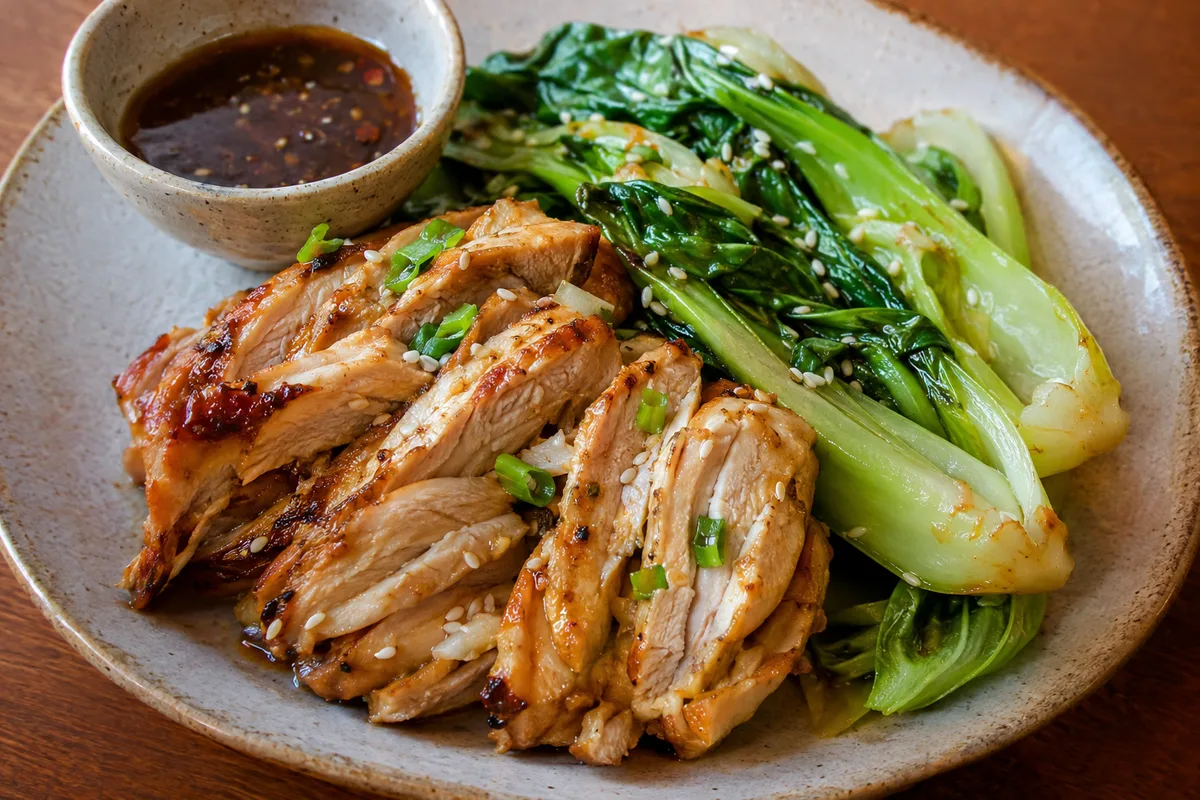
You can ask for sauce on the side, request less sauce or choose a more lightly seasoned dish. Soy-based, garlic, ginger, chilli and vinegar flavours may be suitable, but recipes differ between restaurants. Use enough for flavour, then log a reasonable estimate rather than treating it as free.
- Ask for sauce on the side
- Choose a light coating instead of a dish sitting in sauce
- Avoid pouring extra sauce over rice or vegetables before tasting
- Check the menu for words such as sweet, sticky, honeyed, glazed or caramelised
Log the meal without chasing false precision
Restaurant recipes and serving sizes vary, so your carbohydrate entry will be an estimate. Search your tracker for a similar dish, compare several entries and choose one that reflects the visible ingredients and preparation. Add rice, noodles, wrappers and substantial sauces separately when that gives you a clearer record.
If you eat only part of a shared dish, estimate your share from what reached your plate rather than dividing everything automatically. Make a brief note about the restaurant, sauce and portion so you can use the same approach next time. Consistent, sensible estimates are more useful than pretending an uncertain meal can be logged exactly.
- Record the main protein and vegetables
- Add rice, noodles, pastry or batter separately
- Include sweet or thick sauces
- Note whether the portion was small, moderate or large
- Reuse the same entry for a similar order in future