
How to Count Calories in Steamed Chinese Dumplings
There is no single calorie figure for every steamed Chinese dumpling because recipes and sizes vary widely. This guide explains what affects the total and how to record a useful estimate in your food log.
Why there is no single calorie number
The calories in a steamed dumpling depend on what it is made from and how large it is. A thin wrapper around vegetables will not contain the same energy as a thicker wrapper filled with fatty meat. Even dumplings with the same name can differ between restaurants, shops and home kitchens.
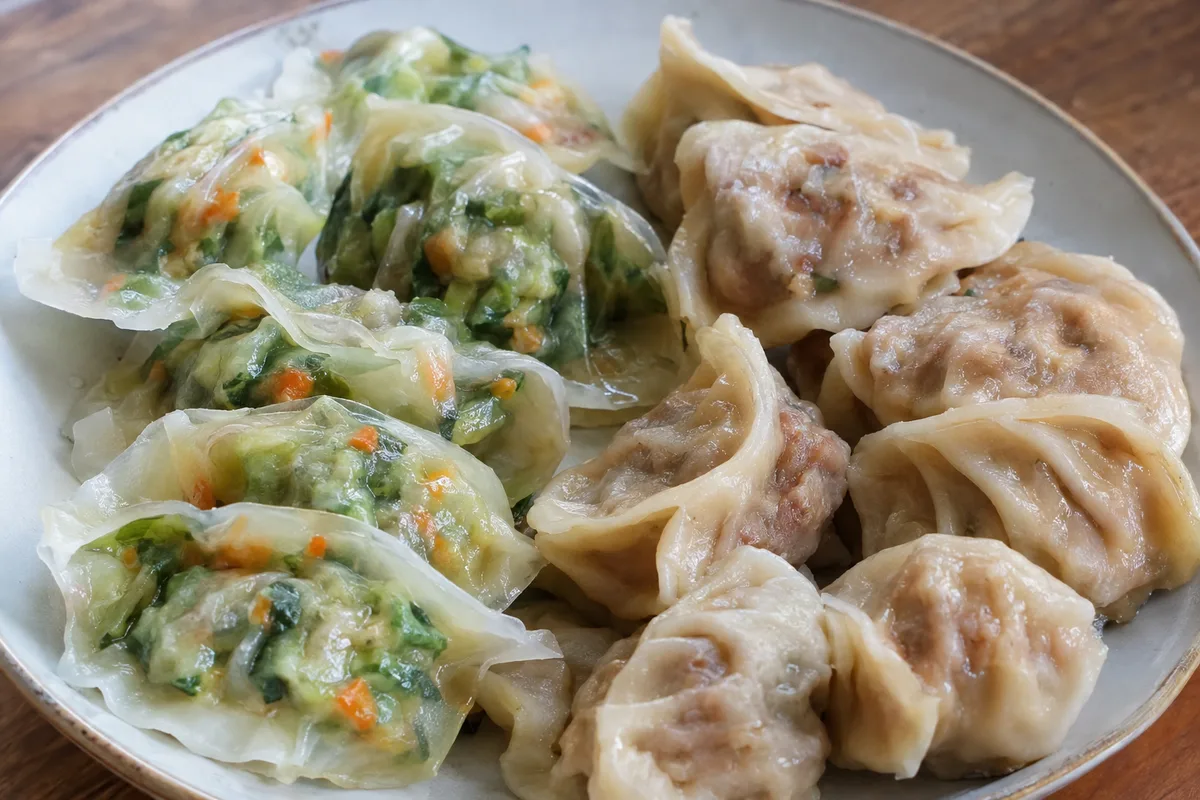
Steaming usually adds little or no energy because it does not require cooking oil. However, steaming does not remove the calories already present in the wrapper and filling. Your total also depends on how many dumplings you eat and what accompanies them.
- Wrapper thickness and ingredients
- Type and amount of filling
- Amount of fat used in the mixture
- Size of each dumpling
- Number eaten
The wrapper makes a difference
Most steamed dumpling wrappers are based on wheat flour, starch or a mixture of the two. These ingredients mainly provide carbohydrate, which supplies about 4 kcal per gram. A larger or thicker wrapper generally contributes more calories than a small, delicate one.
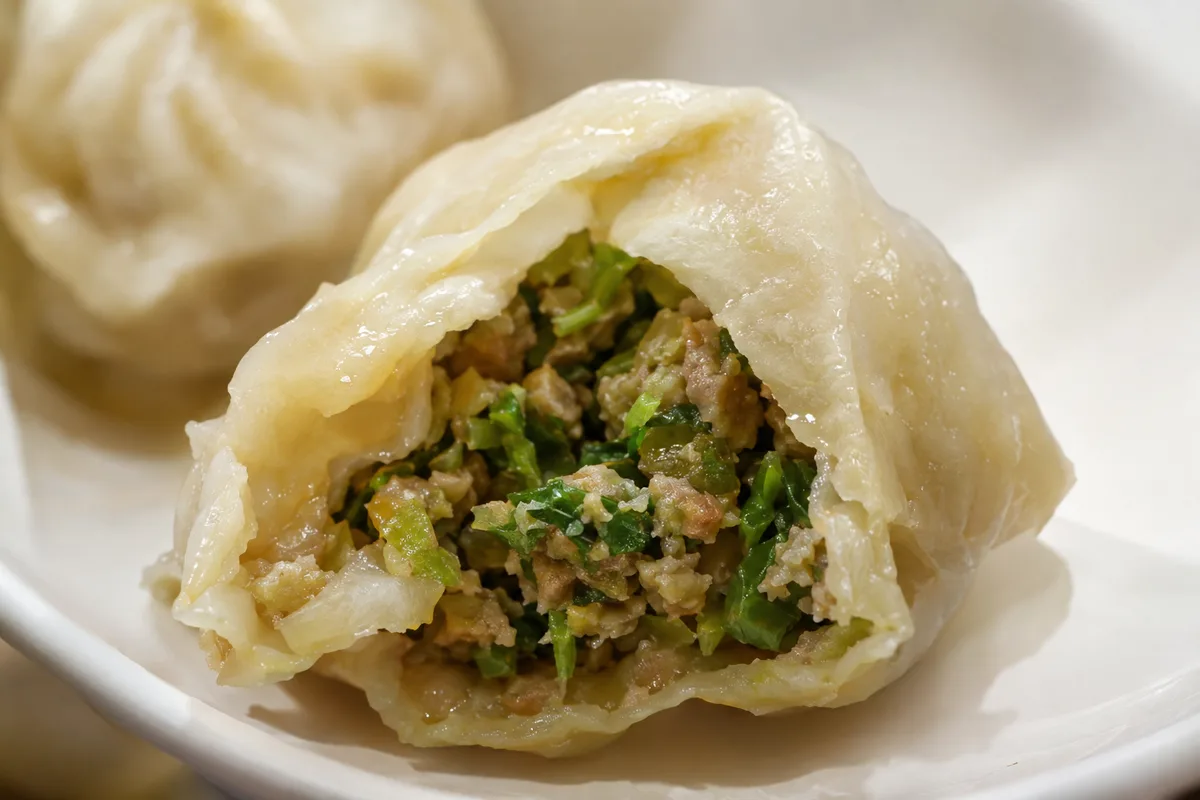
Some translucent dumplings use starch-based dough, while buns may have a soft, bread-like covering. A steamed bun and a thin-skinned dumpling should not be logged as though they are interchangeable. When searching your tracker, choose an entry that matches the wrapper as closely as possible.
- Thin wheat wrapper
- Translucent starch wrapper
- Thick wheat dough
- Soft steamed bun dough
The filling can change the total most
Vegetable fillings may contain cabbage, mushrooms, chives, carrot or other chopped produce. Meat or seafood versions can also contain vegetables, seasonings and added oil. The balance of these ingredients affects the energy content more than the word steamed alone suggests.
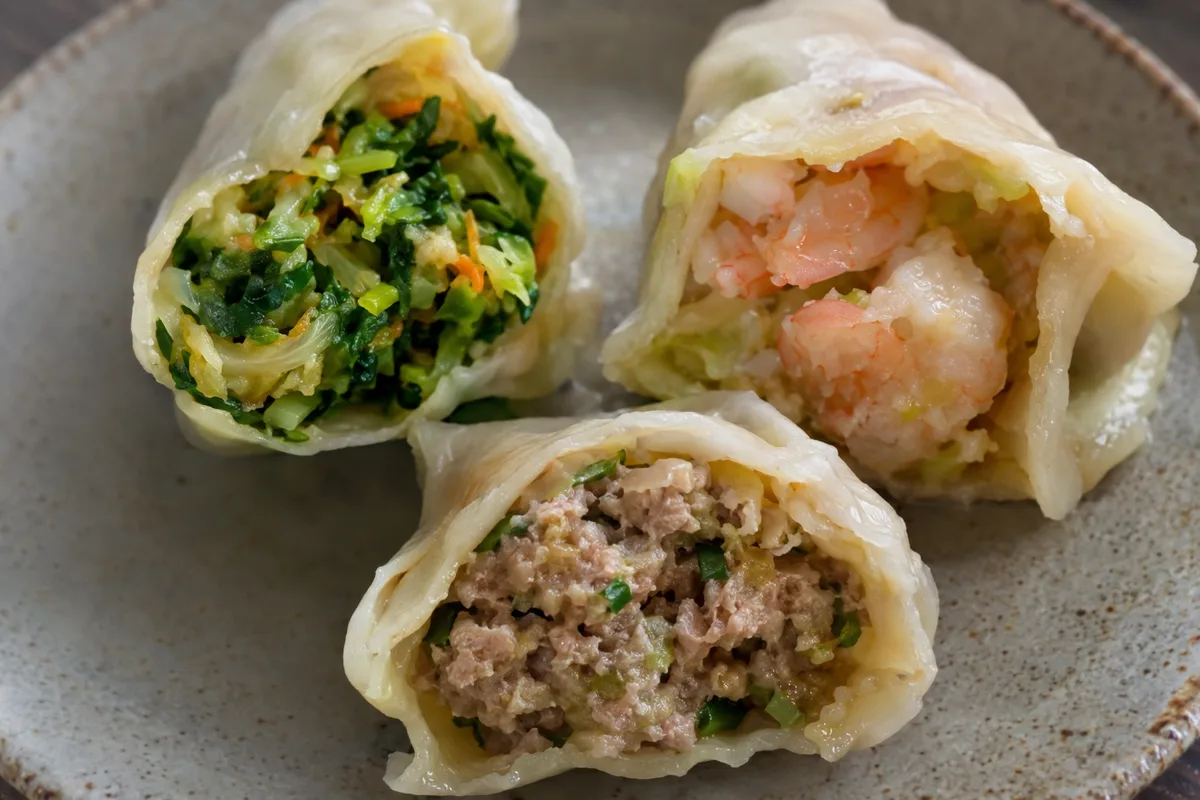
Protein provides about 4 kcal per gram, while fat provides about 9 kcal per gram. This means a filling with more fat can be more energy-dense even when the dumpling looks similar in size. Added oil, fatty cuts of meat and rich mixtures are therefore worth considering when you select a log entry.
- Mostly chopped vegetables
- Prawn or other seafood
- Lean meat with vegetables
- Higher-fat minced meat
- Mixed filling with added oil
How to estimate a restaurant portion
Start with any calorie information supplied by the restaurant, as it should reflect that business's recipe and serving size. Check whether the figure refers to one dumpling, one portion or the full dish. If no information is available, use a database entry for the closest style and filling rather than choosing the first generic result.
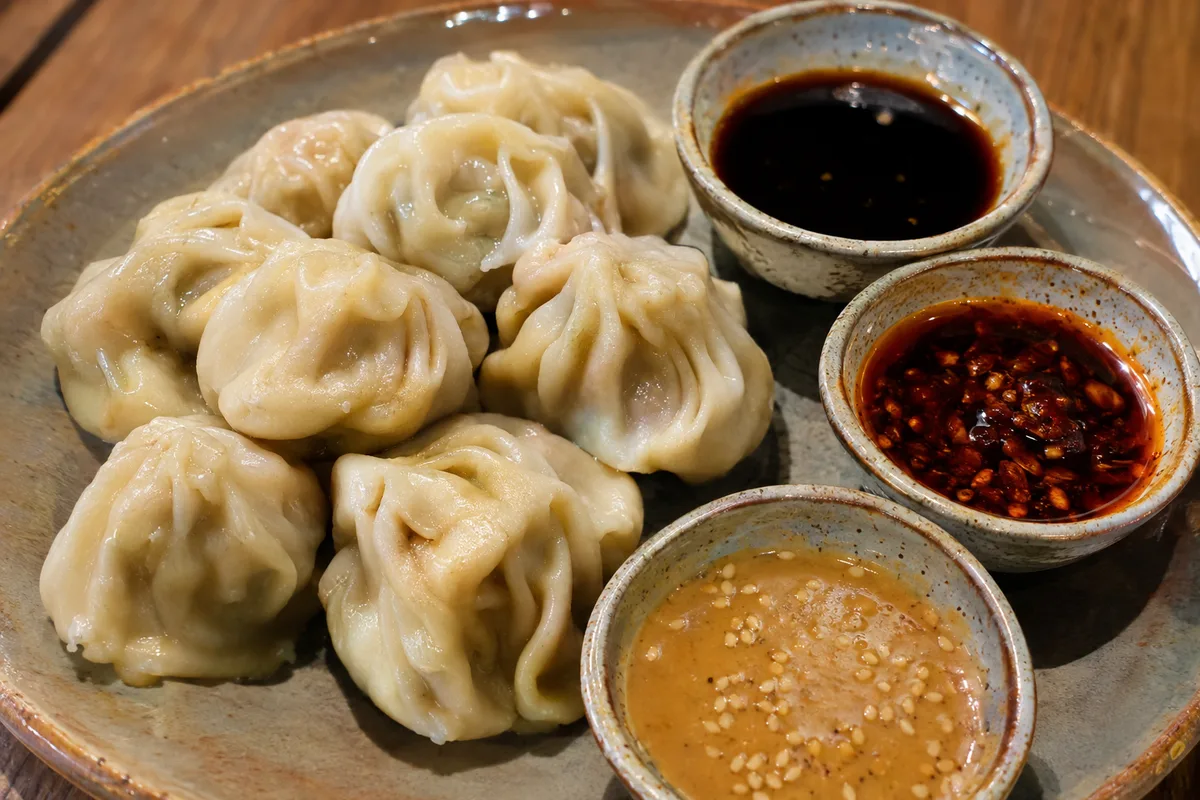
Look at size as well as dumpling count. A plate of compact, thin-wrapped dumplings may differ greatly from the same number of large buns or generously filled dumplings. If you know the portion weight, a per-gram or per-100-gram entry can give a more consistent estimate.
When several plausible entries appear, choose one that matches the main ingredients and wrapper type. If the recipe is unclear, recording a reasonable middle estimate is usually more useful than repeatedly changing the entry. Consistency helps you compare similar meals over time.
- Confirm what one listed serving includes
- Match the wrapper style
- Match the main filling
- Compare dumpling size
- Record sauces separately
Do not forget sauces and side dishes
Dipping sauces are separate from the steamed dumplings and may add energy to the meal. Soy-based sauces can be relatively simple, while sauces containing oil, sugar, nuts or seeds may contribute more. The amount used matters, so avoid automatically logging a full serving if you only had a small dip.
Side dishes should also be recorded separately when you want the total for the whole meal. Rice, noodles, fried dishes and soups are not part of the dumpling estimate. Keeping each component separate makes it easier to adjust your log when the portion changes.
- Plain soy-based dipping sauce
- Chilli oil
- Sweet dipping sauce
- Sesame or nut-based sauce
- Rice, noodles or other sides
A practical way to log steamed dumplings
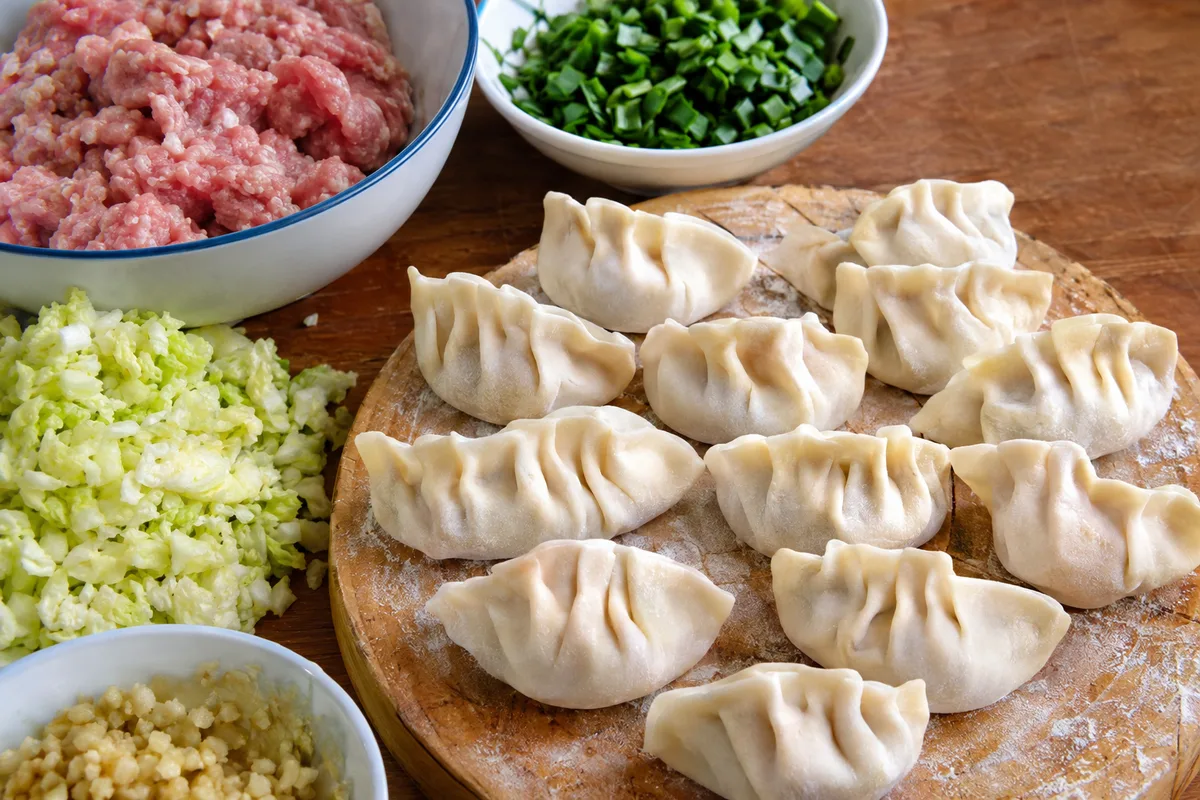
For homemade dumplings, add the calories from all wrapper and filling ingredients, then divide the total by the number made. This gives an estimate per dumpling based on your own recipe. If the dumplings vary in size, dividing by total cooked weight may give a steadier result.
For restaurant or takeaway dumplings, save a suitable entry once you have matched the style, filling and serving size. Reuse it for the same order unless the portion clearly changes. The exact number may remain uncertain, but a repeatable estimate keeps your food record practical.
- Identify the dumpling style
- Choose the closest filling
- Check the serving basis
- Add sauces and sides separately
- Save the entry for future meals