
How Many Calories Are in Pancakes?
There is no single calorie figure for a pancake because recipes and serving sizes vary. The most reliable estimate comes from calculating your own batch and recording any extras separately.
Why the calorie total varies
A small, thin pancake made with a simple batter will have a different calorie total from a large, thick one. Flour, milk, eggs, sugar and added fat all contribute, while the amount of batter used determines how those calories are spread across the batch.
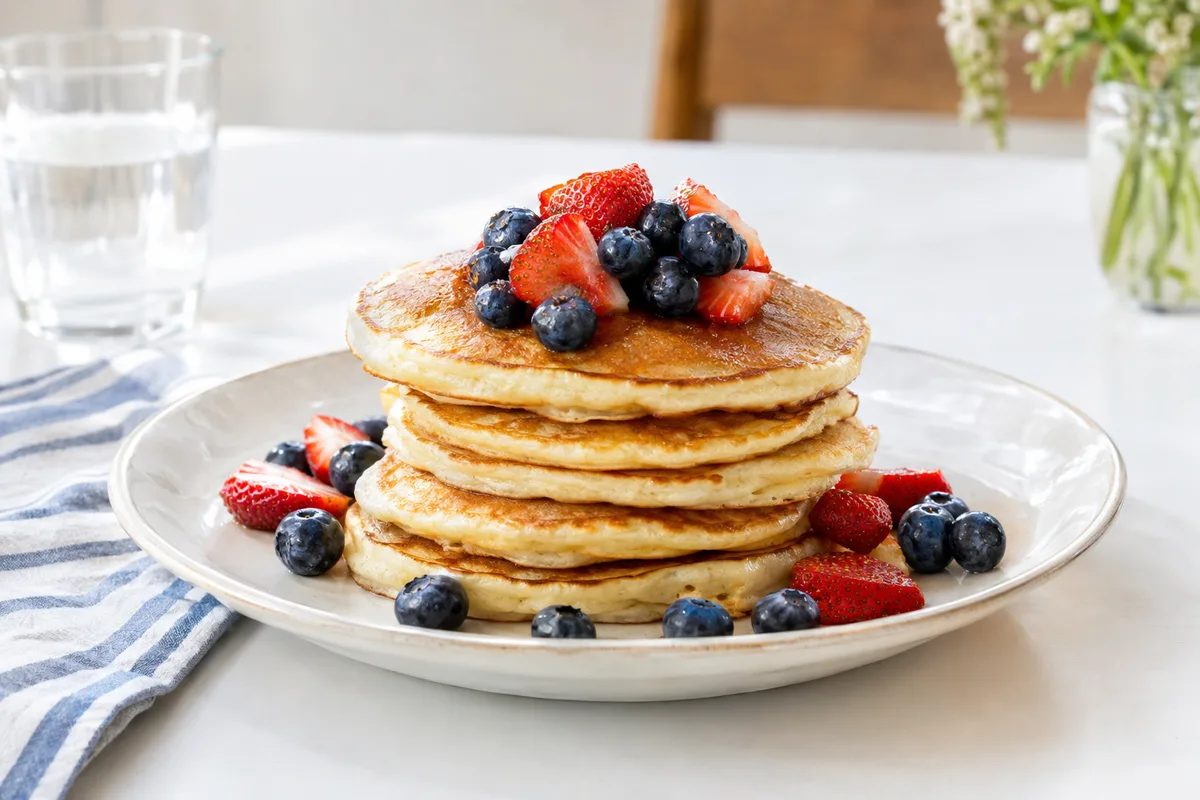
Recipe style matters too. Changing the type or quantity of an ingredient can alter the total, so a generic database entry may not closely match the pancakes on your plate.
Calculate calories from your recipe
Weigh or measure every batter ingredient and enter each one into your food tracker. Add their calories to find the total for the full bowl of batter, including anything used to grease the pan if you can estimate how much was absorbed.
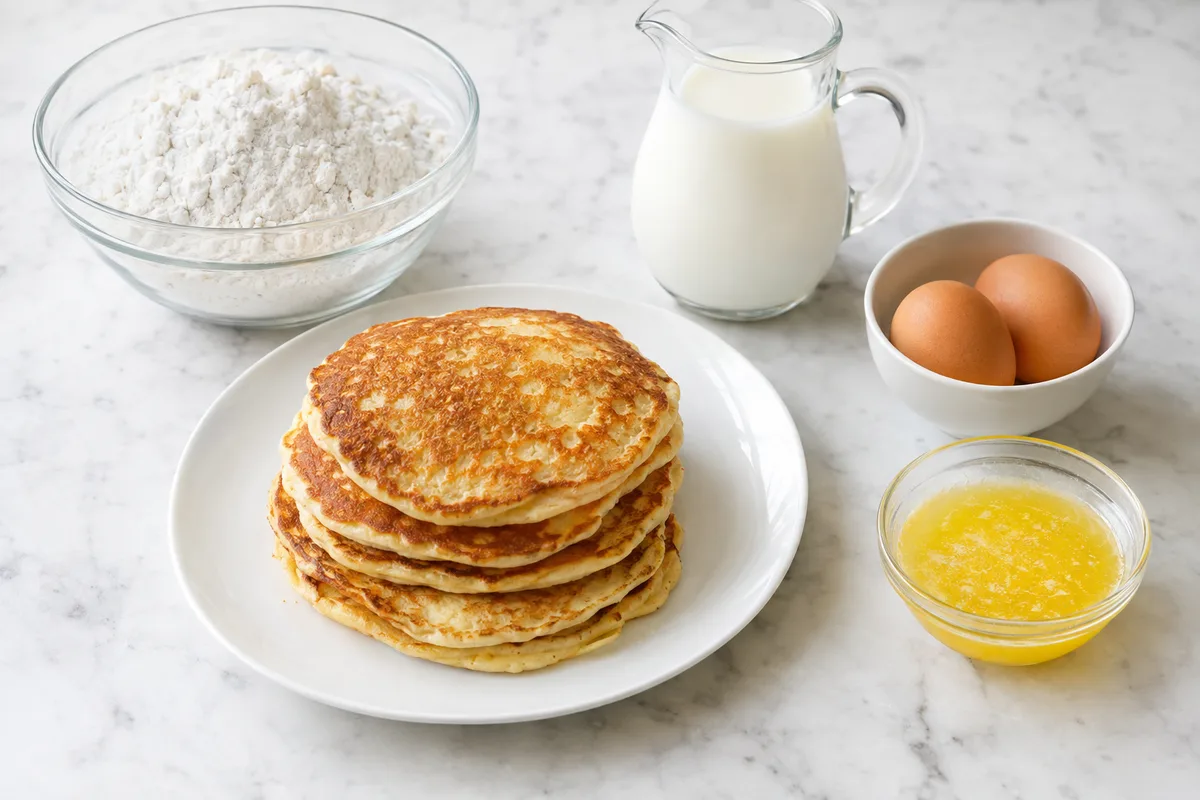
Next, divide the batch total by the number of pancakes you made. If they differ noticeably in size, weighing the cooked pancakes and logging your portion by weight can give a more consistent estimate.
Include cooking fat and toppings
Butter or oil used in the pan is easy to overlook, particularly when more is added between pancakes. Not all of it necessarily ends up in the food, but logging the amount used or a reasonable portion of it is usually more accurate than ignoring it.
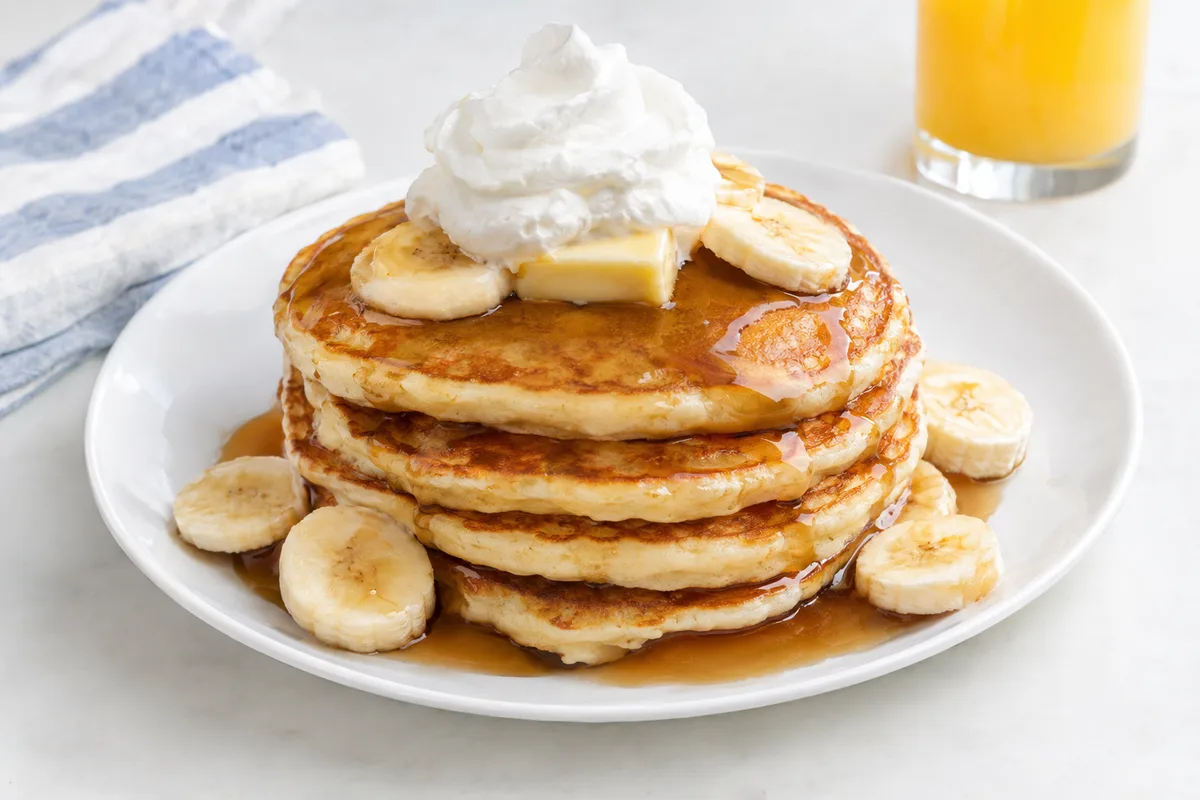
Toppings should be recorded separately because they can change the final total considerably. Weigh spreads, syrups, yoghurt, fruit or other additions where practical rather than relying on how large a spoonful looks.
Make tracking easier next time
Save your usual batter as a recipe in your tracker, then update the number of portions each time you cook it. This reduces repeated work while still allowing for changes in ingredients, pancake size or batch yield.
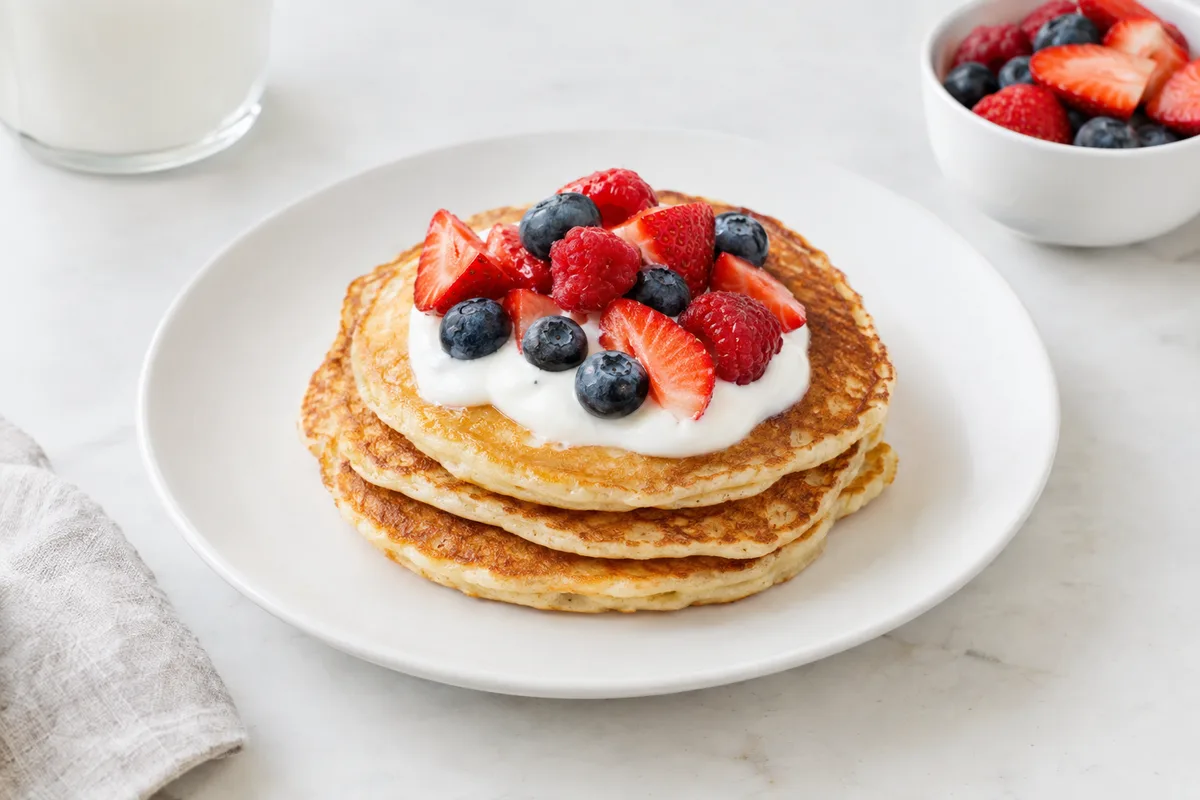
For café or restaurant pancakes, use the available nutrition information when provided. Otherwise, choose the closest database entry, add visible toppings separately and treat the result as an estimate rather than an exact figure.