
How Many Calories Does 20,000 Steps Burn?
A step total tells you how much you moved, but not exactly how much energy you used. This guide explains what changes the estimate and how to record it without overstating the result.
Why 20,000 steps has no fixed calorie value
Twenty thousand steps can represent very different walks. One person may cover the total with short strides on level ground, while another travels farther or climbs hills. Their calorie use will not be the same.

Body size, walking speed and terrain all affect how much energy the movement requires. Carrying a bag, walking into a strong wind or taking stairs can also raise the effort. This is why a step count cannot be converted into one reliable calorie number for everyone.
- Distance covered
- Body size
- Walking pace
- Hills, stairs and surface
- Weight carried
Start with the distance behind the steps
Steps become more useful when you know roughly how far they took you. Your stride length affects that distance, so two people can both reach 20,000 steps without travelling equally far. A longer distance generally requires more energy when the other conditions are similar.
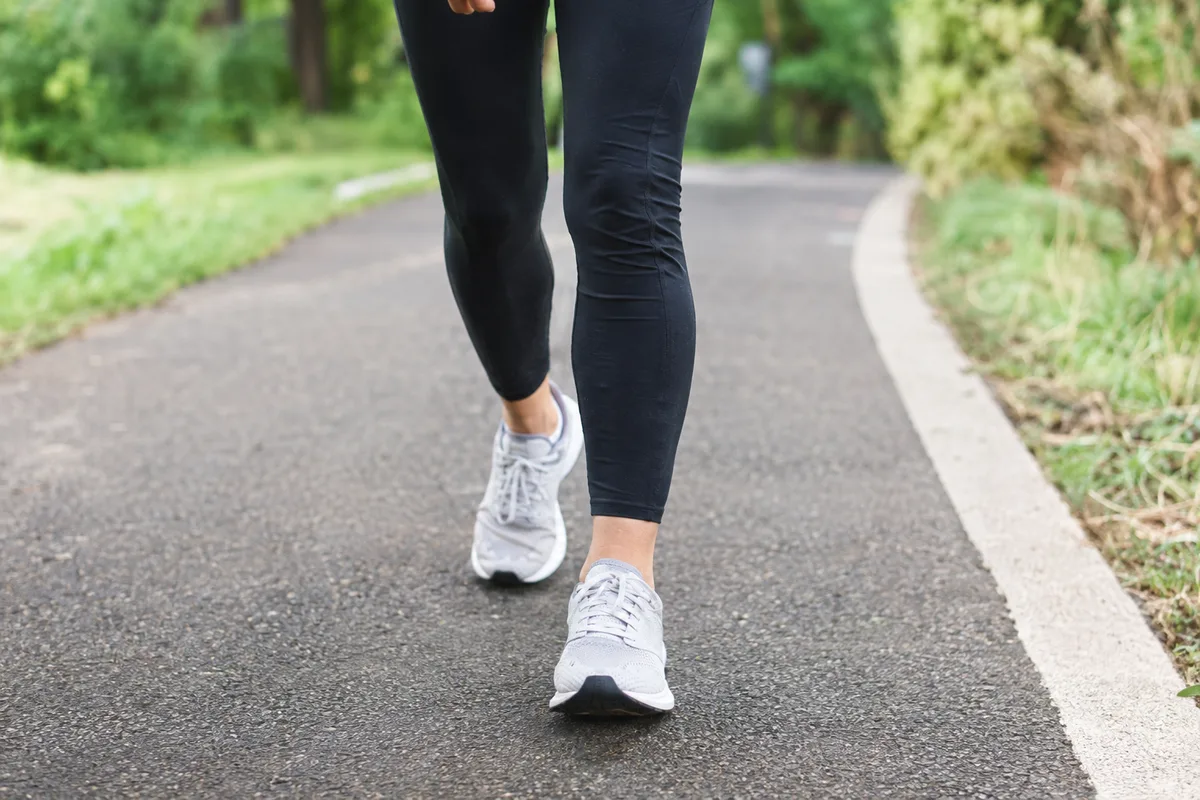
You can use a familiar mapped route to connect your usual step count with distance. Another option is to note the distance estimate recorded during several ordinary walks and look for a consistent pattern. Treat any distance produced automatically as an estimate rather than an exact measurement.
- Use a route with a known distance
- Compare several similar walks
- Keep your usual walking style
- Use the same distance unit each time
Consider pace, hills and walking conditions
A relaxed walk and a brisk walk can have the same number of steps but feel quite different. Faster walking usually demands more energy each minute, although it may also complete the distance sooner. The overall calorie estimate therefore depends on both effort and duration.
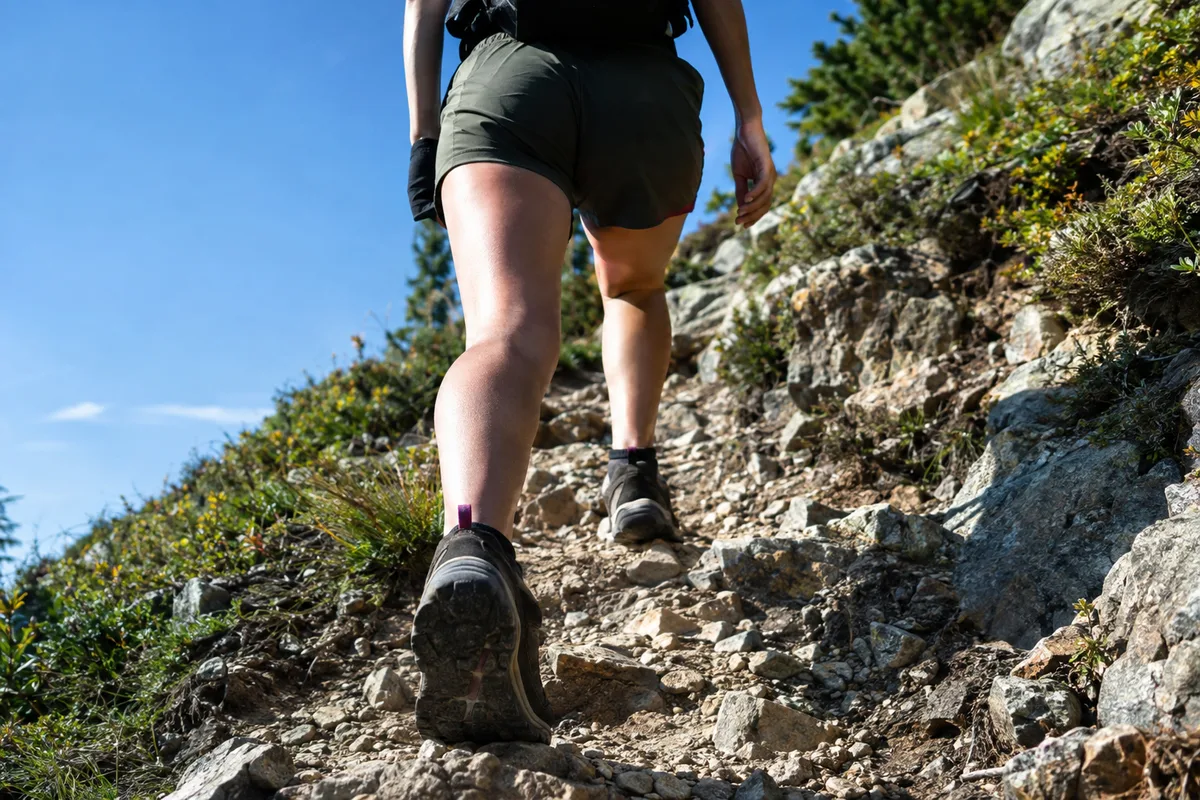
Hills, stairs, uneven paths and soft ground can make each step harder. Frequent stops may lower the average effort, while carrying shopping or a backpack may increase it. Record these details when your 20,000 steps were notably easier or harder than usual.
- Easy, steady or brisk pace
- Mostly flat or hilly route
- Smooth, uneven or soft surface
- Continuous walk or frequent stops
- No load or an extra load
Use a personal estimate rather than a universal chart
An activity estimate based on your own body details, distance and duration is more relevant than a generic step chart. A phone, watch or walking app may provide one, but its result is still calculated rather than directly measured. Different tools can give different answers for the same day.
For food tracking, consistency is often more useful than chasing a perfectly exact figure. Use the same method over time and compare similar days with similar days. Avoid switching between whichever estimate happens to be highest.
- Keep your body details current
- Use one main estimation method
- Check that the full walk was recorded
- Compare like-for-like walking days
Avoid double-counting the same movement
Some daily calorie targets already include an assumed level of movement. If you then add every calorie estimate from 20,000 steps, you may count part of the same activity twice. Check whether your tracking method uses a fixed daily target or adjusts that target as movement is recorded.
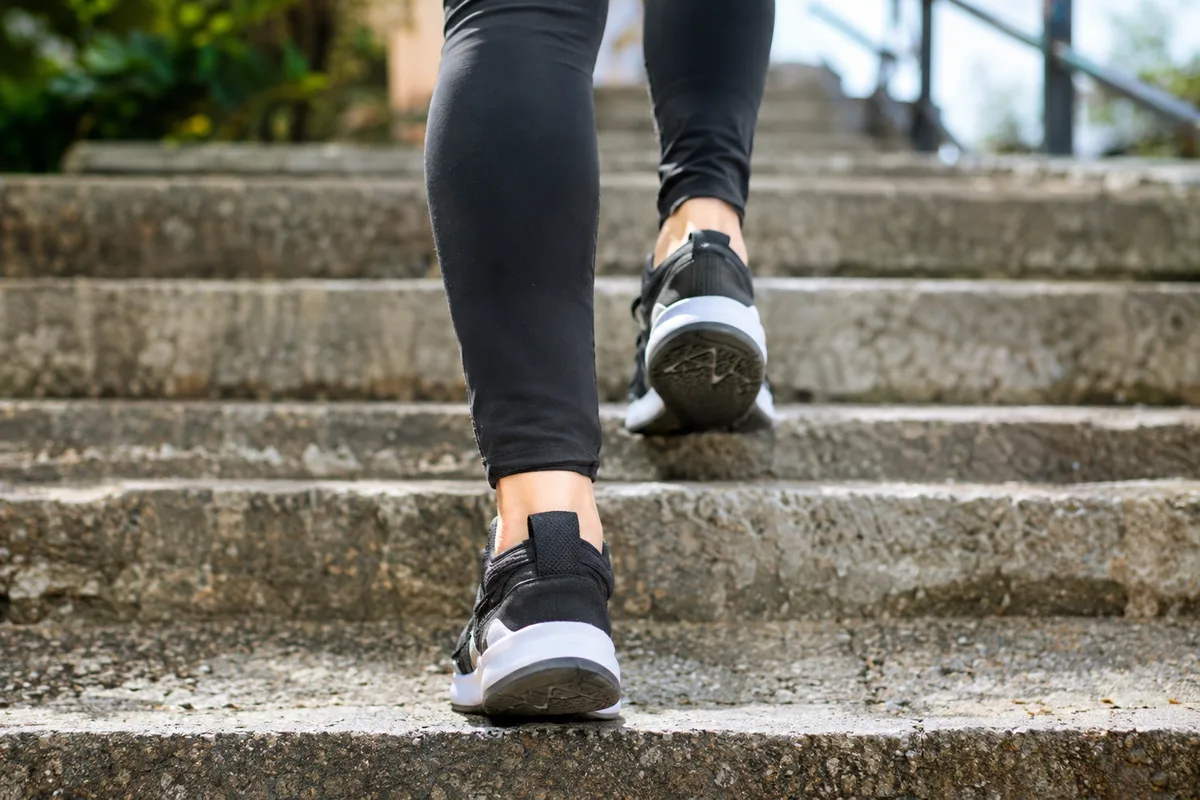
It also helps to distinguish active calories from total calories. Total calories during a walk may include energy your body would have used during that time anyway, while active calories aim to show the extra amount from movement. Use the figure that matches the way your food target is set up.
- Check whether activity is already built into your target
- Do not import the same walk from two sources
- Know whether the figure is active or total calories
- Review unusually high adjustments before using them
A practical way to log a 20,000-step day
Record the step total alongside distance, walking time and a simple note about pace or terrain. Use your usual estimation method, then regard the result as a working figure rather than a precise allowance. The true number depends on the person and the conditions of the walk.
Look at patterns across several comparable days instead of reacting to one estimate. If your food target changes automatically with steps, check how that adjustment behaves before changing your intake. Your hunger, energy and usual routine can provide useful context alongside the logged number.
- Log steps, distance and duration
- Add a brief pace or terrain note
- Use the same calorie estimate source
- Watch the pattern across comparable days
- Keep estimated activity calories in perspective