
How Many Calories Does Swimming Burn?
Swimming calorie burn depends on your body, stroke, effort and time in the water. This guide explains those factors and shows how to use estimates without treating them as exact.
Why there is no single calorie number
Swimming uses energy because your muscles work to move your body through water. The number of calories burned varies from one swim to another, even when the time in the pool is the same. Any figure shown by a calculator, pool machine or activity tracker is therefore an estimate.
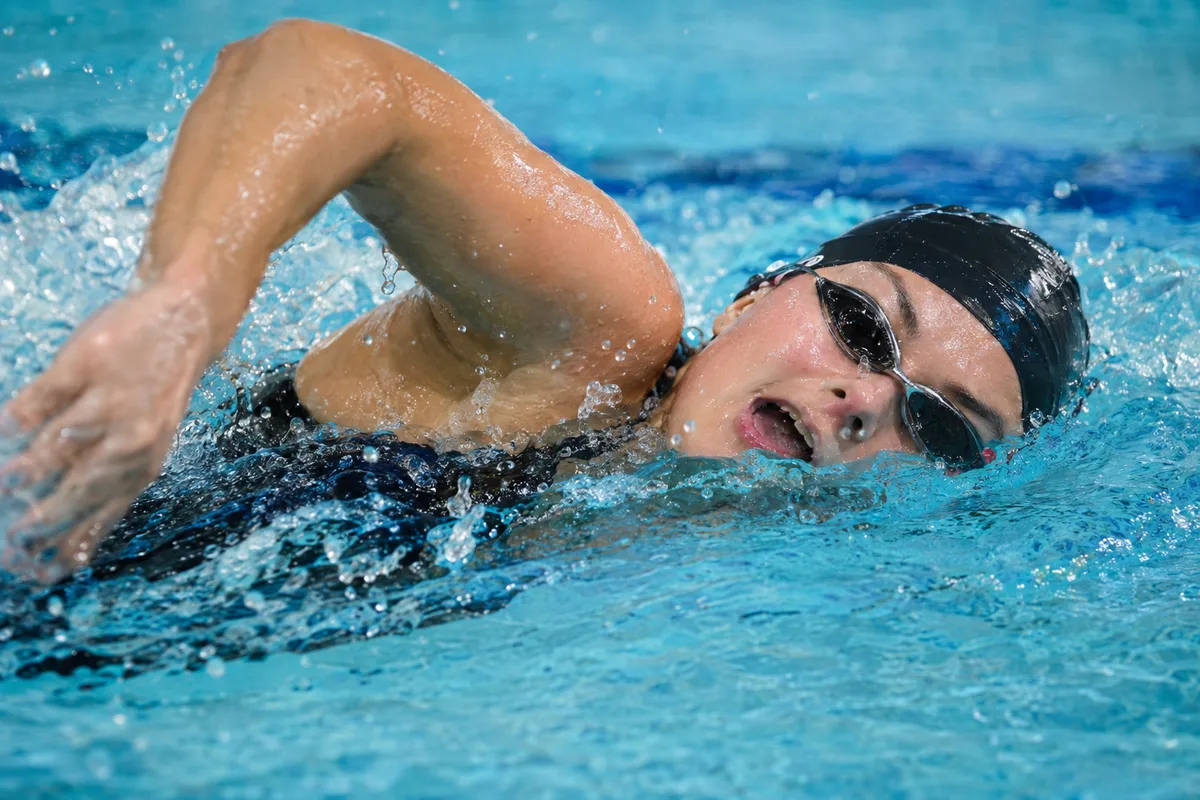
Your body size matters because moving a larger body generally requires more energy. Technique also changes the demand, as an efficient swimmer may travel further with less effort than a beginner. Water temperature, rest periods and how strongly you push off the wall can affect the result too.
- Your body size
- How long you swim
- Your stroke and technique
- Your pace and level of effort
- The length and frequency of rests
Stroke and effort make a difference
Different strokes involve different movement patterns, but the stroke name alone does not determine calorie burn. A relaxed front crawl may demand less energy than a forceful breaststroke, while a fast front crawl may demand more. Your breathing, kick and use of the arms all contribute to the effort.
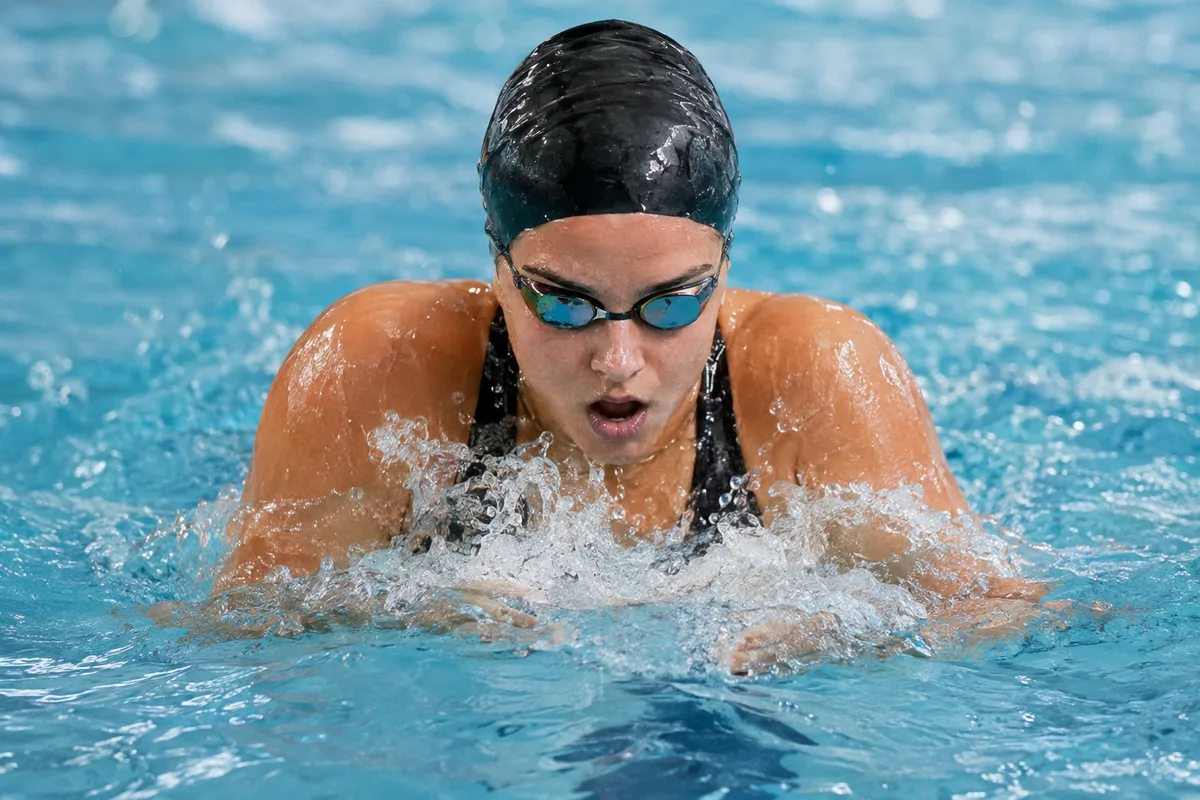
A useful guide is how the swim feels. An easy effort usually allows calm, controlled breathing, while a harder effort makes breathing more deliberate and conversation at the pool edge less comfortable. This gives your calorie tracker useful context when it asks for intensity.
- Easy: smooth swimming with plenty of control
- Moderate: steady swimming that feels purposeful
- Hard: strong lengths that require focused recovery
- Mixed: intervals that alternate harder swimming with easier lengths
Time swimming is not always pool time
Time spent at the pool can include changing strokes, adjusting goggles, waiting at the wall and taking breaks. Those minutes do not place the same demand on your body as continuous swimming. Logging the entire visit as active swimming can therefore push the estimate too high.
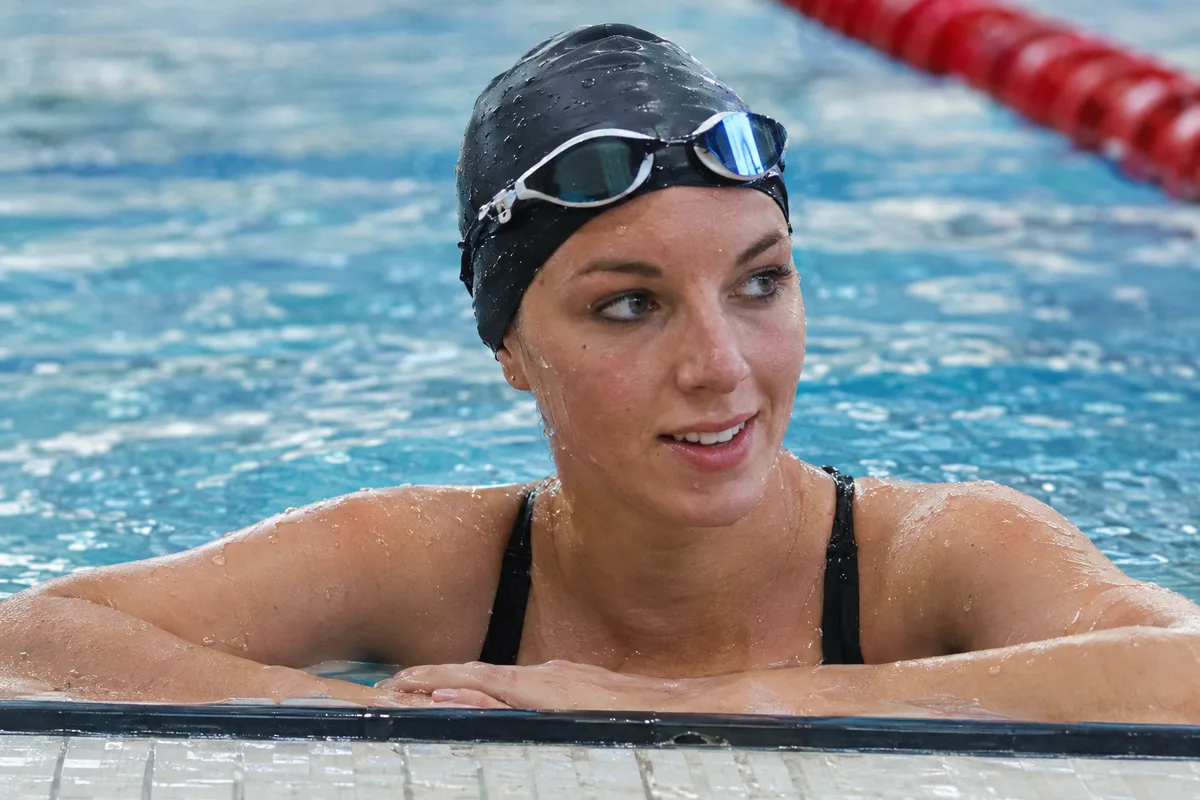
Decide whether your app expects total session time or active swimming time. If rests are short and consistent, logging the whole structured session may be practical. If you spend long periods resting or chatting, recording active lengths separately gives a more representative entry.
- Note when the first active length begins
- Include planned easy lengths and recovery swimming
- Separate long breaks from swimming time
- Use the same timing method for similar sessions
How calorie estimates are calculated
Most swimming estimates combine your body weight, the length of the session and an intensity category. Some methods also use age, sex, distance or heart-rate information. Each extra detail can refine the estimate, but it cannot turn it into an exact measurement.
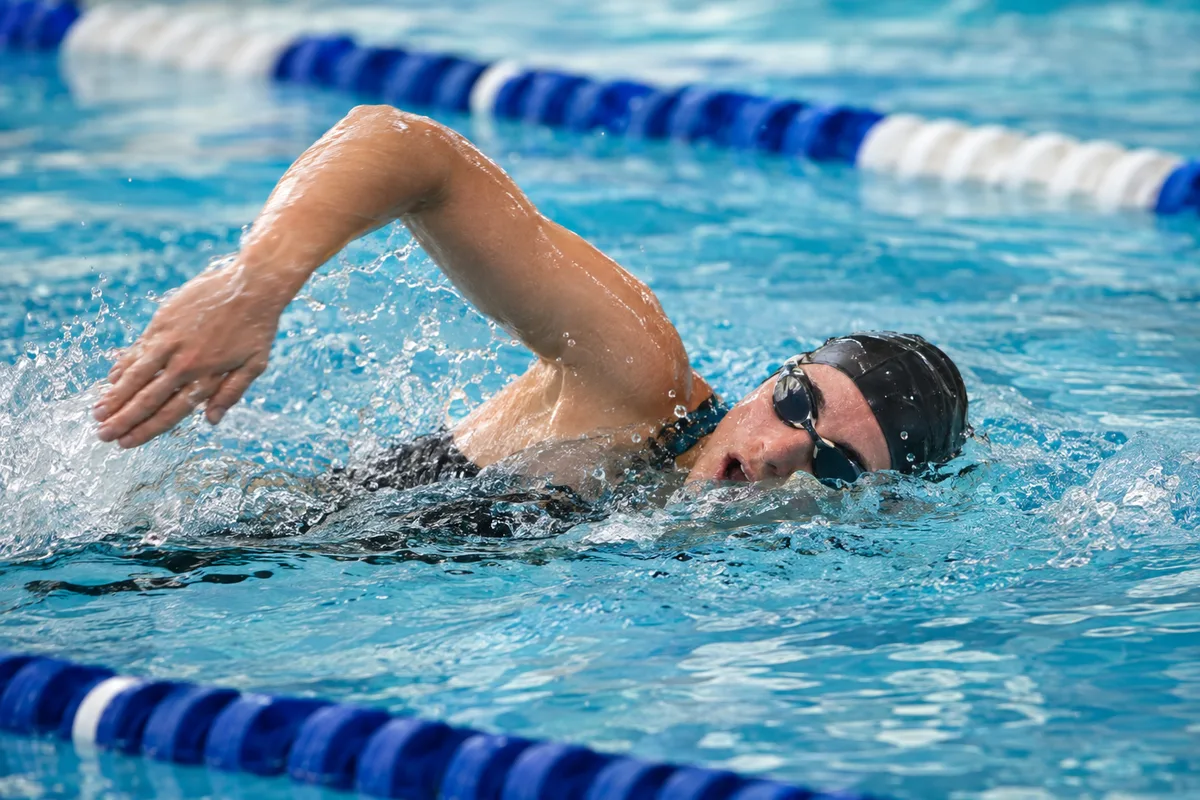
The intensity category is often the least certain part. Labels such as leisure, moderate and vigorous may mean different things to different swimmers. Choose the description that best matches the session rather than automatically selecting the hardest option.
If two tools give different answers, that does not mean one must be correct. They may use different assumptions about stroke, pace and rest. For food tracking, consistency is often more useful than switching between methods to find a preferred number.
How to log swimming alongside food
Start with the information you know: your current body weight, active swimming time, stroke and general effort. Enter the session using the same app or calculation method each time. Add a note when the swim was unusually easy, hard or broken up by long rests.
Be cautious about treating estimated exercise calories as an exact amount available to eat back. Both food entries and activity entries contain uncertainty, especially when portions, recipes or intensity labels are estimated. Your appetite may also respond differently after different sessions.
Look at patterns across several comparable weeks rather than judging one swim in isolation. Keep your food logging method, portion approach and swimming entries reasonably consistent. You can then adjust your routine according to your goals, appetite and progress rather than relying on one calorie figure.
- Record active duration
- Choose the closest stroke and effort level
- Note long rests or interval sets
- Use one estimation method consistently
- Review longer-term patterns
Making your estimate more consistent
Repeatable records make swimming estimates more useful. If you usually swim the same stroke over a similar distance, note how the pace and rest pattern change from session to session. This helps explain why two swims of equal duration may not deserve identical entries.
Distance can add useful context, but it should not replace effort and time. A skilled swimmer may cover more distance economically, while another swimmer may use considerable energy over fewer lengths. Treat distance as one part of the session rather than a direct calorie measure.
The best entry is a sensible estimate based on what you actually did. Avoid adding extra calories for walking around the pool, getting changed or time spent in the water without active swimming. A consistent, slightly cautious approach is easier to use alongside an honest food diary.