
How Many More Calories Do You Burn Walking Uphill?
Walking uphill makes your muscles work harder against gravity, so it normally uses more energy than walking the same distance on level ground. This guide explains what changes the difference and how to record a sensible estimate in your food diary.
Why uphill walking uses more energy
On level ground, your body mainly moves forwards. On a hill, it must also lift your body upwards with every step. That extra work usually means you burn more calories per minute than you would at the same pace on flat ground.
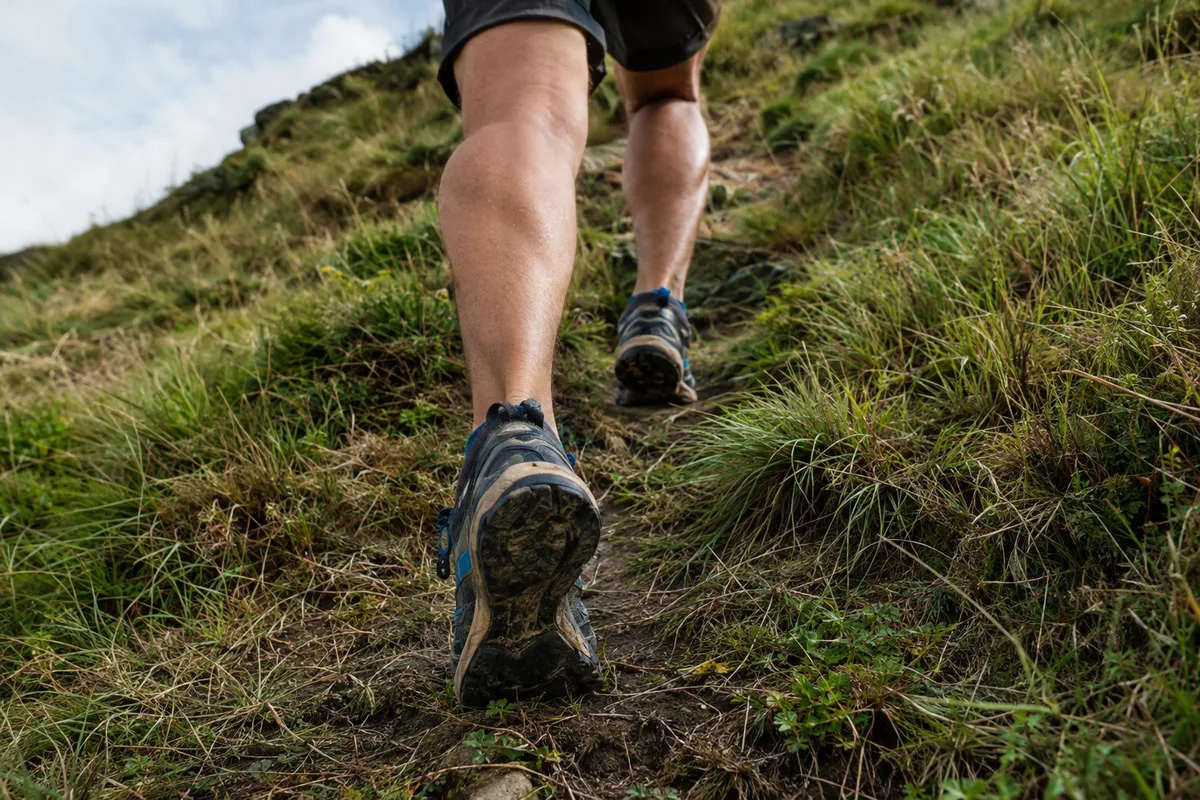
The difference is not one fixed number because hills and walking styles vary. A gentle rise may add only a modest amount of effort, while a long, steep climb can change the walk substantially. Your pace, body size and time spent climbing also affect the total.
- A steeper gradient generally requires more effort
- A faster pace usually raises energy use
- A longer climb gives the extra effort more time to add up
- Carrying a load can increase the work required
The main factors behind the difference
Gradient is one of the biggest influences. As the slope increases, your legs and hips must produce more force to keep moving upwards. Uneven or loose ground may add further effort because each step needs more control.
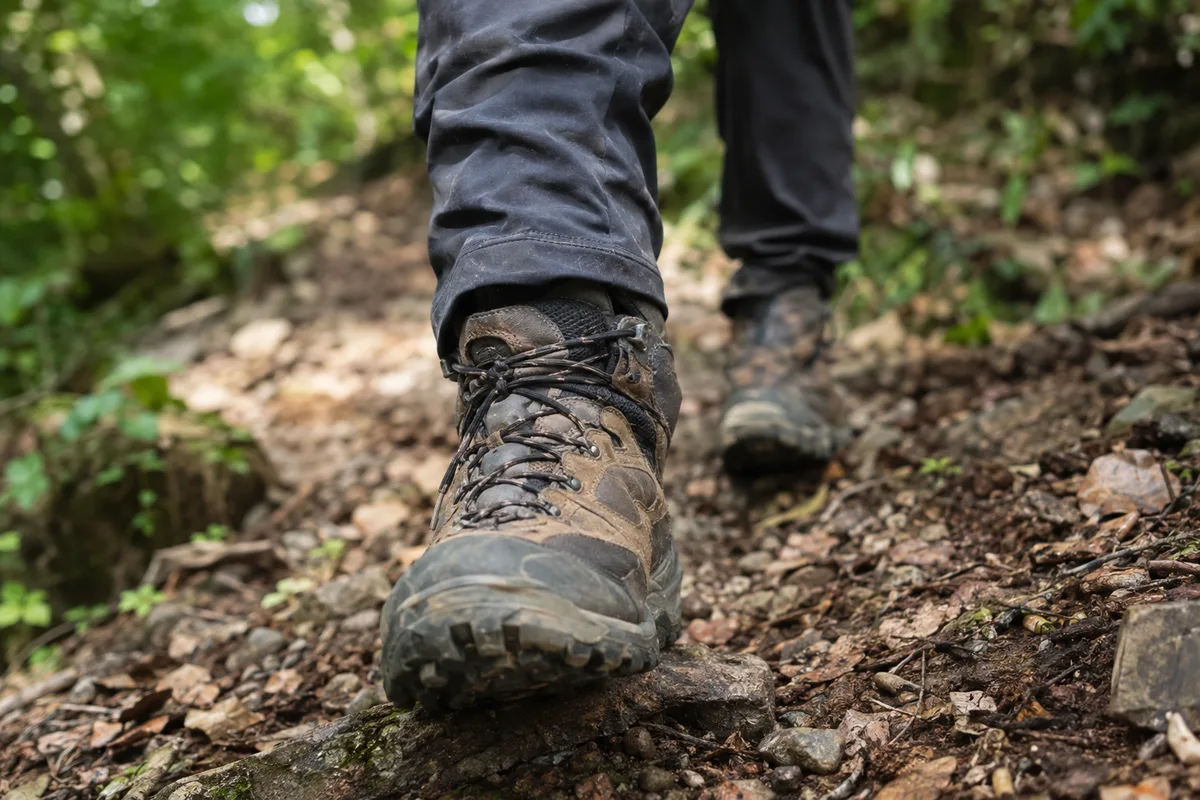
Body size also matters because moving a larger body uphill takes more energy. Fitness and walking technique can change how demanding the same route feels, although effort alone does not provide an exact calorie figure. Weather, wind, footwear and stops can also affect the walk.
- How steep the hill is
- How quickly you climb
- How long you remain on the incline
- Your body size and walking efficiency
- The surface, weather and any load carried
Time and distance tell different stories
Comparing walks by time usually shows the higher calorie rate of uphill walking clearly. For example, half an hour spent steadily climbing will normally use more energy than half an hour at a similar speed on level ground. The exact difference depends on the person and the hill.
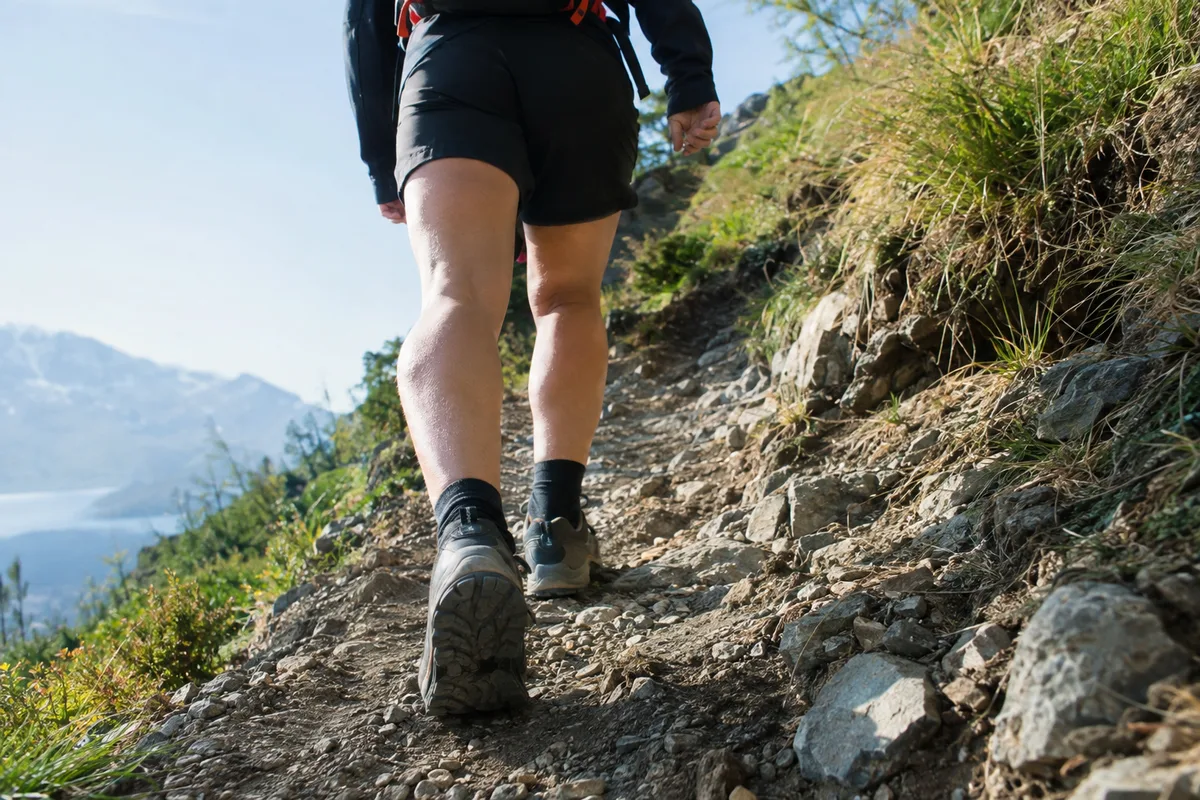
Comparing by distance is less straightforward because an uphill kilometre often takes longer. Part of the higher total may come from the climb itself, and part may come from being active for longer. When recording the session, note both duration and route rather than relying on distance alone.
- Use duration when comparing energy burned per session
- Use distance to understand how far the route covered
- Record the incline or elevation where that information is available
- Separate climbing time from rest stops where practical
How to estimate the extra calories
Start with the method you already use to record walking, then enter the activity as uphill walking or hiking if that description fits. Use your actual duration and current body details, and choose the closest available intensity. The result is still an estimate rather than a precise measurement.
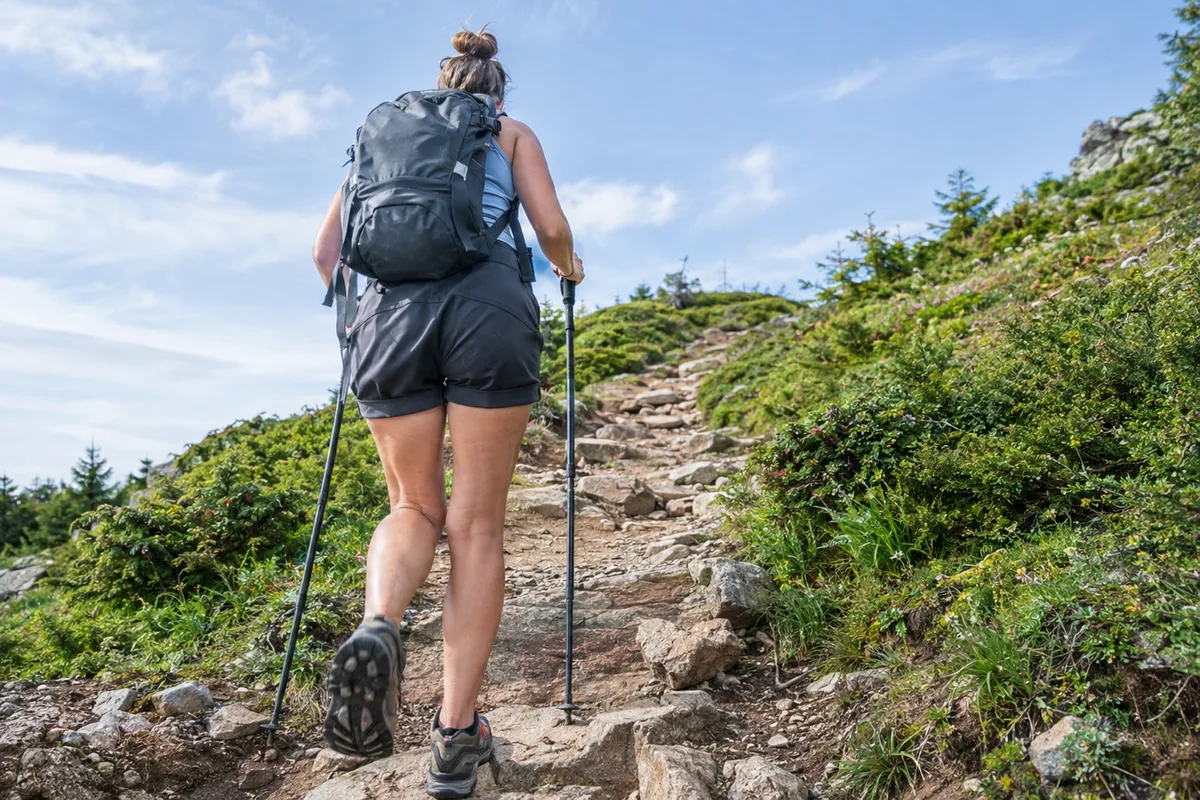
To find the estimated extra amount, compare the uphill entry with a level-walking entry of the same duration and a similar pace. Subtract the level estimate from the uphill estimate. Avoid comparing a brisk climb with a slow, casual flat walk unless that reflects the choice you are actually making.
- Enter the same duration for both comparisons
- Keep the pace as similar as the route allows
- Choose a gradient or intensity that matches the climb
- Treat the difference as a working estimate
- Use the same recording method each time for consistency
What happens on a route with ups and downs
A mixed route should not be counted as uphill for its entire duration. Descending usually costs less energy than climbing, although it still requires muscular control and may be slower on rough ground. Flat stretches, pauses and changing gradients all shape the final total.
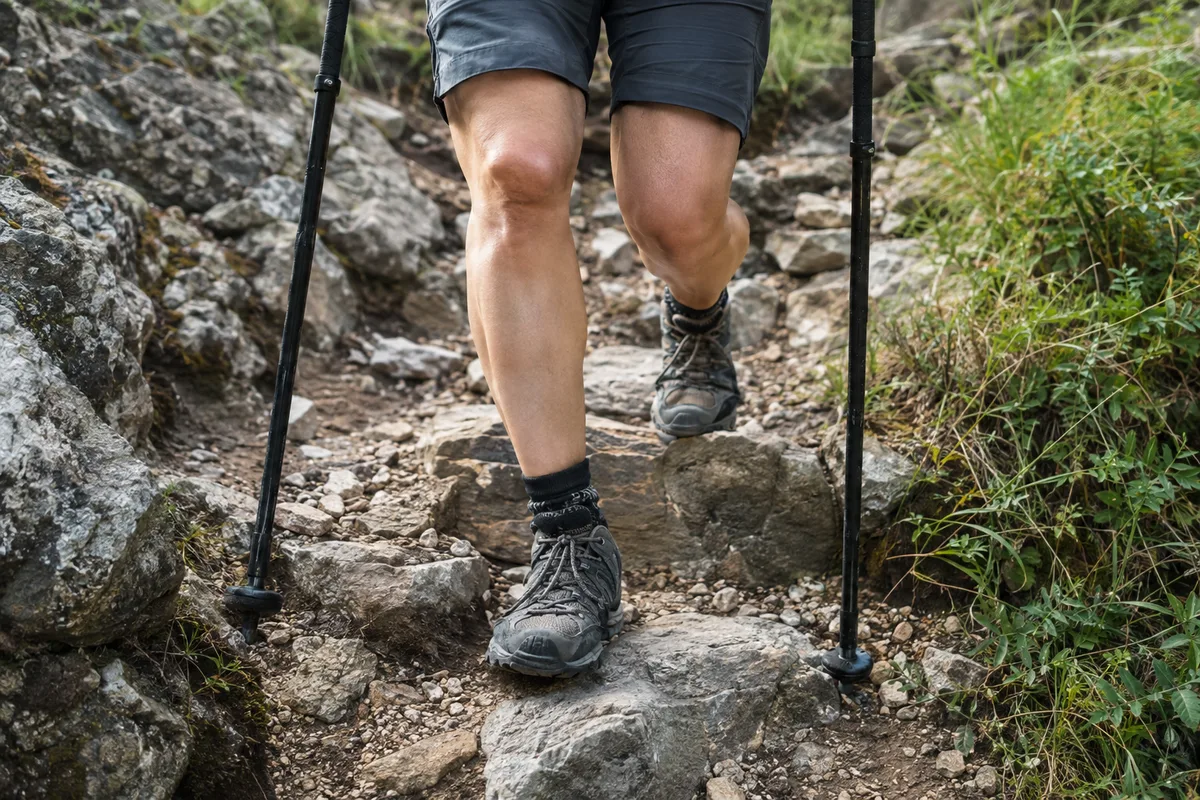
A practical approach is to divide the walk into broad sections such as climbing, level walking and descending. Record separate durations if your diary allows it, or select a mixed-terrain activity when that is the closer description. There is no need to account for every small rise in the path.
- Climbing sections
- Level sections
- Descending sections
- Rest or waiting time
Using the estimate alongside food tracking
Exercise calories can look precise even when they are based on broad assumptions. Treat the uphill figure as useful context rather than an exact allowance to match with food. Estimates may differ between recording methods because they use different definitions and calculations.
Consistency is often more useful than switching methods in search of a perfect number. Record similar walks in the same way, include only the time you were moving, and review patterns over several outings. If a result seems unusually high or low, check the duration, activity type and body details before using it.
- Keep one main method for comparable entries
- Log moving time rather than the whole time away
- Describe the route honestly
- Check unusual estimates for entry errors