
How Much Bread Do You Need Each Day?
Bread can provide carbohydrate, fibre and useful nutrients, but the right daily amount depends on the rest of your diet. This guide explains how to track portions and find a pattern that works for you.
There is no fixed daily bread requirement
You do not need to eat a set number of slices each day. Bread is one way to include starchy carbohydrate, alongside foods such as rice, pasta, potatoes and oats. How much fits depends on your appetite, activity, usual meals and the other carbohydrate foods you eat.
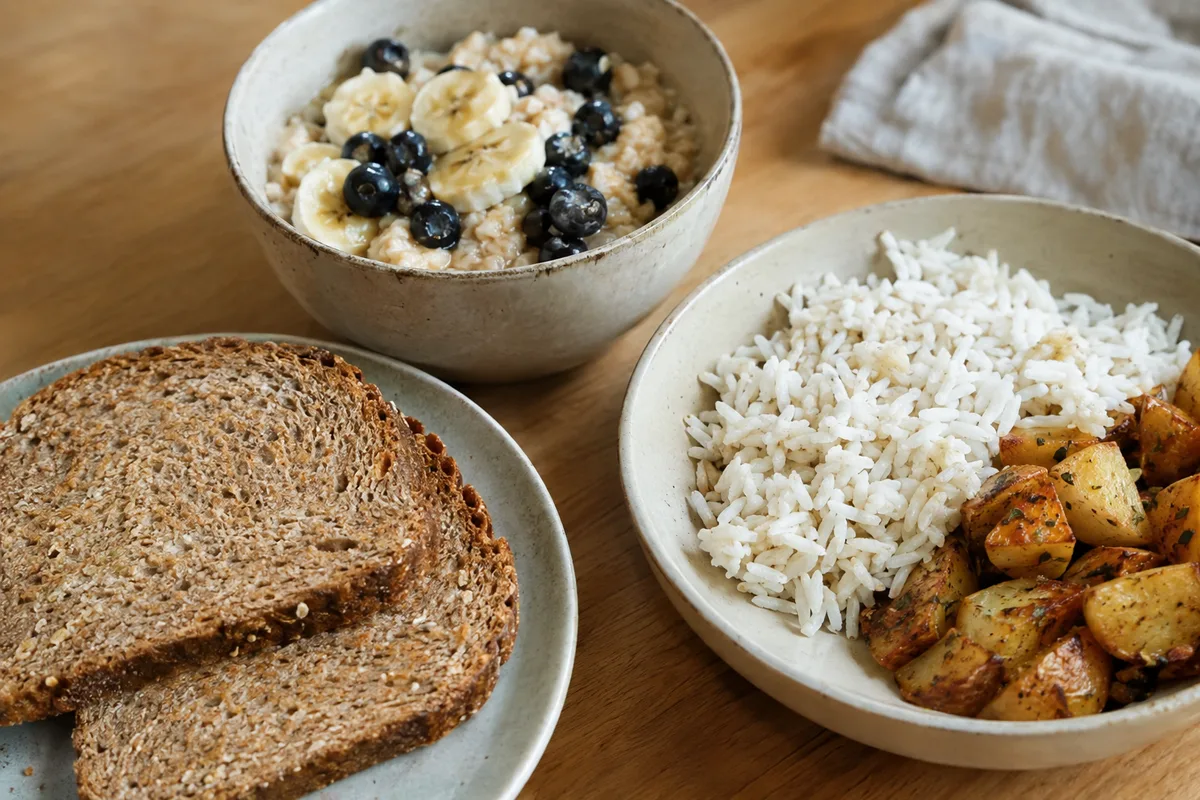
Some days you might have bread with more than one meal, while on other days you may have none. It is more useful to look at your food intake across the day than to treat bread as a separate target. Your preferred amount can also change when your routine or activity changes.
- Consider which other starchy foods are already in your meals
- Notice whether bread helps you feel satisfied until your next meal
- Allow for larger or smaller appetites on different days
- Judge the overall pattern rather than one meal
Start with the rest of your plate
Bread usually works best as part of a meal rather than as the whole meal. Pairing it with a protein food, vegetables or fruit, and a source of fat can make the meal more varied and satisfying. The balance does not need to look identical every time.

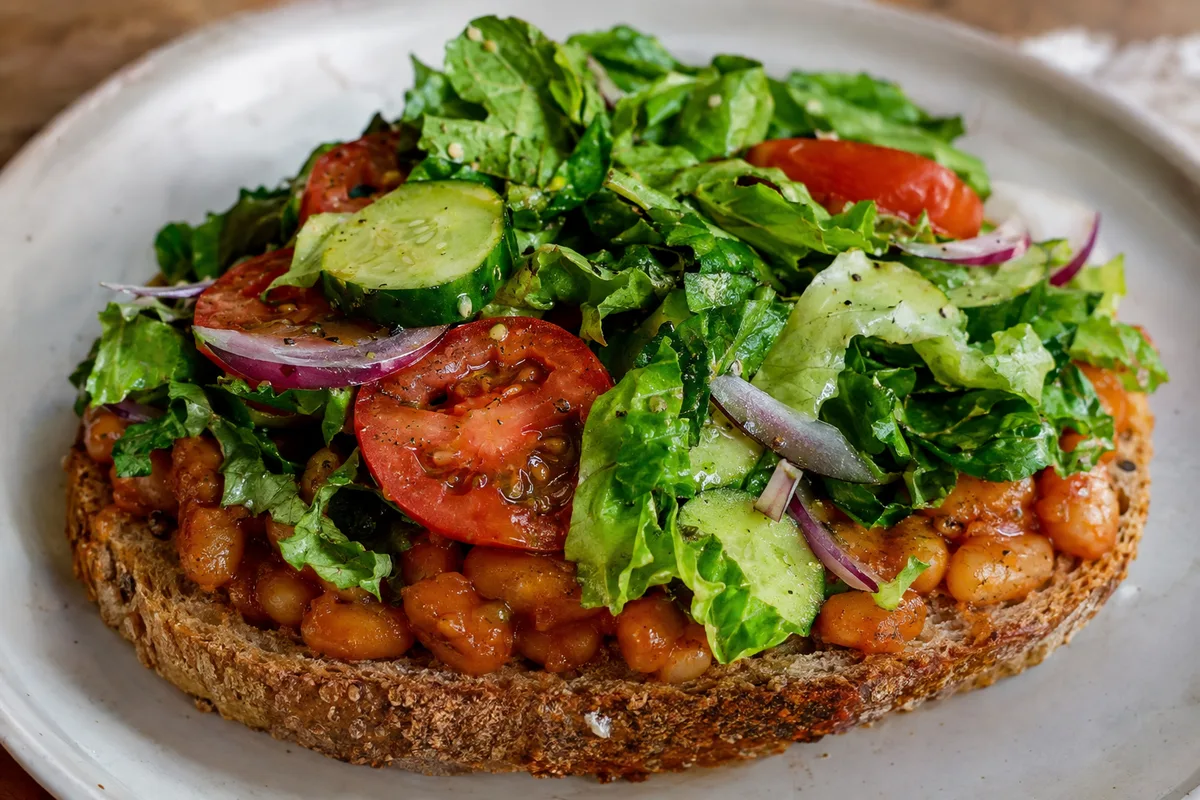
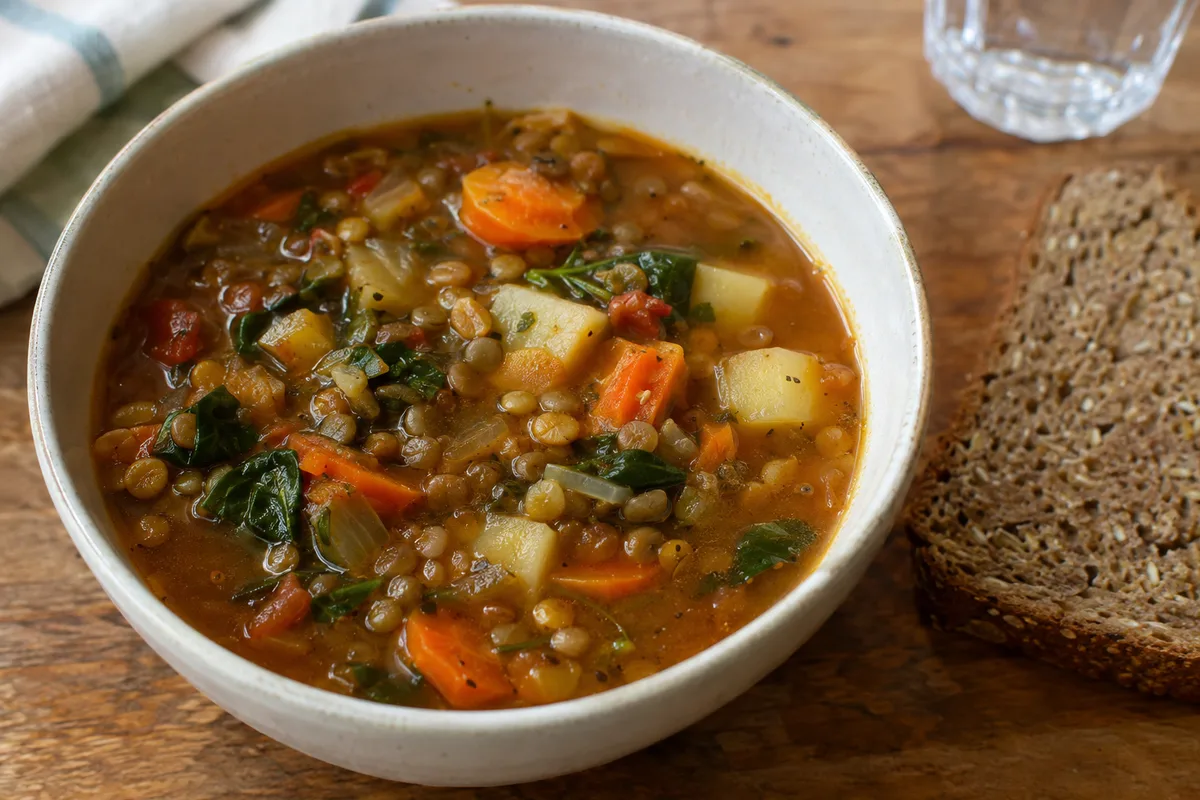
For example, toast might sit alongside eggs and tomatoes, while a sandwich could contain chicken, salad and avocado. Soup and bread can also make a useful meal when the soup includes vegetables and a protein food. Looking at what accompanies the bread is often more helpful than focusing only on the number of slices.
- Toast with eggs, mushrooms and tomatoes
- A bean and salad sandwich with a piece of fruit
- Vegetable and lentil soup served with bread
- Pitta filled with falafel, salad and yoghurt dressing
Use your food log to find your usual amount
Because you already track what you eat, review several ordinary days rather than choosing a bread target at random. Note the type and amount of bread, what you ate with it and how the meal fitted into your day. This gives you a clearer picture of your actual pattern.
Package information can help because loaves, rolls, wraps and pittas vary in size and ingredients. Record the portion you genuinely ate rather than assuming that every slice or roll is equivalent. If you enter a packaged bread, match the entry to its label when possible.
Your notes can also include whether the meal felt satisfying and whether you were hungry again sooner than expected. This is not about labelling an amount as good or bad. It is a way to see whether your current portions suit your appetite and routine.
- Check the serving information on the packet
- Log rolls, wraps and pittas by their actual type
- Include spreads, fillings and side dishes separately
- Compare several typical days before changing anything
Choose bread for more than its slice count
Different breads can offer different amounts of fibre, protein and salt. Wholemeal and other wholegrain options often contain more fibre than refined white bread, although recipes vary. Checking the label is the simplest way to compare the loaves available to you.
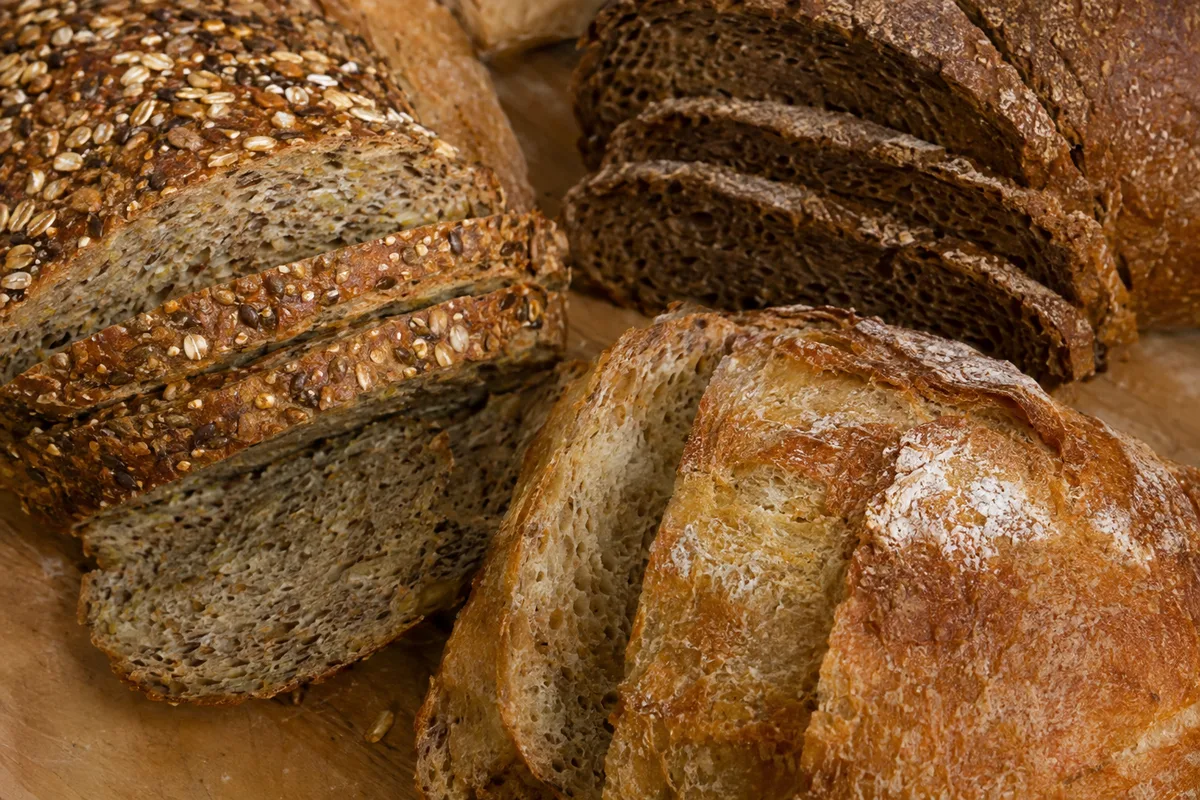
Fibre can support fullness and helps make bread a more substantial part of a meal. Seeded bread may add texture and fats, while rye, sourdough and mixed-grain breads bring different flavours. Your favourite bread can still fit, so taste and enjoyment matter as well as the nutrition panel.
- Compare fibre per stated serving
- Check salt between similar products
- Read the ingredients for wholemeal or wholegrain flour
- Choose a texture and flavour you will enjoy eating
Adjust bread around your meals and activity
A more active day may leave you wanting more food, including bread or another starchy carbohydrate. On a quieter day, your appetite may be lower. There is no need to force the same bread portion into every day if your needs are changing.
Also consider whether bread is replacing or adding to other foods. If breakfast already includes a generous serving of oats, and lunch contains rice, you may want less bread than on a day built around toast and sandwiches. The suitable amount depends on the complete day, not on bread alone.
Make small adjustments and keep tracking long enough to understand the result. You might change the bread portion, strengthen the filling or add vegetables and then notice how the meal feels. Avoid changing several parts of your routine at once if you want to know what made the difference.
- Add bread when a meal feels too small for your appetite
- Reduce the portion if bread regularly goes uneaten
- Use a more substantial filling before adding extra slices
- Swap between bread and other starchy foods for variety
Build a flexible daily pattern
Your bread intake does not need to be identical from Monday to Sunday. A day with toast at breakfast and a sandwich at lunch can sit alongside a day based on potatoes, pasta or rice. Variety makes it easier to obtain nutrients from a wider range of foods.
Use your log, appetite and meal balance to decide what is enough for you. If bread fits comfortably into your energy intake and helps create enjoyable meals, there is no need to remove it simply because another person eats less. Equally, you do not need to include it every day.
The practical answer is to choose an amount that leaves room for protein foods, vegetables, fruit and varied sources of carbohydrate and fat. Review the pattern when your appetite, activity or routine changes. Your useful daily amount is personal rather than a universal number.