
How many calories do you need each day?
Your daily calorie needs depend on your body, routine and aim, so there is no single number that suits everyone. This guide explains how estimates work and how to adjust one using what you already track.
What a daily calorie target means
A calorie is a unit used to describe energy. Food and drink provide energy, while your body uses energy to keep you alive, digest meals and support movement. A daily calorie target is an estimate of how much energy may match your needs over time.
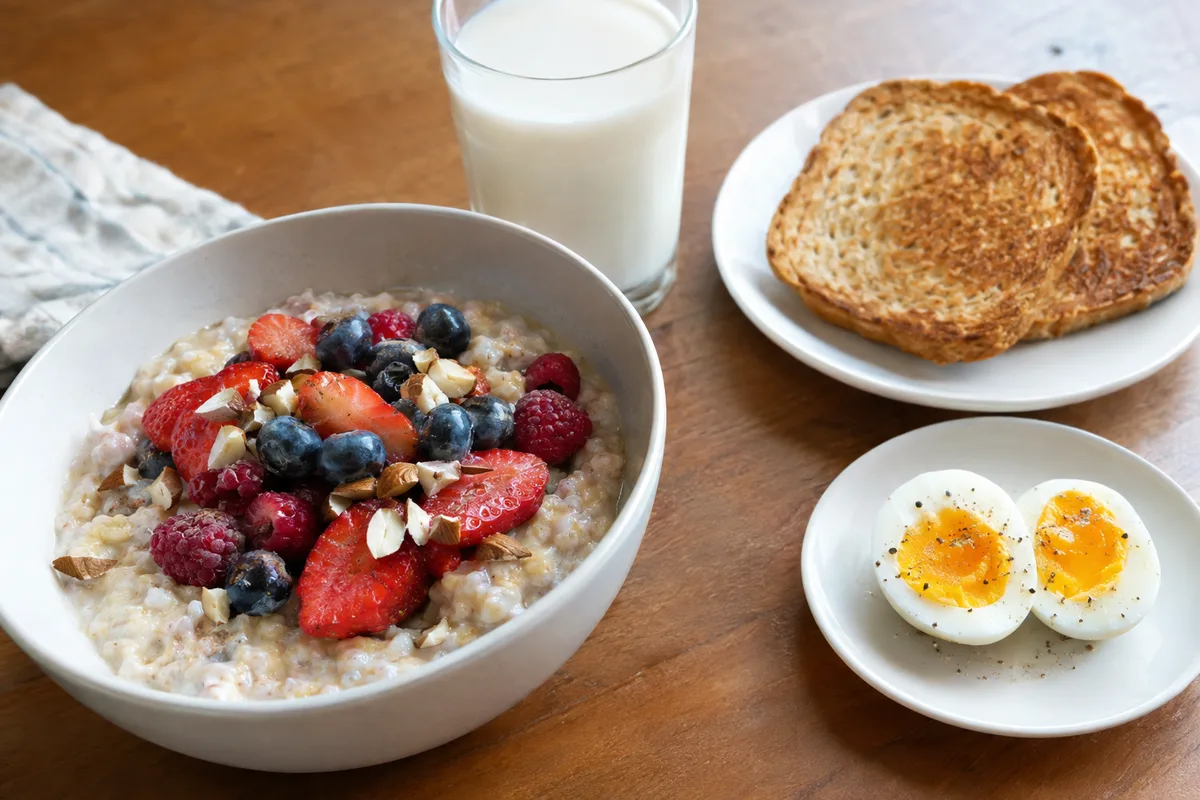
Your needs are personal and can change from one day to another. A quiet day at home is different from a day spent walking, lifting or training. It is usually more useful to think about an average across several days than to expect every day to look identical.
- Energy used for basic body functions
- Energy used to digest and process food
- Energy used during everyday movement
- Energy used during planned exercise
What affects your calorie needs
Body size, age and body composition all help determine how much energy you use. A larger body generally requires more energy to maintain than a smaller one, while muscle and other tissues do not use energy in exactly the same way. These details are why two people with similar routines may still need different amounts.

Your daily routine matters as well. A job involving regular movement may use more energy than one mostly spent sitting, even before exercise is considered. Sleep, stress, changes in routine and stages of life can also affect appetite, activity and the usefulness of an estimate.
- Your age, height and current body weight
- How much of the day you spend sitting or moving
- The type, length and frequency of exercise
- Your current aim, such as maintaining or gradually changing weight
- Changes to your routine over time
How calorie estimates are calculated
Most calorie calculators begin by estimating the energy your body uses at rest. They then apply an activity level to account for normal movement and exercise. The result is often called total daily energy expenditure, meaning the estimated energy you use across a whole day.
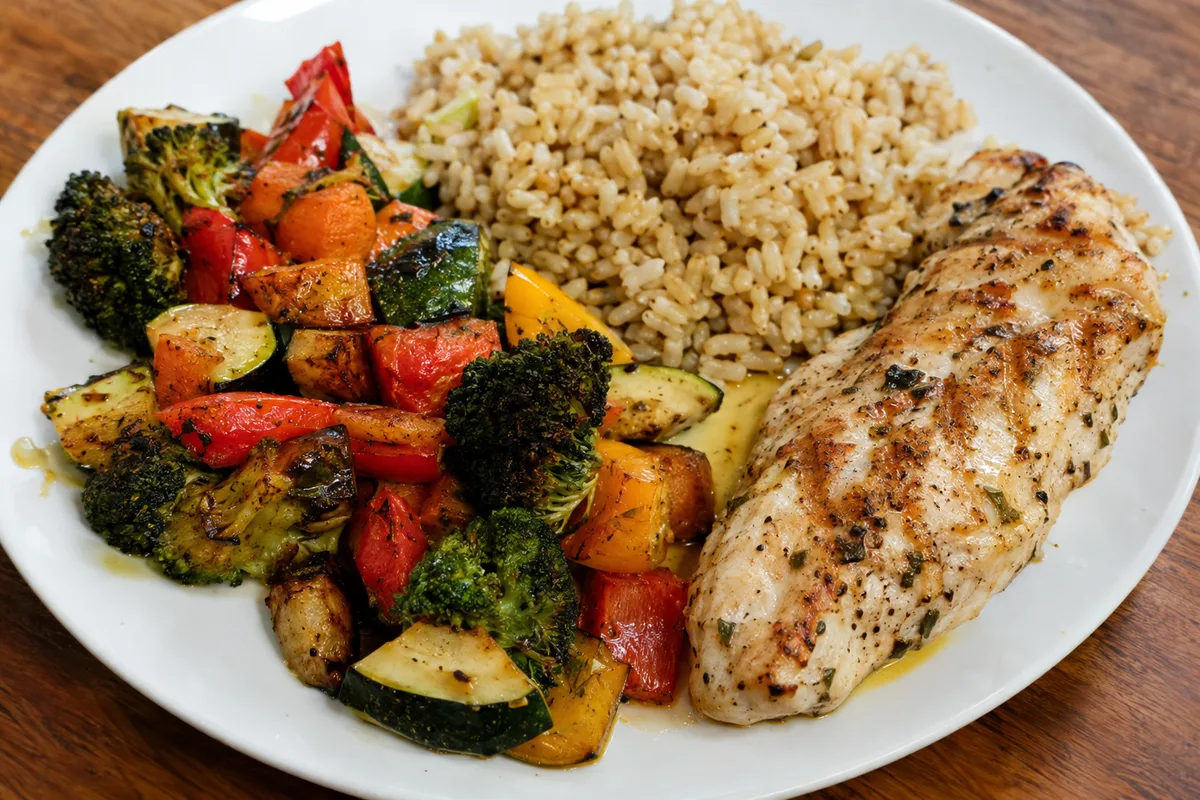
The activity choice is often the least precise part. Planned workouts are easy to remember, but walking, housework, commuting and time spent standing also count. Choose the description that reflects your whole week rather than the most active hour in it.
Treat the result as a starting point, not a measurement. Equations use broad information and cannot see every detail of your routine or body composition. Your food log and longer-term pattern can help you decide whether the estimate is suitable.
- Enter current information rather than an old weight or routine
- Include ordinary daily movement as well as exercise
- Use a typical week, not an unusually busy or quiet one
- Keep the same starting estimate long enough to observe a pattern
Match the estimate to your aim
If your weight is broadly steady over time, your average intake may be close to the energy you use. If you want to maintain, that existing pattern can be as useful as a calculator estimate. Day-to-day changes do not always show a change in body tissue because food, fluid and normal digestion also affect body weight.

For a gradual change in weight, calorie intake needs to differ from energy use over time. The appropriate difference depends on the person, so there is no universal adjustment that should be applied to every food log. A target should still leave room for satisfying meals and a varied diet.
Your aim may also be performance, recovery or simply more consistency. In that case, meal timing, food choice and enough overall energy may matter as much as a precise total. Avoid treating the lowest possible intake as the best target.
- Maintenance: compare your current average intake with your longer-term trend
- A gradual decrease: make a modest adjustment and review the result
- A gradual increase: add food consistently and monitor the overall pattern
- Performance: consider energy needs around active parts of the day
Use your food log to refine the number
Start with your estimated target and compare it with what you already record. Look at averages across a run of ordinary days rather than judging one high or low day. Check that drinks, cooking oils, sauces, snacks and portion sizes are included consistently.
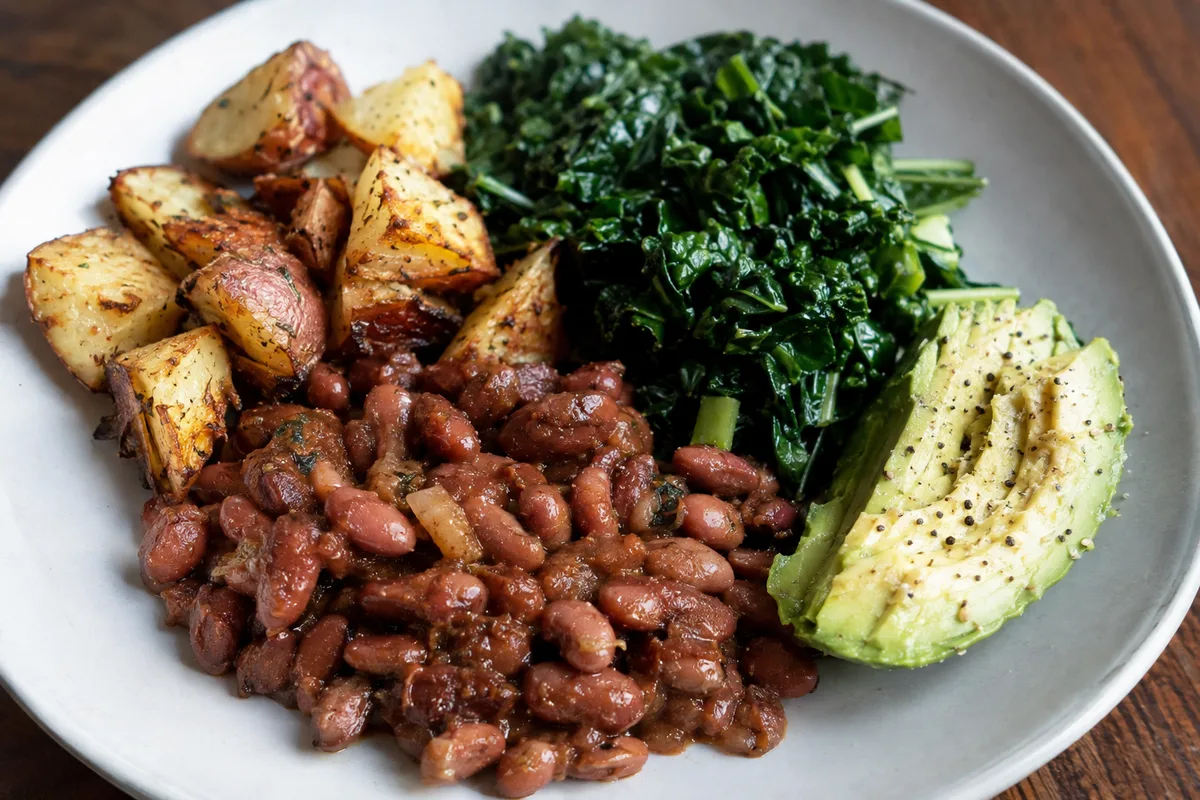
Next, review what happens over time. If your intake and your chosen outcome are moving in the expected direction, the target may be practical. If there is no clear pattern, keep collecting consistent information before making another change.
Adjust one part of the plan at a time so you can understand its effect. The size of any adjustment depends on your starting intake, routine and aim. Frequent large changes can make the log harder to interpret.
- Compare weekly patterns rather than isolated days
- Note unusual meals, travel and changes in activity
- Use the same method for estimating portions
- Review the trend before changing the target
- Recalculate when your body or routine changes noticeably
Calories are only part of the picture
A calorie target describes energy, but it does not describe the full quality of a meal. Protein and carbohydrate provide about 4 kcal per gram, while fat provides about 9 kcal per gram. Foods also differ in fibre, vitamins, minerals, texture and how filling they feel.
Build meals from foods that support both your target and your everyday needs. A useful plate may include a protein source, vegetables or fruit, a carbohydrate-rich food and some fat. The exact portions depend on your calorie needs, appetite, preferences and activity.
Tracking should provide useful information rather than demand perfect accuracy. Food labels, recipes and portion estimates all have some variation. Aim for a consistent method, then use the pattern to make sensible decisions.
- Include a source of protein in regular meals
- Choose fibre-rich carbohydrates where they suit you
- Add vegetables or fruit across the day
- Count oils, dressings and spreads consistently
- Leave room for foods you enjoy