
How many calories does mowing the lawn burn?
There is no single calorie figure for mowing the lawn because the effort varies widely. This guide explains what changes your burn and how to log a sensible estimate alongside your food intake.
Why there is no single calorie number
Mowing the lawn can involve steady walking, pushing, pulling and turning. The calories burned depend on how long you mow, how hard you work and how much of the job the mower does for you. A short pass over a flat lawn is different from tackling long grass on a slope.
Body size also affects the estimate because moving a larger body generally requires more energy. Fitness, technique and rest breaks can change the effort as well. This means another person's calorie figure may not be a useful match for you.
- Your body size
- The time spent actively mowing
- Your pace and level of effort
- The mower and how much pushing it requires
- The slope, surface and condition of the grass
The type of mower makes a difference
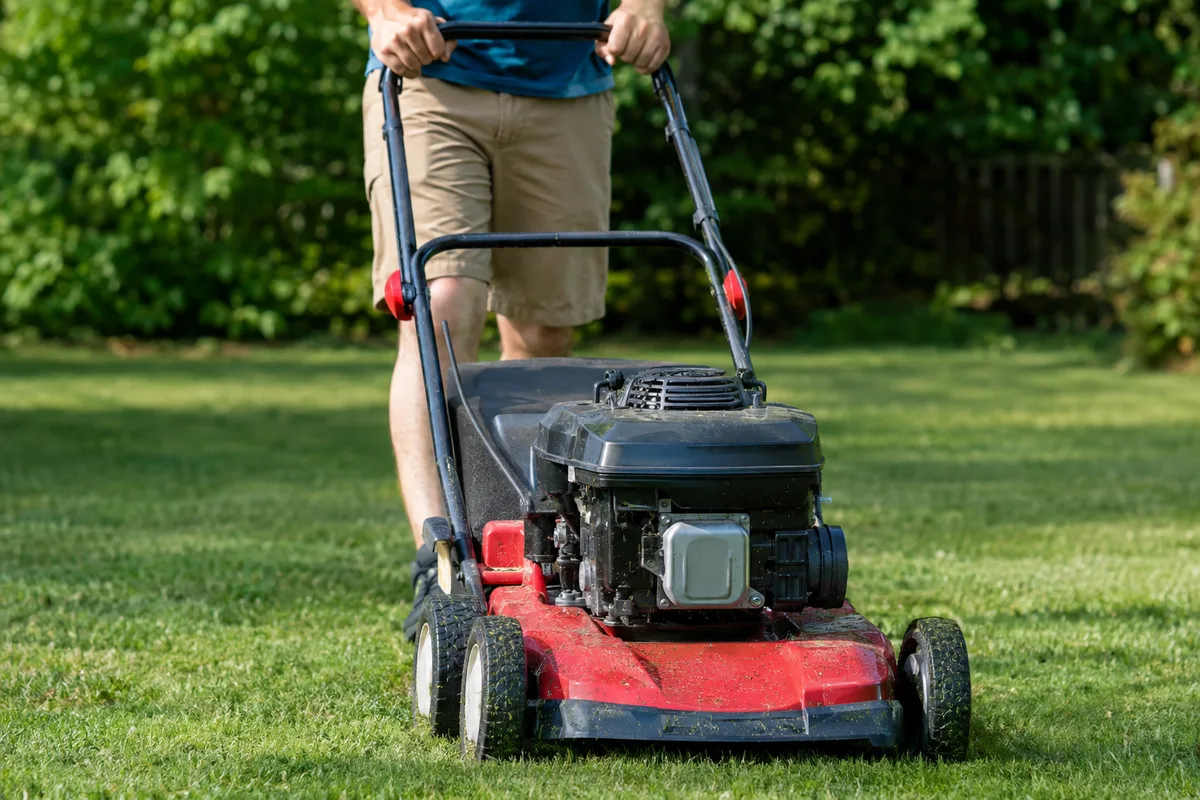
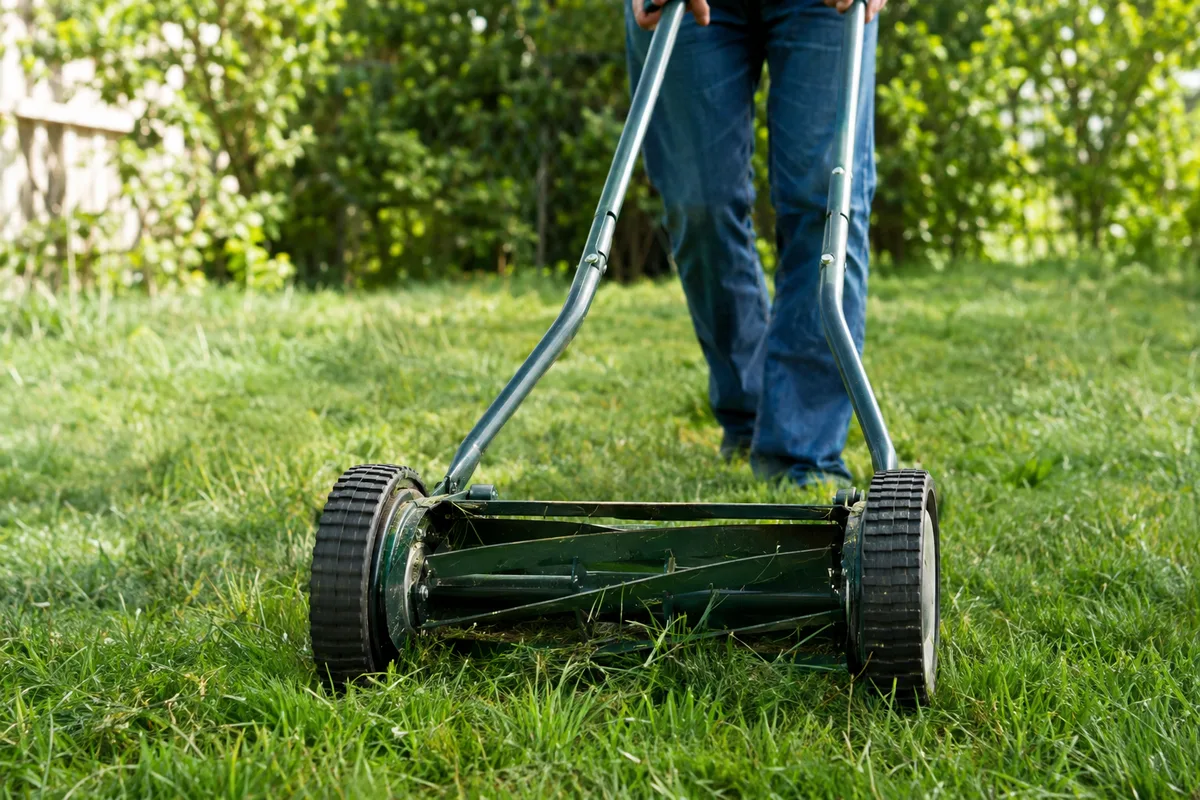
A manual reel mower usually requires continuous pushing, especially through thick or damp grass. A powered push mower may still involve plenty of walking and turning, but the motor does some of the work. A self-propelled mower reduces the pushing force further.
A ride-on mower involves much less walking and is usually closer to a seated task. However, getting off to move obstacles or collect cuttings adds activity around the main job. When choosing an entry in a calorie tracker, match it to what you actually did rather than selecting the hardest available option.
- Manual reel mowing: walking with repeated pushing
- Powered push mowing: walking with some pushing and turning
- Self-propelled mowing: walking while guiding the mower
- Ride-on mowing: mainly seated, with possible short periods of lifting or walking
Lawn conditions can raise or lower the effort
Flat, dry and recently cut grass tends to make mowing easier. Long, wet or dense grass can slow the mower and require stronger pushing. Uneven ground also adds small changes of direction and balance.
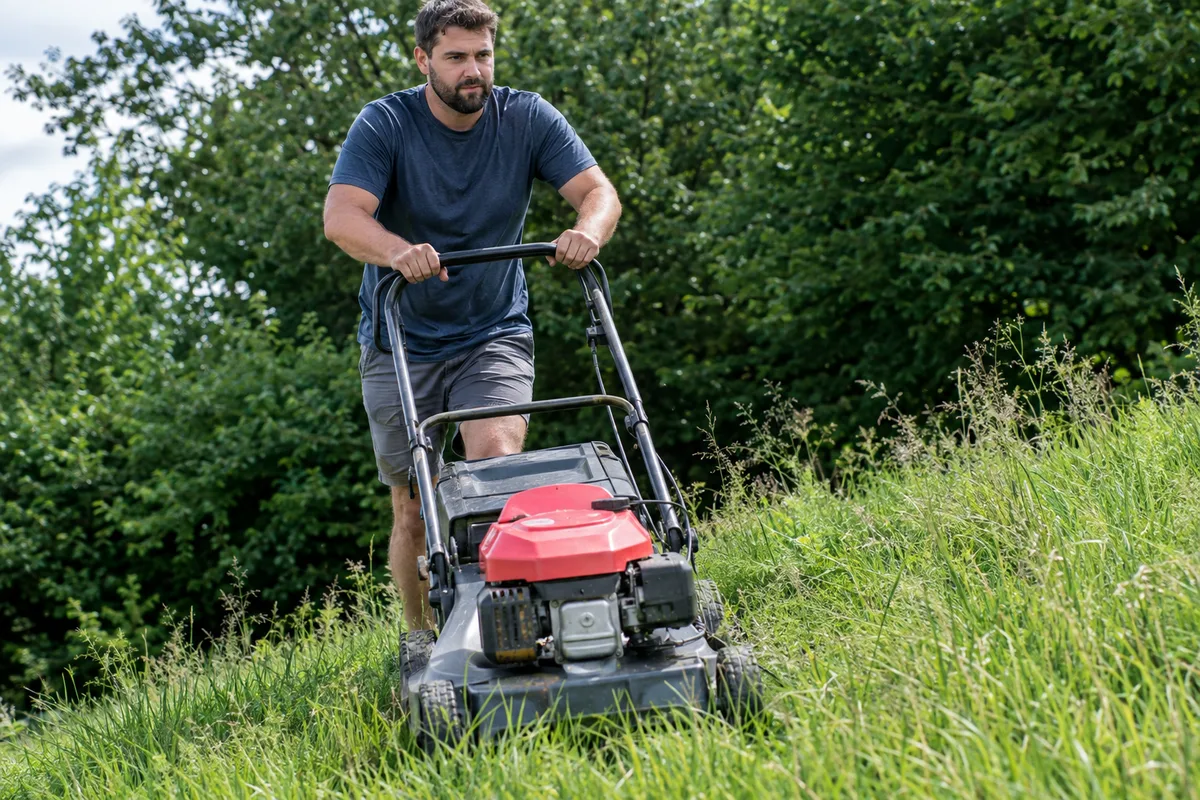
Slopes may increase the effort, particularly when pushing uphill. Tight corners, trees and garden beds can create more stopping, pulling and turning. These details are difficult for a general calorie calculator to capture, so its result should be treated as an estimate.
- Long or damp grass
- Sloping or uneven ground
- Frequent turns and narrow spaces
- Repeated stopping and restarting
- A heavy grass collector
How to estimate your calorie burn
Start by recording only the time you were actively mowing. Leave out long pauses for clearing the area, talking or doing another task unless you log those activities separately. Then choose the closest mowing description in your usual activity tracker or calculator.
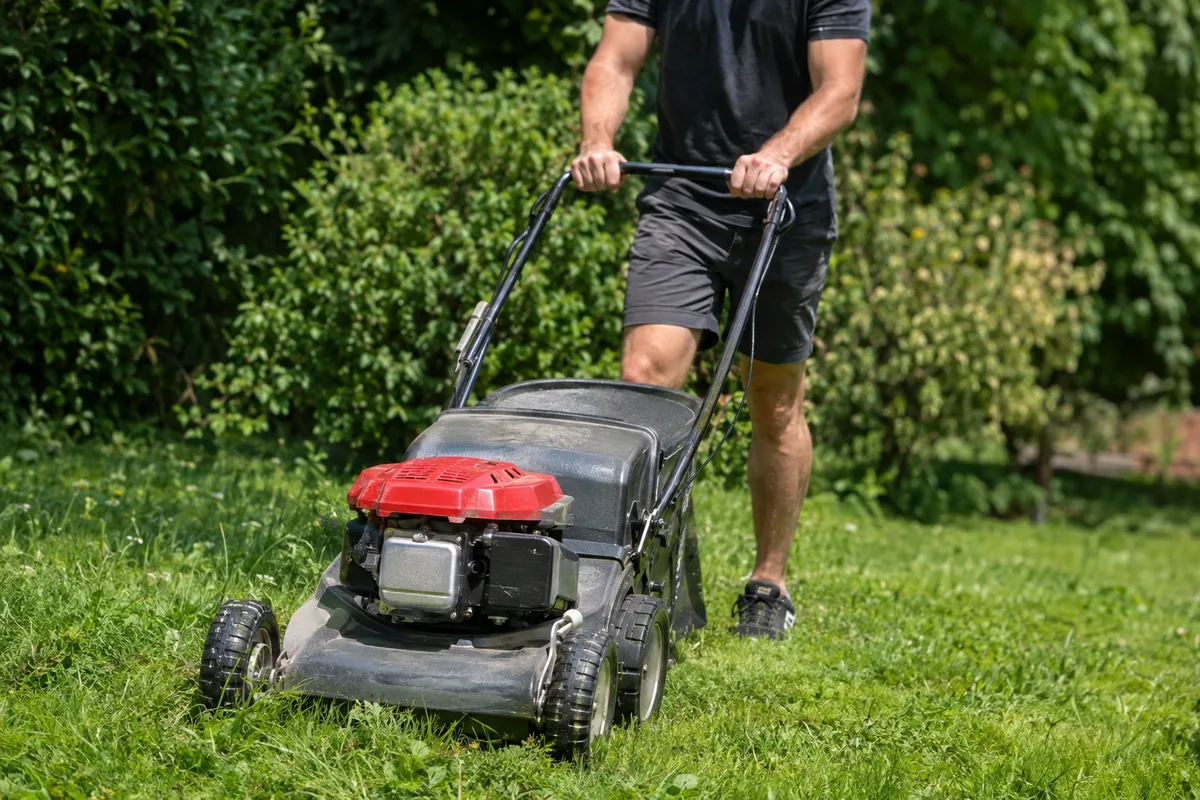
Enter your own body details where the calculator requests them. If there are several mowing options, use the one that best matches your mower and effort. Keep using the same method over time, because a consistent estimate is more useful for comparing sessions than switching between generous and cautious calculations.
- Note your active mowing time
- Choose the closest mower or intensity category
- Use your current personal details
- Separate mowing from lifting, raking or carrying if possible
- Record the result as an estimate, not an exact measurement
Avoid counting the same activity twice
Some tracking systems already include movement detected during the day. Adding a separate mowing entry may therefore count some of the same activity again. Check how your tracker handles recorded exercise before including it in your daily total.
It is also easy to combine the whole gardening session under mowing even when much of it involved standing or resting. A cleaner approach is to log the main active parts separately or record only the continuous mowing period. This keeps your activity record closer to what happened.
- Check whether automatic activity is already included
- Do not log mowing twice under different names
- Exclude extended breaks
- Separate raking, carrying and digging when they form a substantial part of the session
Using the estimate with your food log
An estimated activity burn does not have the same precision as the foods and portions you record. Mower type, terrain and effort can create a wide range, even when two sessions last the same amount of time. Treat the figure as a helpful guide rather than an exact allowance.
If you use activity calories when planning your intake, take a consistent and cautious approach. Your appetite may not match the number shown by a tracker, and household tasks can be difficult to measure accurately. Review patterns across several weeks rather than making a large adjustment after one lawn-mowing session.
- Keep food and activity entries separate
- Use the same estimation method each time
- Add notes about slopes, long grass or frequent breaks
- Look at longer-term patterns rather than one session