
How Many Calories Does Walking Burn?
Walking uses energy, but there is no single calorie figure that applies to every walk or every person. This guide explains what changes the estimate, how tracking tools calculate it and how to log walking consistently.
Why there is no single answer
The calories burned during a walk depend on the person, the route and the effort involved. A short, gentle walk uses less energy than a longer walk at a purposeful pace. Even when two walks cover the same distance, they may not require the same amount of work.
Your body also uses energy while resting, so calorie estimates may be shown in two different ways. Total calories include the energy you would have used during that time anyway, while active calories aim to show only the extra energy used for walking. Check which figure your tracking method gives before adding it to your food diary.
- Body size and composition
- Time spent walking
- Walking speed and effort
- Hills, steps and surface
- Whether the estimate shows active or total calories
The main factors that change the estimate
Moving a larger body generally requires more energy, so body weight is often part of a walking calculation. Pace matters too, although speed alone does not tell the whole story. A walk can feel harder because of hills, soft ground, wind or a load being carried.
Walking technique and current fitness can also affect effort. Someone who is accustomed to a route may complete it more efficiently than someone finding it demanding. The difference is difficult to measure precisely outside a specialist setting, which is why everyday calorie figures remain estimates.
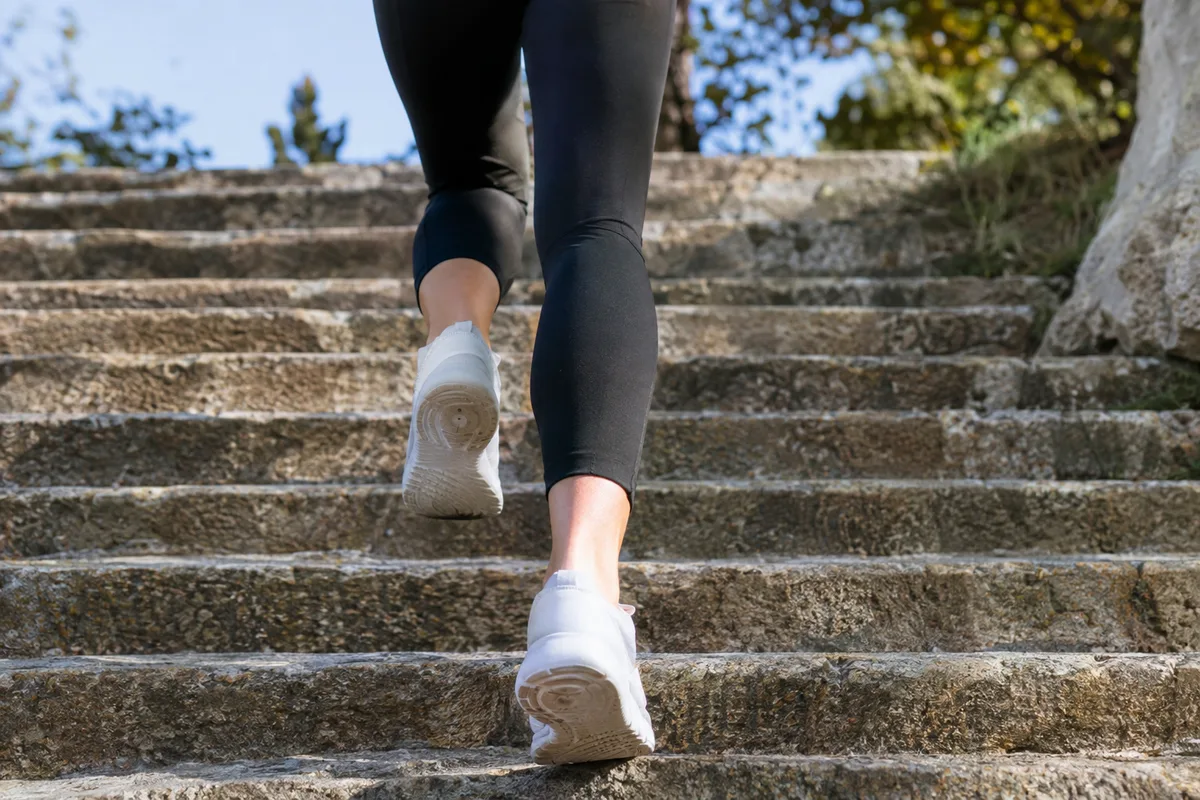
- A steady climb usually needs more effort than level ground
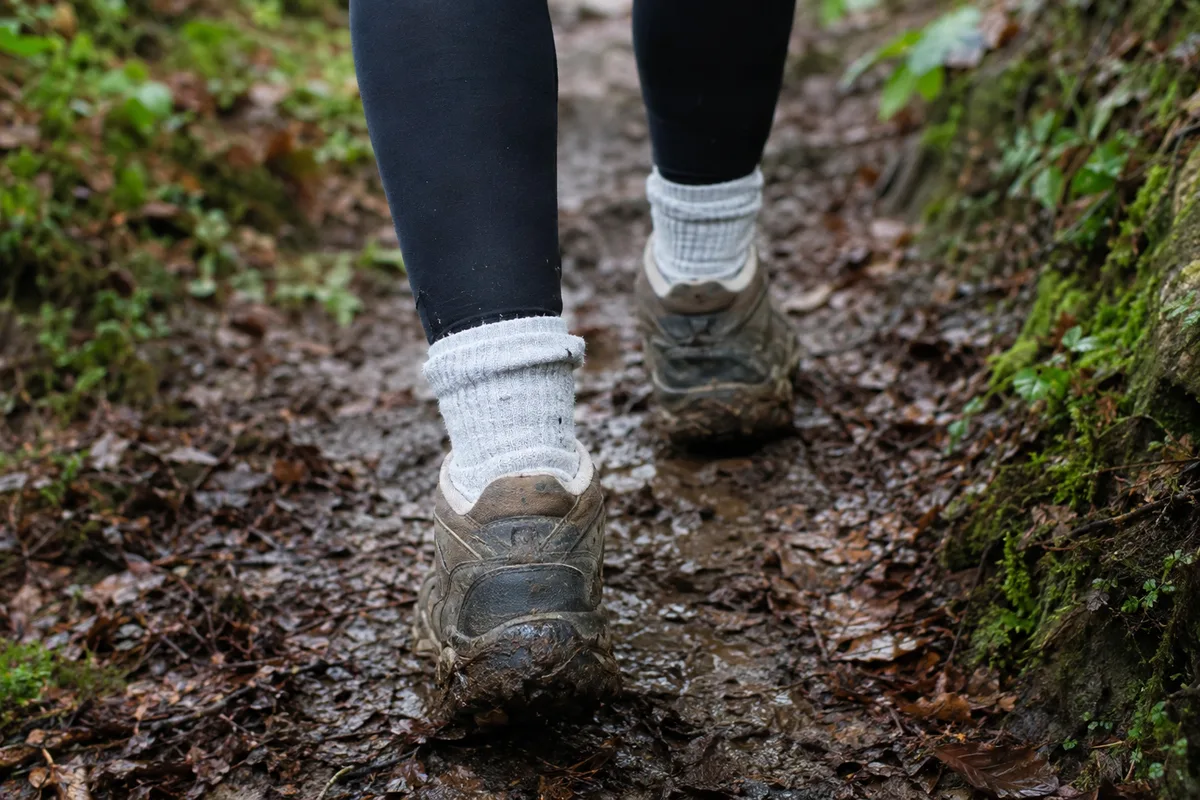
- Sand, mud and uneven trails can increase the work involved
- A brisk pace usually requires more energy per minute than a relaxed stroll
- Carrying bags or a backpack can make the same route more demanding
How calorie estimates are calculated
Most calculators combine your body details with either walking time, distance or speed. Some tracking tools also use movement and heart-rate information, then apply their own calculation. Because the methods differ, two tools can give different answers for the same walk.
Treat the result as a practical guide rather than a direct measurement. Make sure your height, weight and other requested details are current, and choose the activity description that best matches the walk. Avoid selecting a faster pace simply because part of the route felt difficult.
- Enter current personal details where requested
- Record the full walking time rather than the total time away from home
- Use moving time if the route included long stops
- Choose level, hilly or mixed terrain accurately
- Use the same calculation method when comparing walks
Time, distance and pace tell different stories
Time shows how long you were moving, while distance shows how much ground you covered. Pace links the two, but it does not fully describe effort. A slow uphill walk may require more work than a quicker walk on smooth, level ground.
For repeat routes, compare more than the calorie total. Note the route, moving time and how hard the walk felt in plain terms such as easy, steady or hard. This context helps explain why an estimate changes from one day to another.
- Easy: comfortable movement with little sense of effort
- Steady: purposeful walking that still feels controlled
- Hard: a demanding pace or route that is difficult to maintain
- Mixed: a walk with clear changes in speed, slope or surface
How to add walking to your calorie diary
Decide first whether your daily calorie target already assumes a typical amount of movement. If it does, adding every routine walk as extra activity may count some movement twice. This is particularly relevant for regular commuting, errands and walking around during the day.
If you choose to log walking separately, use active calories when that option is available. Record only the purposeful activity that sits outside the movement already included in your usual target. Keep the approach consistent instead of switching between total and active figures.
- Check what your daily activity setting already includes
- Separate purposeful walks from ordinary daily movement
- Use active calories rather than total calories where possible
- Avoid logging the same walk through more than one source
- Apply the same rule each week
Use the number as an estimate, not a food allowance
A walking calorie figure is not precise enough to treat as an automatic amount to eat back. Tracking tools can overestimate or underestimate energy use, and the difference depends on the person and the calculation method. If you adjust your food log for activity, a cautious and consistent approach is easier to review.
Look at patterns across several walks rather than reacting to one result. Changes in route, weather, pace and stopping time can all affect the estimate. Your records are most useful when they help you compare like with like and understand how walking fits into your overall routine.
- Use one main source for walking estimates
- Keep similar walks labelled in the same way
- Review trends rather than isolated figures
- Update personal details when they change