
How Many Calories Do You Need to Lose Weight?
There is no single calorie target that suits everyone who wants to lose weight. A useful target starts with your usual energy needs and creates a manageable gap between what you consume and use.
Start with your maintenance needs
Weight loss generally happens when you consume less energy than your body uses over time. The number of calories that keeps your weight broadly stable is often called your maintenance level, and it depends on factors such as body size, age, sex and activity.

Because you already track your food, look at your average intake alongside your weight trend over several weeks. If your weight is fairly steady, that average can provide a practical estimate of your current maintenance needs, although both food logs and body weight naturally vary from day to day.
Choose a manageable calorie gap
To encourage weight loss, set your daily target below your estimated maintenance level. The size of that reduction depends on the person, so avoid treating someone else's target as a rule for you.

A smaller gap may feel easier to maintain but usually produces a slower change, while a larger gap can make hunger, low energy and poor concentration harder to manage. Your target should still leave room for regular, balanced meals and enough food to support everyday activity.
Judge the trend, not one day
Daily scale readings can move up or down because of hydration, meal timing, salt intake and the amount of food still being digested. Review the general trend across several weeks rather than changing your calorie target after one unusual reading.
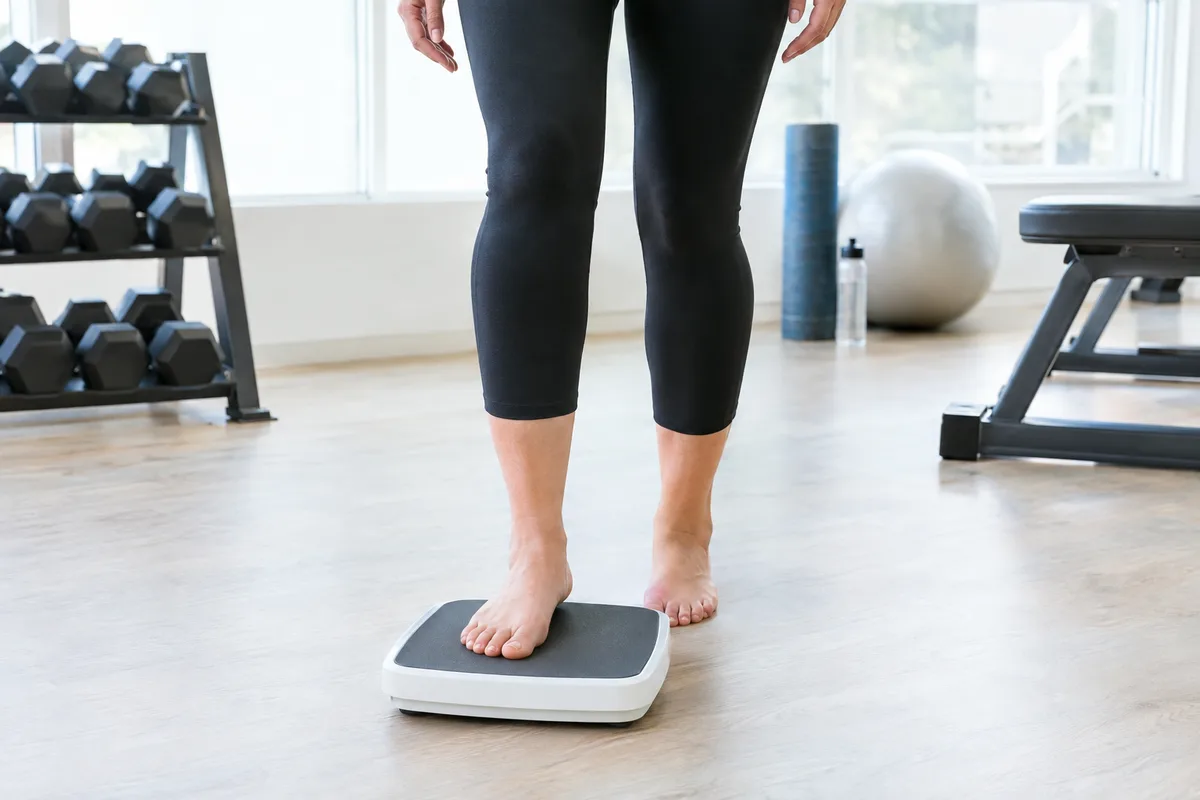
Compare your weight trend with your average logged intake, not with a single day that happened to be higher or lower. If the trend is not moving as intended, check portions, forgotten extras and activity changes before making a modest adjustment.
Make the target work in real life
Calories describe energy, but foods with the same calorie value can feel very different to eat. Build meals around sources of protein and fibre, include a range of foods, and notice which choices help you stay satisfied within your target.
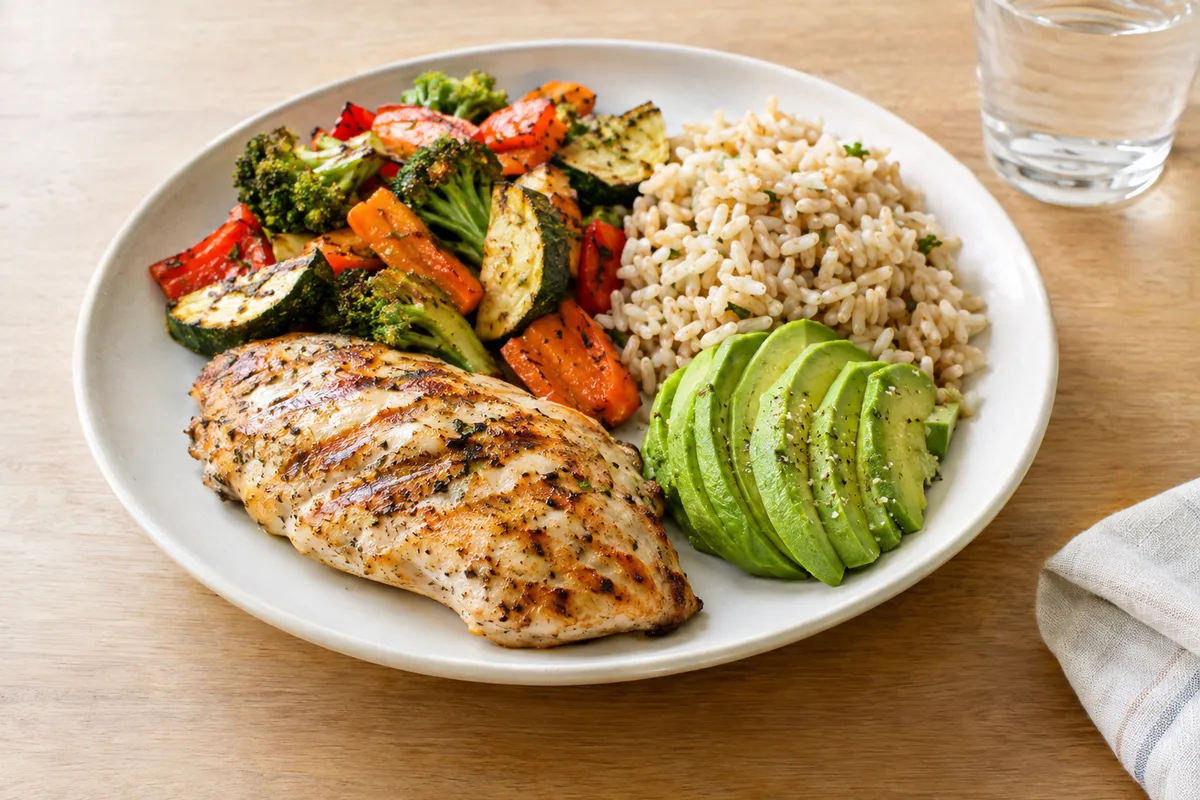
Treat the number as a working estimate rather than a rigid limit. Review it as your weight, routine or activity changes, and seek guidance from a qualified health professional if your target leaves you persistently hungry, tired or preoccupied with food.