
How Much Water Weight Can You Lose in a Week?
A weekly change on the scale may include water, stored carbohydrate, food in the digestive system and body tissue. This guide explains why water weight shifts, how to read your food log and why trying to force fluid loss is unhelpful.
There is no single number of pounds
The amount of water weight you might lose in a week depends on your starting point, recent meals, activity, menstrual cycle and normal day-to-day variation. Someone retaining more fluid may see a larger initial change than someone whose fluid balance is already steady. That makes a fixed estimate misleading.
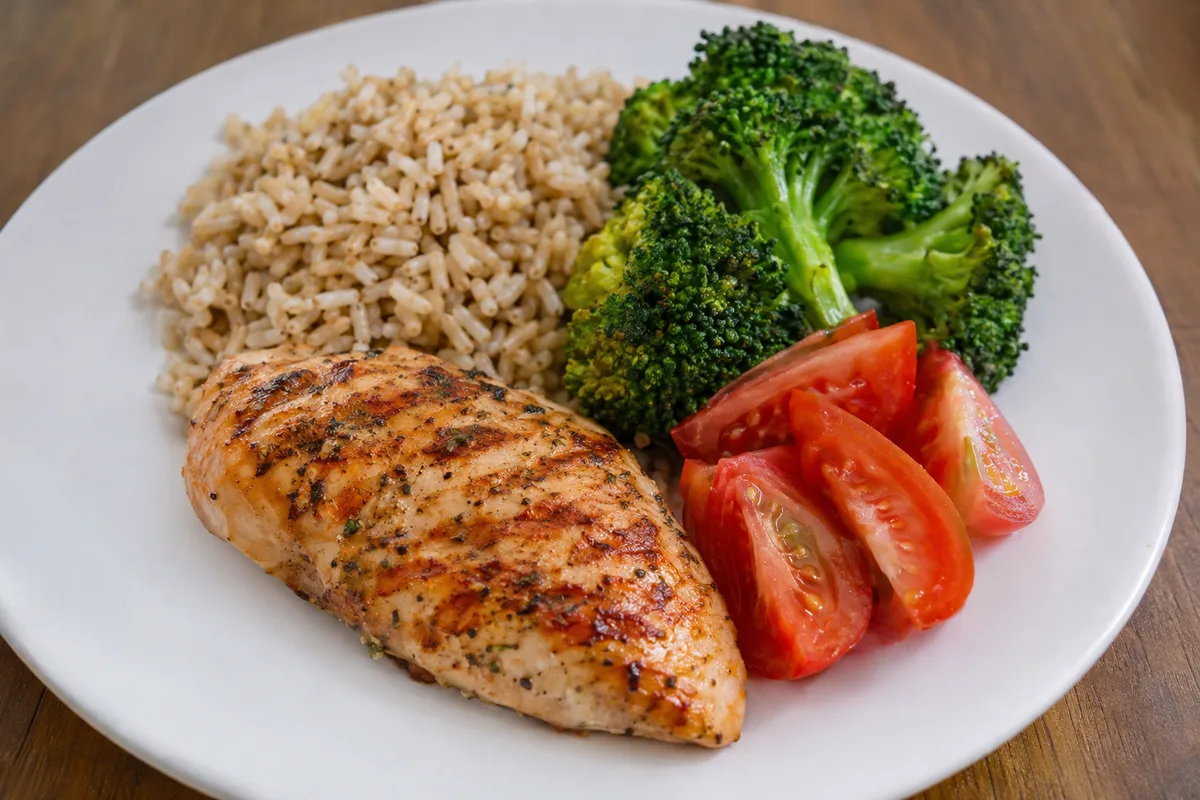
A quick drop on the scale does not mean the same amount of body fat has been lost. Water can leave and return as eating, drinking and activity patterns change. A more stable trend over several weeks gives you better information than one weekly result.
- Treat a sudden drop as a change in total body weight, not automatically as fat loss
- Compare several weeks rather than judging one isolated weigh-in
- Expect the number to move in both directions
- Remember that your personal range cannot be predicted from someone else's result
Why water weight changes
Your body continually adjusts how much water it holds. Salt intake, carbohydrate intake, drinking patterns, physical activity and hormonal changes can all affect that balance. Food and drink still passing through your digestive system also add to scale weight.

A salty meal may be followed by a temporary rise because the body retains more water. A change in carbohydrate intake can also affect water stored alongside carbohydrate in the body. These shifts are normal and do not show that fat was gained or lost overnight.
- Meals containing more or less salt than usual
- A change in carbohydrate portions
- Menstrual cycle changes
- Harder or longer activity than usual
- Different amounts of food and drink in the digestive system
Use your food log to add context
Because you already track what you eat, look for changes from your usual pattern rather than labelling individual foods as good or bad. Note days when meals were saltier, carbohydrate portions changed or eating times were unusual. This can help explain a short-term movement without turning every fluctuation into a problem.
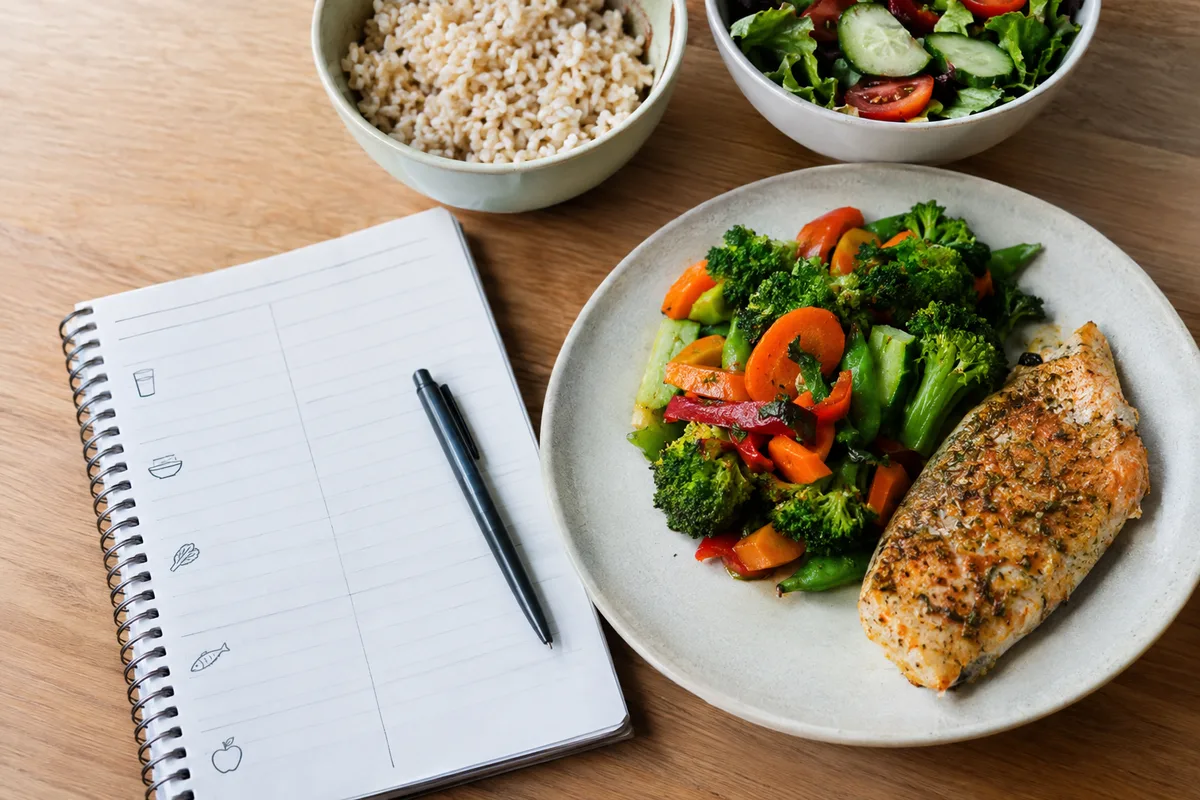
Keep the detail practical and consistent. Restaurant meals, sauces, cured foods and packaged snacks can contain more salt than a similar meal prepared differently, while bread, rice, pasta, potatoes and fruit contribute carbohydrate. None of these foods needs to be removed simply because water weight changed.
- Mark meals that were noticeably saltier than normal
- Record major changes in carbohydrate portions
- Note unusually late or large meals
- Add relevant context such as travel, menstrual cycle or strenuous activity
- Review the pattern alongside several weigh-ins
Separate water changes from fat-loss progress
Body fat changes through an energy imbalance over time, while water can shift much faster. This means a lower reading after a few days may partly reflect fluid, just as a higher reading may hide ongoing fat loss. The scale cannot separate these parts for you.

Use the same general weighing routine if you want a clearer comparison. Similar timing and similar conditions reduce some of the noise, although they cannot remove it completely. Focus on the direction of the longer trend rather than trying to interpret every small movement.
- Compare readings taken under similar conditions
- Look at a rolling pattern rather than one day's number
- Keep food tracking consistent enough to spot genuine changes
- Avoid changing your plan in response to a single rise or fall
Do not try to force water loss
Deliberately drinking too little, sweating excessively or cutting broad food groups can make the scale fall temporarily, but it does not represent dependable fat loss. The weight may return when normal drinking and eating resume. These methods can also leave you feeling weak, thirsty, dizzy or unable to concentrate.
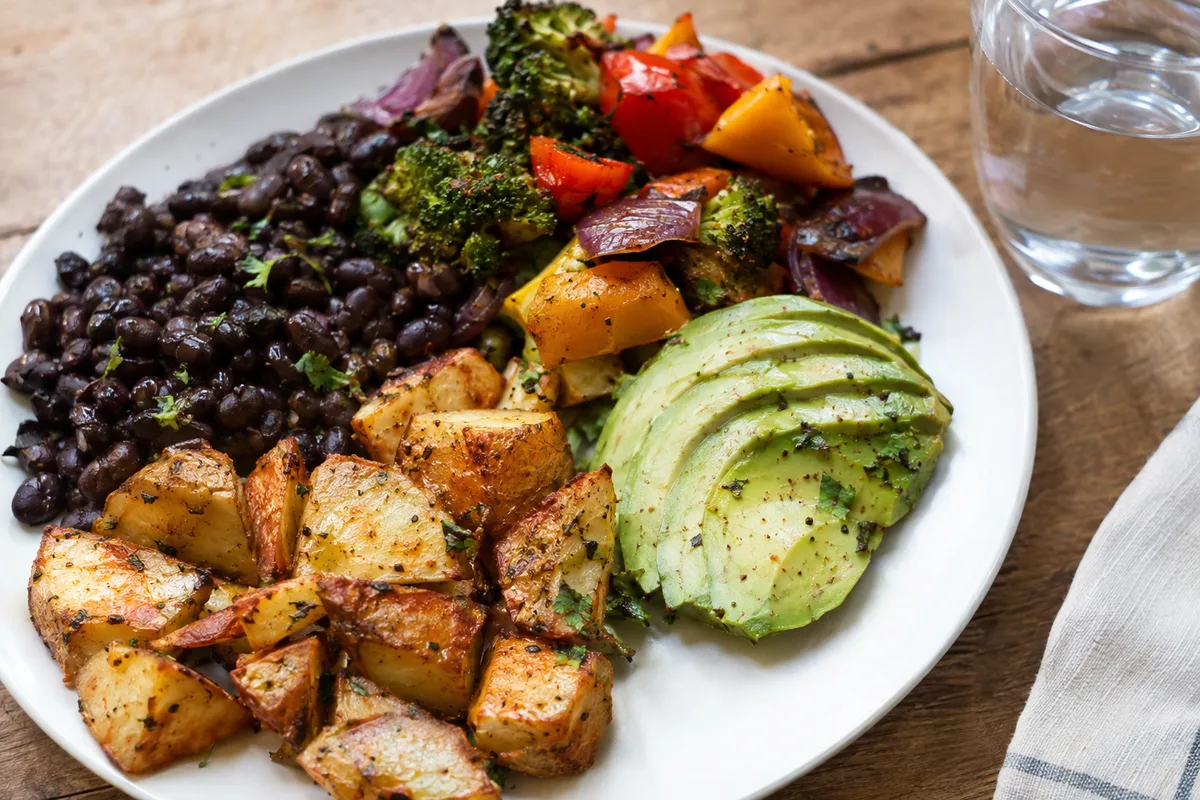
Drink according to thirst and your circumstances, with extra attention during heat or sustained activity. Keep meals balanced rather than using severe restrictions to chase a short-lived number. If fluid changes are sudden, persistent or accompanied by concerning symptoms, seek advice from a qualified healthcare professional.
- Do not restrict drinks to create a lower weigh-in
- Do not use excessive exercise or heat to sweat out weight
- Do not remove whole food groups solely to reduce water
- Return to regular meals and drinking after an unusual day
What to take from one week
A week can show a change, but it cannot reliably tell you how many pounds were water. The number depends on your body and what happened before and during that week. Even careful food tracking cannot divide a scale result neatly into water, digestive contents and body tissue.
Use the week as one part of a longer record. Add brief notes about meals, activity and relevant routine changes, then look for a pattern across time. If your habits are steady but your weight is moving sharply or you feel unwell, professional guidance is more useful than guessing.
- Record the weekly result without assigning all of it to fat or water
- Check whether the week differed from your normal routine
- Continue tracking before drawing a conclusion
- Judge progress from the longer pattern