
How to Work Out How Many Calories You Eat Each Day
Your daily calorie intake is the total energy in everything you eat and drink. This guide explains how to find that number, improve your food log and make sense of the result.
What your daily calorie intake means
Calories describe the energy supplied by food and drink. Your daily intake is the sum of every meal, snack and drink you have from the start of your day to the end. If you already track your food, the total shown in your diary is your recorded daily intake.
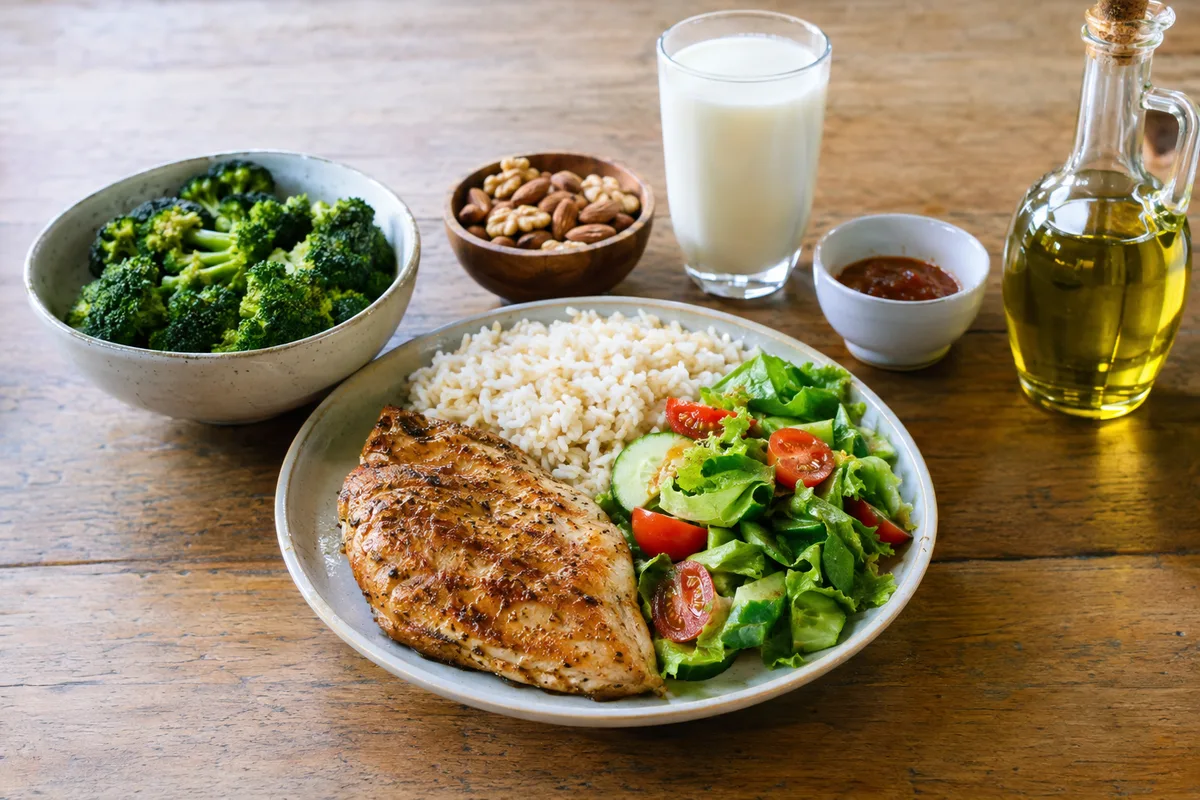
Recorded intake and actual intake are not always identical. Forgotten drinks, cooking oil, sauces and small bites can leave the diary total lower than the amount consumed. The aim is not perfect accounting, but a log that is complete and consistent enough to be useful.
- Meals, including side dishes
- Snacks and small bites
- Drinks that contain energy
- Sauces, dressings and spreads
- Oils and fats used in cooking
How to find your number
Start by checking the daily total in your food diary. If your tracker does not add entries automatically, add the calories listed for each food and drink. Keep foods under the day on which you consumed them, even if a meal happened later than usual.
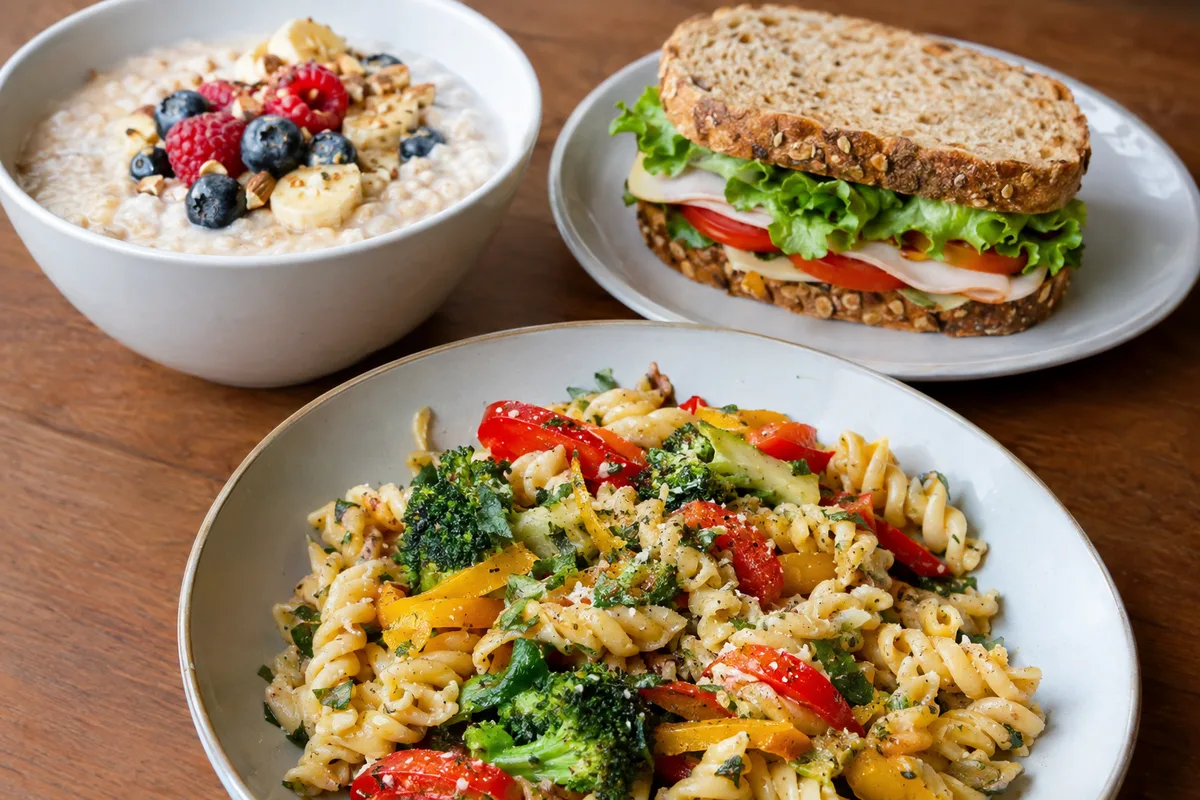
Look at several typical days rather than choosing only your most organised day. Include days with different routines, such as days at work, days at home and social occasions. Your intake will probably vary, so a range or an average can describe your usual pattern better than one isolated total.
- Finish logging the full day before reviewing it
- Check that each meal and snack appears once
- Include the serving amount used for every entry
- Compare several ordinary days
- Note unusual events that changed your routine
Check portions and food entries
A calorie value only matches your meal when the selected food and portion are reasonably accurate. Similar foods can differ because of ingredients, preparation and serving size. Choose the entry that most closely describes what you actually ate rather than the first search result.

Pack labels usually give energy for a stated amount or serving. Compare that amount with the portion you consumed, and adjust the entry if they differ. For meals made at home, logging the main ingredients can be more accurate than choosing a generic entry for the finished dish.
- Check whether the entry is for cooked or uncooked food
- Match the flavour, fat level or preparation method where relevant
- Count the number of servings actually eaten
- Include toppings and ingredients added at the table
- Save regularly repeated meals with the same recipe
Look for calories that are easy to miss
Some additions are easy to overlook because they do not feel like a separate food. Oil in a frying pan, dressing on a salad and milk in repeated drinks still contribute to the day. Logging these items helps explain a total that otherwise seems unexpectedly low.

Small tastes can also add up across the day, although the amount depends on what and how much you had. This includes finishing leftovers, sampling food while cooking and taking bites from someone else's plate. You do not need to judge these choices; simply record them as closely as you can.
- Cooking oil, butter or other fats
- Milk, sugar or syrup in drinks
- Dressings, dips and condiments
- Toppings such as cheese, seeds or cream
- Tastes, leftovers and shared bites
Why the total changes from day to day
Eating exactly the same number of calories every day is uncommon. Appetite, routine, meal timing, available food and social plans can all alter your intake. A higher or lower day is information about the pattern, not a verdict on how well you ate.

It can help to read the calorie total alongside your diary notes. A change may make sense when you remember that you skipped a meal, ate out, exercised, travelled or stayed awake later. The number becomes more useful when it is connected to what happened that day.
- Changes in work or home routine
- Different levels of hunger
- Meals eaten away from home
- Social occasions and shared food
- Changes in movement, sleep or meal timing
How to use your daily total
The amount of energy a person needs depends on factors such as body size, age, movement and personal aims. This means there is no single daily calorie number that suits everyone. Your current log first tells you what you are eating, which is different from deciding on a target.
Review the pattern calmly and make one practical adjustment at a time if you want to change it. You might log missed extras, alter a regular portion or choose a meal that keeps you satisfied for longer. Continue tracking in the same way so that any comparison is based on consistent information.
- Use your usual pattern as a starting point
- Separate logging accuracy from food choices
- Focus on repeated habits rather than one unusual day
- Make changes that fit your appetite and routine
- Review the pattern again after more typical days