
How to Build a Low-Carb Shopping List
A low-carb shopping list can make food tracking simpler by putting your usual choices in one clear plan. The right foods and carbohydrate target depend on your preferences, routine and overall eating pattern.
Start with your own carbohydrate target
There is no single definition of low carb that suits everyone. Use the carbohydrate goal in your tracker as your guide, then plan enough meals and snacks to cover the days ahead.
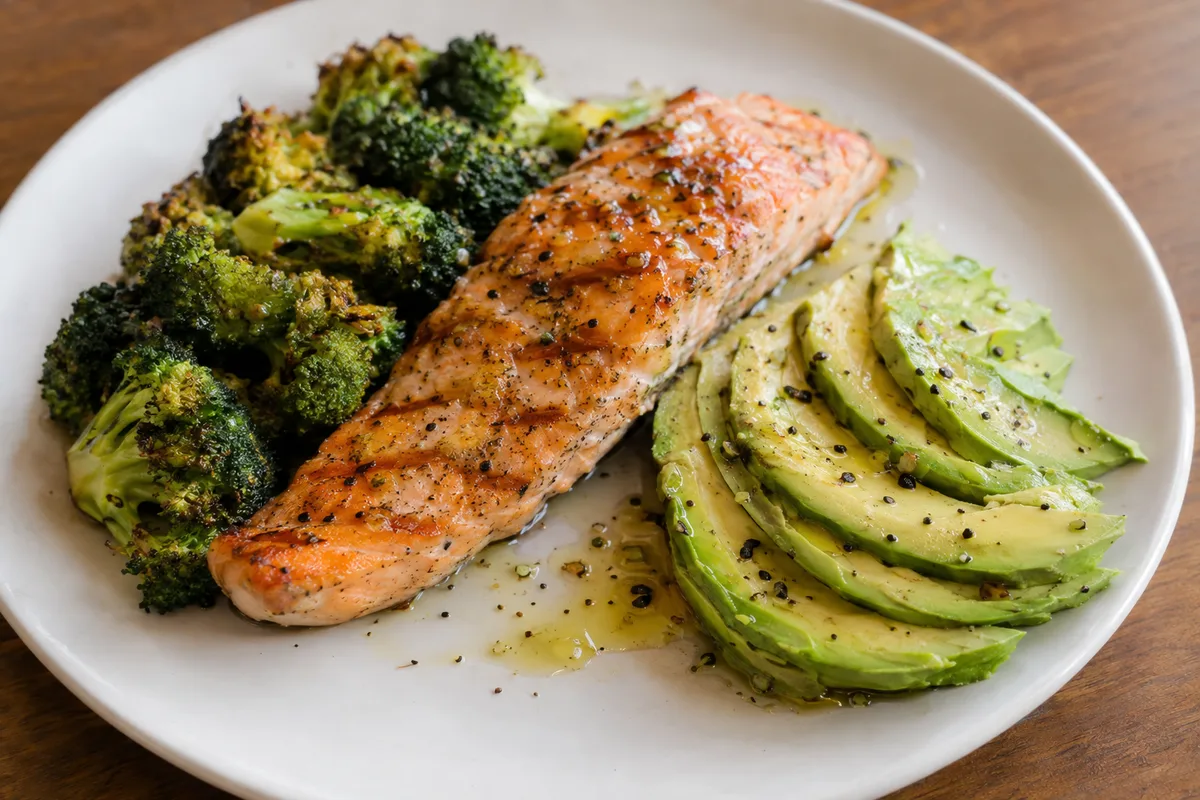
Review recent entries to spot the foods that contribute most of your carbohydrates. Decide which ones you want to keep, serve differently or swap, rather than removing whole categories without a plan.
Build the list around versatile basics
For protein choices, consider eggs, fish, poultry, meat, tofu, tempeh and plain yoghurt. Pick options that work across several meals so that the list stays practical and leftovers are easier to use.
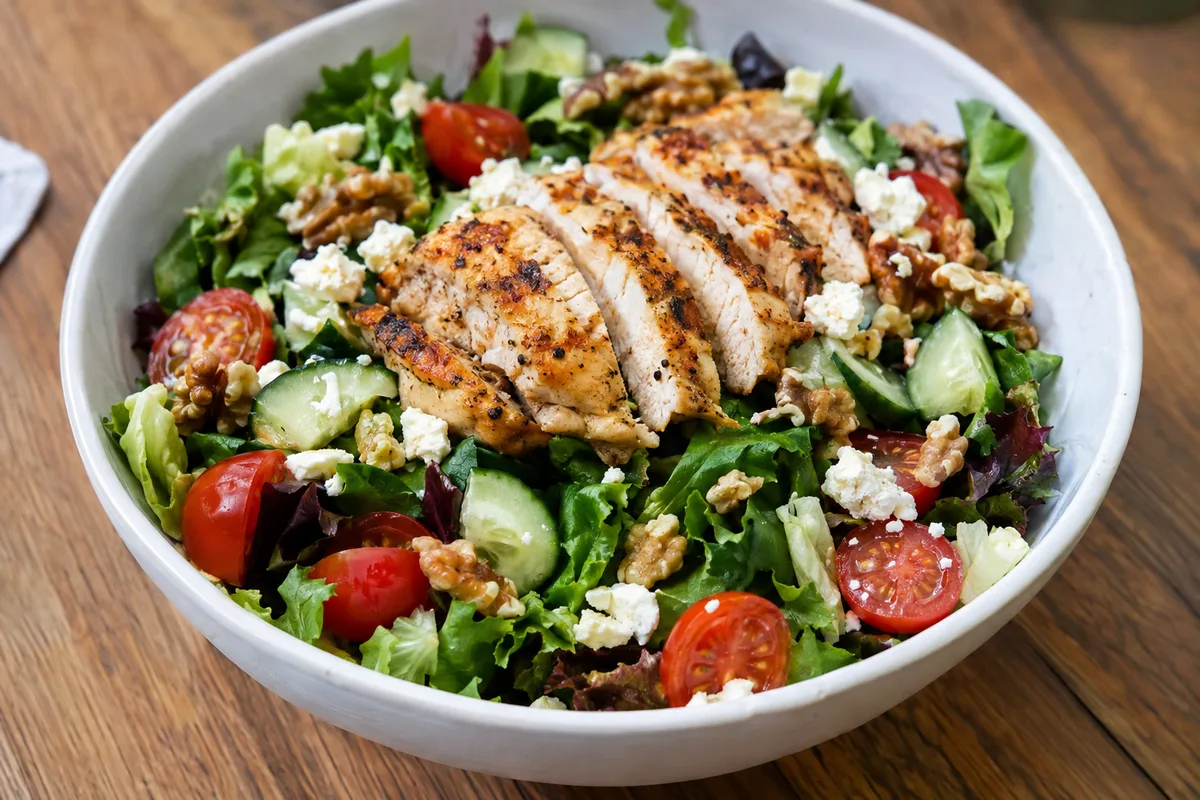
Add lower-carbohydrate vegetables such as leafy greens, mushrooms, courgettes, peppers, cauliflower, broccoli and cucumber. Nuts, seeds, cheese, olives, avocado and cooking oils can add flavour and fat, while fruit and higher-carbohydrate foods can be included in portions that fit your target.
Check labels rather than relying on claims
Front-of-pack phrases do not always tell you how a food will fit your day. Check the nutrition panel for carbohydrate per serving or per 100 grams, and compare the stated serving with the amount you normally log.
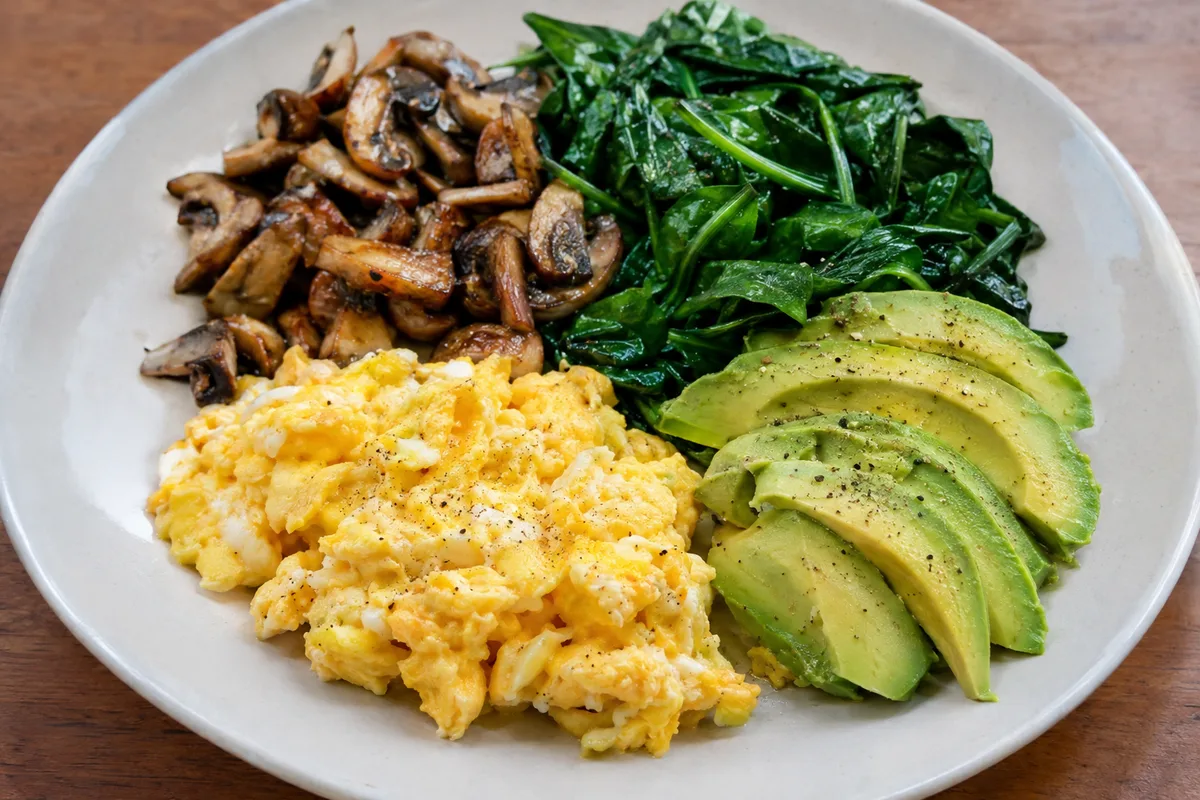
Also look at fibre, protein, fat and salt so that carbohydrate is not the only factor guiding your shop. Ingredients can help you understand what the product contains, but the nutrition panel is usually the clearest place to compare similar items.
Turn the list into complete meals
Group your list by meal ideas rather than collecting isolated low-carb foods. For example, match a protein choice with vegetables, a cooking ingredient and a flavouring, then log the planned amounts to see how the meal fits.
Keep a short section for flexible extras, such as herbs, spices, sauces and snacks, and check their labels where needed. Before shopping, compare the list with your cupboards and tracker so you buy foods you are likely to use and can adjust quantities to your own routine.