
How to choose wine with less sugar and fewer calories
Low-sugar wine is not automatically low in calories because alcohol also supplies energy. This guide explains what to check, how to compare wines and how to log a serving more accurately.
Low sugar and low calorie are not the same
Wine gets calories mainly from alcohol and any sugar left after fermentation. A dry wine may contain little residual sugar but can still provide considerable energy from its alcohol. This means the driest option is not always the lowest-calorie option.
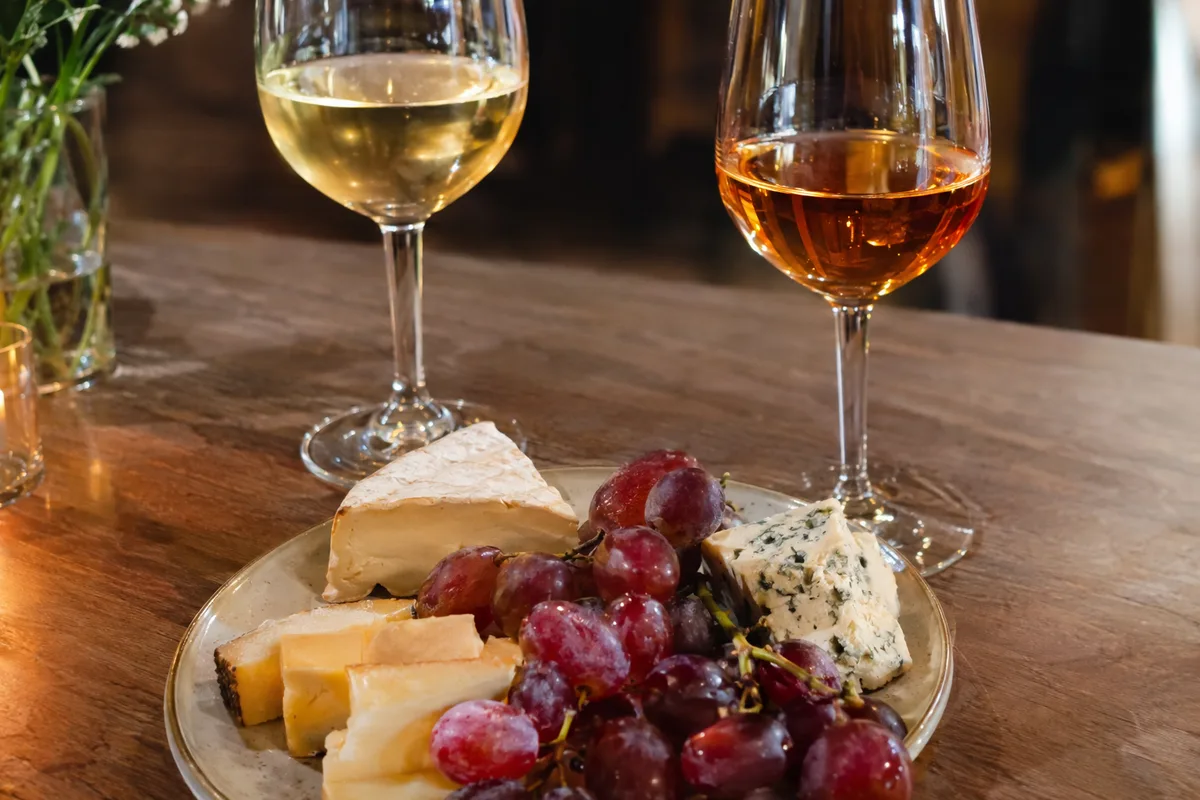
Sweetness describes how a wine tastes, while calories describe the total energy in the serving. Acidity, fruit flavours and temperature can also affect how sweet a wine seems. Taste alone therefore cannot tell you exactly how much sugar or energy a glass contains.
- Residual sugar contributes to the total calories.
- Alcohol can contribute more energy than the remaining sugar.
- A larger serving contains more of both.
- Lower sugar only reduces one source of energy.
Start with alcohol strength
The alcohol by volume, shown as ABV, is usually easier to find than the sugar content. When comparing similar serving sizes, a wine with a lower ABV will generally contain less energy from alcohol. This is useful when exact calorie information is missing.
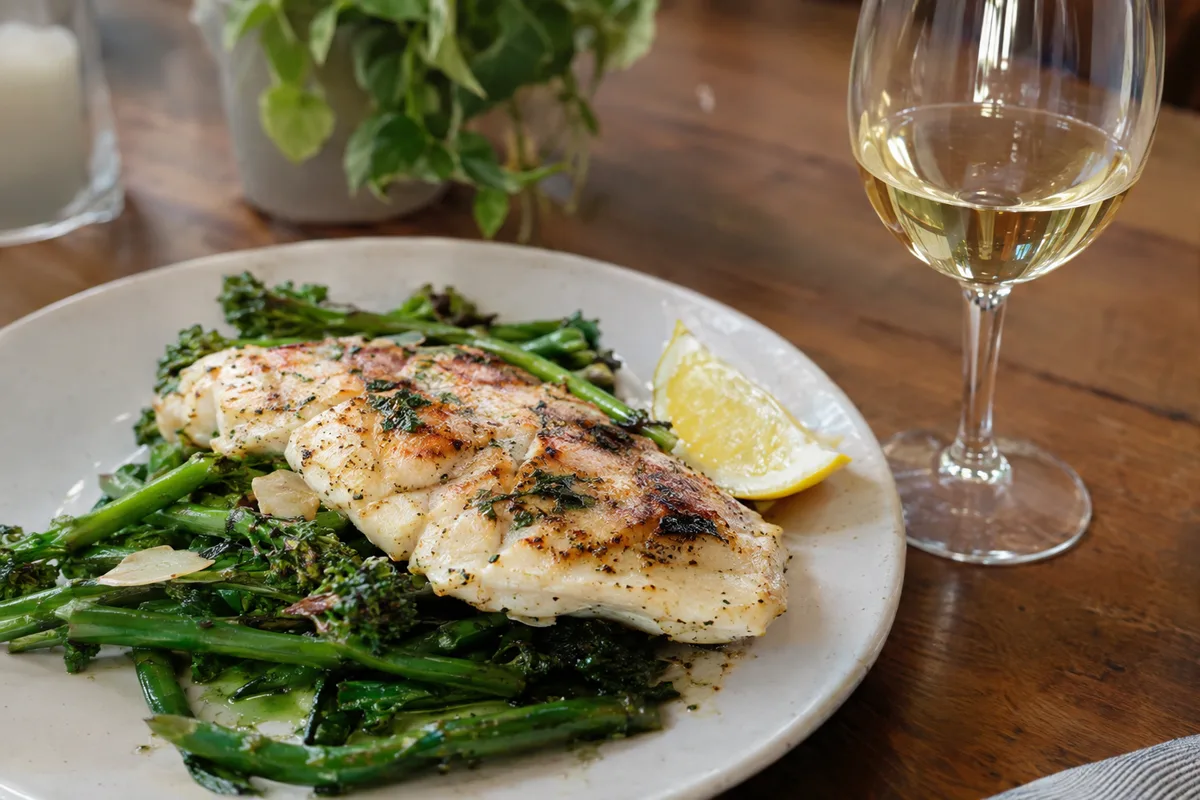
Compare like with like rather than judging by the bottle alone. A modest serving of a stronger wine may differ from a larger serving of a lighter wine. Your tracked total depends on both the wine's strength and the amount poured.
- Check the ABV on the label or menu.
- Compare wines using the same serving size.
- Notice whether your tracker assumes a different ABV.
- Update the serving amount when your pour changes.
Use style words as clues, not guarantees
Words such as dry, off-dry and sweet can offer a broad clue about residual sugar. Dry usually means that relatively little sugar remains after fermentation, while sweeter styles retain more. However, production methods and labelling terms vary, so these words do not provide an exact number.
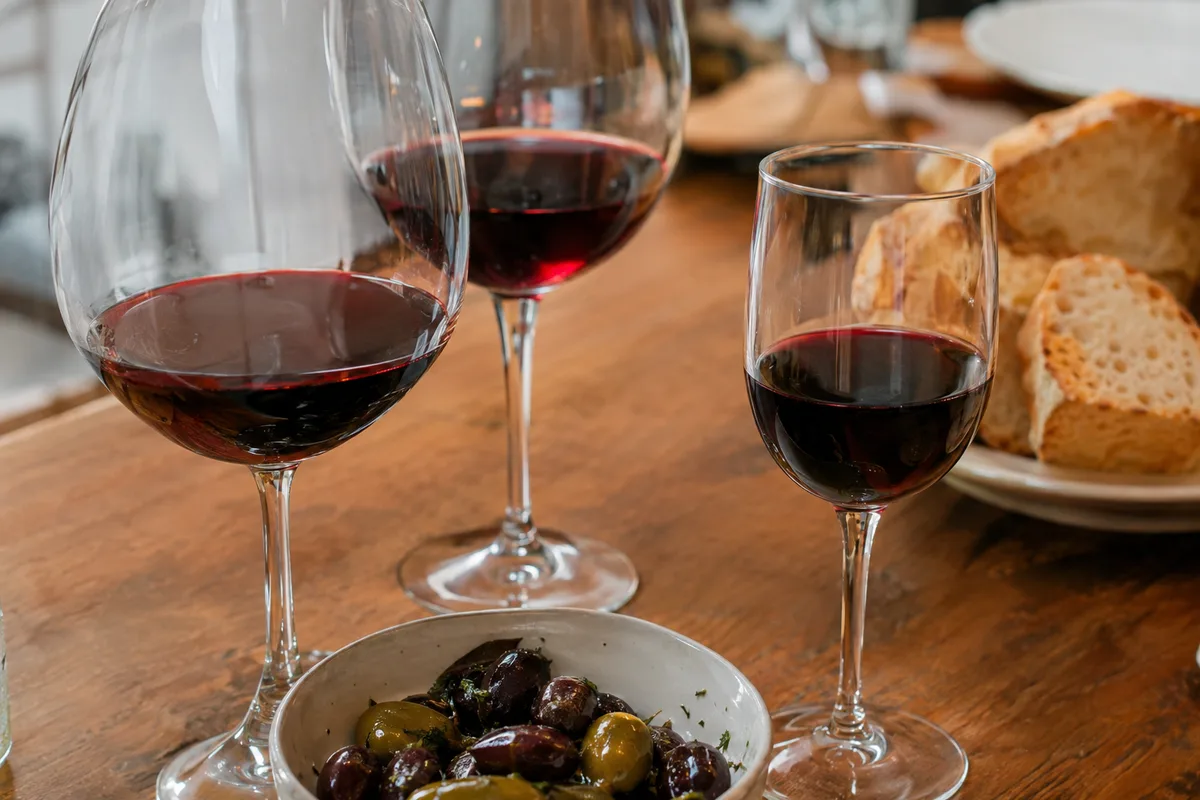
Some wines taste fruity without containing a large amount of sugar. Others can taste balanced rather than obviously sweet because acidity offsets the sweetness. If accurate sugar information matters to your log, use published nutrition details when they are available instead of relying only on taste.
- Dry wines are generally the first styles to compare.
- Off-dry wines may contain more residual sugar.
- Dessert and other deliberately sweet wines are usually served differently.
- Fruit flavour does not necessarily mean added sugar.
Serving size can change the total quickly
A wine entry in a food diary is only useful when its serving size matches what you drank. Home pours, restaurant glasses and tasting servings can all differ. Rather than choosing a generic glass entry, record the volume when you can do so reasonably.
You do not need to measure every sip for tracking to be useful. Choose a consistent glass, learn roughly where your usual serving reaches and use the same reference in your log. The right quantity depends on your own pour and the information attached to the diary entry.
- Check the volume used by the tracking entry.
- Adjust the number of servings rather than accepting the default.
- Log a refill separately if that is easier to remember.
- Keep the same glass as a visual reference at home.
Compare the full drink, not just the wine
Wine served on its own is simpler to track than a mixed drink. Juice, syrups, sweet fizzy drinks and other additions can contribute extra sugar and energy. A drink described as light or refreshing does not reveal what has been added.
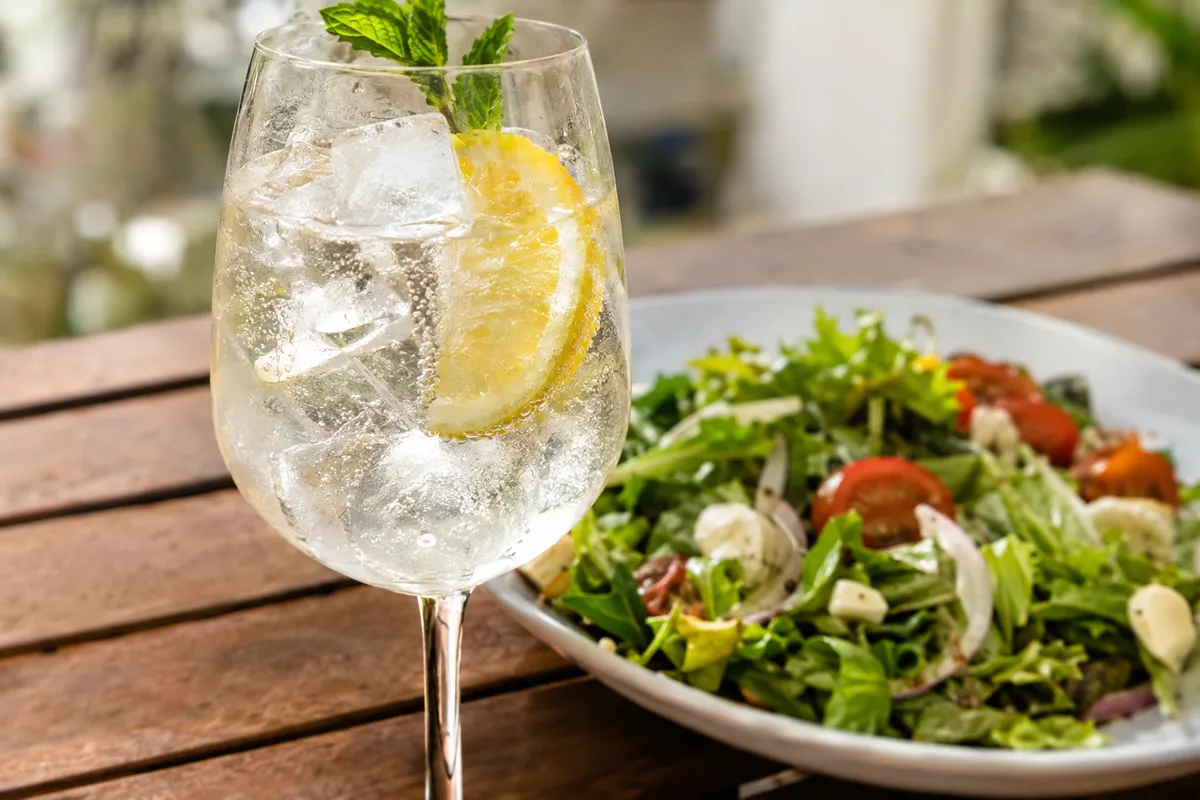
Sparkling water or ice can increase the volume of a wine-based drink without adding sugar. That does not change the energy already present in the wine, but it may help create a longer drink from a smaller pour. Record each calorific ingredient separately when a reliable combined entry is unavailable.
- Wine plus sparkling water
- Wine plus ice and slices of fresh citrus
- Wine mixed with juice
- Wine mixed with sweetened fizzy drinks
- Wine-based drinks containing syrups
Build a reliable tracking routine
Begin with the most specific entry you can find, ideally one that matches the wine style, ABV and serving volume. If the producer provides calorie or sugar information, use it rather than a broad database average. Different wines can vary, so a generic entry is best treated as an estimate.
Consistency matters more than trying to make every entry perfect. Use the same method for similar drinks and correct obvious differences in serving size or alcohol strength. Over time, this gives you a clearer comparison between the wines you usually choose.
If both sugar and calories are priorities, look at ABV, residual sugar and serving size together. A lower-ABV dry wine in a measured serving may fit differently into your log than a stronger dry wine or a sweeter one. The exact total depends on the particular wine and the amount in your glass.
- Match the wine style.
- Check the listed ABV.
- Confirm the serving volume.
- Use producer nutrition information when available.
- Save accurate entries for future use.