
Maple syrup or honey: which is the healthier choice?
Maple syrup and honey differ in flavour, texture and their small amounts of naturally occurring nutrients. For most food trackers, the portion used matters more than choosing one over the other.
The main nutritional difference
Both maple syrup and honey are largely made up of sugars and provide energy without much protein, fat or fibre. Honey is usually thicker and sweeter, while maple syrup contains more water, but exact values vary between products.
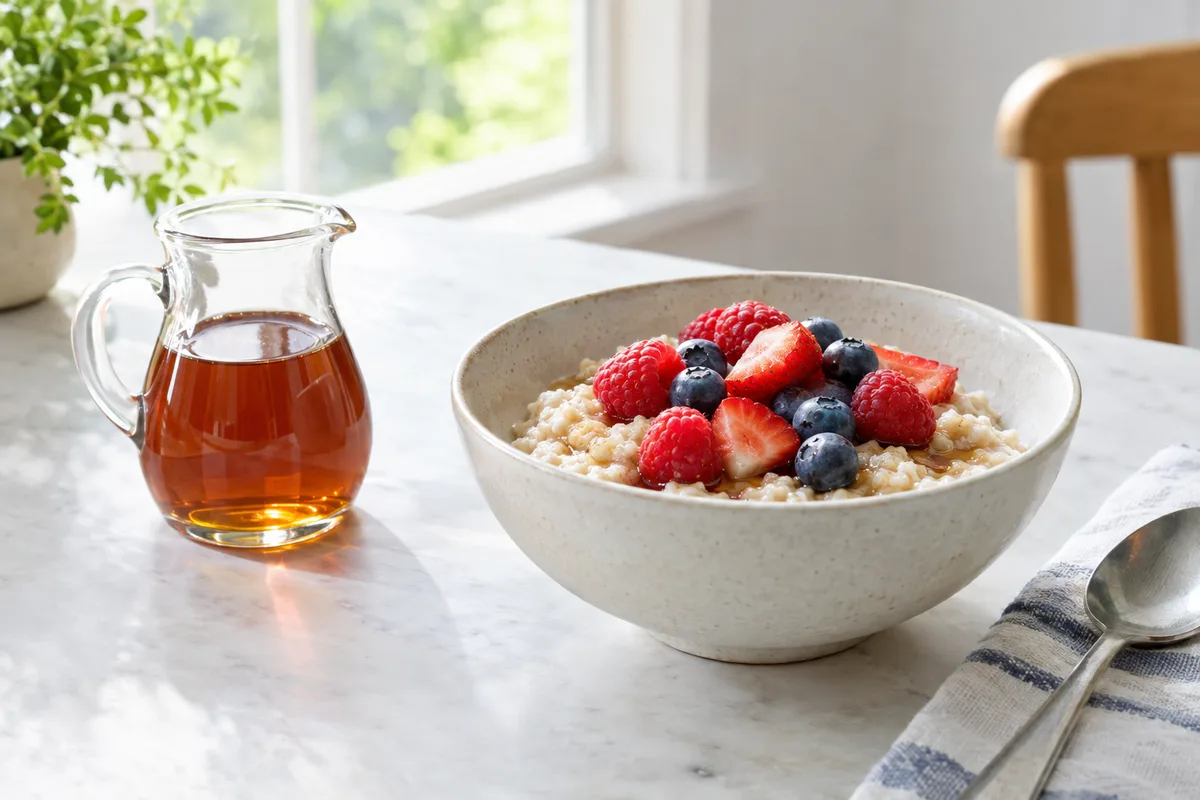
Each contains small amounts of different nutrients: maple syrup can provide some minerals, while honey contains traces of naturally occurring plant compounds. Typical portions are small, so neither should be treated as a major source of vitamins or minerals.
Why portion matters most
It is easy to pour more than expected, particularly when adding syrup or honey straight from the container. Weighing the amount on a kitchen scale or measuring it before serving can make your food log more accurate.
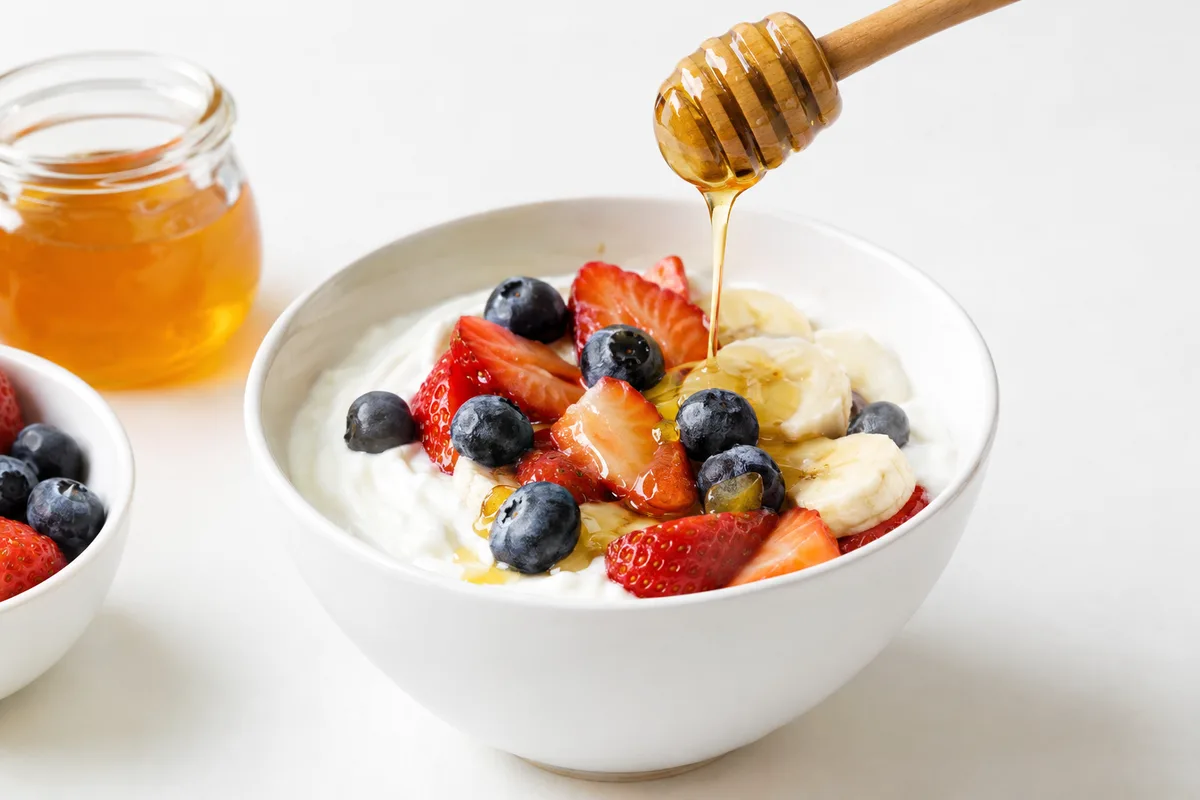
A larger serving of either option is likely to have more impact on your total energy and sugar intake than the modest differences between them. The right amount depends on your eating pattern, preferences and personal goals.
Check what you are tracking
Look for pure maple syrup rather than maple-flavoured syrup if you want a straightforward comparison with honey. Blended products can contain other sweeteners, so use the nutrition label for the exact product in your tracker.

Honey and maple syrup may have different serving sizes listed on their labels. Logging by weight gives you a more consistent comparison than relying on a spoonful, which can vary in size and fullness.
So which should you choose?
Neither is automatically healthier in every situation. Choose the one whose flavour lets you use a satisfying amount, and consider how it fits with the rest of what you eat.
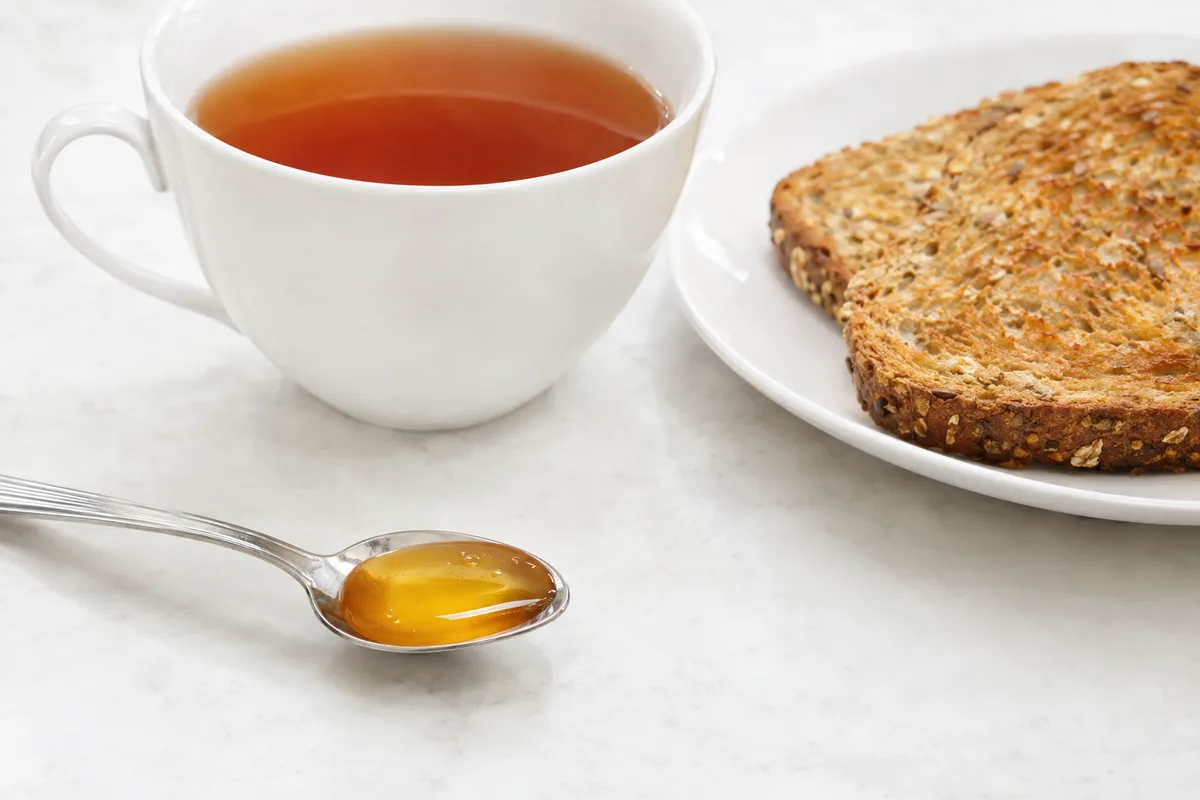
Maple syrup suits foods where a thinner texture and caramel-like flavour work well, while honey offers a thicker texture and floral sweetness. If your portions are similar, the practical difference is often small, so taste, dietary preferences and accurate tracking can guide the decision.