
Is honey healthier than sugar? A practical look at the difference
Honey may seem like the more natural choice, yet that does not automatically make it nutritionally superior to table sugar. This guide explains what each contains, how portions compare and what matters when logging them.
The short answer
Honey is not automatically healthier than table sugar. Both are mainly made up of sugars, provide energy and add sweetness without contributing much protein, fibre or other filling nutrients. General nutrition guidance therefore places them in the same broad category of free sugars.
There are small nutritional differences between them, but these rarely make honey a major source of vitamins or minerals. The better choice usually comes down to flavour, texture, portion and how each fits into everything else you eat. Neither needs to be labelled as good or bad.
- Count both honey and table sugar when tracking added or free sugars.
- Log the amount you actually use rather than relying on whether an ingredient seems natural.
- Choose the one whose flavour works best with the smallest satisfying portion.
- Look at your overall eating pattern instead of judging one ingredient alone.
What honey and sugar contain
Table sugar is mostly sucrose, a carbohydrate formed from two simpler sugars. Honey contains a mixture of sugars, mostly fructose and glucose, along with water. Its exact make-up varies because honey is produced from different flower sources.
Honey can contain tiny amounts of plant compounds, vitamins and minerals. However, an ordinary serving is unlikely to provide enough of these nutrients to transform the nutritional value of a meal. Foods such as fruit, vegetables, pulses, nuts and wholegrains are more useful sources of fibre and micronutrients.
- Table sugar is dry and crystalline.
- Honey contains water and has a thick liquid texture.
- Both provide carbohydrate in the form of sugars.
- Neither is a meaningful source of protein or fibre in a typical serving.
Why portion size changes the comparison
A teaspoon of honey and a teaspoon of sugar do not have the same weight or composition. Honey is denser but also contains water, so comparisons can change depending on whether you measure by spoonful or by grams. The most accurate approach is to log the serving shown on the relevant food label.
Carbohydrate provides about 4 kcal per gram, including carbohydrate from sugars. The energy in your portion therefore depends on its weight and sugar content rather than its reputation. If you pour honey freely, it can be easy to record less than you actually used.
- Measure by weight when practical.
- Use the nutrition information for the specific honey or sugar you eat.
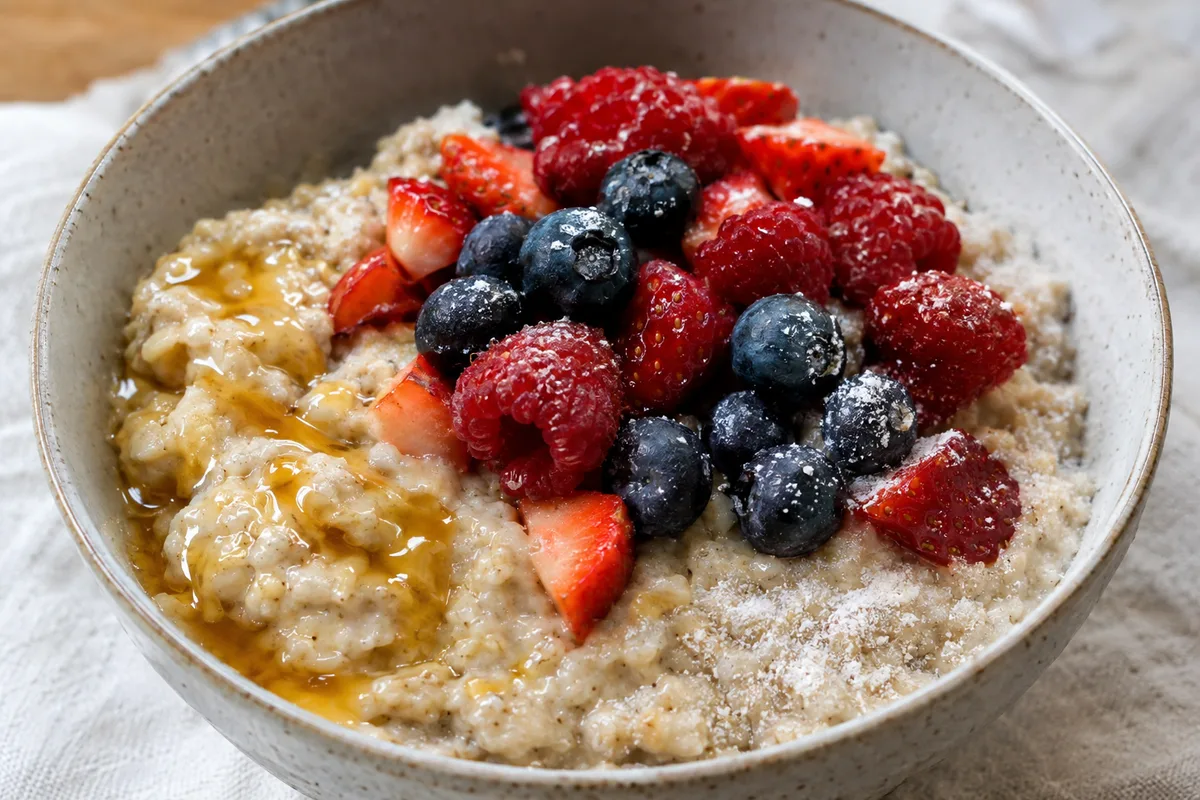
- Record honey added to drinks, yoghurt, porridge and sauces.
- Include sugar used during cooking as well as sugar sprinkled at the table.
Sweetness, flavour and satisfaction
Honey has a distinctive flavour, while table sugar mainly adds straightforward sweetness. A strongly flavoured honey may make a smaller amount feel satisfying in some foods, but that depends on personal taste. In other recipes, sugar may work better because it does not change the flavour as much.
It can help to decide what job the sweetener is doing. You might want sweetness, browning, moisture or balance against sour and bitter flavours. Once you know the purpose, you can use enough to achieve it rather than adding it automatically.
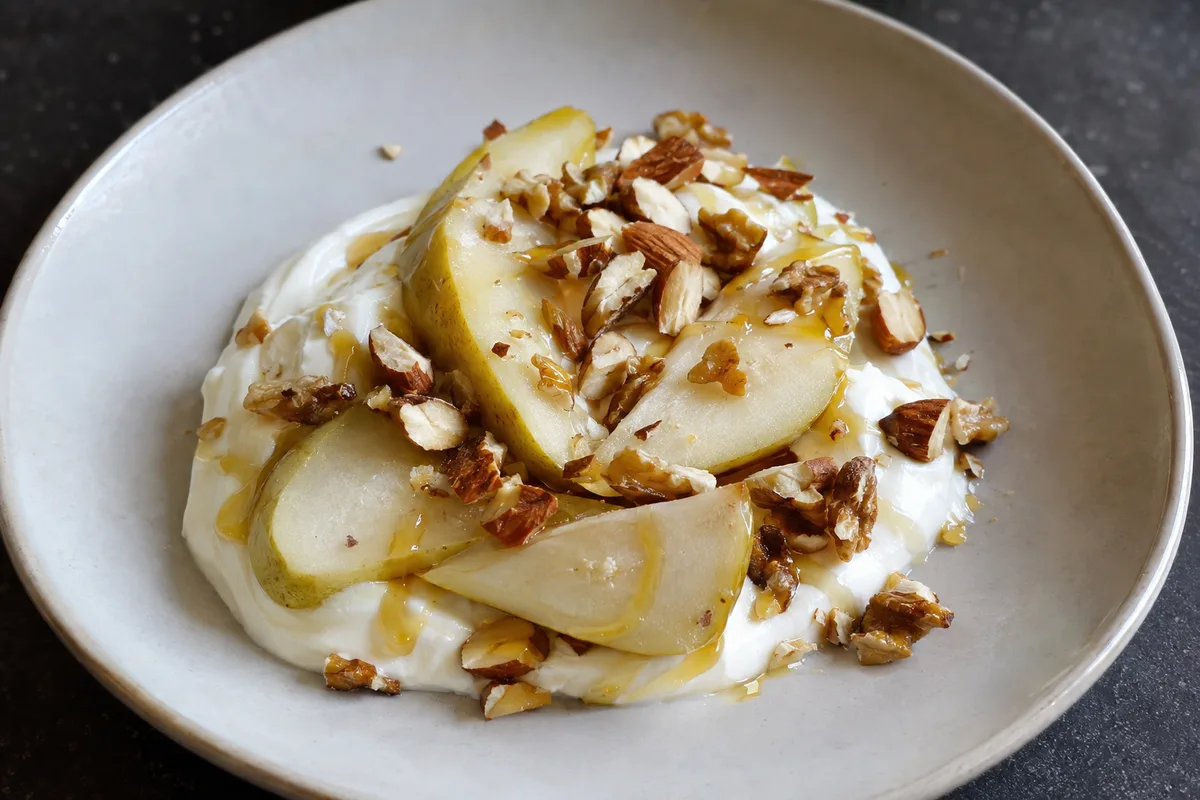
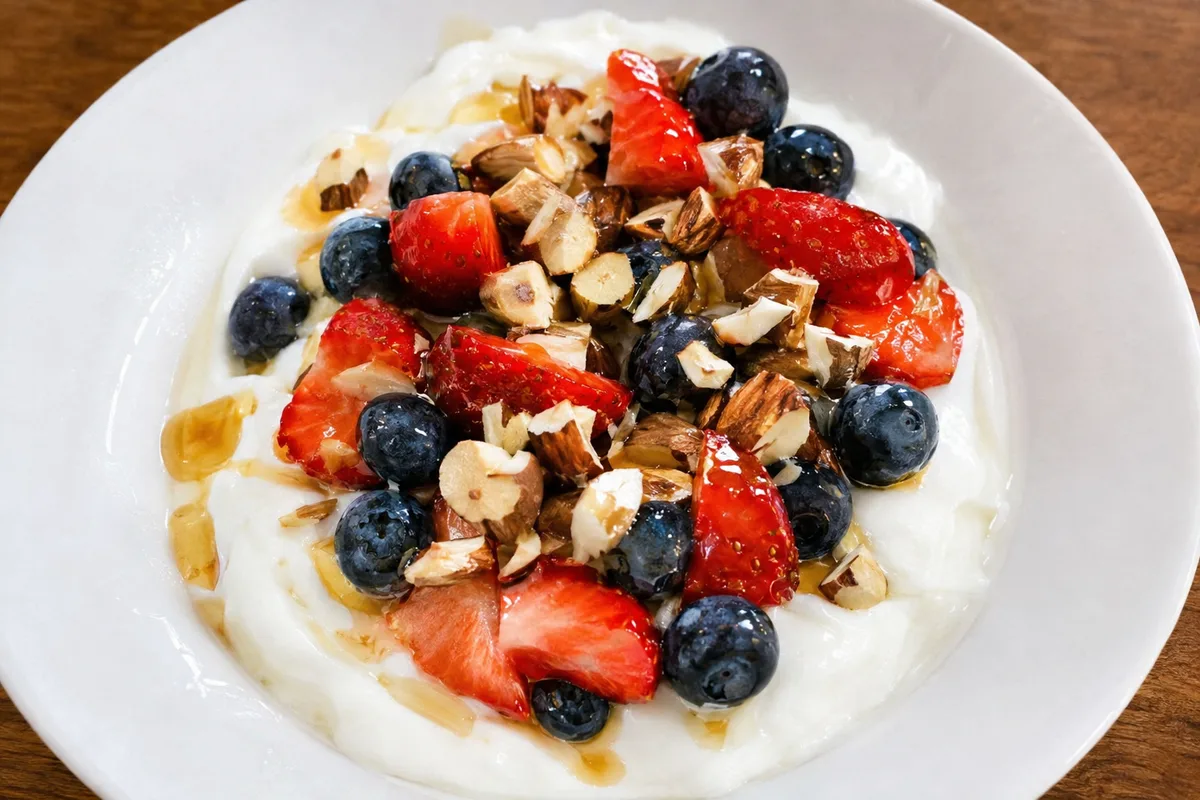
- Stir a measured amount of honey into plain yoghurt with fruit.
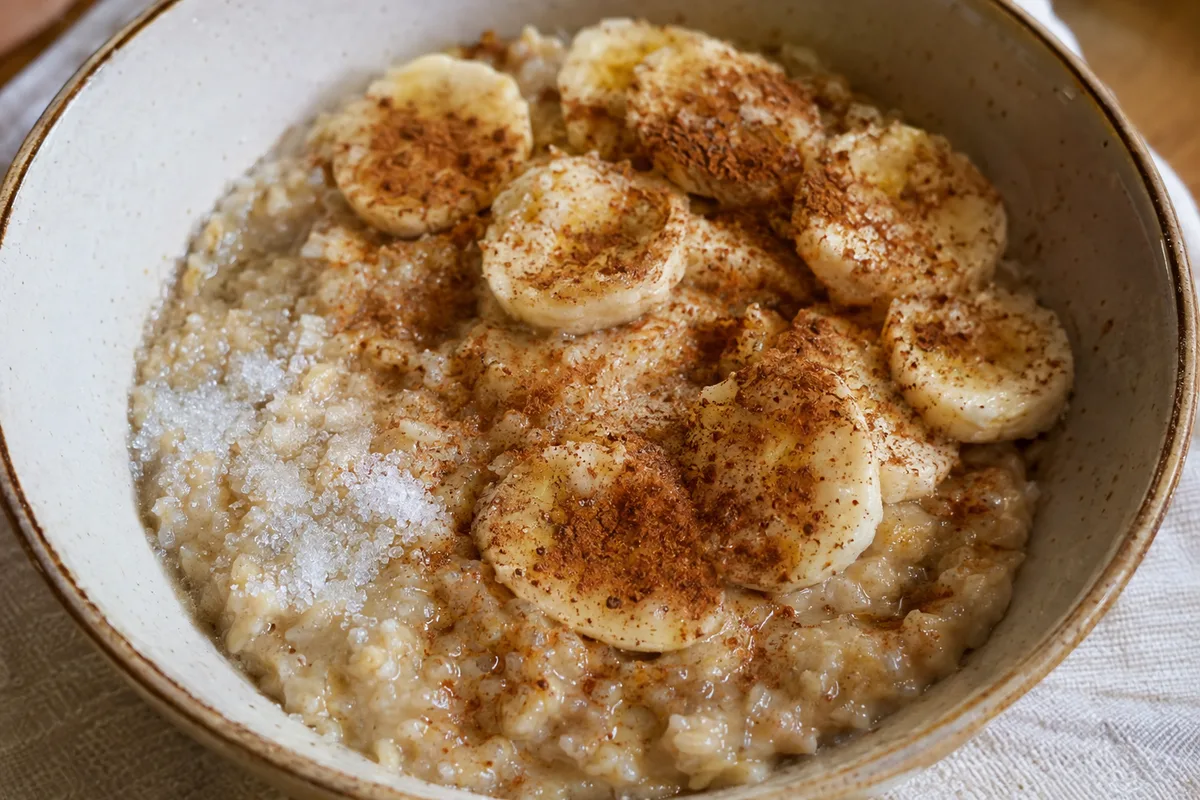
- Add cinnamon or vanilla alongside sugar in porridge for more flavour.
- Use ripe fruit to bring sweetness and texture to breakfast.
- Taste tea or coffee before adding another spoonful.
How to make a useful choice when tracking
Treat honey and table sugar consistently in your food record. If your app has several entries, choose one with nutrition information that matches the label, and check whether the serving is listed in grams or spoonfuls. Homemade or unlabelled honey can vary, so any logged figure is an estimate.
The surrounding meal matters more than swapping one sweetener for the other. Honey on plain yoghurt with fruit and nuts sits within a different meal from honey used mainly to sweeten an already sweet food. Tracking helps you notice these patterns without turning a single ingredient into a health verdict.
If you prefer honey, use it because you enjoy its taste rather than because it is assumed to be a nutritional shortcut. If you prefer sugar, a measured amount can also fit into a varied eating pattern. The most useful choice is one you can record honestly and enjoy in a portion that suits you.
- Compare entries using the same unit.
- Check serving size before saving a frequently used food.
- Create a personal recipe for dressings, baking or sauces you make often.
- Review patterns across several days rather than focusing on one meal.