
Is oatmeal gluten free? What to check before you log it
Plain oats do not naturally contain gluten, yet oatmeal is not always free from it by the time it reaches your bowl. Here is how to check labels, toppings and food-tracking entries more carefully.
Oats are naturally gluten free
Oatmeal is made by cooking oats with water, milk or another liquid. Oats do not naturally contain gluten, so a bowl made only from uncontaminated oats and gluten-free additions can be gluten free. The important detail is what happens during growing, processing and preparation.
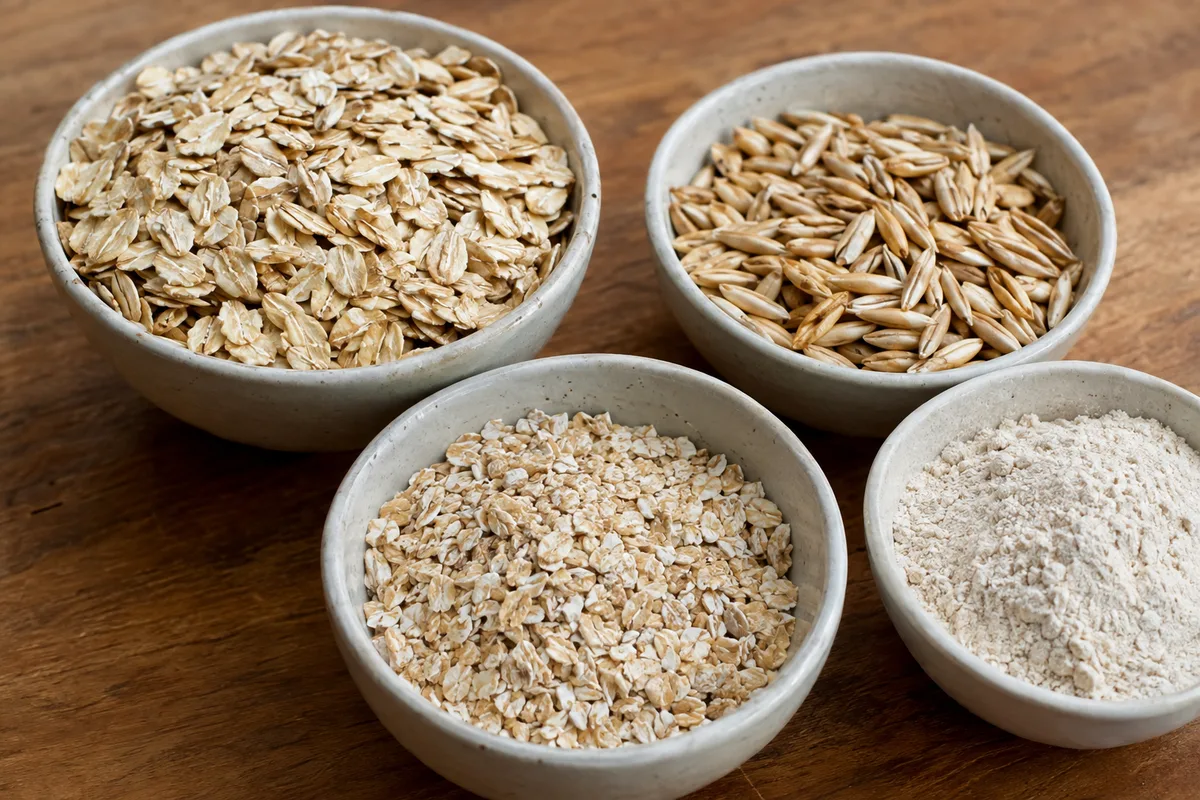
In Britain, the same sort of meal is usually called porridge, while oatmeal may also mean oats that have been ground or cut. Rolled oats, jumbo oats, pinhead oats and oat flour all come from the same grain. Their shape and cooking time differ, but that alone does not determine whether they are gluten free.
- Rolled oats for a soft, familiar porridge
- Jumbo oats for a coarser texture
- Pinhead or steel-cut oats for a firmer bowl
- Oat flour for baking or thickening
Why ordinary oatmeal may contain gluten
Oats may be grown near other grains or handled using the same harvesting, transport and milling equipment. Small amounts of another grain can therefore enter the oats before they are packaged. This is known as cross-contamination.
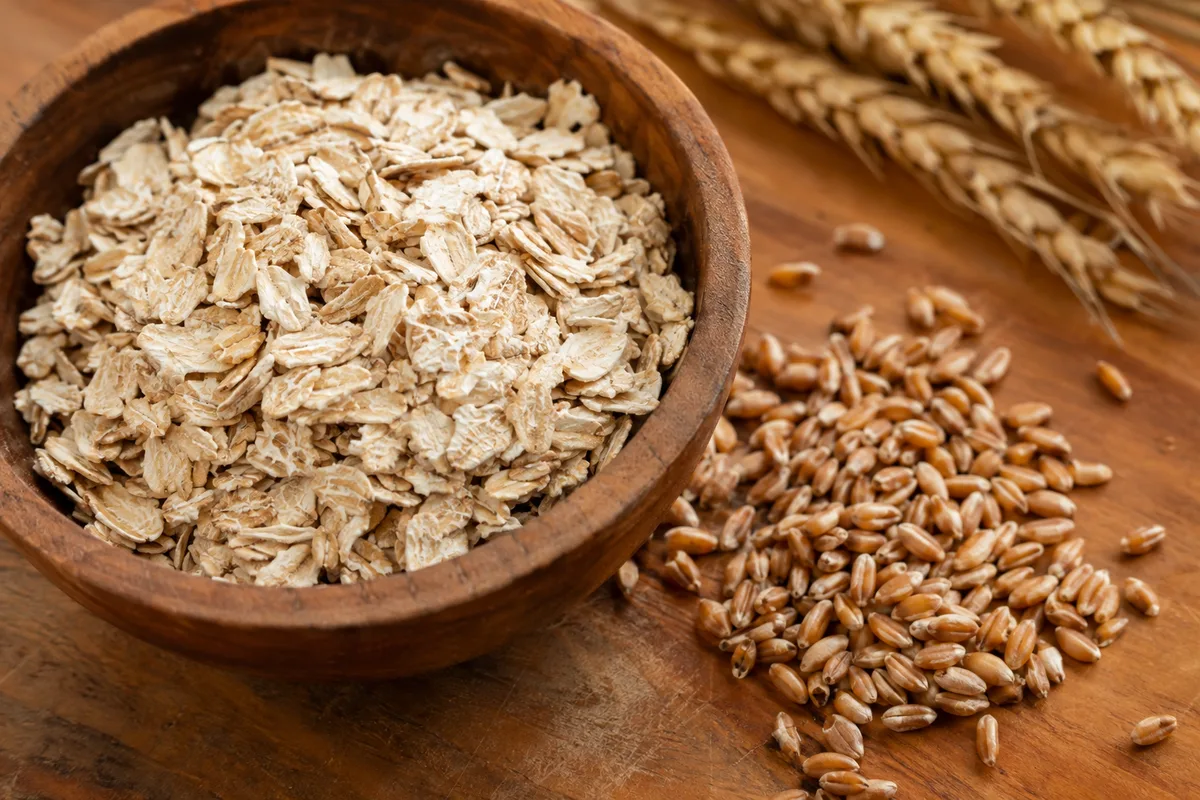
The same issue can arise in a kitchen. Shared storage containers, scoops, worktops and cooking utensils can transfer crumbs or flour into otherwise suitable oats. If you need strict avoidance, checking the full journey from packet to bowl matters.
- Shared fields or harvesting equipment
- Shared transport and storage areas
- Shared milling or packing lines
- Shared kitchen utensils and preparation surfaces
What to look for on the label
Check the packaging rather than assuming every oat product is the same. A clear gluten-free label shows that the product is intended to meet the relevant standard, while a general packet of oats may not have the same controls. Also read any warning about shared handling or manufacturing.
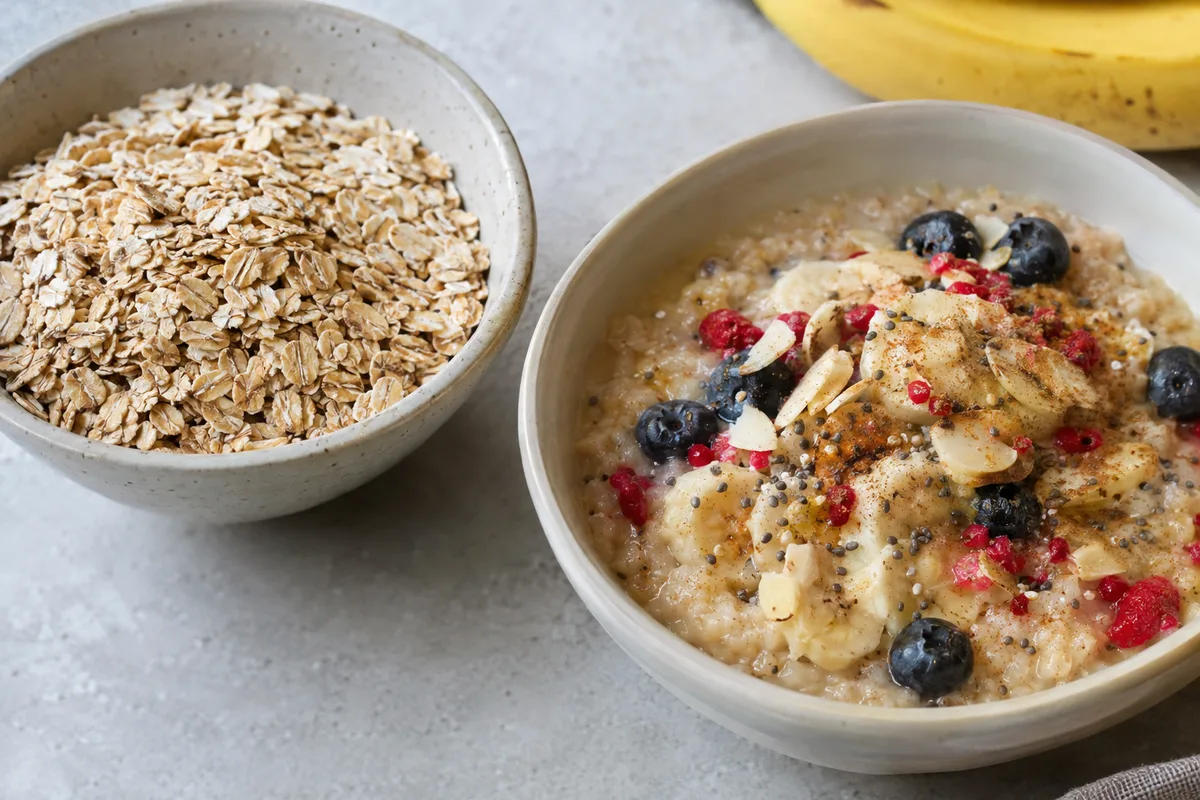
Look at the ingredient list as well as the front of the pack. Instant oatmeal and flavoured porridge can contain more than oats, including flavourings, biscuit pieces or grain-based thickeners. Recipes can change, so recheck familiar products from time to time.
- A clear gluten-free statement
- The complete ingredient list
- Warnings about shared production
- Added flavourings, toppings or thickeners
- Updated packaging or recipe information
Do not forget what goes into the bowl
Plain oatmeal is often combined with milk, yoghurt, fruit, nuts, seeds, sweeteners or spices. Many simple additions are naturally gluten free, but mixed or processed toppings need their own label check. Granola, crunchy toppings and flavoured powders deserve particular attention.
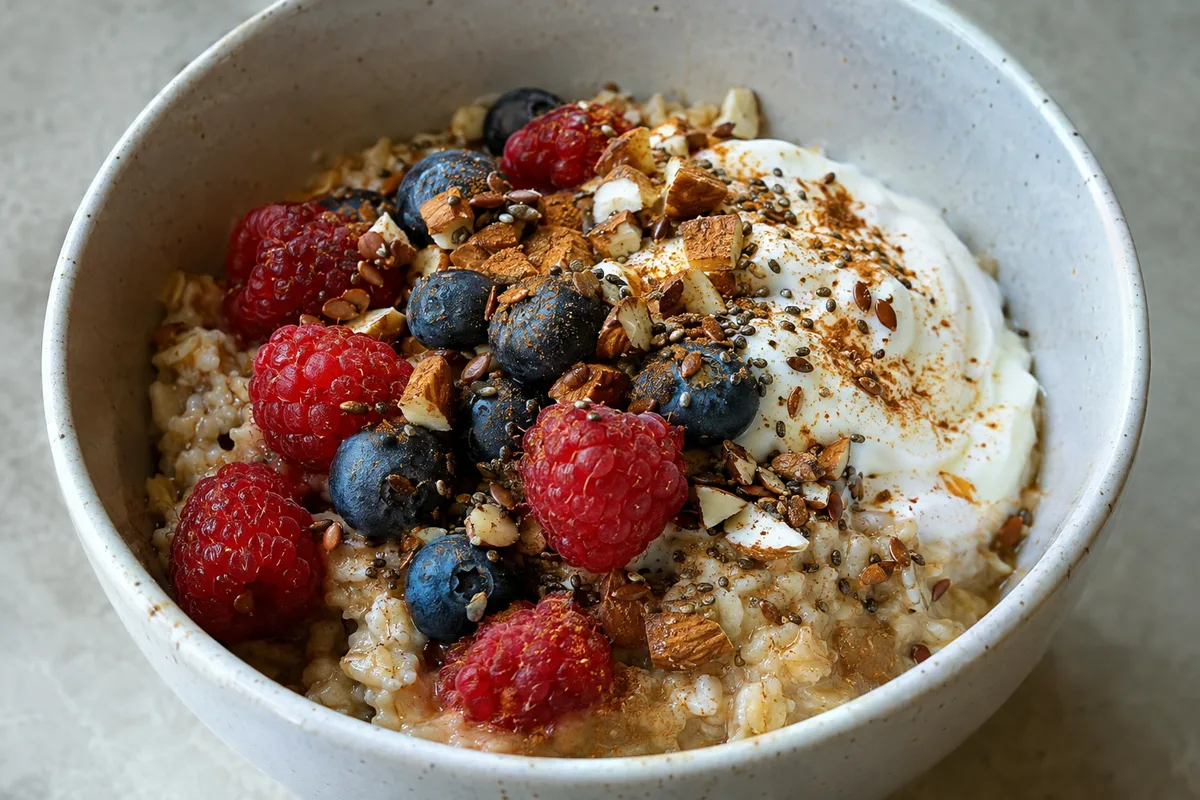
Preparation outside your home can be harder to assess. A café may use suitable oats but prepare them beside bread, pastries or other cereals. Ask what oats are used and whether separate utensils and preparation areas are available if strict avoidance matters to you.
- Fresh or frozen fruit
- Plain nuts and seeds
- Plain milk or yoghurt
- Cinnamon or other single spices
- Labelled gluten-free crunchy toppings
How to track oatmeal accurately
When logging oatmeal, match the entry to the form of oats and the amount you actually used. Dry oats and cooked porridge are not interchangeable entries because cooking adds liquid and changes the weight. The calories in your bowl also depend on the liquid, portion and toppings.
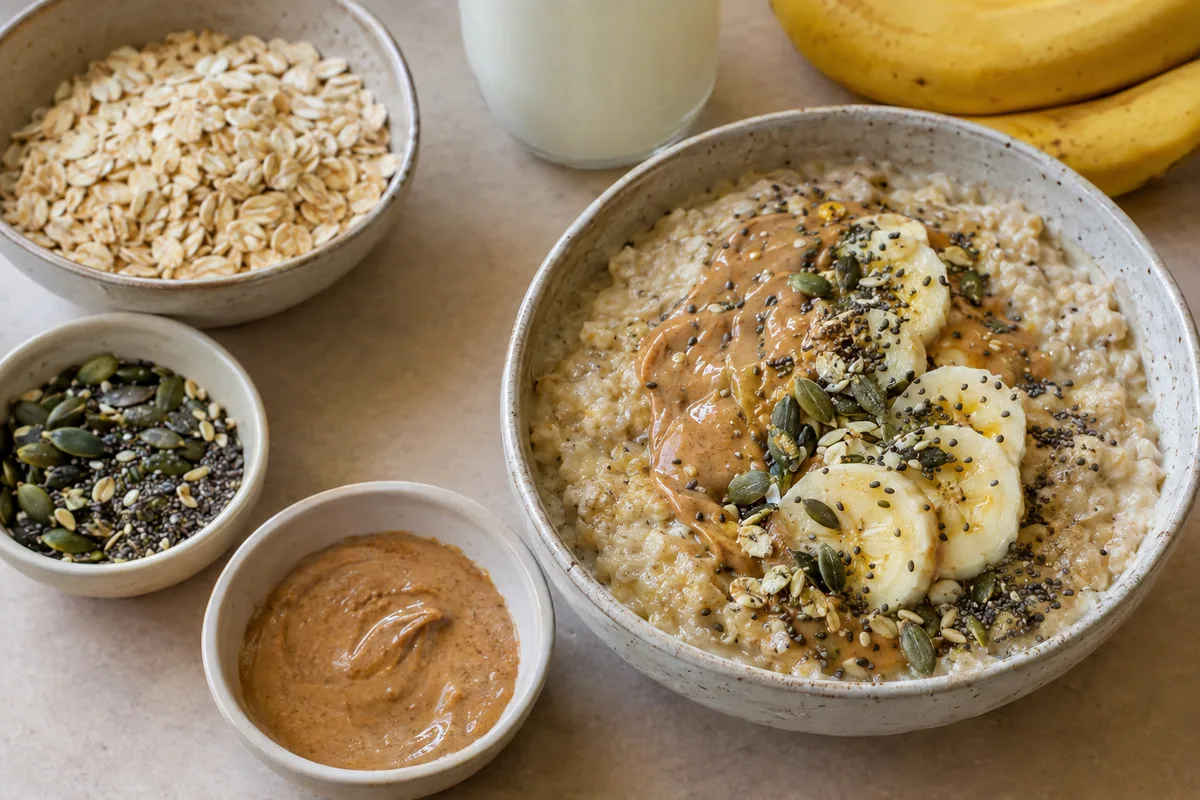
A packaged product is best logged from its own nutrition label when possible. For homemade oatmeal, record the oats and each addition separately, especially calorie-dense ingredients such as nut butter, nuts, seeds or syrup. If you batch-cook porridge, enter the whole recipe and divide it by the portions you serve.
Gluten-free labelling does not automatically make oatmeal lower in calories or more nutritious. It describes the product's gluten status, not its energy content. Compare products using the same serving basis and choose the entry that reflects what was actually in your bowl.
- Log the dry oat amount used in the recipe
- Add the milk or other cooking liquid
- Record fruit, nuts, seeds and sweeteners separately
- Use the packet entry for flavoured instant oatmeal
- Divide batch recipes by the number of portions served
The simple answer
Oatmeal can be gluten free, but the word oatmeal alone is not enough to confirm it. Plain oats are naturally gluten free, while cross-contamination and added ingredients can make a particular product unsuitable for strict avoidance. A labelled product and careful preparation provide clearer information.
For food tracking, gluten-free oatmeal is logged in the same way as any other oatmeal. Use the nutrition information for the exact product, include the cooking liquid and toppings, and distinguish dry oats from cooked porridge. The right calorie total depends on your ingredients and portion rather than the gluten-free claim.